Tulum Travel Guide for Vegan Travelers: Where to Stay, Eat, and Explore
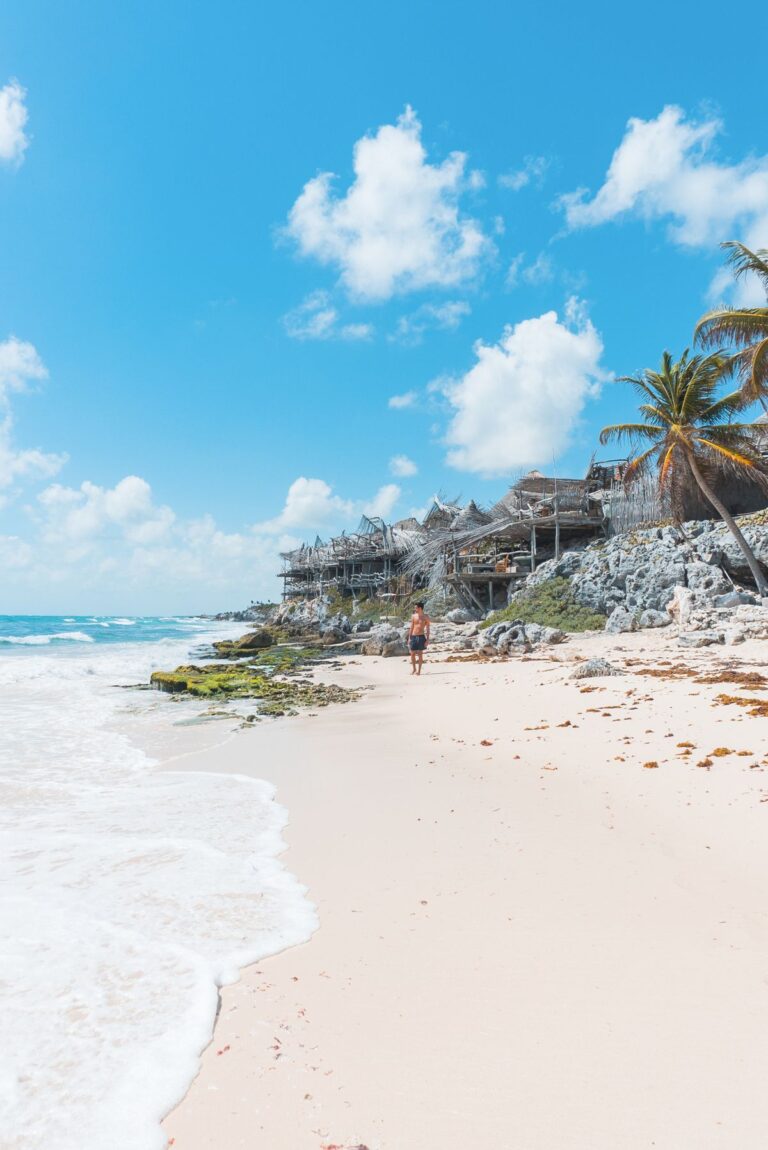
Featured image: illustrative Tulum-area coastal ruins scene photographed by Martha Gonzalez via Pexels. Verify destination access and conditions before visiting.
Updated 25 October 2026. Tulum transport, hotel rates, entrance rules, beach conditions, restaurant openings, vegan menus and conservation requirements can change, so verify exact details for your dates before booking.
This guide connects accommodation zones, vegan food planning, transport, the archaeological site, cenotes, beaches, Tulum National Park and Sian Ka’an. It distinguishes official information from changeable travel details and avoids presenting old menus, fixed taxi fares or a single beach photograph as permanent facts.
When food errands, groceries, buses and practical backups matter more than immediate beach access.
When atmosphere and beach access justify higher prices and more taxi, bike or delivery planning.
Use the current INAH listing for hours, last entry, fees and access rules.
Verify every venue and keep groceries, delivery and a packed meal as backups.
What you’ll find in this guide: the Tulum decision at a glance, where to stay by zone, airport planning, getting around, vegan food planning, the archaeological site, cenotes, protected areas, beaches and sargassum, practical itineraries, and FAQs.
Use official transport, heritage and protected-area pages for the current route, hours, fees and rules. Then check the exact accommodation location and return plan before booking.
Cancun vs Tulum guideMexico eSIM guideVegan travel appsHotel booking guide
Tulum vegan travel at a glance

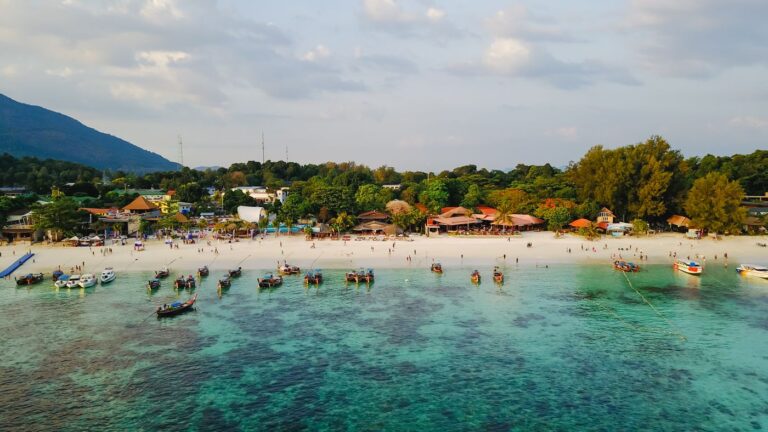
Illustrative Caribbean beach photo by Margo Evardson via Pexels; this is not a specific photograph of Tulum.
Where to stay: Pueblo, Aldea Zama, La Veleta or the beach
Tulum Pueblo
Pueblo is usually the most practical base for vegan travellers who want restaurants, shops, groceries, the ADO terminal and a wider choice of everyday services nearby. It is not the same as the beach zone: allow time and money for the journey to the coast, ruins or cenotes.
Aldea Zama
Aldea Zama sits between central Tulum and the beach area. It can be convenient for some travellers, but “close” on a map does not mean walkable in heat or after dark. Check the exact entrance, lighting, road surface, bike access and food options before booking.
La Veleta
La Veleta has a growing accommodation and food scene, but development is uneven. Confirm road access, water arrangements, power backup, Wi-Fi, kitchen facilities and the distance to a reliable vegan meal.
Beach hotel zone
The beach zone gives you the atmosphere many visitors want, but it can be the least forgiving base for food backups and transport. Ask about beach access, sargassum conditions, bicycles, taxis, restaurant hours, filtered water, fridge space and the final transfer to the airport.
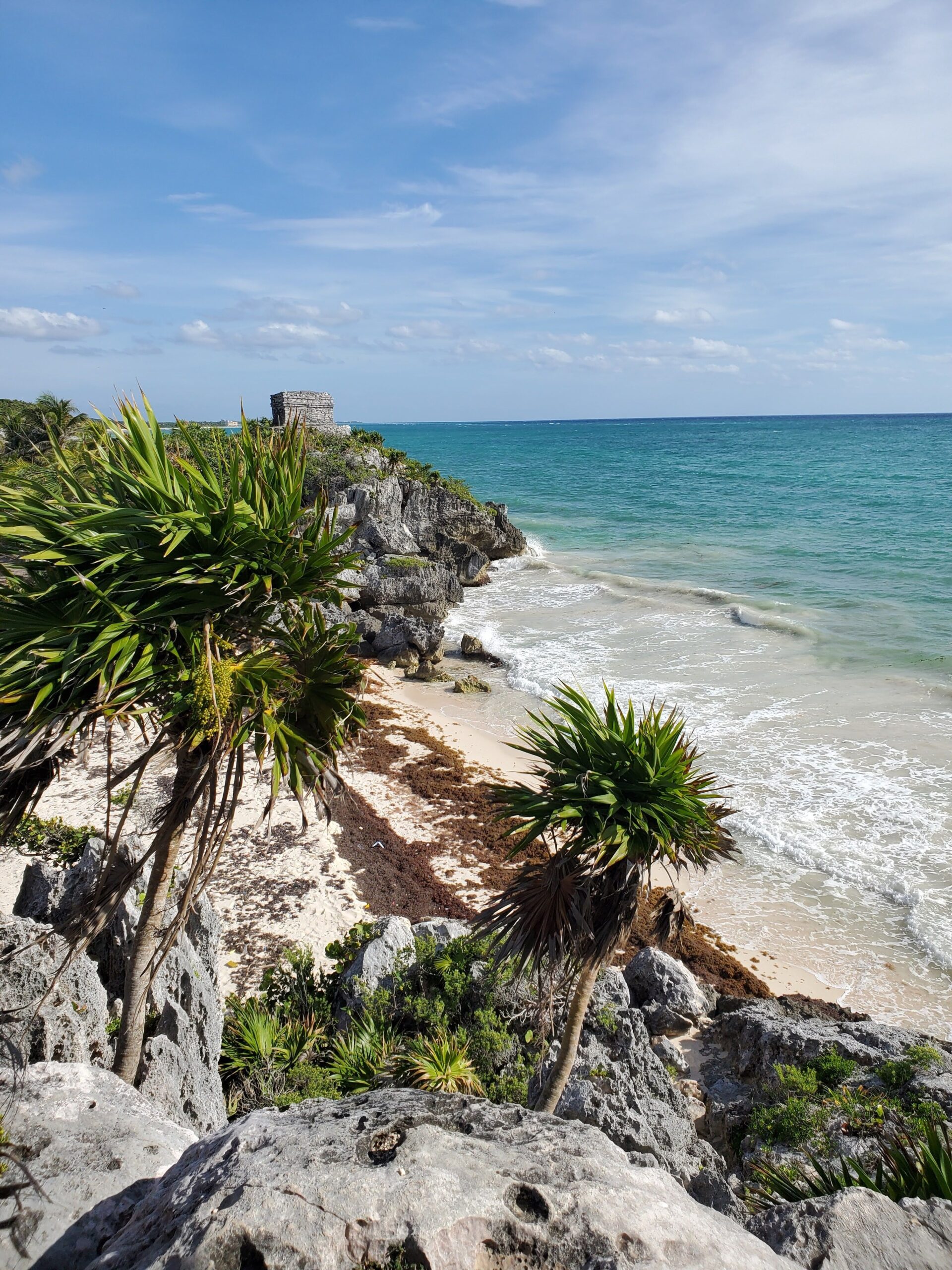
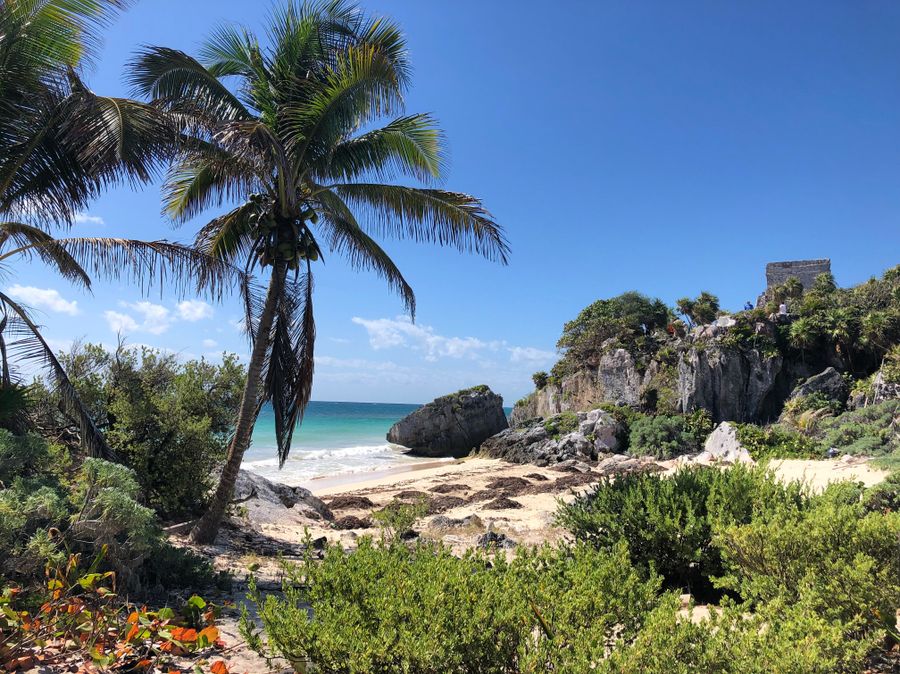
Photo: Rhonda Temple Evans / Pexels.
Getting to Tulum: Cancun Airport or Tulum Airport?
Compare the complete journey rather than choosing an airport only because it looks closer. Cancun International Airport (CUN) has established international connectivity and a large transport network. Tulum International Airport (TQO) may suit a particular flight and southern stay, but the final journey still depends on the current service, your arrival time and whether you are staying in Pueblo, the beach zone or farther south.
ADO currently lists Cancun Airport to Tulum services from terminals 2, 3 and 4, arriving at the Tulum ADO terminal in town. Airport buses, taxis and private transfers may not deliver you to a beach hotel door, so confirm the last leg before booking. Use a conservative buffer if connecting to an international flight.
Airport-to-door check
ADO can take you from CUN to Tulum Pueblo, but your final leg may still be a taxi, colectivo, bike or hotel pickup. Leave room for immigration, baggage, the bus departure and the distance from the ADO terminal to your accommodation.
Airport planning checklist
- Check the flight’s actual airport code and arrival terminal.
- Confirm the live bus or transfer timetable for your landing time.
- Ask the accommodation whether pickup is available and what it costs.
- Save the property’s exact map pin, not only “Tulum”.
- Keep a backup payment method and an offline copy of the address.
Getting around Tulum
Distances in Tulum are deceptively difficult because roads, heat and traffic change the experience. A place that is a short ride away may not be comfortable to walk, especially with groceries or after a beach day. Put the nearest vegan food backup on your map before you arrive.
Vegan food planning in Tulum
Tulum has a strong plant-based and wellness identity, but availability is not the same as reliability. Menus, pop-ups, opening days and kitchen practices change. Search by current map location, then verify directly with the venue.
Questions to ask
- Is the dish free from meat, fish, seafood, dairy, egg and honey?
- Does it contain chicken stock, fish sauce, shrimp paste or butter?
- Is the tortilla, bread, sauce or dessert made with animal ingredients?
- Are vegan dishes cooked on a shared grill, fryer or preparation surface?
- Can the venue serve the meal during your arrival or tour time?
For a beach-zone stay, plan one substantial meal before leaving Pueblo and carry a small backup. For a Pueblo stay, keep groceries or shelf-stable snacks in the room. The vegan travel apps guide can help with current map searches, but app listings are leads, not guarantees.
Build a food backup before you need it
Save one current venue in your zone, one grocery option, one delivery option and one simple room meal. Confirm dairy, egg, honey, fish sauce, shrimp paste, meat stock and shared preparation directly with the venue.
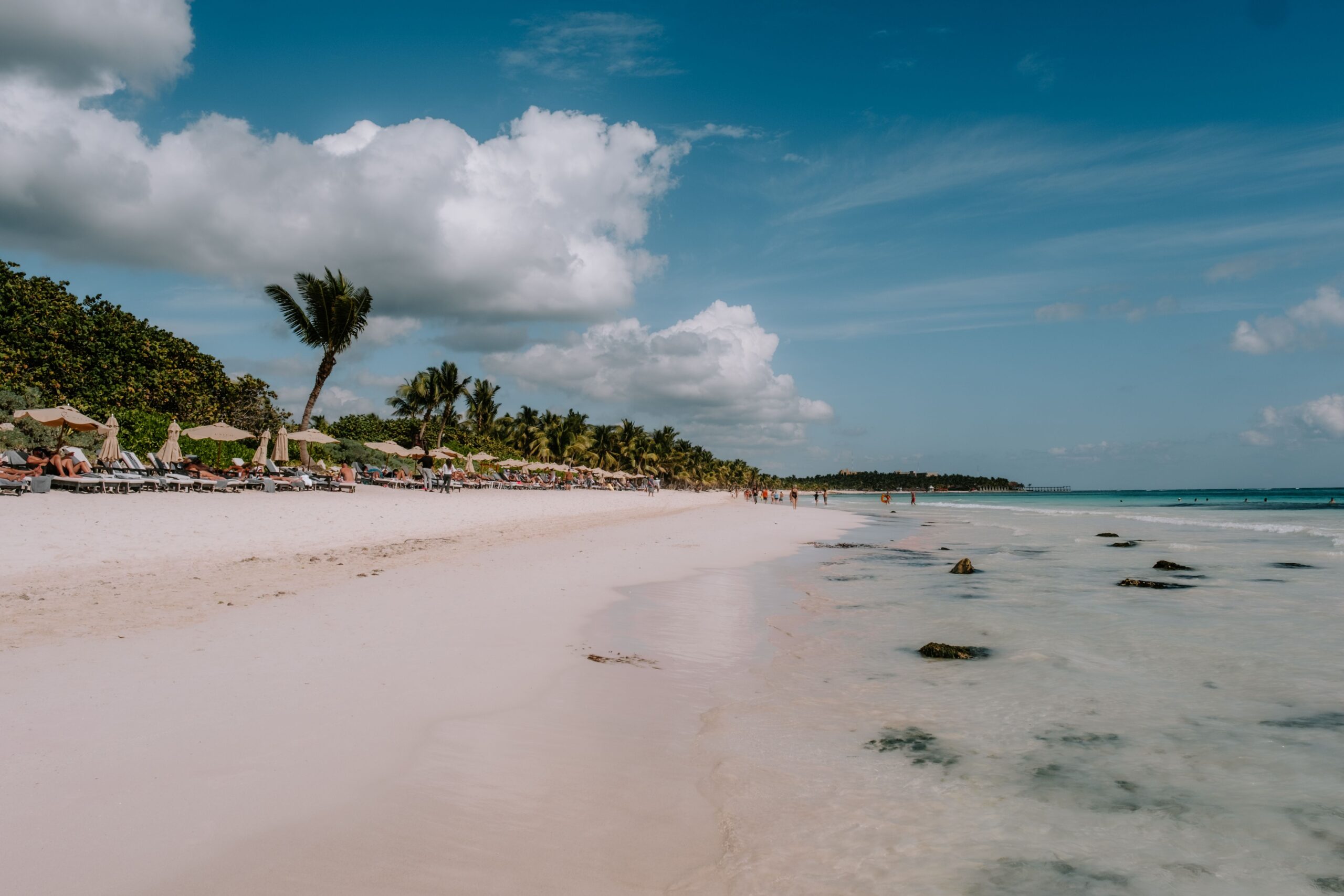
Photo: Eugenio F. R. / Pexels.
Visiting the Tulum archaeological zone
The Tulum archaeological site is an INAH-managed heritage site on the Caribbean coast. The current INAH listing states that it opens Monday to Sunday from 08:00 to 17:00, with last entry at 15:30, but hours, fees, access arrangements and additional park charges can change. Check the official listing and ticket information immediately before visiting.
Verify the ruins before leaving
Use the official INAH visitor page for current hours, last entry, access notes and ticket information. Treat older travel posts and saved screenshots as background only.
Go early if you want cooler conditions and a better chance of moving through the site before the busiest period. Bring water, sun protection and comfortable footwear. Do not assume that a beach photograph means swimming is allowed at the ruins; site and protected-area rules apply.
Respectful heritage travel
- Use official ticket channels and follow staff instructions.
- Stay on marked paths and do not climb protected structures.
- Do not remove stones, plants or archaeological material.
- Keep food and waste controlled, especially in hot conditions.
- Choose a guide who can explain Maya history respectfully rather than reducing the site to a photo stop.
Cenotes near Tulum
Cenotes are not one standard attraction. Some are open-air, some are cavernous, and each operator can set its own rules, entry process, life-jacket policy, photography rules and opening hours. Many require a taxi, colectivo, tour or rental car. Confirm whether sunscreen, insect repellent, food, cameras or swimming are allowed before you travel.
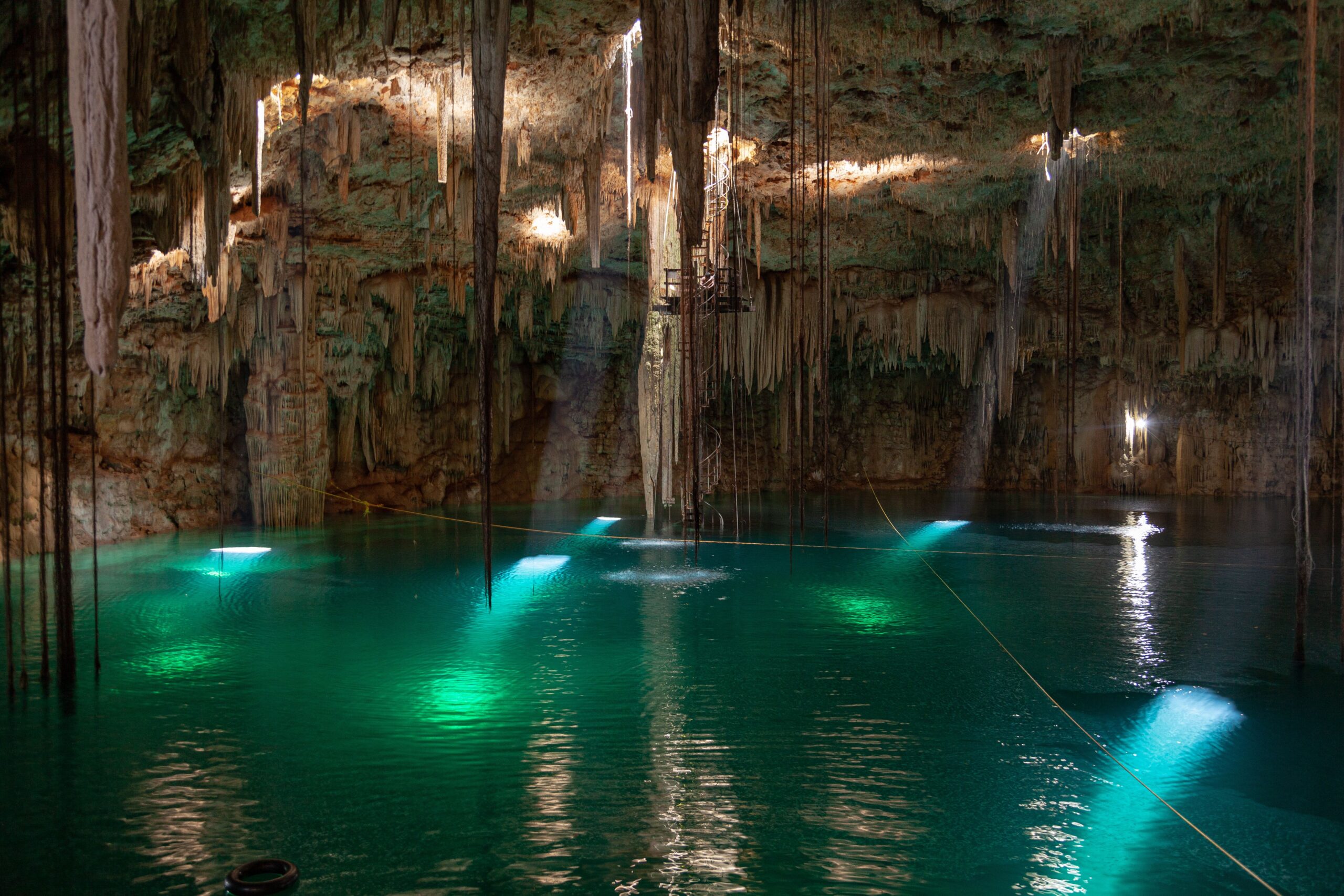
Photo: Maubor Jjaph / Pexels.
Cenote day checklist
- Check the exact location and return transport.
- Bring a towel, water and a dry bag if permitted.
- Use only products allowed by the operator or protected area.
- Ask about changing rooms, lockers, steps and swimming ability.
- Keep a meal plan for after the swim because food options may be limited.
Tulum National Park and Sian Ka’an
CONANP describes Tulum National Park as a protected area containing rainforest, wetlands, coastal dune vegetation, beaches and cenotes. Its visitor information lists access by private or rented car, service-provider tours, bicycle or taxi, with pedestrian paths and trails inside the area. Rules, opening hours, fees and access points can change, so use the current CONANP listing rather than an old blog timetable.
Sian Ka’an is a separate protected-area experience. CONANP notes that some access routes involve authorised operators or private transport, and conditions can vary across the reserve. Book with a properly authorised provider, ask what food is included, and do not assume a vegan meal is available on a boat or remote excursion.
Protected-area planning
Tulum National Park and Sian Ka’an are not interchangeable day trips. Check the current CONANP page, access point, authorised operator, transport, toilets, weather plan and food arrangements before paying.
Beaches, sargassum and weather
Tulum beach conditions vary with season, wind, sea state, storms, currents and sargassum. A clear-water image is not a forecast. Ask the accommodation about the current beach in front of the property and keep a cenote, pool, ruins or inland food itinerary as a backup.
Heat and humidity affect walking, cycling and food transport. Plan demanding activities early, carry water and use shade. During heavy rain, allow extra time for roads and transfers rather than scheduling a non-refundable connection immediately afterwards.
Practical Tulum itineraries
Three nights with low friction
Stay in Pueblo or a central area. Use the first afternoon for groceries and a verified vegan meal, visit the ruins early on day two, and keep day three for a cenote or beach plan with a weather backup.
Five nights with beach time
Split the stay only if the transfer is worth it. One or two nights in Pueblo can simplify arrival, food and the ruins; the remaining nights in the beach zone can focus on swimming, rest and nearby dining. Confirm the second property’s transfer and kitchen facilities before booking.
Nature-focused route
Reserve a full day for a cenote or Sian Ka’an rather than stacking several remote activities. Ask the operator about conservation rules, pickup, food, toilets, swimming requirements and the return time.
Booking checklist for vegan travellers
Tulum vegan travel FAQs
Is Tulum good for vegan travellers?
Yes, especially when you choose accommodation near dependable food and verify menus directly. The main challenge is distance between zones, not simply the number of plant-based listings.
Should I stay in Tulum Pueblo or the beach zone?
Pueblo is usually more practical for groceries, everyday services and food backups. The beach zone is better for atmosphere and immediate beach access but can cost more and require more transport planning.
How do I get from Cancun Airport to Tulum?
Current ADO information lists airport services from terminals 2, 3 and 4 to Tulum. Private transfers, taxis and rental cars are also possible. Check the live schedule and plan the final connection to your accommodation.
How early should I visit the Tulum ruins?
Early is generally the most comfortable choice in heat and can reduce exposure to the busiest part of the day. Verify INAH hours and last entry before leaving.
Can I swim at the Tulum ruins?
Do not assume that swimming is allowed at the archaeological site. Follow the current site and protected-area rules; choose a separate beach or cenote if swimming is permitted there.
Are cenotes near Tulum vegan-friendly?
The cenote itself is not a food venue. Some operators may have snacks or meals, but carry a suitable backup and confirm what is included in the booking.
Is Sian Ka’an easy to visit independently?
Access varies by area and route. CONANP information notes private transport and authorised service providers for some access. Verify the current entry point, road condition and conservation rules.
Final verdict
Tulum can be an excellent vegan destination when you plan by zone. Use Pueblo for food and practical backups, the beach zone for atmosphere, early hours for the ruins, separate plans for cenotes and careful verification for protected areas. Confirm the airport, exact accommodation pin, current menu, transport and attraction rules close to departure. That approach is more reliable than choosing Tulum from a generic list of beaches or restaurants.
Useful Sources And Verification
Checked 25 October 2026. Transport schedules, attraction hours, fees, menus, beach conditions and protected-area rules can change.
- INAH: Tulum archaeological zone visitor information
- CONANP: Tulum National Park access, activities and regulations
- CONANP: Sian Ka’an protected-area information
- ADO: Cancun Airport to Tulum bus information
- ADO: Cancun to Tulum route information
Use official pages for live hours, ticketing and rules. Treat restaurant directories, map listings and social posts as discovery tools that still need direct confirmation.
Related Guides
Private research draft. Expand, verify, add sources and images, then request publication approval.