Vegan Meal Delivery: How to Compare Services
Affiliate disclosure: This guide may contain affiliate links. If you buy through a qualifying link, the site may earn a commission at no additional cost to you. Recommendations are organized around transparent label, storage, portability, and verification criteria rather than undisclosed sponsorships. No product was personally tested for this article.
Short answer: The best vegan meal delivery service is the one that currently delivers to your destination, clearly labels its menu, fits your refrigerator or freezer, matches your cooking time, and has terms you can exit safely. Compare prepared meals, frozen meals, meal kits, and grocery-style boxes by evidence rather than photos or stale rankings.
Updated 27 October 2026. Recheck current menus, delivery areas, prices, storage instructions, allergens, and cancellation terms before ordering.
What you’ll find in this guide
The decision framework · Service-model comparison · Services to investigate · Travel scenarios · Five-minute scorecard · FAQs
Direct answer: what is the best vegan meal delivery service?
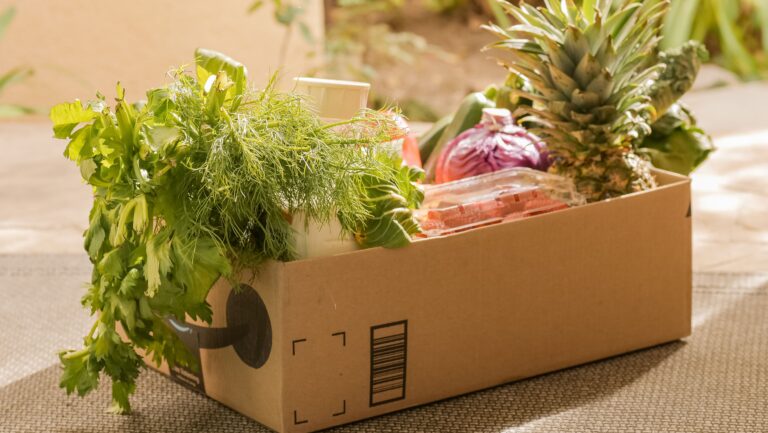
The best vegan meal delivery service is the one whose current menu, ingredient information, delivery area, delivery schedule, storage instructions, and cancellation terms fit your needs on the date you order. There is no responsible universal winner because services differ by country, postal code, menu cycle, meal format, refrigeration needs, and allergy controls. A prepared-meal service may save cooking time, while a meal-kit service may suit travelers who have a kitchen and want more control over ingredients.
Potential research starting points include Purple Carrot, Splendid Spoon, Veestro, Thistle, and other services that publish official menu or product information. This article does not claim current coverage, prices, inventory, ratings, or personal testing. Treat brand names as a shortlist for verification, not a guarantee that a service currently delivers to your address or can meet your allergy requirements.
The verification-first decision framework
A delivery plan is also a logistics plan. Write down who receives the box, where it can be stored, when it will be eaten, and what happens if it arrives early or late. If a front desk, neighbor, or coworker may receive the package, make sure the handoff is understood. Do not assume an insulated package can wait indefinitely. Follow the provider’s current directions and contact the provider if the condition on arrival is unclear.
Meal delivery is a commercial decision with time-sensitive facts. Use this sequence before you subscribe or place a one-time order.
1. Define the job to be done
Are you trying to cover a week of lunches, supply emergency meals during a move, avoid cooking during a road-trip stop, or eat well in a temporary apartment? “Vegan meal delivery” can refer to chilled prepared meals, frozen meals, meal kits, grocery boxes, smoothies, snacks, or chef-prepared menus. Define the job before comparing services.
2. Check the actual delivery destination
Enter your full current postal code on the official site if the service provides a coverage checker. Delivery areas can change, and a service available in one city may not serve a nearby address. If the site requests an address before showing options, use the official workflow and read the current delivery terms. Do not copy coverage from an old article or assume national coverage.
3. Read the menu and ingredient evidence
A menu label such as “vegan” is helpful but not a substitute for the full ingredient list and allergen information. Inspect several meals, not just the hero image. Check whether the service separates vegan and vegetarian items, explains cross-contact, and offers information for the specific menu cycle you will receive.
4. Match storage to your accommodation
Prepared meals can require refrigeration or freezing. Meal kits may require a refrigerator for ingredients and a kitchen for cooking. Frozen meals need freezer space and a plan for delivery-day handling. If you are staying in a hotel, verify the room equipment before ordering. If you are traveling, confirm that a delivery can be received, stored, and eaten safely.
5. Review the commitment and exit terms
Subscription terms can include skip, pause, cancellation, cutoff, and renewal rules. Read the current official terms before entering payment details. Record the order cutoff and the action required to avoid a future order. Do not describe any policy as permanent; verify it again when you place the order.
Comparison table: service models
Vegan meal delivery services to investigate
This shortlist is intentionally neutral. The correct next step is to open the official site, enter the destination if required, and record current evidence. Do not treat a name in this article as proof that the service currently delivers to you.
Purple Carrot
Purple Carrot is a useful starting point for researching vegan meal-kit and prepared-food models. Review the current official menu, meal format, delivery locations, allergen information, and subscription terms. If you are traveling, investigate whether the delivery can be received at the accommodation and whether the kitchen or refrigerator available matches the selected product.
Splendid Spoon
Splendid Spoon’s official pages can help you assess its current product categories and ordering process. Compare the exact item, storage requirement, serving instructions, and destination eligibility. A smoothie, soup, grain bowl, or other format may solve a different need, so avoid treating the company as one uniform product.
Veestro
Veestro’s official site is a research source for prepared vegan meal formats. Confirm the exact menu and current shipping or delivery terms for your location, then assess freezer or refrigerator access. For travel, think through the arrival window, package handling, and whether you can heat the meal safely.
Thistle
Thistle’s official information can help you investigate prepared plant-based meals and delivery terms where the service operates. Current menu, geography, storage, and cancellation rules require a live check. Do not rely on a third-party list for current coverage or menu claims.
Local and regional services
A local vegan caterer, grocery delivery service, or regional meal-prep company may be more practical than a national brand. Verify its current menu, kitchen practices, allergen communication, delivery window, packaging, and business contact details. Ask clear questions before ordering, especially if you have a severe allergy or a narrow arrival window.
How to compare menus responsibly
For editorial accuracy, record the menu date and region when you compare services. A menu screenshot from one city or month should not be presented as a permanent catalog. The same discipline helps shoppers: save the exact meal page, not only the service homepage. If substitutions are possible, choose meals whose ingredients you can verify even if one item changes. A backup grocery list makes a subscription less risky.
Vegan definition and menu filters
Check how the service labels vegan meals. Some menus use separate vegetarian and vegan filters; others place dietary tags on each meal. Verify whether the filter applies to the exact menu cycle and whether substitutions could change the ingredients. If the site uses an “all plant-based” claim, read the definition and any exclusions.
Ingredient and allergen transparency
A useful menu page should give you enough detail to identify major ingredients, allergens, and preparation notes. If information is hidden until checkout or varies from meal to meal, mark the service as requiring extra verification. Do not treat a vague promise such as “allergy friendly” as equivalent to a dedicated allergy-control statement.
Menu rotation and repeatability
If you need a service for several weeks, assess how menus rotate and how easily you can identify repeat meals. If you are ordering for a single trip, the menu cycle matters less than storage and delivery timing. Because menus change, capture the current meal page and order confirmation for your records.
Nutrition information: Vegan Travel Food Planning
Compare serving size and the current Nutrition Facts panel where available. “Healthy,” “high protein,” or “balanced” are not complete nutritional assessments. If you have medical or dietary needs, use qualified professional guidance. For travelers, also consider whether the meal supplies the type of energy you need for a long driving or walking day.
Delivery, packaging, and storage checklist
Before ordering, answer these questions:
- Does the service currently deliver to the full destination postal code?
- Is delivery one-time, recurring, or both?
- What is the current cutoff for the next available delivery?
- How long can the package remain unopened after arrival?
- Does it require refrigeration, freezing, or same-day handling?
- Is there enough refrigerator or freezer space at the accommodation?
- What happens if you miss delivery or the package is delayed?
- What are the current pause, skip, cancellation, and renewal terms?
- Are ingredients and allergen details available before payment?
- How are substitutions handled?
Do not guess at answers. If the site does not make them clear, contact the service or choose an option with more transparent information.
Travel scenarios: Vegan Travel Food Planning
If a delivery service is not a fit, a local grocery run can still be efficient when you shop from a prepared checklist. Combine a few no-cook foods with one refrigerated or frozen component only when you have safe storage. For a busy traveler, the best plan may be hybrid: one verified delivery, several shelf-stable backups, and a short list of local restaurants or shops to check after arrival. This avoids making one vendor responsible for every meal.
Hotel Stay: Delivery and Storage Checks
A prepared delivery can work only when the hotel accepts food deliveries and the room has safe storage. Ask the hotel about delivery handling and refrigerator or freezer capacity before ordering. If you cannot guarantee receipt, use a local grocery plan and the printable vegan grocery list for travel as a backup.
Extended-Stay Apartment: Storage and Resupply
An apartment with a working refrigerator, freezer, and cooking equipment gives you more choices. Still verify equipment, delivery timing, and cleanup. A meal kit may create more packaging and prep than expected, while prepared meals may simplify a busy schedule. Compare the service model to your actual time and equipment.
Road-Trip Base: Timing and Cooling
Delivery can be useful at a fixed base, but it may not suit a moving itinerary. Confirm the delivery window and plan for missed delivery, power loss, or limited cold storage. For a route with multiple stops, combine shelf-stable foods, local grocery checks, and how to plan a vegan road trip rather than depending on one shipment.
Business Travel: Predictable Delivery Windows
If you are working from a hotel or coworking space, consider meal timing and receiving rules. A delivery that arrives while you are in meetings may be difficult to store. Choose products with clear handling instructions and a realistic eating window. Pack a shelf-stable backup from best vegan travel snacks.
Allergy-Sensitive Travel: Verify Before Ordering
Ask precise questions about ingredient lists, shared facilities, substitutions, and cross-contact. If the answer is vague or the menu changes after checkout, reconsider. A service cannot be assumed to manage a severe allergy unless its current official information and your own medical guidance support that decision.
Cost comparison without stale prices
This article intentionally avoids quoting prices because they change by menu, location, promotion, delivery fee, tax, serving count, and subscription status. Build your own current comparison with these fields:
- Cost per delivered serving shown at checkout.
- Delivery fees and any minimum order.
- Tax or other charges.
- Introductory promotion versus recurring price.
- Number of servings you will actually eat.
- Food waste risk if you cannot store leftovers.
- Cost of backup groceries or missed-delivery meals.
- Time saved compared with cooking or shopping locally.
A lower advertised price may not be lower for your trip if the service requires more servings than you can use or if the accommodation lacks a freezer. A transparent worksheet makes the decision more accurate than an old price list.
Subscription and cancellation verification
Before payment, open the current terms and capture the date. Identify whether the first order automatically creates recurring deliveries, how to skip a week, when a change must be made, and how cancellation is confirmed. Save the confirmation email or account screen. If your trip ends on a specific date, set a personal reminder earlier than the stated cutoff.
Avoid making a subscription decision while distracted by a countdown or promotion. The important question is whether the service fits your schedule, storage, budget, and dietary needs after any introductory offer ends. If the business terms are unclear, use a one-time option or a local purchase instead.
Five-minute service scorecard
Give each candidate a status, not a made-up rating:
This approach protects you from confusing brand familiarity with current suitability.
Common Travel Mistakes to Avoid
Comparing services by photos alone
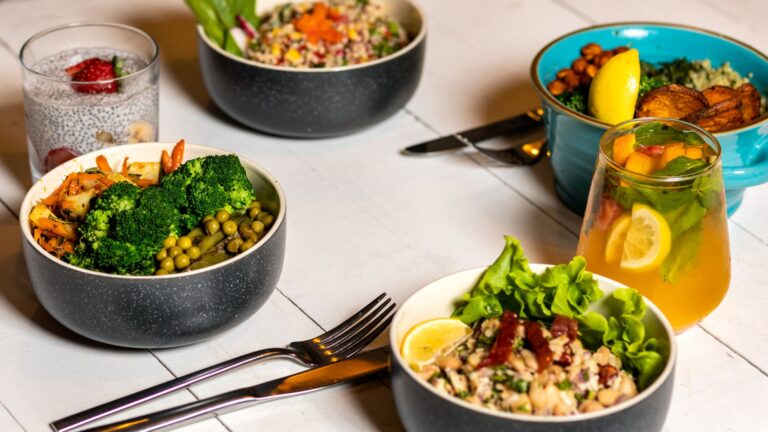
A polished meal photo does not tell you whether the menu is available in your location, whether the food arrives chilled, or whether the ingredients fit your needs.
Ignoring the destination postal code
Coverage is often address-specific. Always use the current official checker.
Ordering more than you can store
A week of meals can be impractical in a compact hotel refrigerator. Choose a quantity that matches your equipment and schedule.
Treating “plant-based” as a medical guarantee
Dietary labels and allergy controls are separate questions. Read the exact information and use professional guidance for serious allergies.
Forgetting the next-order cutoff
Subscriptions can renew when a traveler is busy. Read the current terms, save the cutoff, and confirm cancellation or skipping in the account.
Frequently asked questions
Are vegan meal delivery services available everywhere?
No. Delivery areas, menus, and service models vary. Enter your current destination on the official site and verify before paying.
Is meal delivery better than buying groceries while traveling?
It depends on storage, schedule, cooking access, delivery reliability, and cost. Meal delivery can reduce planning time, while groceries can offer more flexibility and a stronger backup plan.
Can I send vegan meals to a hotel?
Possibly, but confirm the hotel’s delivery and storage rules first. A delivery that cannot be received or refrigerated safely is not a good fit.
How do I choose between a meal kit and prepared meals?
Choose a meal kit when you have a kitchen and want to cook. Choose prepared meals when you need speed and predictable serving. Verify the exact storage and menu information.
Do vegan meal services handle allergies?
Policies vary. Read the service’s current allergen and cross-contact information and contact the company directly if the answer is unclear. Do not assume that vegan means safe for every allergy.
Should I use a subscription during a short trip?
Only if the delivery date, quantity, storage, and cancellation terms fit the trip. A one-time order or local grocery plan may reduce commitment risk.
Final recommendation and measurable plan
The measurable outcome is a two-option plan: one current service that passes your destination, menu, storage, and terms checks, plus one local or shelf-stable backup. Create a one-page record with the exact menu, delivery date, storage requirement, cost at checkout, and cancellation action. Re-check all time-sensitive details immediately before ordering.
Use official pages for Purple Carrot, Splendid Spoon, Veestro, Thistle, or a regional alternative only as starting points. Do not repeat a current claim unless you have verified it for your destination and date. If the service does not pass the checklist, switch to grocery planning, hotel room vegan recipes, and vegan travel gear for a more controllable setup.
How to verify a meal-delivery service before placing an order
A meal-delivery page is not enough evidence by itself. Before ordering, open the current menu, delivery-area page, FAQ, terms, and storage instructions. Confirm whether “vegan” is a permanent menu filter, a selectable preference, a fully plant-based menu, or a meal that still shares preparation equipment. Those distinctions matter for both dietary confidence and allergy planning.
Check the delivery date rather than assuming the service can meet your travel timetable. A meal that arrives before departure may need cold storage at home, while a delivery sent to a hotel or temporary accommodation may be refused, delayed, or left without refrigeration. Ask the property whether it accepts food deliveries, where they are held, and whether the address format is supported by the service.
For each candidate, record the current delivery geography, cutoff time, meal format, packaging instructions, storage requirement, reheating method, allergen policy, cancellation terms, and contact route. Save a screenshot or PDF of the relevant terms only as a planning record, not as proof that the same offer will remain available later. Recheck the live page before payment.
This verification process also prevents a common comparison mistake: treating a meal-kit company, a prepared-meal service, a grocery delivery marketplace, and a restaurant-delivery app as interchangeable. They solve different problems. The right choice is the one whose food format, delivery timing, equipment needs, and ingredient transparency match the actual trip.
Related Guides
Build a delivery backup with shelf-stable and easy-to-find foods.How to Plan a Vegan Road Trip
Coordinate stops, storage, food safety, and backup meals for a moving route.Hotel Room Vegan Recipes
Use simple meal ideas when a delivery arrives without full kitchen access.