Vegan Travel in Oceania: Routes, Food & Backup Planning
Vegan travel in Oceania is easiest when you plan for distance, self-sufficiency, weather, biosecurity, and limited service points. Decide whether your route is urban, road-based, island-based, outdoors-focused, or a combination. Then map meals and groceries around each overnight, verify accommodation and tour-provider food promises, check official entry and biosecurity rules, and carry only food that is legal and practical for the exact route.
Short answer: Plan vegan travel in Oceania around distance, service gaps, weather, and border rules rather than a restaurant list. Choose a realistic route shape, map groceries and meals for every overnight, verify remote accommodation or tours directly, and carry only food and equipment that are legal for the exact country and route.
Updated 27 October 2026. Recheck current entry, biosecurity, transport, weather, accommodation, and food-import rules for each country or island group before travelling.
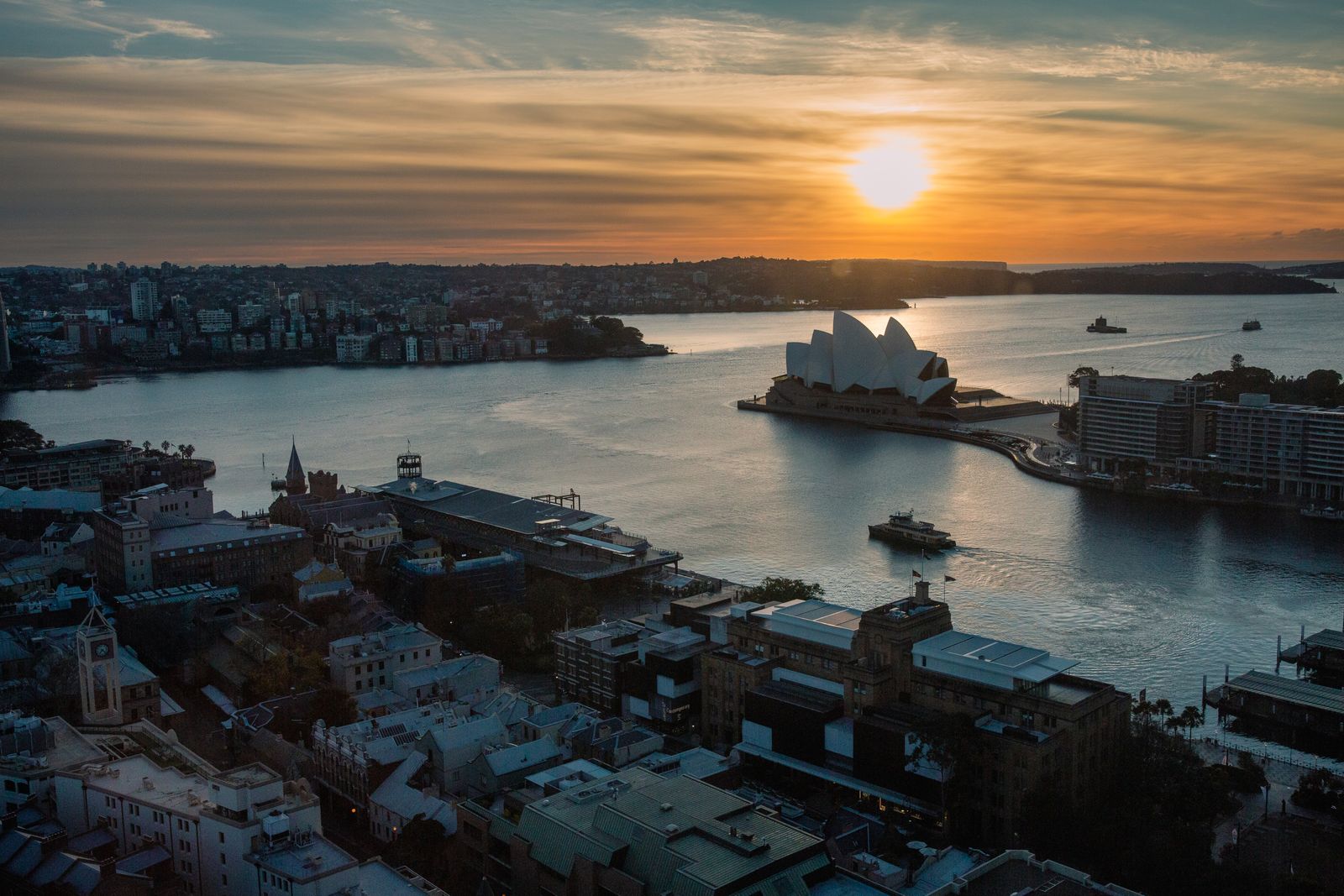
Featured image: Sydney Opera House and harbour skyline. Photo: Kyle Vermeulen via Pexels.
This is a destination-planning hub, not a ranking or a city-guide collection. Australia, New Zealand, and Pacific destinations have different entry rules, climates, transport systems, language contexts, island logistics, and food-import requirements. The city and country examples below are research starting points only. They do not claim a fixed level of vegan availability, restaurant count, price, operating schedule, or firsthand experience. Confirm current details with official authorities and first-party businesses before booking.
Commercial disclosure: This guide contains no paid placement, sponsored recommendation, or affiliate link. Any booking, ticket, vehicle, tour, or product decision should be made from current official terms.
What you’ll find in this guide
Set the scope · Start with the route · Choose a trip style · Compare route shapes · Prepare language · Verify providers · Plan groceries · Plan transfer meals · Check biosecurity · Choose accommodation · Check conditions · Use the timeline · Read the FAQs
Location: Oceania
Trip scope: This regional guide covers Australia, New Zealand, Pacific island destinations, urban trips, road routes, ferries, flights, outdoor stays, and multi-stop itineraries. Oceania is not one uniform travel system: distances, weather, border rules, biosecurity, transport frequency, food supply, and accessibility can differ sharply between a capital city, a regional town, a national park, and a remote island.
Official location and route starting points: Begin with Tourism Australia or 100% Pure New Zealand for broad route research, then use the relevant state, territory, regional, island, immigration, customs, transport, park, weather, and public-health authorities for your exact itinerary. Recheck entry, biosecurity, road, ferry, weather, and venue information close to departure.
This hub focuses on choosing and sequencing a resilient regional route. The narrower Oceania vegan food-planning guide covers more detailed supply stops, storage, and remote-route meal logistics.
The direct answer: how to plan vegan travel in Oceania
Build the trip around a small number of dependable bases and service points. A practical workflow is:
- Choose the country or island group based on your passport, season, transport, and desired travel pace.
- Decide whether you need restaurants, supermarkets, self-catering, tour meals, or all four.
- Plan the distance between food, accommodation, airports, trailheads, fuel stations, and ferry terminals.
- Use official tourism, immigration, health, transport, park, weather, and biosecurity sources.
- Contact accommodation and activity providers with precise vegan and allergy questions.
- Learn local ingredient terms and prepare an offline dietary message.
- Request airline meals early and plan food for flights, buses, ferries, campervan days, and hikes.
- Check exactly what food and outdoor equipment may enter Australia, New Zealand, or an island destination.
- Reconfirm weather, road, ferry, flight, opening-hour, and food details close to departure.
Oceania can look straightforward on a map because Australia and New Zealand have familiar travel infrastructure in many urban areas. The practical challenge is scale and remoteness. A route may involve long drives, infrequent buses, domestic flights, weather-sensitive ferries, limited grocery windows, or a lodge far from the nearest store. A good vegan plan therefore treats groceries and recovery options as core itinerary elements.
Define your Oceania trip style first
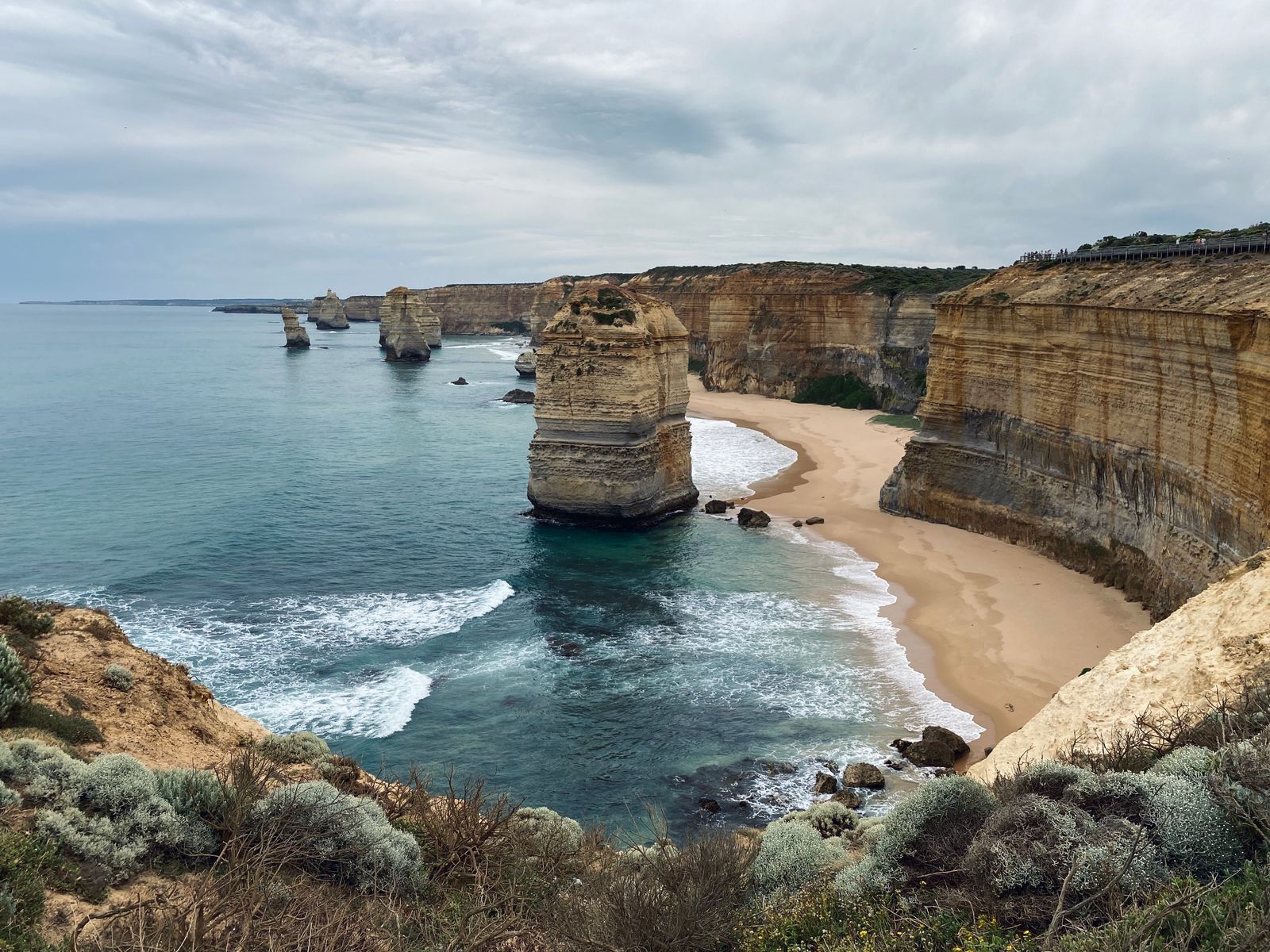
A city-based week in Australia needs a different plan from a campervan route through New Zealand, a small-island stay in the Pacific, or a multi-day hike. Start by writing what “easy enough” means for you.
Consider:
- Do you want urban food research, outdoor scenery, wildlife observation, beaches, culture, or a mix?
- Can you cook, and will you have a fridge, freezer, hob, microwave, cookware, and safe storage?
- How much driving or flying can you handle between meals?
- Will the route include national parks, campsites, lodges, cruises, ferries, or guided activities?
- Do you have allergies, medical requirements, or cross-contact concerns?
- Do you need step-free accommodation, accessible vehicles, or short walks to food?
- Are you traveling during cyclone, storm, bushfire, winter, or high-season periods?
- Will you cross international borders or remain within one country?
A useful brief might be: “I want a twelve-day route with two urban bases, one self-catering nature stay, no more than three hours of driving on transfer days, and a confirmed food plan for every remote overnight.”
Research starting points across Oceania
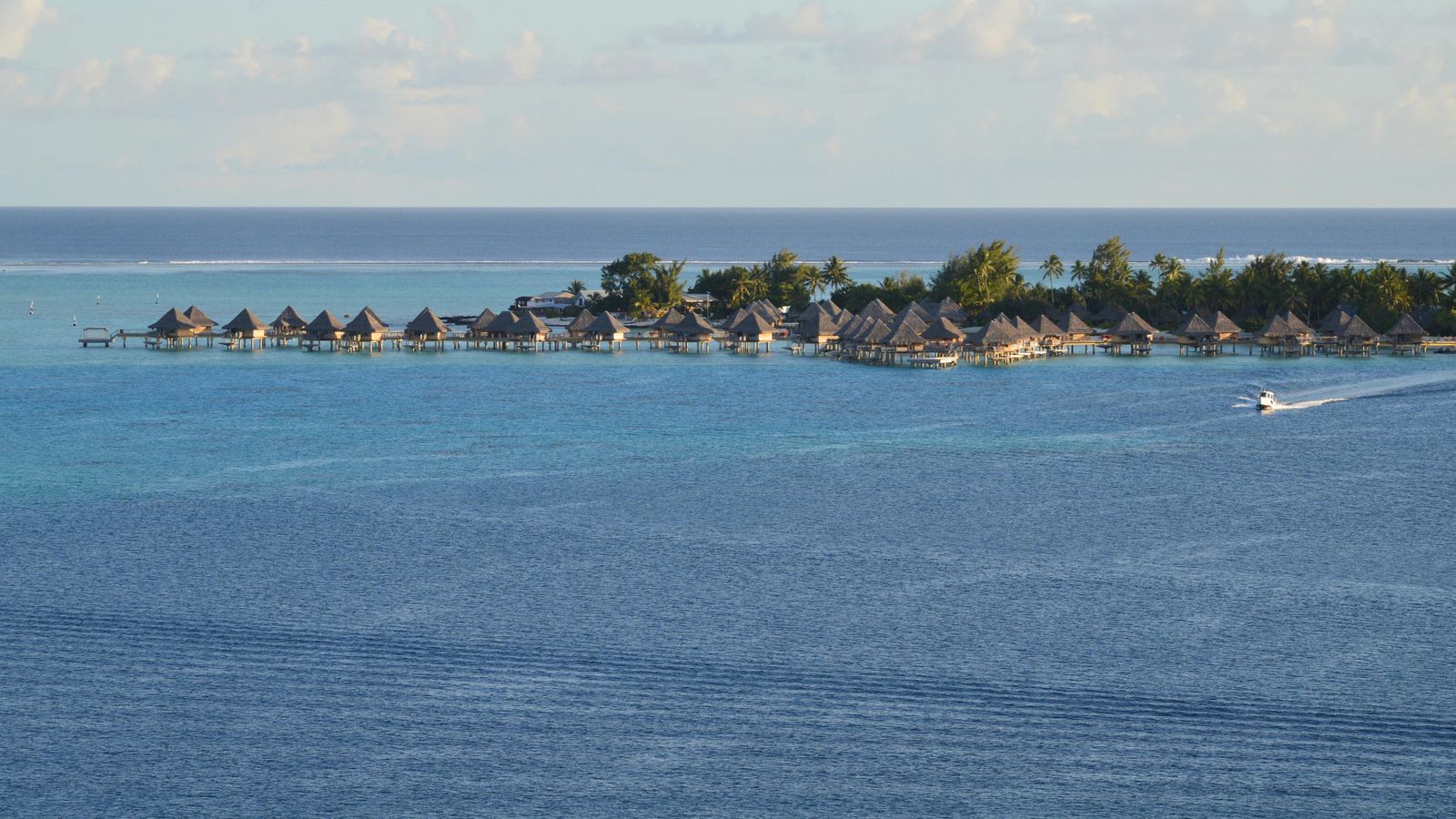
The examples below show different planning environments. They are not ranked and do not guarantee food access.
| Research starting point | Planning angle | Verification priorities |
|---|---|---|
| Australia: Melbourne, Sydney, Brisbane, Adelaide, Perth, Hobart, regional routes | Compare urban bases, domestic flights, rail or road routes, heat, bushfire conditions, and self-catering | Official state and federal travel, transport, weather, park, accommodation, and food-import guidance |
| New Zealand: Auckland, Wellington, Christchurch, Queenstown, Rotorua, regional road routes | Plan for long drives, mountain weather, national parks, campervan facilities, and grocery timing | Road and weather alerts, park rules, accommodation kitchens, tour meals, and biosecurity requirements |
| Australia or New Zealand coastal and island routes | Balance ferries or flights, seasonal service, luggage, food storage, and weather disruption | Operator schedules, cancellation policies, arrival-night food, and island grocery access |
| Fiji, Samoa, Tonga, Vanuatu, New Caledonia, or other Pacific research | Check resort or guesthouse meal planning, imported food, local markets, water guidance, and inter-island movement | Official entry, health, weather, customs, tourism, and accommodation information for the exact island |
| Remote hiking or conservation areas | Design around permitted food, calories, water, waste, wildlife storage, and emergency access | Park or conservation authority rules, weather, track status, hut or campsite facilities, and tour-provider meals |
Treat each row as a research prompt. A destination’s general reputation cannot answer whether your accommodation will provide breakfast, whether a ferry carries suitable food, or whether a trail village has an open grocery store on your arrival day.
Choose a route shape that respects distance
Urban bases with regional day trips
Urban bases can reduce the need to carry food and make grocery research simpler. Choose accommodation near the activities and transport links that matter rather than assuming a large metro area is easy to cross. For a day trip, check the final return, food near the destination, and a plan for a delayed service.
A place may be close by distance but difficult in practice because of hills, road congestion, heat, limited evening transport, or inaccessible stations. Use official transit and road information whenever possible.
Australia or New Zealand road trip
Road trips are popular planning shapes, but the food plan must cover the spaces between towns. Mark supermarkets, fuel or charging stations, picnic areas, accommodation kitchens, public toilets, and remote service gaps. Confirm whether your vehicle has refrigeration, cooking equipment, water storage, and safe food storage.
Do not schedule a restaurant as the only meal at the end of a long drive. Arrive with a permitted backup, check store hours, and leave a buffer for weather, roadworks, fatigue, and wildlife or livestock on roads. The guide How to Plan a Vegan Road Trip can help you build the route around service gaps and recovery points.
Campervan or cabin itinerary
A campervan or cabin can make self-catering easier, but equipment varies. Ask the provider for the actual refrigerator capacity, cooking surface, power, utensils, water, waste, and cleaning expectations. Verify what food can be purchased or carried near campsites and whether local park rules restrict fires, generators, or storage.
Choose meals that are safe for the available equipment. A kettle is not a full kitchen, and a small fridge may not hold several days of food in warm weather.
Island or resort trip: Destination Planning
Island travel may depend on one or two flights or ferries per day. Ask accommodation for specific vegan breakfast and dinner examples, kitchen access, grocery distance, and what happens if transport is delayed. Check whether the resort buys ingredients locally, imports packaged products, or changes menus seasonally. None of these is automatically good or bad; the point is to know what you can verify.
On smaller islands, a “vegan option available” statement may mean a simple side dish rather than a complete meal. Ask about protein, calories, snacks, packed lunches, and drinks before paying a deposit.
Multi-day hike or remote activity
Research the track authority or tour operator. Confirm food weight, calories, water, cooking fuel, waste, food-storage rules, weather, emergency communications, and evacuation arrangements. Do not assume a lodge can provide a nutritionally adequate vegan meal because it can remove meat from a standard plate.
Ask for a written menu or meal plan, including breakfast, packed lunch, dinner, snacks, and protein sources. If the plan is unclear, carry a legal alternative or choose a self-catering arrangement.
Learn the local ingredient and dietary language
English may be widely used in Australia and New Zealand, but menus still contain regional terms and hidden ingredients. Pacific destinations can add additional language and cultural contexts. Learn the words for vegan, vegetarian, dairy, egg, fish, shellfish, meat stock, butter, honey, and gelatin, then add the exact terms relevant to your route.
The How to Say “I’m Vegan” in Another Language guide can help you prepare. For allergies, write a separate medical message that explains cross-contact risk. A vegan label does not automatically tell staff that a trace ingredient is dangerous.
Ask about:
- Dairy and milk powder in bread, sauces, drinks, and desserts
- Egg in pasta, baking, mayonnaise, and coatings
- Fish, shellfish, fish stock, and seafood seasoning
- Butter, animal fat, and shared grills or fryers
- Honey and gelatin
- Cross-contact and equipment cleaning for medical allergies
Save the message offline and keep it concise. A long explanation may be difficult to translate or read during a busy service.
Verify restaurants, hotels, tours, and lodges in layers
Start with first-party information
Read current menus, booking pages, accommodation policies, tour descriptions, and official contact channels. Confirm the address, service days, meal times, cancellation rules, and whether the menu is seasonal. Save the page or reply with its date.
Use independent sources for discovery and operational clues
Recent reviews and community listings can surface possibilities and reveal changes. HappyCow can help discover venues and stores, but a listing is not a guarantee. Do not treat an old review as proof of today’s menu or opening hours.
Ask precise questions before relying on a meal
For a hotel or lodge, ask what the exact breakfast, packed lunch, dinner, and snack would be. For a tour, ask whether food is cooked separately, whether a guide can communicate the request, and what happens if a supplier changes. For a restaurant, ask about stock, sauces, dairy, egg, seafood, honey, and shared equipment.
Keep a record of who replied and when. Reconfirm important arrangements shortly before arrival.
Plan groceries and packaged food
Groceries are essential for early flights, long drives, track days, ferry delays, and remote accommodation. Use supermarket websites and local maps to identify shops, then confirm hours close to the trip. In small communities, an online listing may not reflect seasonal operation.
A flexible list can include:
- Oats, bread, wraps, rice, or another reliable carbohydrate
- Beans, lentils, tofu, or another protein source where available
- Fruit and vegetables
- A spread, shelf-stable drink, or packaged meal
- Nuts or seeds when suitable for your health and the route
- Snacks that can withstand temperature and movement
- Hydration supplies consistent with local guidance
Do not assume food can cross the border simply because it is vegan. Australia and New Zealand have strict biosecurity systems, and Pacific islands can have their own import controls. Fresh produce, seeds, nuts, homemade foods, animal products, soil, and outdoor equipment may require declaration, inspection, treatment, or disposal.
For Australia, consult Australian Border Force information on what can be brought in. For New Zealand, consult MPI guidance on arriving items to declare. These are starting points; the exact rules depend on the product, origin, packaging, and route.
Current biosecurity check: A food being vegan does not make it automatically admissible. Before packing snacks, seeds, fresh produce, homemade food, boots, tents, bikes, or other outdoor gear, check the exact country and arrival-card rules. Declare when required and follow inspection or disposal instructions.
Plan airline, ferry, coach, and rail food
For flights, use the airline’s official special-meal process, request early, save the confirmation, and recheck before departure. Carry a permitted backup because meal loading and route operations can change. See How to Request a Vegan Meal on a Flight.
For ferries, ask about onboard menus, refrigeration, luggage, boarding time, cancellation, and weather disruption. For coaches and trains, check the operator’s food, luggage, and accessibility information. Long transfers can leave you without a suitable meal even when both origin and destination have options.
Use this transfer table:
The table is a planning tool, not permission to bring any particular food through a border or onto an operator.
Check biosecurity, customs, and outdoor rules separately
Biosecurity is one of the most important distinctions in Oceania travel. A food’s vegan status does not determine whether it can enter a country. The same applies to hiking boots, tents, camping gear, seeds, and outdoor equipment that may carry soil or pests.
Before travel, check:
- Visa, passport, and entry requirements
- Arrival cards and declaration obligations
- Food, plant, seed, and animal-product rules
- Cleaning requirements for boots, tents, bikes, and outdoor equipment
- National-park or conservation-area restrictions
- Fire, fuel, water, and waste rules
- Ferry, flight, and inter-island luggage requirements
- Weather, cyclone, flood, bushfire, and road alerts
For current health planning, use the World Health Organization travel advice, CDC Travelers’ Health, and relevant national or local health authorities. For Australian travel advice, Smartraveller is an official starting point. New Zealand’s SafeTravel provides official travel-advice information for New Zealanders and can be useful as a source map, but travelers should also consult the authorities relevant to their own nationality.
Match accommodation to remoteness and weather
In a major city, a hotel room near a supermarket may be enough. In a remote area, you may need a full kitchen, water storage, heating or cooling, refrigerator capacity, and a plan for road closure. Ask precise questions before booking.
- What cooking equipment is actually provided?
- Is there a fridge and freezer large enough for the planned stay?
- What vegan meals, snacks, and drinks are available?
- Can food be prepared separately for allergies?
- Is the nearest store open on your arrival day?
- What happens if a ferry, road, or flight is delayed?
- Are there accessible entrances, bathrooms, beds, and paths?
- Is there safe food storage for wildlife or pests?
Do not treat “dietary requirements catered for” as a menu. Request examples and keep the reply. Reconfirm close to arrival when supply chains and seasonal menus may change.
The Vegan Travel Resources hub can help organize official sources, food discovery, and communication tools. The Vegan City Break Guide is useful for urban stays, while remote itineraries need additional checks for supplies, weather, and emergency access.
Use official weather, road, park, and transport information
A general weather app is not enough for a long road or island route. Check national meteorological services, state or regional alerts, park authorities, and transport operators. Conditions can affect whether you reach a shop, whether a ferry runs, whether a trail is open, and whether packed food remains safe.
Build a daily route with:
- Travel distance and realistic time
- Fuel or charging points
- Grocery and water stops
- Meal locations and storage
- Restrooms and rest areas
- Weather-sensitive activities
- A shorter alternative day
- A safe place to stop if conditions deteriorate
Do not continue a route simply because a reservation exists. A flexible itinerary is safer and easier to feed.
Include accessibility and health in every transfer
Accessibility is a chain, not a room feature. Check the airport, vehicle, station, ferry, hotel, trail, restaurant, bathroom, and activity. Ask for specific information when the website is vague. Remote destinations may have fewer options if equipment fails or a transfer is inaccessible.
For health, consider sun, heat, cold, dehydration, insects, altitude, water, medication, food safety, and emergency access. Seek personal medical advice when needed. Vegan travel planning should support health requirements, not replace them.
If you have allergies or a condition requiring predictable nutrition, assess the nearest medical facility, the reliability of food labels, the ability to self-cater, and the length of remote transfers before choosing a route.
Make the trip responsible beyond vegan food
Responsible destination planning includes local residents, workers, animals, landscapes, and resources. Use local businesses where practical, follow park and cultural guidance, reduce unnecessary backtracking, and choose lower-impact transport when it fits safety and access needs.
Treat wildlife encounters carefully. Do not assume a sanctuary, swim, photo opportunity, or animal feeding activity is ethical because it uses conservation language. Check the operator’s animal-contact policy, governance, and independent evidence.
The Global Sustainable Tourism Council Destination Criteria is a useful framework for resident benefit, cultural heritage, accessibility, animal welfare, waste, water, and destination management. It is not a guarantee about any individual operator.
Score routes for resilience
Give each candidate route a zero, one, or two for food access, groceries, self-catering, transport, remoteness, accommodation, biosecurity fit, weather risk, accessibility, health support, and recovery options. Zero means unclear or unsuitable, one means workable with added planning, and two means strong current evidence.
Weight the categories that matter most. A campervan route may need extra weight for groceries, food storage, roads, and park rules. A resort stay may need extra weight for written menus and island transport. A hike may need extra weight for calories, water, emergency access, and track status.
This is your personal decision tool. It is not a claim that one country, city, or island is objectively better.
A practical Oceania planning timeline
Two to four months before travel
Define the route, check entry and biosecurity rules, choose the transport mode, and decide how remote you can realistically travel. Book only after understanding the food and equipment situation.
Four to eight weeks before travel
Reserve accommodation, flights, ferries, tours, or vehicles. Contact properties and activity providers with precise dietary questions. Request airline meals and check vehicle or campervan equipment.
Two to four weeks before travel
Recheck menus, grocery access, road and ferry schedules, park status, weather patterns, and cancellation terms. Save official sources offline.
Final week: Destination Planning
Check arrival-night food, declared items, biosecurity requirements, flight meal confirmation, weather alerts, and road or trail status. Clean outdoor gear if required and do not pack restricted items casually.
During Travel: Keep the Backup Flexible
Check same-day conditions, keep the backup plan accessible, and adjust the route when an official warning changes the risk. A shorter day can protect both safety and food access.
Mistakes to avoid in Oceania
- Underestimating driving distances and food gaps
- Assuming a small island has the same supply chain as a capital city
- Treating a resort’s dietary promise as a complete menu
- Packing food or outdoor gear without checking biosecurity rules
- Forgetting that ferry and flight delays can remove the next meal
- Choosing a campervan without confirming the actual kitchen and fridge
- Planning remote hikes without calories, water, and emergency information
- Ignoring heat, storms, bushfires, cyclones, or road closures
- Treating an old review or a directory listing as current proof
- Using a country or city example as an unsupported ranking
Frequently Asked Questions
Is Oceania easy for vegan travel?
Urban areas may offer different planning options from remote roads, islands, parks, and lodges. The key factors are distance, groceries, self-catering, communication, weather, and the quality of direct confirmation. There is no single answer for the whole region.
Which Oceania destinations should I research first?
Australia, New Zealand, and Pacific island destinations can all be research starting points. Examples include Melbourne, Sydney, Brisbane, Hobart, Auckland, Wellington, Christchurch, Queenstown, Fiji, Samoa, Tonga, and Vanuatu. This guide does not rank them or guarantee current vegan availability.
Can I bring vegan food into Australia or New Zealand?
Maybe, depending on the product, packaging, origin, and route. Both countries have strict biosecurity systems. Check official rules before packing, declare items when required, and do not assume vegan means admissible.
How do I plan a vegan campervan trip?
Confirm the vehicle’s refrigerator, cooking surface, cookware, water, power, storage, and waste systems. Map supermarkets and service gaps, plan food for remote days, and follow park and wildlife-safe storage rules.
How should I handle a remote lodge or tour meal?
Ask for exact breakfast, lunch, dinner, snack, and protein examples in writing. Ask about cross-contact and supplier changes. Reconfirm before travel and carry a legal self-catering alternative when permitted.
What if a ferry or flight is canceled?
Use your delay plan: permitted food, accommodation or kitchen facilities, a grocery location, flexible booking terms, and the next available transport. Avoid scheduling the only meal immediately after arrival.
Do I need a local-language vegan card?
It can help, especially in Pacific destinations or when menus use local terms. Save a concise message offline and create a separate allergy statement if needed.
How do I plan food for a hike?
Calculate meals, snacks, protein, water, cooking fuel, storage, waste, and emergency time. Check track or park rules and do not rely on a lodge or hut to provide a complete vegan menu without written confirmation.
Where should I continue planning?
Use the Destinations hub to compare route ideas, Vegan Trip Planning for the full preparation sequence, and Vegan Travel Resources to match each question with an official or independent source.
5P Position And Plan
Position: A practical Oceania framework that accounts for long distances, island or regional connections, biosecurity, and limited backup density outside major cities.
Plan: Build an Oceania itinerary with transport buffers, destination-specific food research, and at least one shelf-stable or verified backup for each long travel leg.
Useful Sources And Verification
Use the official authority for your nationality, destination, route, operator, park, and food or equipment item. This article uses regional examples as research starting points and makes no destination ranking.
- Tourism Australia for broad destination-planning starting points, followed by state, territory, transport, park, and business sources.
- Australian Border Force: Can you bring it in? for food and other import questions.
- 100% Pure New Zealand for broad route research, followed by official regional and transport information.
- New Zealand Ministry for Primary Industries arrival guidance for biosecurity and declaration questions.
- Smartraveller, SafeTravel, World Health Organization travel advice, and CDC Travelers’ Health for travel-health and safety starting points.
- HappyCow for independent venue discovery, followed by current first-party checks and the relevant customs, tourism, weather, transport, park, and public-health authorities.