Vegan Pantry Staples for Travel
Affiliate disclosure: This guide may contain affiliate links. If you buy through a qualifying link, the site may earn a commission at no additional cost to you. Recommendations are organized around transparent label, storage, portability, and verification criteria rather than undisclosed sponsorships. No product was personally tested for this article.
Updated 15 October 2026. Recheck ingredient labels, allergen statements, storage directions, expiry or best-before details, transport restrictions, and destination rules before travelling.
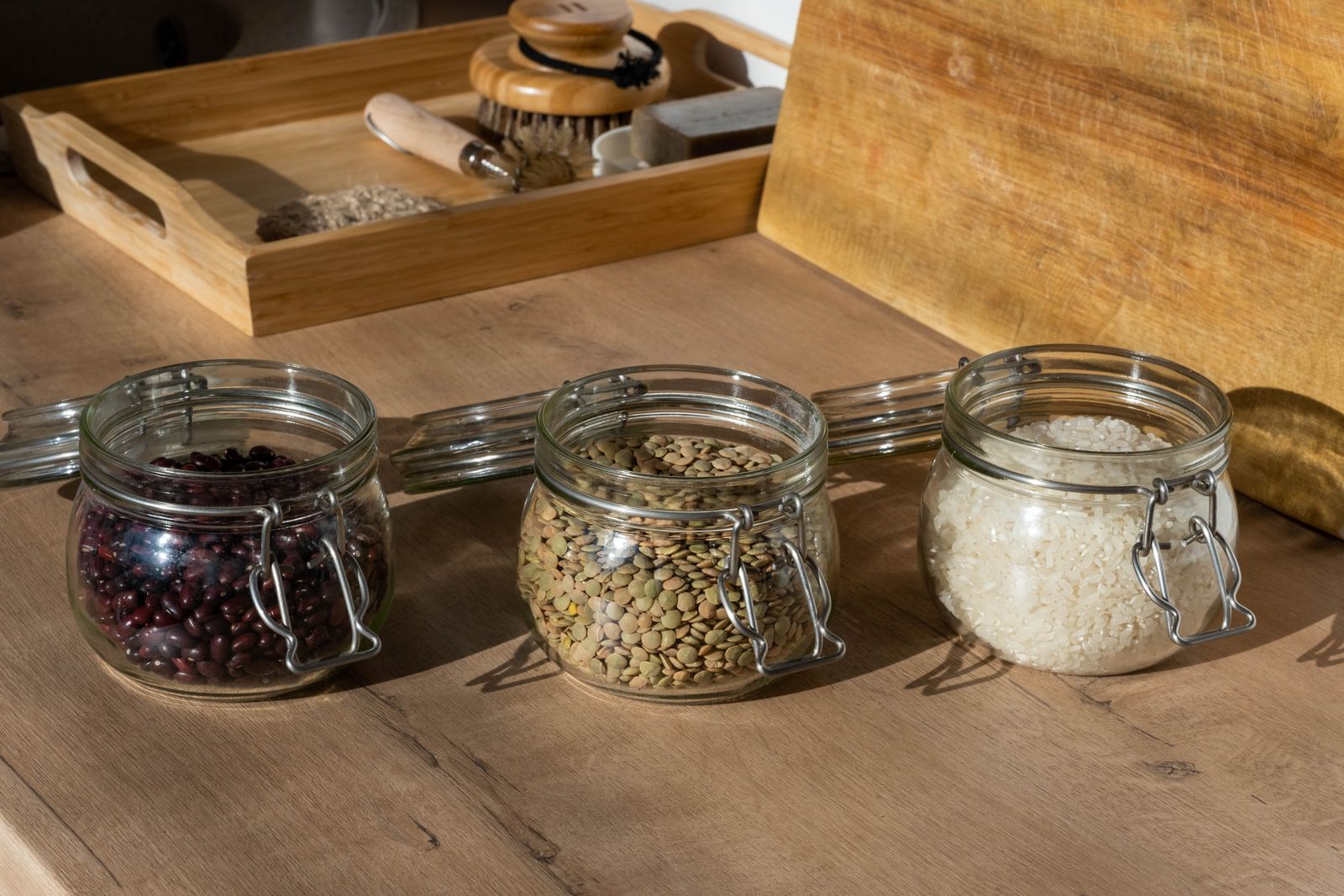
Featured image credit: Beans, lentils, and rice in storage jars. Photo: Ron Lach via Pexels.
Direct answer: which vegan pantry staples are best for travel?
The best vegan pantry staples for travel are shelf-stable, clearly labelled foods that can be combined into more than one meal, fit your transport method, tolerate your storage conditions, and have a realistic backup at your destination. A practical kit may include grains, instant oats, beans or lentils, nut or seed butter, crackers, dried fruit, spices, shelf-stable plant milk, instant soup, and compact snacks. The exact list should change for a flight, road trip, hotel room, hostel, or apartment stay.
Do not treat a pantry kit as a fixed product ranking. Verify the exact ingredients, allergen statement, package size, storage directions, expiry or best-before information, and destination rules. Brand names can be helpful starting points, but current inventory, prices, and availability need a live check.
The pantry-staples decision framework
Use a “one bin, three meals” test before packing. If the food in one container can create at least a breakfast, a portable lunch, and a simple dinner, it is earning its space. If an item has only one use, pack a small portion or buy it locally. The goal is not to create a perfect emergency pantry; it is to create options that remain useful when schedules, stores, and equipment change.
1. Build around meals, not random snacks
Start with three or four meal templates you can actually assemble. For example, oats plus plant milk plus seeds can cover breakfast; instant grains plus beans plus seasoning can cover lunch; crackers plus spread plus dried fruit can cover a snack; and noodles plus a shelf-stable sauce can cover dinner. This prevents an overpacked bag full of foods that do not combine well.
2. Choose shelf stability that matches your route
Shelf-stable does not mean indestructible. Some foods tolerate room temperature unopened; others require refrigeration after opening. Read the package directions. If a product is sensitive to heat, moisture, crushing, or contamination, protect it accordingly. Do not transfer foods into unlabelled bags if that would remove allergen or storage information.
3. Make allergens visible
List your personal exclusions before shopping. Check every label, including familiar products. Nut and seed butters, snack bars, crackers, spice blends, instant noodles, and sauces can contain unexpected ingredients or cross-contact statements. If you have a severe allergy, follow your medical plan and use the manufacturer’s current information.
4. Prioritize multi-use ingredients
A pantry staple earns space when it can support multiple meals. Oats can be breakfast or a thickener; chickpeas can become a salad, mash, or snack; tortillas can hold beans, nut butter, or vegetables; and seasoning can make repetitive foods more appealing. Multi-use foods reduce waste and help when destination inventory is uncertain.
5. Plan the first and last meal
Pack food for the first meal after arrival and the last meal before departure. This protects you against late check-in, closed shops, delayed luggage, or an unexpected schedule. Then add flexible ingredients for the middle of the trip.
Comparison table: pantry categories for travel
A practical pantry list by travel setting
Keep a distinction between dry storage and ready-to-eat food. Dry ingredients can stay in a protected bin, while opened ready-to-eat foods may need refrigeration. If you are moving between locations, divide the kit into a “day bag,” “main bin,” and “arrival box.” The day bag covers delays, the main bin covers routine meals, and the arrival box is opened first. This system makes inventory easier and reduces the chance that a critical item is buried in luggage.
Flights and carry-on travel
Choose compact, sealed, clearly labelled items that fit the applicable security and border rules. Powdered ingredients, bars, crackers, instant oats, tea, and small sealed spreads may be practical, but liquid and gel rules can apply. Check the official airport and destination rules rather than relying on a social post. Carry a small first-meal kit and buy bulky items after arrival if the destination grocery plan is reliable.
Road Trips: Pantry and Resupply Basics
A car gives you more space but introduces heat, movement, and variable access to refrigeration. Use a sturdy food bin, separate fragile packages, and bring a cooler when you need chilled food. Larger bags can be economical but may go stale after opening, so portion them into labelled containers without discarding the original information. See how to plan a vegan road trip for route-level planning.
Hotels: Pantry and Storage Basics
Prioritize foods that need little equipment: oats, instant grains, nut or seed butter, crackers, fruit, beans with pull tabs, microwave rice where permitted, and simple seasonings. Confirm whether you have a kettle, microwave, refrigerator, or none of these. The hotel room vegan recipes guide can help turn pantry basics into complete meals.
Hostels and shared kitchens
Choose sealed portions, label your shelf and refrigerator items, and bring a reusable utensil kit if allowed. Shared kitchens increase cross-contact risk and make storage uncertain. Keep allergen-sensitive foods in a separate container and clean surfaces before use.
Apartments and longer stays
Buy a core kit at home and replenish locally. Use the first grocery shop to add fresh produce, bread, refrigerated foods, and regional ingredients after checking labels. Do not assume that an imported brand will be available. A local equivalent can work when the ingredient and allergen evidence are clear.
Category guide: what to pack and why
Oats and breakfast grains
Instant oats are compact, flexible, and easy to portion. They can be prepared with hot water or plant milk, but check the exact instructions. Some travelers need certified gluten-free labeling, while others simply need a vegan ingredient list. Add seeds, dried fruit, cinnamon, or a verified spread. For a no-cook option, use a shelf-stable format only if the label and your storage plan support it.
Rice, couscous, quinoa, and instant grains
Fast grains can become bowls, side dishes, or a base for beans. Check whether the package requires boiling water, microwave use, or a specific cooking time. A hotel room without equipment may require an alternative. Single-serving packages can reduce leftovers, while multi-serving bags may be better for an apartment.
Beans, lentils, and chickpeas
Shelf-stable legumes provide flexible meal structure. Cans are robust but heavy; pouches can be lighter but may be easier to damage. Choose packaging that fits your route and check whether you need a can opener. After opening, follow the storage instructions and do not keep leftovers at room temperature without clear guidance.
Nut and Seed Butters: Label and Storage Checks
Nut and seed butters are useful on oats, toast, crackers, fruit, and wraps. They can also create allergen issues and leakage. Choose sealed packaging, review the ingredient list, and protect the container from heat. If traveling by air, check the current rules for spreadable foods and package sizes.
Crackers, tortillas, and bread substitutes
These turn separate ingredients into a meal. Compare package size, breakage risk, moisture sensitivity, and ingredient transparency. Tortillas can flatten in luggage; crackers can crumble; gluten-free products may require special handling. Use a rigid food box for delicate items.
Dried fruits and vegetables
Dried produce is compact and can add sweetness, texture, or quick energy. Check added sugars, sulfites or other preservatives if they matter to you, and the package’s allergen statement. Do not assume a trail mix is safe simply because it contains fruit; it may include nuts, seeds, chocolate, or shared-facility warnings.
Roasted legumes and seed snacks
Roasted chickpeas, peas, beans, and seeds can be useful snack or topping ingredients. Choose sealed packs, compare the current label, and protect them from humidity. If the package is resealable, still follow the storage instructions after opening.
Shelf-stable plant milk and powders
Plant milk can support oats, coffee, and simple recipes. Use the dedicated non-dairy milk guide for a deeper decision, while keeping this pantry checklist focused on shelf-stable categories. A small carton may reduce leftovers; powder may reduce volume but require safe water and clean mixing equipment.
Sauces, spices, and flavor boosters
A small set of seasonings can keep a repetitive pantry interesting. Choose dry spices when transport rules and leakage are concerns. If you pack sauces, use secure containers and check liquid restrictions. Read blends for dairy-derived ingredients, honey, fish-based flavorings, or allergen cross-contact when relevant.
Protein powders and supplements
Protein powder can be useful, but it should not be treated as a meal replacement unless it fits your personal nutrition plan. Read the exact ingredient and allergen information. For a deeper packing approach, see vegan protein powder for travel. Keep powders labelled and follow transport guidance.
Label, packaging, and verification checklist
A small inventory note can prevent duplicate purchases. Record the item, quantity, allergen status, storage rule, and first intended meal. Re-check the note after opening a package because the remaining amount and storage conditions have changed. When the trip ends, use or donate unopened foods responsibly where local rules allow rather than carrying an unnecessary surplus.
Before shopping:
- Write your allergies, exclusions, and preferred certifications.
- Decide whether you have hot water, a microwave, a refrigerator, or no equipment.
- Estimate meals and servings rather than shopping by impulse.
- Check destination import and transport rules for food.
- Choose a primary item and one category-level backup.
At the store or official product page:
- Read the full ingredient list.
- Read the current allergen statement and cross-contact note.
- Check package integrity, size, and storage directions.
- Confirm whether the product needs refrigeration after opening.
- Note the current best-before or use-by information.
- Verify the exact product at a current retailer or manufacturer page.
At the destination:
- Keep foods sealed until needed.
- Label opened packages with the date when useful.
- Protect dry foods from moisture, pests, heat, and crushing.
- Refrigerate leftovers as directed.
- Replace any item that is damaged, swollen, leaking, or impossible to identify.
Pantry planning table: a simple seven-meal system
The point is not to eat the same meal every day. It is to make sure every item has a job and that you can recover when one ingredient is unavailable.
How to shop locally without losing control
At the destination, start with the official or well-established grocery channel available to you, then inspect the package itself. Search by category rather than by one brand: “instant oats,” “canned chickpeas,” “seed butter,” or “shelf-stable plant milk.” Compare the label in the local language when necessary. If you cannot verify an ingredient or allergen statement, choose a simpler item or ask a qualified local source.
Take photographs of useful labels for your records, but do not assume the next package will match. Product formulas, package sizes, and local inventory can change. Treat availability as a date-specific fact. If a store is out of the exact item, use your category-level backup instead of improvising with an unknown product.
Common Travel Mistakes to Avoid
Packing only ingredients that require refrigeration
This can leave you without food after a power outage, delayed arrival, or full hotel refrigerator. Carry shelf-stable backups.
Forgetting utensils and opening tools
A can opener, spoon, sealable bag, or clean bottle can be more important than one extra snack. Pack only what transport rules allow.
Removing labels too early
Unlabelled food is hard to verify and can create allergy confusion. Keep original packaging or retain a clear ingredient record.
Treating “natural” as a dietary guarantee
Marketing language does not replace an ingredient list or allergen statement.
Buying too much of one item
Large packages may be cheaper but can become stale or wasteful in a short stay. Match quantity to servings and storage.
Ignoring non-leather packing needs
A food bin, toiletry pouch, or bag may include materials you want to avoid. Use non-leather luggage for vegan travelers and vegan travel toiletries as part of the same materials check.
Frequently asked questions
What are the most important vegan pantry staples for travel?
Choose a flexible breakfast base, a shelf-stable protein or legume, a grain or bread substitute, a spread, a flavor builder, and backup snacks. The exact products depend on allergies, equipment, route, and storage.
How do I keep pantry food safe in a hot car?
Follow package directions, protect foods from direct sun and excessive heat, and avoid leaving heat-sensitive items in a parked vehicle. Use a cooler where required and replace damaged or questionable packages.
Can I bring canned food on a plane?
Rules vary by origin, destination, security authority, and package contents. Check official guidance before departure and consider buying heavy items after arrival.
What should I pack for a hotel with no kitchen?
Start with no-cook or hot-water options, then confirm the room’s actual equipment. Oats, crackers, fruit, spreads, ready-to-eat legumes, and simple snacks can be useful, but always check labels and storage.
How can I make pantry meals less repetitive?
Use a small rotation of sauces, spices, textures, and meal formats. Change the base, add a fresh local ingredient, or turn the same components into oats, a bowl, a wrap, or a snack plate.
Are all pantry staples automatically vegan?
No. Some breads, crackers, instant noodles, sauces, bars, and spice blends can include dairy, honey, fish-derived ingredients, or unclear flavorings. Read the current label.
Final recommendation and measurable plan
The measurable outcome is a compact pantry kit that covers the first meal, two flexible meal templates, and one delay or destination-shopping backup. For every item, keep a current label check, storage plan, and serving estimate. Before departure, remove anything you cannot identify or safely store.
A strong pantry plan is modular. Start with categories, verify exact products, and add local food only after checking the package. Pair the list with best vegan travel snacks, vegan travel gear, and how to plan a vegan road trip so your food strategy matches your luggage, route, and equipment. Do not publish a static claim about inventory or prices; re-check them on the date of purchase.
How to build a 72-hour vegan travel backup kit
A short backup kit should protect you from delays without becoming a second suitcase. Start by estimating the longest realistic gap between reliable meals, then choose foods that can be eaten in more than one combination. A shelf-stable drink, oats or cereal, nut or seed butter, crackers or tortillas, dried fruit, roasted beans, and a clearly labeled ready-to-eat protein can cover several situations without requiring a kitchen.
Divide the kit into three groups. The first is immediate food for a delayed flight, late arrival, or missed connection. The second is flexible meal-building food for a room, office, or roadside stop. The third is a small comfort and flavor group such as tea, seasoning, sauce sachets, or a familiar snack. Pack the first group where it is easy to reach, and keep the packaging sealed until you need it.
Before crossing a border, check the destination authority’s rules for fresh produce, seeds, homemade food, and opened packages. Before entering an airport checkpoint, check the relevant security authority for liquids, gels, spreads, powders, and frozen items. The fact that a food is vegan does not automatically make it admissible everywhere.
Finally, label your own kit with purchase dates and storage instructions. Use the food that is closest to its quality limit first, replace damaged packaging, and do not carry an item merely because it is theoretically useful. A good backup kit is small, legible, safe to store, and easy to explain to a travel companion or border officer.