
Vegan Travel in Europe: Routes, Food & Backup Planning
Vegan travel in Europe works best when you plan a connected route rather than chase a fixed list of “most vegan” cities. Choose countries that match your passport and transport needs, keep the number of bases realistic, and verify food at the neighborhood or station level. Then add grocery backups, local-language ingredient questions, accommodation checks, and a plan for strikes, delays, public holidays, seasonal closures, and border changes.
Short answer: Plan vegan travel in Europe as a route-and-backup problem, not a ranking exercise. Choose a realistic number of bases, verify food and transport at local level, check country-specific entry rules, and carry a permitted meal or grocery fallback for every long transfer.
Updated 26 October 2026. Recheck current entry rules, rail and flight schedules, menus, opening hours, strikes, public holidays, and local restrictions before travelling.
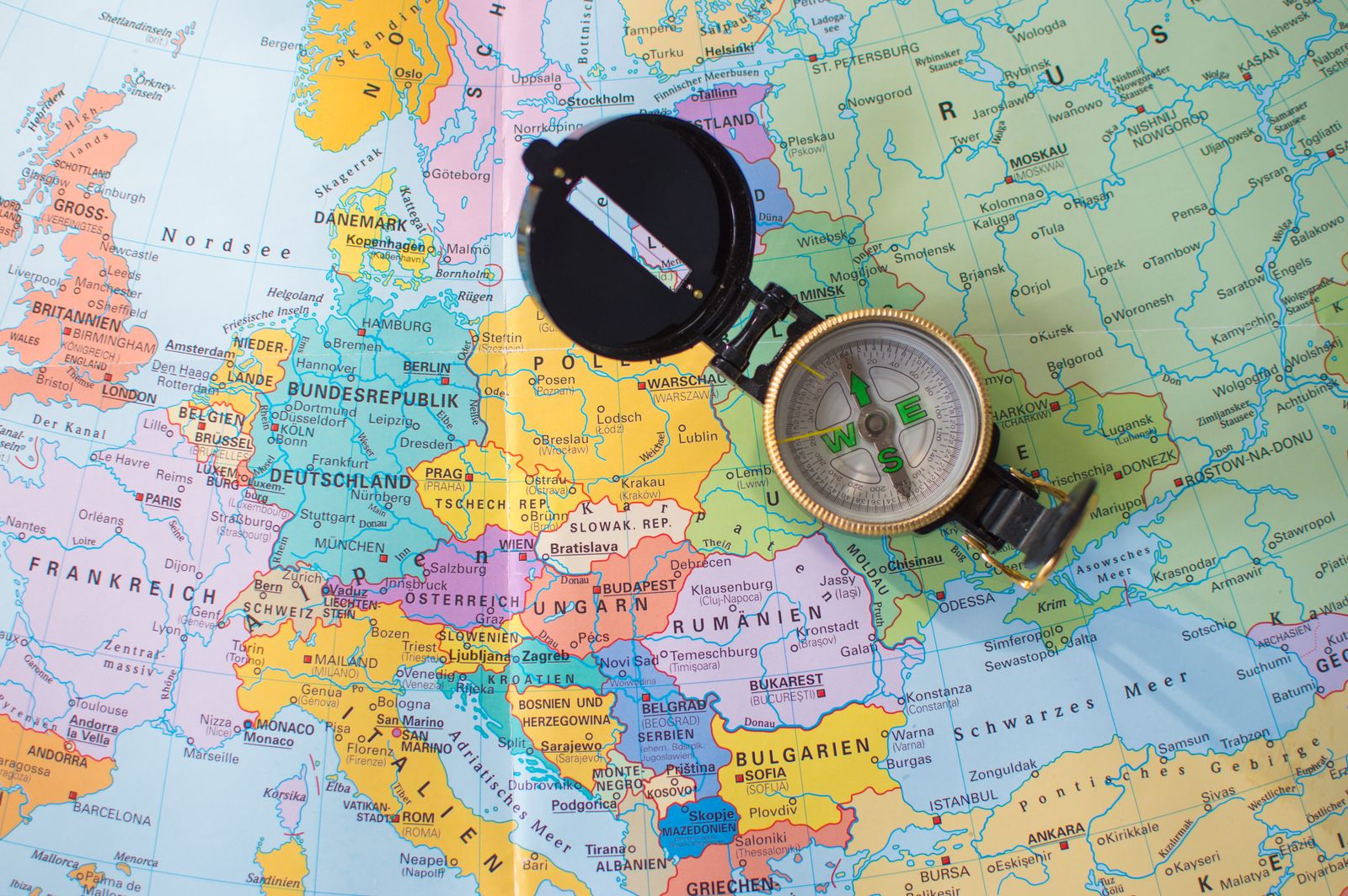
Featured image: Compass on a map of Europe. Photo: Aliaksei Lepik via Pexels.
This article is a regional planning hub, not a city guide or ranking. The countries and cities named here are research starting points only. They do not represent a guarantee of restaurant availability, a permanent level of vegan choice, a price claim, or a firsthand report. Menus, business hours, rail services, entry requirements, and local rules change. Confirm important details with official authorities and current first-party information before you pay for a trip.
Commercial disclosure: This guide contains no paid placement, sponsored recommendation, or affiliate link. Any booking, ticket, or product decision should be made from current official terms.
What you’ll find in this guide
Set the trip scope · Start with the route · Define the brief · Compare route shapes · Research food · Verify venues · Choose accommodation · Plan transfer meals · Check borders · Check access and health · Use the timeline · Read the FAQs
Location: Europe
Trip scope: This regional guide covers travel across European countries and route types, including city breaks, rail journeys, road trips, islands, and multi-country itineraries. Europe is not one uniform travel system: passport rules, border controls, currencies, transport operators, food terminology, public holidays, and accessibility standards can differ by country.
Official location and route starting point: Use the Your Europe travel portal for country-specific travel-document and passenger-rights starting points, then open the relevant national immigration, transport, customs, health, and tourism authority pages for your exact route. For rail disruption and assistance questions, check EU rail passenger-rights guidance. Recheck every changing requirement close to departure.
The direct answer: how to plan vegan travel across Europe
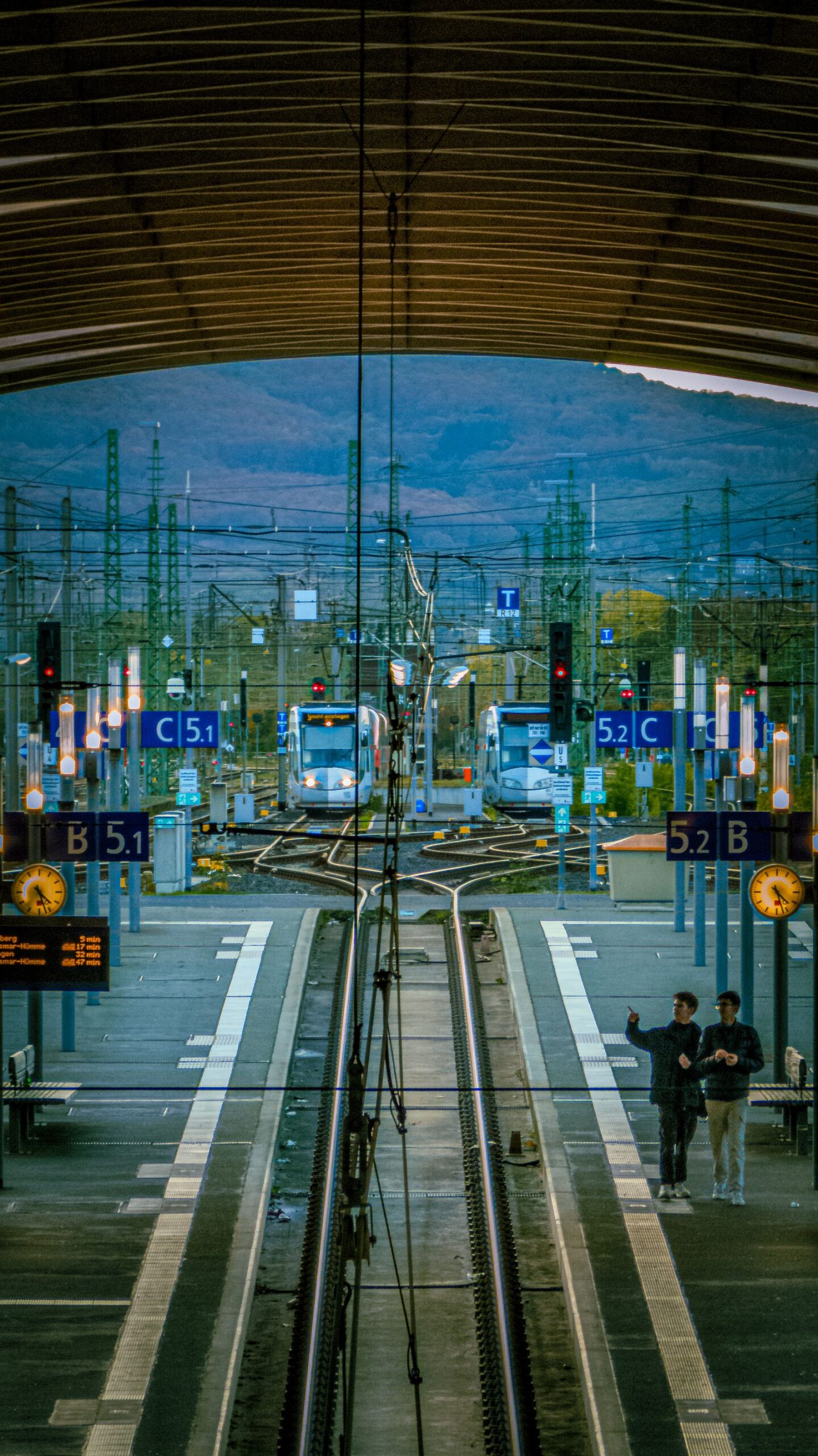
Start with a route that is easy to verify and easy to recover when something changes. A reliable process is:
- Define whether your trip is a city break, rail journey, road trip, coastal holiday, hiking trip, or multi-generational visit.
- Select no more than two or three serious route options based on passports, season, travel time, and accessibility.
- Use official government and transport sources for entry rules, rail or ferry information, disruptions, and health guidance.
- Map your food around accommodation, attractions, stations, and border crossings rather than using country-level labels.
- Check what “vegetarian,” “vegan,” “plant-based,” and local dietary terms mean in each language and food context.
- Contact hotels and essential venues with specific questions about breakfast, ingredients, shared kitchens, and cross-contact.
- Plan groceries and a permitted transport-day meal for every long transfer.
- Recheck schedules, menus, reservations, weather, and entry requirements shortly before departure.
Europe can make multi-country travel feel simple because distances may look short and rail networks are extensive. The hidden complexity is that every border, operator, language, currency, public holiday, and local menu can add a separate verification task. A slower route with fewer transfers is often more useful than a longer list of stops.
Define your Europe trip before researching food
The phrase “vegan Europe” can mean a weekend in one capital, a month-long rail trip, a Mediterranean island route, or a rural driving holiday. Make the food plan match the trip rather than choosing a route based on a generic destination article.
Write down your answers to these questions:
- How many nights can you spend in each base without feeling rushed?
- Is breakfast the most important meal, or are you comfortable buying groceries?
- Do you want regional dishes, modern plant-based food, bakeries, markets, or simple reliable meals?
- Will you travel inside the Schengen Area, across non-Schengen borders, or through the United Kingdom and Ireland?
- Do you need step-free routes, accessible accommodation, low walking distances, or predictable rest stops?
- Do you have allergies or medical food requirements that need more than a vegan label?
- Will you travel during a major holiday, festival, winter season, or peak summer period?
- Are you prepared to eat early when kitchens close earlier than you expect?
A one-sentence brief could be: “I want a ten-day rail route with two bases, a verified breakfast plan, one regional-food meal in each country, and no transfer longer than half a day.” That is specific enough to guide decisions without dictating a destination.
Use research starting points, not destination rankings

The following examples illustrate different planning questions. They are not recommendations or a ranking. Research the exact places that fit your route and then verify current food, transport, and access information.
| Research starting point | Planning questions | What must be verified |
|---|---|---|
| France: Paris, Lyon, Marseille, regional rail routes | How will restaurant research fit around long lunches, markets, regional trains, and accommodation location? | Current menus, service days, local-language ingredient terms, rail reservations, and station connections |
| Germany: Munich, Hamburg, Cologne, smaller rail-connected bases | Can the route use official rail information and maintain grocery backups on Sundays or holidays? | Operating calendars, rail disruptions, menu labeling, accommodation breakfast, and local transport |
| Italy: Rome, Milan, Bologna, Florence, regional routes | How will you verify sauces, pasta fillings, cheese, egg, stock, and regional specialties? | Dish ingredients, reservation policies, train connections, heat, and late-arrival food |
| Portugal or Spain: Lisbon, Porto, Madrid, Barcelona, coastal or inland routes | Will you base in one city, use rail, or combine urban and rural stops? | Seasonal hours, regional transport, grocery access, heat, and accommodation meal details |
| Nordic countries: Copenhagen, Stockholm, Helsinki, Oslo, regional nature routes | How will you handle distances, daylight, weather, self-catering, and a higher need for advance planning? | Official transport, weather, opening dates, accommodation kitchens, and current menus |
| United Kingdom and Ireland: Manchester, Edinburgh, Dublin, regional routes | Can you build a flexible rail or coach route with easy language communication and supermarket options? | Current operator schedules, border or entry requirements, venue hours, and accommodation breakfast |
| Central and Southeast Europe: Prague, Vienna, Budapest, Ljubljana, Zagreb, Athens, or connected regions | How will language, cashless payments, cross-border transport, and regional ingredient terms affect the route? | Official entry rules, current transport, menus, local dietary wording, and rural connections |
A research starting point is useful because it tells you what to investigate. It is not evidence that a city is universally easy for vegan travelers. The strongest fit depends on your dates, route, accommodation, health, language, and appetite for self-catering.
Choose a European route shape
One country, several bases
This structure lowers border complexity and gives you time to learn the local food vocabulary. It works well for first-time long trips, travelers with allergies, and itineraries that need rest. Select bases connected by a dependable operator and keep at least one grocery and one meal option near each station or arrival point.
Do not assume every rail-connected town has suitable food late in the day. Research the arrival meal before booking a late train. If the area is seasonal, check whether the restaurants you found are open during your travel month.
A two-country rail route: Destination Planning
Two neighboring countries can create a satisfying contrast without constant packing. Use official rail operators or recognized timetable systems to understand reservations, seat requirements, transfer times, and disruptions. Check passport and border rules even where border controls are normally limited, because route, nationality, and travel document requirements vary.
Keep the first evening in each country simple. A grocery stop and a confirmed nearby meal are better than a complicated reservation after a delayed transfer.
A hub-and-spoke trip: Destination Planning
Choose one base with transport connections and make selected day trips. This reduces accommodation changes and lets you keep a familiar grocery plan. For every day trip, verify the last return, station access, food near the destination, and a fallback if the return is delayed.
A day trip is too ambitious when the entire plan depends on a single seasonal café or the final train of the night.
A road or campervan route
Road trips shift the planning burden from station geography to driving time, parking, refrigeration, cooking, and grocery access. Map supermarkets, fuel or charging points, rest areas, accommodation kitchens, and longer stretches without services. Check restrictions on camping, fires, overnight parking, and food crossing national borders.
A vehicle does not remove the need for food research. It can make remote self-catering easier, but it can also create long gaps between meals if the daily distance is too ambitious.
Research European food by hidden ingredients
European menus may use butter, cream, cheese, egg, honey, gelatin, lard, fish stock, anchovy, meat broth, or animal-derived sauces even when a dish looks vegetable-based. Regional words and assumptions can be as important as the visible ingredients.
Create a language-and-ingredient sheet for every country or language area. Include the local words for:
- Vegan and vegetarian
- Milk, cream, cheese, butter, and egg
- Fish, anchovy, shellfish, and fish stock
- Chicken, beef, pork, meat broth, and lard
- Honey and gelatin
- Shared fryer, grill, pan, and cross-contact
The How to Say “I’m Vegan” in Another Language guide can help you prepare a short explanation. If you have an allergy, create a separate statement that explains the medical risk and cross-contact requirement. Vegan language alone does not automatically communicate that a trace ingredient is unsafe.
Do not infer that a traditional dish is vegan because it contains vegetables, pasta, grains, or beans. Read the current menu, ask about components, and request a simple modification only when the kitchen can confirm what changes.
Verify restaurants without turning a listing into a promise
Use three layers of evidence for an important venue:
Current first-party information
Check the official website, menu, booking page, or business channel. Look for a current address, opening pattern, menu date, reservation terms, and allergen information. If the menu is only a photograph, save it with the date and recheck later.
Recent independent evidence
Use recent detailed reviews to identify operational changes, but keep the claim narrow. A review can suggest that a place was open on a date; it does not prove that the same menu or schedule applies now.
Direct confirmation: Destination Planning
Ask the venue when the food is central to your plan, the menu is ambiguous, or you need allergy information. Ask about stock, sauces, cooking fats, garnish, egg, dairy, fish, meat, and shared equipment. Record the answer and the date.
For discovery, HappyCow can help surface venues and stores. Use it as one layer in research, not as the sole authority for a booking.
Treat markets and bakeries as verification tasks
Markets can be excellent for produce, bread, packaged foods, and local context, but a market stall may not have written ingredient information. Ask about fillings, butter, egg wash, cheese, stock, and shared surfaces. A pastry that looks plant-based can use butter or egg. A spread can contain dairy or fish. A soup can use meat stock.
Choose products with clear labels when you need greater certainty. In the European Union, packaged-food allergen information is governed by consumer food-information rules, but you still need to check the exact product and local retail practice. The European Commission food information page is a useful starting point for the regulatory framework.
Certification marks may help with packaged foods, but they do not replace reading ingredients or checking cross-contact. The Vegan Society Vegan Trademark and V-Label explain their respective systems.
Choose accommodation by food resilience
A hotel location changes the effort needed for every meal. Compare a central room, a room near a rail station, and a self-catering apartment by looking at total daily movement rather than nightly price alone.
Ask property staff:
- What exact vegan breakfast items are available on the dates of the stay?
- Are plant milk, a protein source, and a substantial option included?
- Is the kitchen shared, and can they explain cross-contact procedures?
- Does the room have a refrigerator, hob, microwave, kettle, or utensils?
- Are there supermarkets within a realistic walk or transit ride?
- Can the property support a late arrival or early departure?
- Are step-free access, lifts, bathroom details, and room layouts documented?
Keep written answers. A booking-platform filter is a discovery shortcut, not a dietary guarantee. Reconfirm essential arrangements shortly before arrival, especially when the property is seasonal or independently operated.
The Vegan City Break Guide covers short urban planning. For a longer route, also use the broader Vegan Trip Planning workflow to organize documents, packing, and final checks.
Plan rail, ferry, coach, and flight meals
Every transfer should have four entries: food before departure, food during travel, food after arrival, and a delay fallback. This is especially important when trains arrive after kitchens close or when a rural station has limited retail.
Current EU rail check: For journeys covered by EU passenger-rights rules, confirm whether your booking is a through-ticket, review the operator’s real-time disruption and accessibility information, and keep the official rights page available. Exemptions and protections can differ by service and route, so do not treat one country’s rail rule as universal.
For flights, see How to Request a Vegan Meal on a Flight. For rail and ferry travel, use the operator’s current information on luggage, food, boarding times, disruption, and accessibility. A generic timetable can miss engineering works or seasonal changes.
Check public holidays and seasonal closures
European travel planning can fail because a venue or shop is closed for a public holiday, weekly rest day, winter break, or summer shutdown. The same problem can affect local transport, museums, markets, and accommodation services.
For each base, make a mini calendar showing:
- Public holidays and school-holiday pressure
- Restaurant closure days
- Supermarket opening patterns
- Museum or attraction closures
- Rail engineering or seasonal schedules
- Weather-sensitive activities
- Your arrival and departure times
Recheck the calendar shortly before travel. A venue’s official social channel may publish a temporary change, but it is still useful to confirm by phone, email, or booking page when a meal is essential.
Handle entry rules, borders, and currencies separately
The European Union’s Your Europe travel portal is a helpful starting point for citizens and residents whose route falls under its guidance. It does not replace national immigration authorities, embassy advice, or rules for non-EU nationals. The United Kingdom, Ireland, Schengen states, non-Schengen states, and overseas territories can have different requirements.
Check:
- Passport validity and blank-page requirements
- Visa or electronic authorization needs
- Transit permissions
- Travel insurance and health documents
- Border controls and proof of onward travel
- Currency, payment, and cash-access needs
- Mobile data and emergency contact arrangements
- Food import and customs rules
Do not bring fresh produce, seeds, homemade food, or large quantities of packaged items across borders without checking the destination’s agriculture and customs guidance. Security screening and import law are separate systems.
Add accessibility, health, and weather to the same route map
Accessibility research should cover the entire chain: airport, station, platform, transfer, hotel, restaurant, bathroom, and attraction. A venue can be step-free while the route to it is not. Official transport accessibility pages are the first place to check, followed by direct questions when information is incomplete.
For health planning, consult the World Health Organization travel advice, CDC Travelers’ Health, and the relevant national public-health authority. Seek personal medical advice for medication, allergies, chronic conditions, heat, altitude, and vaccinations.
Weather affects food logistics too. Heat can change the safety of packed food; winter can shorten opening hours and make walking between restaurants less realistic; storms can disrupt ferries and regional rail. Use official meteorological services and transport alerts rather than relying on an old seasonal article.
Build responsible travel into destination selection
A vegan meal is only one part of a responsible trip. Look at transport emissions and feasibility, resident experience, local ownership, cultural respect, waste, water, and animal welfare.
Practical choices include:
- Prefer rail or coach when it fits the route and your access needs.
- Spend with independent local businesses and producers where possible.
- Avoid overcrowded sites at the busiest times when alternatives exist.
- Follow local guidance on water, waste, photography, dress, and noise.
- Treat animal encounters, sanctuaries, and wildlife activities as welfare questions, not automatic ethical attractions.
- Choose accommodation with clear environmental claims rather than vague green language.
The Global Sustainable Tourism Council Destination Criteria offers a useful framework, but it is not a certification of every business or destination mentioned in this article.
Use a three-candidate decision score
Score each route from zero to two for food access, grocery resilience, transport simplicity, entry fit, accommodation, accessibility, seasonal stability, regional food interest, budget control, and recovery options. A score of zero means unclear or unsuitable, one means workable with additional planning, and two means there is strong current evidence.
Weight the categories that matter to you. Someone with a fixed event may double-weight transport. Someone with allergies may double-weight written ingredient information and accommodation facilities. Keep the evidence beside each score so you do not turn a personal decision tool into an unsupported destination ranking.
A practical Europe research timeline
Two to four months before departure
Define the trip brief, shortlist routes, check entry rules, examine rail or road connections, and choose the number of bases. Do not add a country merely because it appears close on a map.
Four to eight weeks before departure
Book accommodation after checking food facilities, request airline meals if relevant, reserve required rail seats, map groceries, and contact essential restaurants.
Two weeks before departure
Recheck menus, opening days, public holidays, transport disruptions, weather, and local-language dietary notes. Save the key evidence offline.
Final week: Destination Planning
Confirm the first meal in each base, the arrival-night plan, accommodation replies, and the legality of any food you will carry. Check operator alerts and booking changes.
During Travel: Keep the Backup Flexible
Verify same-day opening hours, leave room for delays, and adjust the route when evidence changes. A flexible plan protects the trip better than a tightly optimized spreadsheet.
Mistakes that make Europe harder than it needs to be
- Treating a country-level label as proof about every city or region
- Booking the cheapest room far from food and then underestimating daily transfers
- Assuming every train station has a suitable meal
- Ignoring Sunday, holiday, winter, and seasonal closures
- Treating vegetarian, pescatarian, or “plant-based option” as vegan without checking
- Asking only whether a dish contains meat, not whether it contains stock, dairy, egg, or fish
- Forgetting cross-border customs rules for snacks
- Planning the last train instead of a comfortable return buffer
- Using a review date as if it were current operational proof
- Publishing a ranking when the research only supports a shortlist
Frequently Asked Questions
Is Europe a good region for vegan travel?
Europe is too diverse for a single yes-or-no answer. The fit depends on your countries, route, season, language, budget, transport, and food requirements. A well-verified route with grocery backups can work better than a famous destination selected without checking the actual itinerary.
Which European countries are good research starting points?
France, Germany, Italy, Portugal, Spain, the Nordic countries, the United Kingdom, Ireland, Austria, Czechia, Hungary, Slovenia, Croatia, Greece, and others can be starting points for research. This article does not rank them or guarantee restaurant access. Investigate the exact cities, dates, and transport plan you intend to use.
How can I plan a vegan rail trip?
Choose fewer bases, use official operator information, map food around stations, pre-plan arrival meals, carry a permitted backup, and check disruptions. Leave buffer time rather than connecting every meal to the final train of the day.
Do European restaurants understand the word vegan?
Many do, but language and culinary practice vary. Use the local word, explain hidden ingredients, and ask about stock, butter, cheese, egg, fish, meat, honey, and shared equipment. A translation card helps when communication is limited.
How do I handle allergies while traveling vegan?
Treat allergy research as a separate layer. Ask about ingredients and cross-contact, keep a translated medical message, use official or clearly labeled products when helpful, and carry relevant medical supplies and advice.
Should I book vegan hotels?
Not necessarily. A conventional hotel can work if it provides specific written breakfast information, suitable facilities, and nearby groceries or restaurants. Evaluate the actual property rather than the label.
Can I carry vegan food across European borders?
It depends on the route, country, product, and whether you are crossing an internal or external border. Security, customs, and agriculture rules differ. Check official sources before carrying fresh or homemade food, and declare items when required.
What is the best backup meal for a rail day?
Choose food that fits your route’s security, storage, and customs rules and can be eaten without heating. Combine it with a grocery plan at the destination. The goal is resilience, not carrying every meal for the entire trip.
Where should I continue planning?
Start with the Destinations hub to define your shortlist, then use Vegan Trip Planning for the booking and preparation workflow. Vegan Travel Resources can help you match each question to an official or independent source.
5P Position And Plan
Position: A route-and-backup framework for vegan travel across Europe, where borders, rail changes, language, and local food systems vary by country.
Plan: Use the guide to create a multi-country route with realistic travel legs, country-specific food checks, and a documented backup for each transfer day.
Useful Sources And Verification
Use official sources for current route, entry, health, transport, and customs decisions. This article uses examples as research starting points and makes no destination ranking.
- Your Europe travel portal for EU travel-document and passenger-rights starting points.
- EU rail passenger-rights guidance for current disruption, accessibility, assistance, and compensation starting points.
- EU air passenger-rights guidance for flight disruption and assistance starting points.
- European Commission allergen-labelling information for the EU food-information framework.
- World Health Organization travel advice and CDC Travelers’ Health for health-planning starting points.
- HappyCow for independent discovery, followed by current first-party checks.
- Global Sustainable Tourism Council Destination Criteria for responsible destination-planning questions.
- National immigration, tourism, rail, road, ferry, customs, agriculture, meteorological, and public-health authorities for each country and route.




One Comment
Comments are closed.