Vegan Travel North America Food Planning: Cities, Roads & Borders
Short answer: Vegan food planning in North America works best when you plan by route, not by continent. Treat city neighborhoods, long drives, national-park or rural segments, accommodation storage, border crossings, weather, and arrival days as different food problems, then give each difficult segment a primary option and two backups.
Updated 26 October 2026. Border rules, park services, weather, road conditions, menus, store hours, and transport details can change. Check current first-party sources for the exact country, crossing, park, carrier, and route.
What you’ll find in this guide
Choose a route shape · Plan city food · Build a road-trip supply chain · Handle borders · Plan parks and remote time · Build backups · Use the checklist
Choose the North America route shape first
North America includes dense cities, suburban corridors, long highways, islands, protected natural areas, and cross-border routes. The same restaurant research cannot serve all of them. Write the trip in order with arrival times, accommodation, longest food gap, transport changes, border crossings, and departure day before saving venues.
| Route shape | Main food risk | First planning response |
|---|---|---|
| Dense city break | Food is spread across neighborhoods and transit time adds up | Choose a meal zone near accommodation and the day’s transport. |
| Long road trip | Large gaps between reliable meals and groceries | Map the last dependable supply stop, the next realistic stop, and vehicle storage. |
| Park or rural extension | Limited services, seasonal access, and weak signal | Replenish before the remote segment and check cooking or storage facilities. |
| U.S.-Canada or U.S.-Mexico route | Customs, agriculture, labels, and declarations change | Plan each side of the crossing separately and check current official rules. |
| Flight plus road route | Terminal, rental-car, arrival, and grocery gaps overlap | Protect the first meal after landing and the first long drive. |
Plan city food by neighborhood
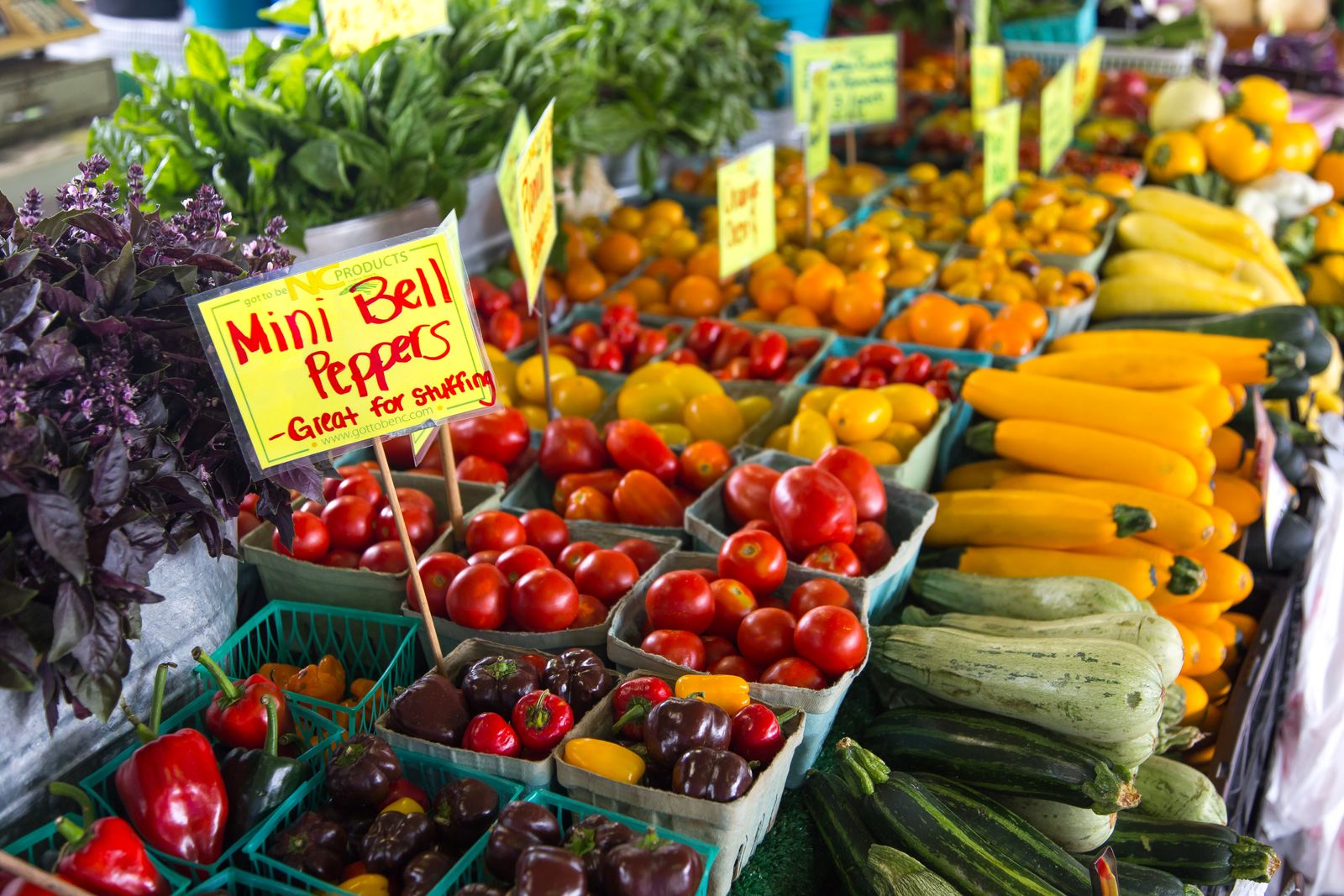
City food planning is about distance and timing, not only the number of vegan listings. Mark accommodation, the main activity, the nearest transit stop, one primary meal, one nearby alternative, and one grocery option. Group meals by neighborhood so the route does not spend the day crossing a large metro area for a single booking.
Use the Most Vegan-Friendly Cities guide as a comparison framework, not a permanent ranking. Check the exact branch, current menu, opening window, payment, booking process, and recent evidence before relying on it.
Keep a city evidence note
Record the source, date checked, address, exact claim, and backup. Mark each option as confirmed, likely, or unverified. A smaller current list is safer than a large list of old map pins.
Treat road trips as supply chains
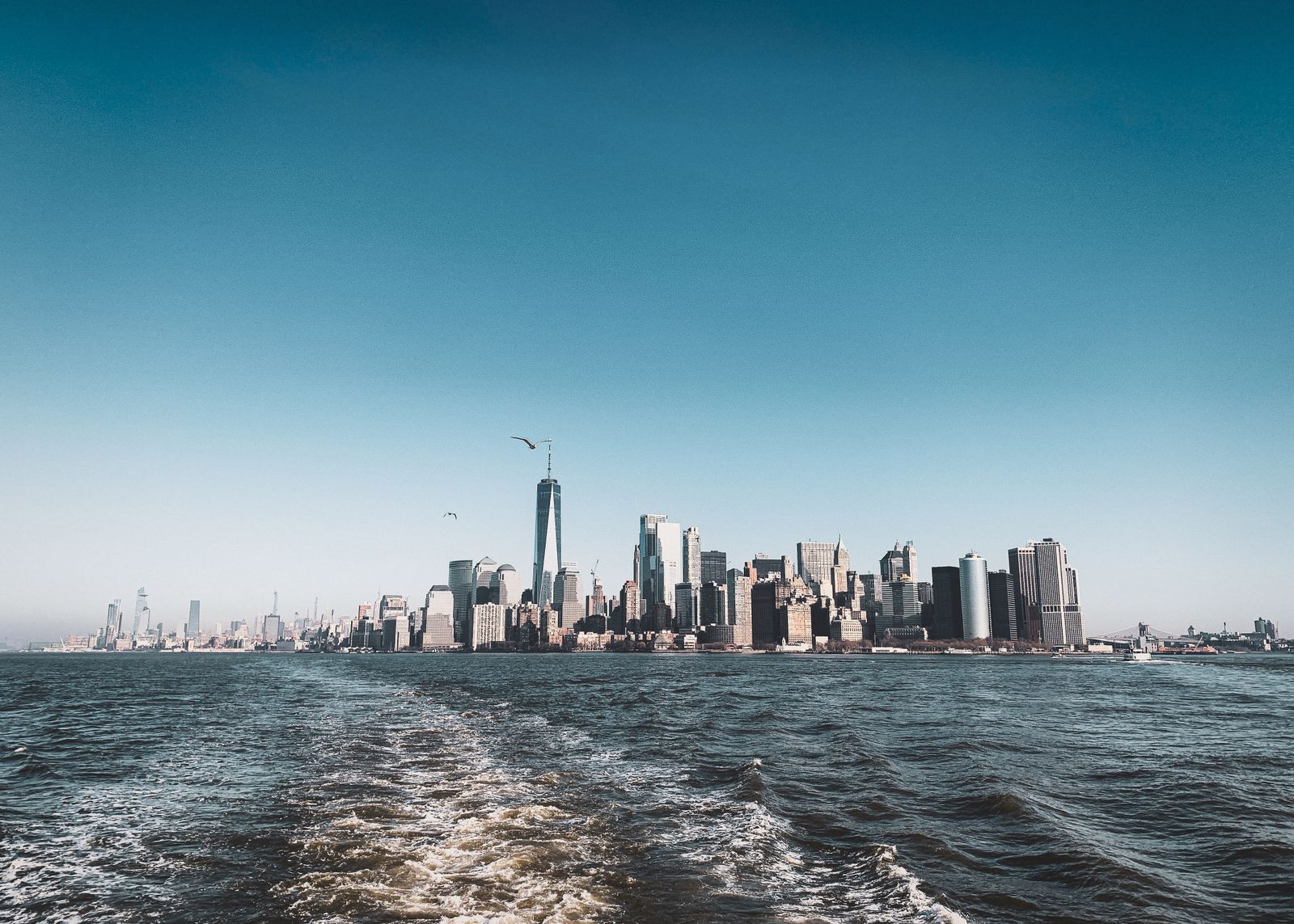
Long drives create food gaps even when the map shows many towns. Plan the last dependable supermarket, the next realistic store or meal, fuel, restrooms, water, refrigeration, and safe food storage together. Keep the food you may need before the next town accessible in the vehicle.
For perishable food, match the cooler or storage plan to the vehicle, temperature, and length of the segment. For shelf-stable food, choose items that can cover a missed stop without requiring a kitchen, a restaurant, or a particular brand.
| Road-trip layer | What to check | Why it matters |
|---|---|---|
| Last reliable supply stop | Store hours, parking, payment, water, and storage | It may be the final easy chance to replenish. |
| Next realistic stop | Distance, route access, opening window, and food fit | A town on the map is not automatically a useful meal stop. |
| Vehicle system | Cooler, containers, shade, charging, and clean-up | Food access depends on how the actual vehicle is used. |
| Independent backup | Compact, easy-to-open food for delays | Traffic, weather, closures, and detours can extend the gap. |
Use the Vegan Road Trip guide for a deeper vehicle, storage, and stop-planning framework.
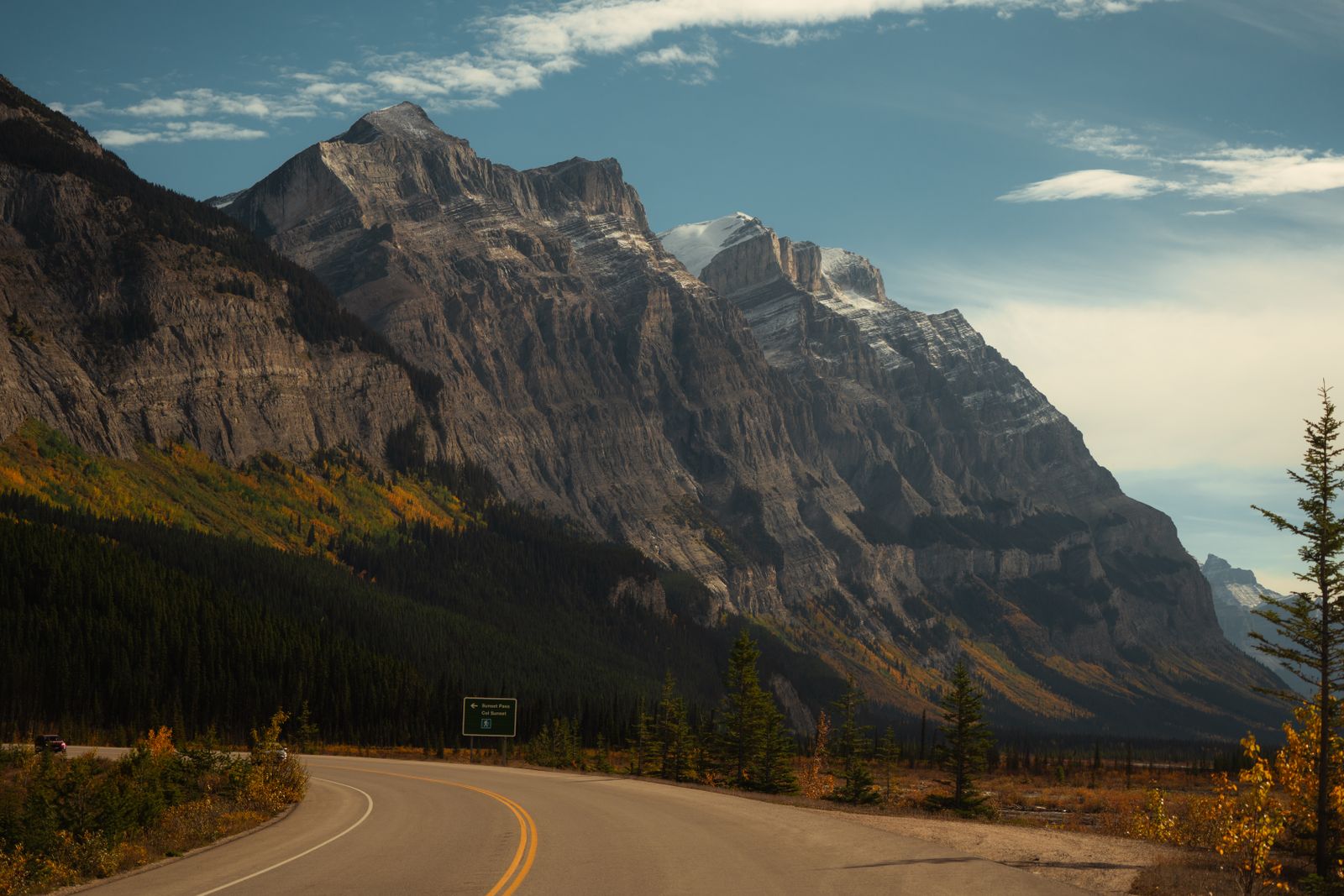
Plan national parks and remote segments separately
Park services, visitor areas, camp stores, lodges, and nearby towns vary widely. Check the current official park page, opening dates, food services, road conditions, reservations, water, waste facilities, and accommodation storage. Do not assume a visitor center or scenic stop has a suitable vegan meal.
Use city time to prepare remote time: buy supplies, charge devices, save maps offline, confirm the next accommodation, and check the return route. Carry food for a delay and a plan for heat, cold, smoke, storms, or road closure.
Handle U.S.-Canada and U.S.-Mexico borders carefully
Food that is acceptable at departure may be restricted at arrival. Customs and agriculture rules depend on the country, product, packaging, origin, quantity, and current restrictions. For entry to the United States, check CBP agricultural-product guidance and, for a land crossing from Canada, the USDA APHIS Canada-border guidance. For entry to Canada, check the CBSA food, plant, and animal-product rules. For entry to Mexico, check the current SENASICA permitted and prohibited list. Declare items honestly and consume or replace food before the border when the rules are unclear.
Keep border planning separate from restaurant planning. Save the crossing name, opening or operating information, likely wait, last food stop before the border, first grocery option after arrival, and a backup that does not depend on carrying restricted food.
Check accommodation facilities
Hotels, motels, hostels, cabins, and rentals offer different levels of food support. Before booking, check the distance to realistic food, refrigerator or freezer access, kitchen equipment, breakfast details, late-arrival process, parking, and whether the property can answer dietary questions clearly.
For a road or park segment, storage can matter more than a restaurant list. If the accommodation changes, repeat the food-zone and grocery check because the new address may change the whole day.
Use local language and focused questions
English may be useful in many North American cities but less reliable on rural or cross-border routes. Prepare a short vegan explanation and the local words for dairy, egg, fish, meat, broth, butter, honey, gelatin, and common sauces. Ask about shared cooking surfaces, stock, toppings, and substitutions.
For allergies or medical risk, communicate the allergy separately and follow the relevant safety process. The language guide is a starting point, not a guarantee of safe preparation.
Prepare airports, rail, and rental-car transfers
North American airports and stations can divide food between terminals and security zones. Check the exact terminal, transfer time, operator, opening hours, payment, and distance to the gate or platform. For flights, confirm the meal request for every operating carrier and segment. For rental cars, confirm pickup time, vehicle storage, and the first grocery stop.
Use the flight meal guide for the airline request sequence and carry a backup that fits current security, customs, and storage rules.
Plan for weather and seasonal access
Snow, heat, wildfire smoke, storms, flooding, road closures, and seasonal business hours can change food access quickly. Check the weather and transport status before each long segment, and protect a meal near accommodation when the route becomes uncertain.
Build a regional backup sequence
| Order | Backup | When to use it |
|---|---|---|
| 1 | Primary meal or booked option | The route and timing are working as planned. |
| 2 | Nearby replacement | The primary option is closed, full, sold out, or unclear. |
| 3 | Grocery, accommodation food, or simple packaged meal | The route is delayed or the restaurant choice fails. |
| 4 | Carried backup | A remote segment, closure, border delay, or weather event removes the other layers. |
Keep the backup accessible and independent from the same source as the primary plan. A directory listing is not a backup if the venue can close without notice; a second restaurant is not enough for a remote route with no next town.
Make food notes easy to share
For group travel, keep one shared note with exact addresses, branch details, grocery stops, accommodation facilities, border notes, transport confirmations, and the date reviewed. Assign one person to recheck the next difficult segment so the group does not rely on several outdated versions.
North America food-planning checklist
- Have you written the route in order with country, state or province, arrival time, and departure time?
- Have you identified the longest food gap and the hardest meal to replace?
- Is the accommodation near realistic food and grocery access?
- Have you checked storage, cooking, parking, breakfast, and late-arrival details?
- Have you mapped the last dependable supply stop before each rural or park segment?
- Have you checked border, customs, agriculture, declaration, and transport rules?
- Have you prepared language and ingredient questions for each route?
- Have you protected the first and last meal of the trip?
- Is your backup accessible, practical, and suitable for the weather?
- Have you rechecked business hours, weather, road or transport status before each long segment?
Frequently asked questions
Is North America easy for vegan travel?
It depends on the country, route, transport, and accommodation. Dense cities often offer more discovery options, while remote and long-distance routes need stronger grocery, storage, and carried-food planning.
What should I pack for a North American road trip?
Pack food for the longest realistic gap, storage that suits the vehicle, water, and an independent backup. Confirm current border rules if the route crosses countries.
How can I compare North American cities?
Compare food access near the actual itinerary, transport, groceries, accommodation, and backups. Do not rely only on a restaurant count or permanent ranking.
Should I carry food across the U.S.-Canada or U.S.-Mexico border?
Check the current official customs and agriculture rules for the exact crossing. Declare items honestly and consume or replace anything that is restricted or unclear.
How can I plan vegan food in national parks?
Check the official park page, nearby communities, accommodation facilities, storage, and the last reliable grocery stop. Carry food for delays and do not assume every visitor area has a suitable vendor.
What is the best restaurant backup on a long route?
Use a grocery stop or carried food alongside a second restaurant. The best backup remains practical if the route is delayed or the venue closes.
What should I do when weather or a road closure changes the route?
Protect the next transport leg, use the nearest independent food layer, and update the following meal. Do not spend the entire day trying to rescue one closed venue.
Useful Sources and Verification
Checked 26 October 2026. These sources are starting points for current border, park, health, and international-travel information. Use the authority for the exact country, crossing, park, and route.
- U.S. Customs and Border Protection travel guidance
- CBP: bringing agricultural products into the United States
- USDA APHIS: entering the United States from Canada by land
- CBSA: bringing food, plant, and animal products into Canada
- SENASICA: Mexico tourist food-entry list
- U.S. National Park Service trip planning
- Parks Canada trip planning
- CDC Travelers’ Health
- The Vegan Society international travel guidance
Related Guides
Compare city food access
Use food zones, transport, groceries, accommodation, and backups instead of a permanent city ranking.
Plan the road segment
Map storage, supplies, long gaps, and flexible stops before starting the drive.
Keep sources and tools organized
Combine official sources, current business pages, maps, language support, and backup notes for the route.