

Vegan Travel Gear: Pack Smarter, Safer & Lighter
Short answer: Pack the smallest gear system that solves a real problem on your route: food delays, safe water, charging, communication, weather, or material verification. Start with items you already trust, test them before departure, and check current airline, airport, water, and border rules instead of treating any product as universally travel-safe.
Updated 26 October 2026. Recheck airline screening rules, power-bank limits, food import restrictions, local water guidance, and product materials before departure.
What you’ll find in this guide
Start with fit · Use the decision table · Build the core kit · Pack by trip type · Avoid mistakes · Read the FAQs
Featured image credit: Traveler organizing essential gear and packing cubes. Photo: Timur Weber via Pexels.
What vegan travel gear is actually worth packing?
The most useful vegan travel gear is a compact system that solves a real problem: carrying backup food, storing leftovers, communicating dietary needs, refilling water safely, charging essential devices, or protecting health and documents. Start with the itinerary and add gear only when it earns its weight. A specialized gadget is not useful simply because it is marketed to vegan travelers.
For most trips, begin with a reusable water bottle, leak-resistant food container, washable cutlery, a small snack reserve, a dietary communication card, a charged phone with offline information, a suitable power adapter, essential medication, and weather-appropriate clothing. Remote travel, self-catering, allergies, long transfers, and outdoor trips can justify additional items.
Use this decision sequence:
- Name the problem: delayed meals, unsafe water, limited cooking, language barriers, low battery, or material concerns.
- Check the rules: airport screening, power-bank limits, food import restrictions, and local water guidance.
- Choose the simplest tool: favor items that are easy to clean, identify, repair, and replace.
- Test at home: especially bottles, shoes, adapters, filters, containers, and any new food gear.
- Pack a backup: save offline information and carry one non-digital solution for essential needs.
This is a research-based guide, not a record of personal product testing. Product materials, airline policies, and border rules can change, so verify the exact item and current rule before departure.

Image credit: Timur Weber via Pexels. Packing clothing and essentials for a trip.
Quick decision table: what to pack and when
This table is a planning aid, not a universal prescription. Security, food-import, climate, medical, and baggage rules always take priority.
The core vegan travel gear kit
Reusable water bottle
Choose a bottle with a secure lid, easy-to-clean mouth, durable seals, and a shape that fits the day bag you will actually carry. Capacity should match the climate, refill frequency, and your ability to carry the weight. An empty reusable bottle may pass some airport checkpoints, but the current screening authority controls what is permitted.
A filter bottle is not automatically a purification system. Filters vary in what they remove, and some do not address viruses, dissolved chemicals, or every risk in an uncertain source. Research the destination and the device’s documented performance before relying on it. If the water is unsafe, use a verified alternative instead of assuming a filter makes it safe.
Leak-resistant food container
A compact container can protect snacks, hold food bought before boarding, store leftovers, and support self-catering. Prioritize a secure closure, low empty weight, simple cleaning, and a shape that fits your bag. A container does not make perishable food safe indefinitely, so pair it with a real cooling and timing plan when necessary.
Airport rules may treat spreadable or pourable foods such as hummus, sauces, and nut butter differently from solid food. Check the current departure authority and pack uncertain foods in checked luggage or buy them after security when appropriate. Do not assume that placing a restricted food inside a container changes its classification.
Washable cutlery
A spoon or combined utensil solves most travel meals. Metal knives and sharp components can create security problems, so do not assume that every reusable set belongs in a carry-on. A simple spoon is often the least complicated option for oats, soup, rice, cereal, and prepared food. Obtain a knife at the destination or confirm that accommodation supplies one when self-catering requires it.
Small backup snack reserve
Carry food for a predictable disruption, not an imaginary emergency. Choose products you already tolerate, that do not leak or crumble excessively, and that fit the route’s temperature and import rules. Plant-based food is not automatically unrestricted across borders: nuts, seeds, fresh produce, grains, and other agricultural items may be controlled. Declare food when required and never hide it from inspection.
Use the best vegan travel snacks guide to build the food reserve, and check the destination’s current import guidance before packing it.
Communication gear that prevents avoidable mistakes
Dietary card
A dietary card should explain what you do not eat in language a kitchen can understand. “Vegan” alone may not communicate hidden ingredients or local terms. Depending on the destination, the card can mention meat, fish, shellfish, dairy, eggs, honey, animal fat, gelatin, meat stock, fish sauce, oyster sauce, and other locally relevant ingredients.
Keep it in two forms: a screenshot or offline file on your phone and a printed card in case the battery dies or staff need to take it to the kitchen. Do not promise allergy safety unless the restaurant has confirmed its processes. Use the vegan travel language cards guide for communication planning.
Offline translations and saved evidence
Save ingredient terms, restaurant notes, transport tickets, accommodation details, and emergency contacts offline. Screenshots can help when mobile data fails, but they can become outdated. Add the date you checked menus, policies, or product information, and recheck changing details shortly before travel.
Waterproof emergency note
A small card with medication names, allergies, emergency contact details, accommodation address, and insurance information can be useful when a phone is wet, lost, or out of battery. Keep it minimal and protect sensitive information. A paper note is a backup, not a replacement for official documents or professional medical advice.

Image credit: Timur Weber via Pexels. Organizing clothes and essentials for travel.
Electronics that earn their space
Phone as the central planning tool
Your phone may hold tickets, maps, translations, payment access, accommodation details, and emergency contacts. Download what you need before leaving, keep a charging cable accessible, and avoid relying on one app or one online account. A small paper backup can prevent a minor battery problem from becoming a route problem.
Power bank and charging
Power banks contain lithium batteries and are subject to transport rules. Check the airline and airport’s current guidance before packing one, and keep it where the applicable rule requires rather than assuming checked baggage is acceptable. Do not travel with a damaged, swollen, or unmarked battery.
Plug adapter and voltage
Match the adapter to the destination’s outlet shape and verify whether your devices support the local voltage. An adapter changes the plug shape; it does not automatically convert voltage. Check the label on hair tools, chargers, and appliances before connecting them. A small USB charger may be more practical than carrying several large adapters, but it still needs the correct power rating.
Cables and labeling
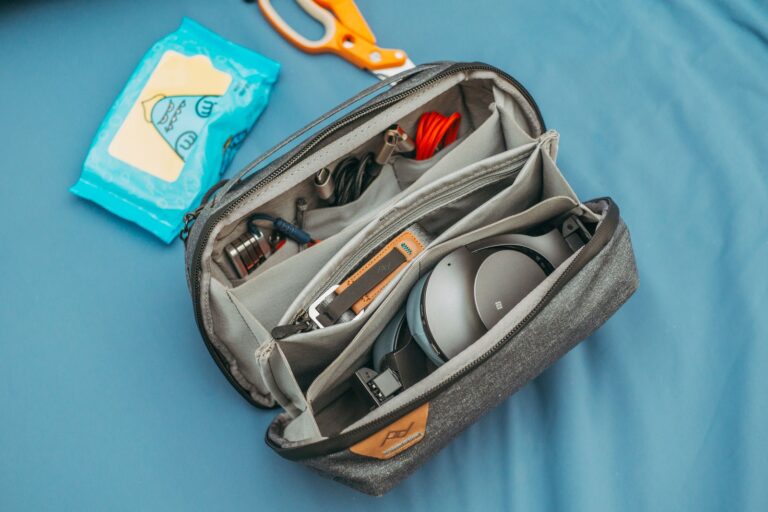
Carry only the cables that fit your devices, bundle them so they can be found quickly, and label similar chargers. A small pouch is useful if it prevents repeated unpacking. Do not buy a new untested charging system immediately before departure; test charging at home and keep the essential cable in your personal item.
Gear for self-catering and longer stays
Self-catering trips may justify a small kitchen kit, but only after you confirm the accommodation and destination rules. Useful items can include a washable container, spoon, compact cutting tool obtained locally, reusable bags, a dishcloth, and a small cleaning supply. Avoid carrying sharp knives or appliances in a carry-on without checking the applicable rule.
A portable blender or cooking appliance is rarely a default essential. It adds weight, cleaning, power, noise, and security questions. Pack one only when the itinerary clearly depends on it and the accommodation allows its use. For simple room meals, the hotel room vegan recipes guide can help you choose low-equipment options.
Materials, clothing, and luggage verification
“Vegan luggage” or “animal-free” marketing may not identify every component. Check the outer material, trims, adhesives, dyes, patches, zipper pulls, interior labels, and documentation when the material standard matters to you. Leather, suede, wool, silk, cashmere, down, horn, shell, and fur are obvious concerns, but synthetic marketing does not automatically explain every adhesive or finish.
For shoes and bags, ask the manufacturer whether the exact model is free from animal-derived materials and whether the answer applies to the current version. Save the product page and access date. A retailer title is not enough evidence, and a company policy may not cover every product.
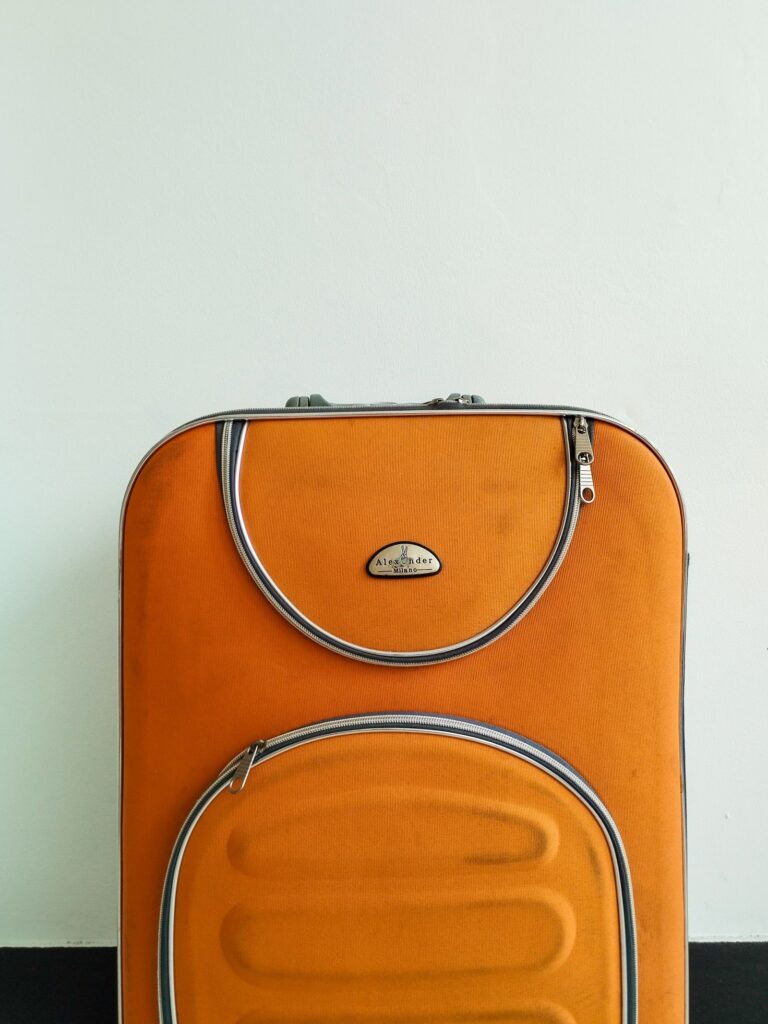
Evaluate luggage by job: dimensions, weight, repairability, weather resistance, accessible pockets, and how it fits your route. A large bag can create baggage fees and physical strain, while a very small bag can force unnecessary purchases at the destination.
Pack by trip type
Urban weekend
Keep the kit light: bottle, one container, spoon, small snack reserve, phone backup, and communication card. Buy ordinary replacements locally only after verifying them.
Multi-city rail trip
Prioritize leak protection, snacks for delays, offline tickets, charging access, and a container that can be cleaned quickly. Keep the first-night essentials accessible instead of burying them in the main bag.
Road trip
A cooler, larger container, refillable bottle, and simple cleaning supplies may earn their space. Plan where food will be kept cold and where water can be safely refilled. Never leave perishable food or batteries in a hot parked vehicle.
Remote or outdoor trip
Research water, weather, food import, communications, and emergency access in advance. A treatment device is useful only when it matches the water risk. Pack medication, power, and navigation backups before comfort gadgets.
Business or event travel
Prioritize a discreet snack reserve, dietary card, compact container, wrinkle-resistant clothing, chargers, and medication. Test shoes and clothing before departure, especially when long standing or walking is expected.

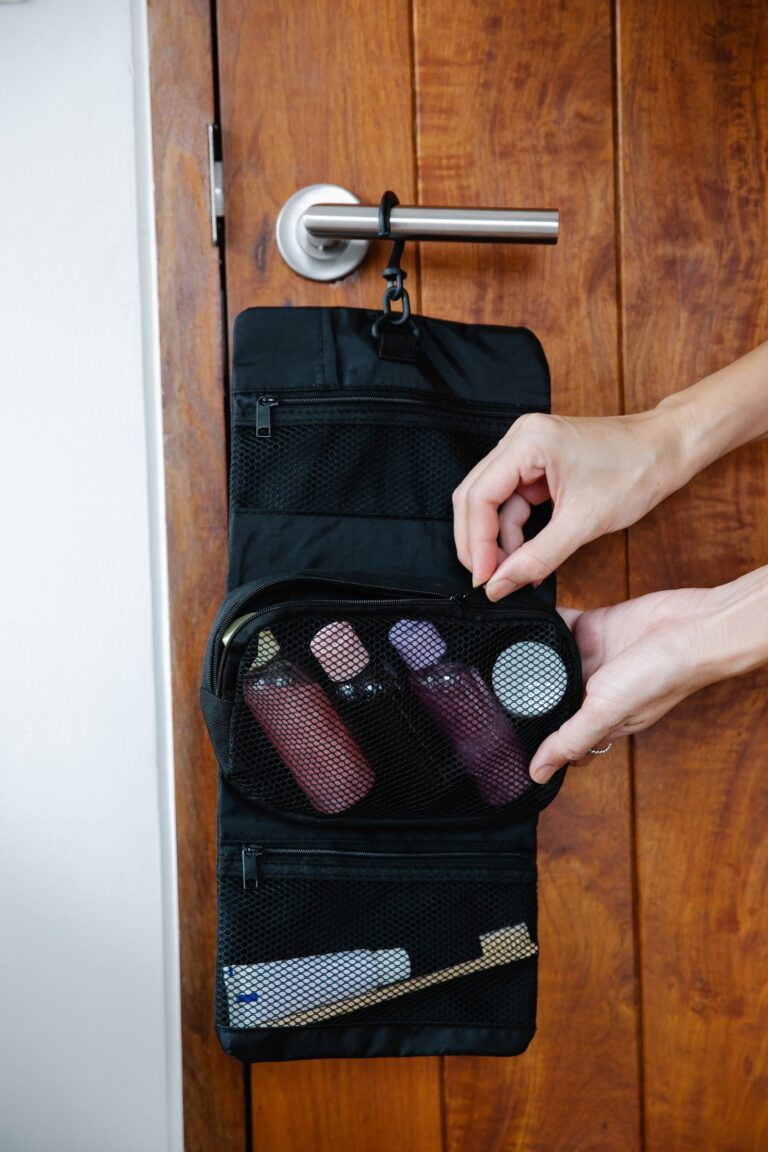
Image credit: Timur Weber via Pexels. Travel pouch prepared for a journey.
Common gear mistakes
Packing too many just-in-case items
Every item creates weight, cleaning, verification, and replacement work. Pack for a defined disruption and keep a list of what can be bought after arrival.
Treating a filter as universal purification
Filters differ. Match the device to the documented water risk and local guidance rather than trusting a broad marketing claim.
Packing undeclared food across borders
Food-import rules are separate from airport security. Check the destination authority, declare when required, and never conceal agricultural products.
Checking a power bank
Battery rules can restrict checked baggage or require a particular carry-on location. Follow the airline and airport’s current instruction.
Buying untested shoes before departure
Vegan material verification is only one part of a good travel shoe. Comfort, fit, traction, weather, and break-in time matter more than a last-minute purchase.
Depending on one digital tool
Keep offline copies of important information and a small paper backup for critical details. A phone is powerful travel gear, but it is not a complete contingency plan.
Test gear before the trip
Use every important item at home before departure. Fill the bottle, close the container, wash the cutlery, charge the power bank, connect the adapter, wear the shoes, and try the filter according to its instructions. A product that looks compact online may be difficult to clean or uncomfortable to carry. Testing also reveals whether a lid leaks, a cable is missing, or a pouch does not fit the items it was bought to organize.
Make a final inventory in the same order each time: documents and medication, phone and charging, water, food and container, communication card, toiletries, clothing, and destination-specific gear. Keep the first-night essentials accessible. Photograph serial numbers or important instructions when useful, but avoid storing sensitive information in an unprotected shared account.
Reduce gear waste without overbuying
Use gear you already own when it is safe, cleanable, and suitable. Borrowing or buying second-hand can work for simple containers and bags, but inspect seals, hygiene, battery condition, and material claims. Do not call a product sustainable, zero-waste, recycled, or ethically made without current evidence. The most reliable low-waste choice is often a durable item that solves a real problem and will be used on future trips.
Frequently Asked Questions
What is the most important vegan travel item?
There is no universal winner. For many travelers, a small backup snack, a dietary communication card, and a charged phone solve more real problems than an extra gadget. Choose based on the route.
Can I take vegan food through airport security?
It depends on the food’s consistency, container, departure authority, and route. Solid food may be treated differently from spreadable or liquid food. Check the current airport rules before packing.
Can I put a power bank in checked luggage?
Do not assume so. Lithium-battery rules vary by airline and authority, and power banks may need to remain in carry-on baggage. Check the current rule for your flight.
Do I need a portable blender or cooking appliance?
Usually not. Pack one only when the itinerary depends on it, the accommodation allows it, and you have considered weight, cleaning, power, noise, and security.
Are cruelty-free toiletries always vegan?
No. Cruelty-free usually addresses animal testing, while vegan addresses animal-derived ingredients. Verify both separately.
Should I travel with a water filter?
Only when it matches the water risks and route. Check what the device removes and use local public-health guidance. A filter is not automatically universal purification.
How much backup food should I carry?
Carry enough for a realistic delay, late arrival, or missed meal. Keep it compatible with temperature, allergies, customs, and your ability to eat it comfortably.
How do I know whether luggage or shoes are vegan?
Check the exact model’s materials and ask the manufacturer about ambiguous components. Save the current answer and do not rely only on a retailer title or brand-wide claim.


One Comment
Comments are closed.