
Vegan Travel in London
London is a strong destination for vegan travelers because plant-based choices are distributed across central, east, north, and south London, and the public-transport network makes area-based planning possible. The best strategy is to stay near a useful Tube, Elizabeth line, Overground, or National Rail connection; plan each day within one geographic cluster; and verify important meals directly with the venue. Do not build the trip around a static restaurant ranking, because openings, menus, branches, reservation policies, and market traders can change.
Short answer: London is easiest for vegan travelers when you plan by transport-friendly neighborhood clusters. Stay near a useful station, pair meals with nearby sights, verify venues and markets directly, and keep one casual or grocery backup for delays and closures.
Research and experience note: This is a research-led planning guide using current information from London’s official visitor guide, Transport for London, airport and rail guidance, and independent vegan sources. It does not claim first-hand experience, personal restaurant visits, or personally tested journeys. Verify live service conditions, venue operations, ingredients, and accessibility before travel.
Commercial disclosure: This published guide includes no sponsored restaurant placement, paid ranking, or affiliate claim.
Updated 26 October 2026. Recheck TfL routes and service alerts, airport connections, venue hours, market schedules, menus, and accessibility details before travelling.
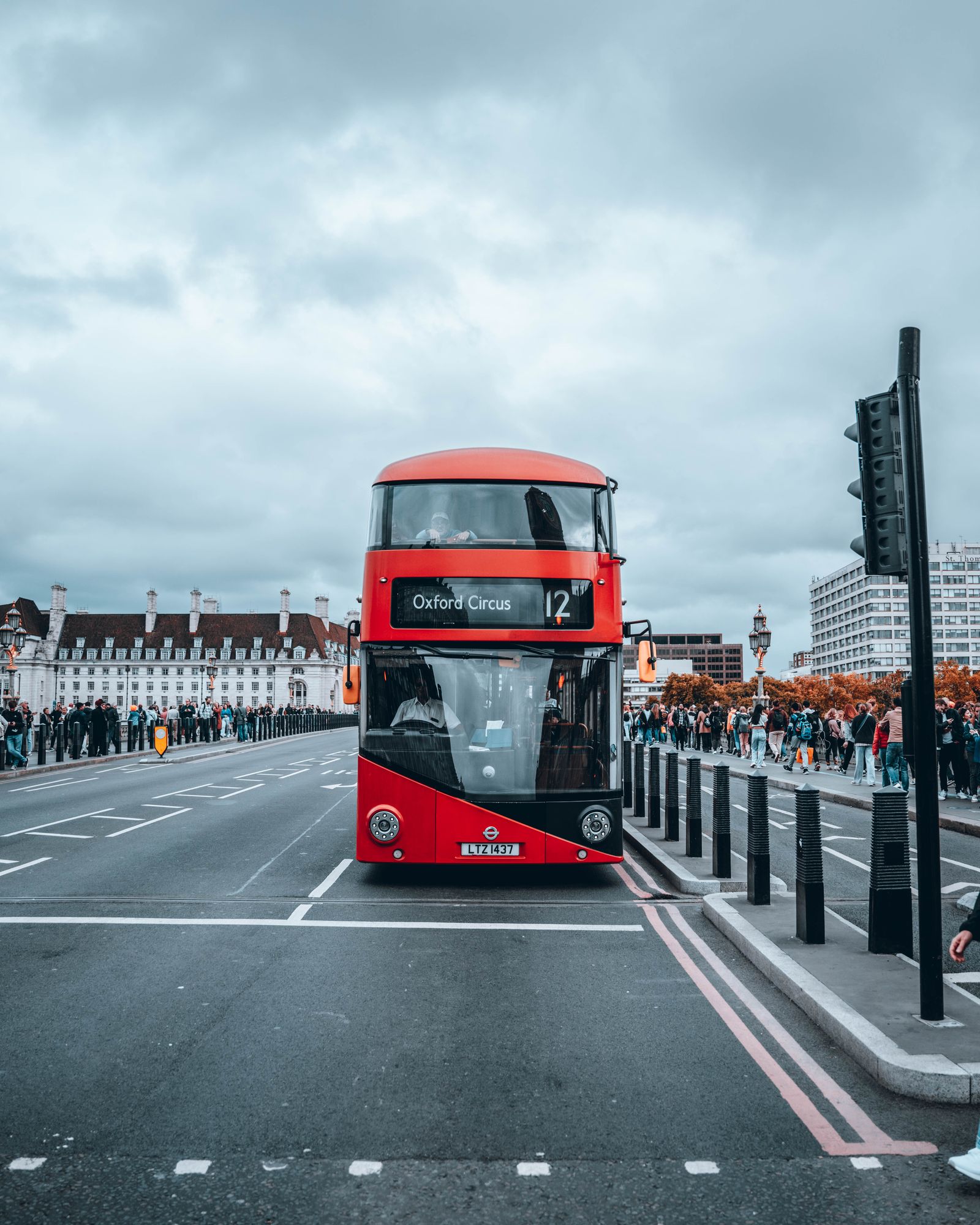
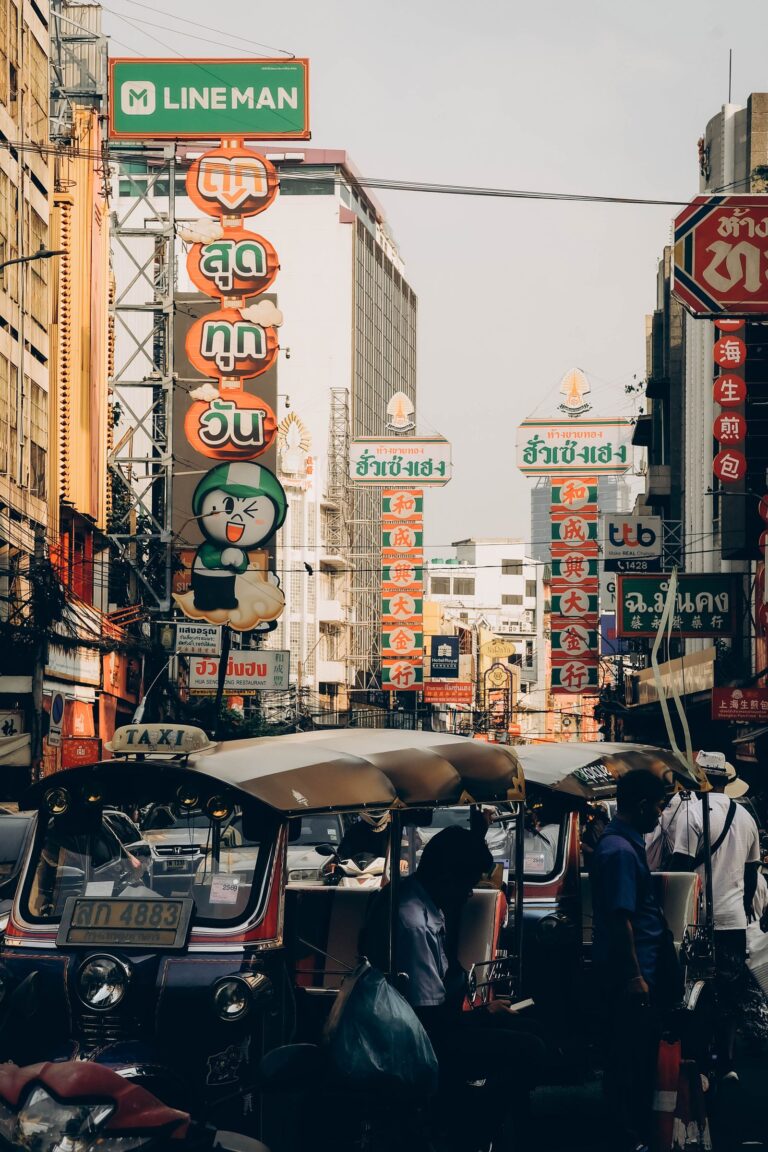
Featured image credit: London public transport context for city-break planning. Photo: Pixels Elements via Pexels.
What you’ll find in this guide
Set expectations · Choose a base · Plan airport routes · Use TfL · Find reliable food · Shape the itinerary · Plan mixed groups · Check allergies · Set a budget · Plan for conditions · Use the checklist · Read the FAQs
London For Vegan Travelers At A Glance
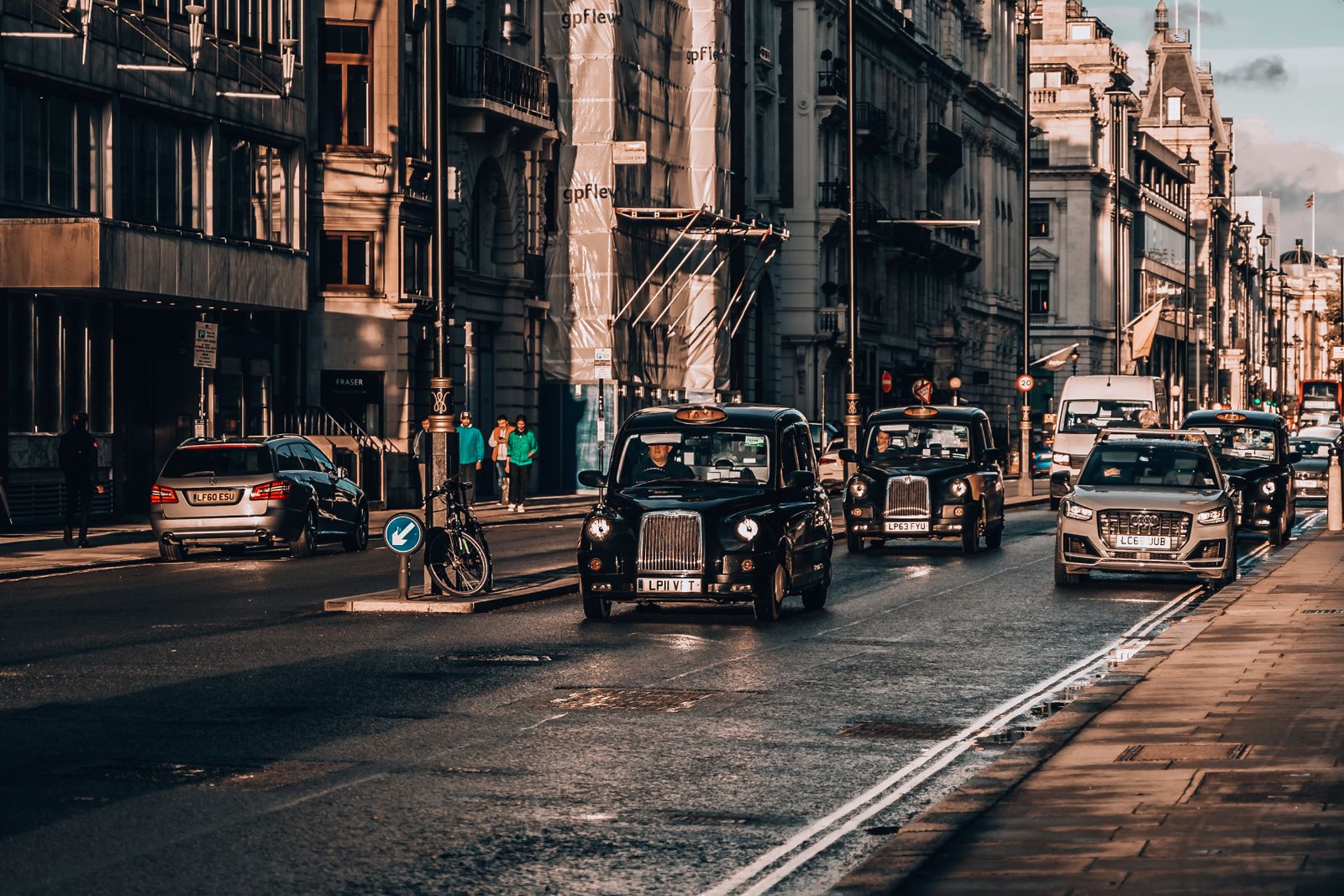
London rewards selective planning. The city offers specialist vegan restaurants, plant-based dishes at mixed venues, international cuisines, markets, supermarkets, museums, parks, theater, and neighborhood culture. Its scale is the complication. A place described as “London” may be an hour from another London destination once walking, transfers, and crowds are included.
| Decision | Sensible default | Why it helps | What to verify |
|---|---|---|---|
| First-time accommodation | Zone 1 or inner Zone 2 near a useful station | Reduces transfer time while preserving neighborhood choice | Step-free access, night route, airport connection, street noise |
| Daily plan | One central cluster plus one connected evening area | Prevents zigzagging across London | Journey time at the time you will travel, not only map distance |
| Airport transfer | Officially listed rail or Tube route for the actual airport and address | London’s airports have different connections | Terminal, operator, planned works, ticket/payment rules |
| Payment | Contactless or Oyster where accepted, following current TfL guidance | Simplifies most urban travel | Card compatibility, foreign transaction fees, airport exceptions |
| Food research | Official Visit London discovery plus an independent vegan map and venue source | Creates a cross-check instead of trusting one list | Current branch, menu, opening day, reservation, allergen policy |
| Three-day structure | Westminster/West End, east or north London, then South Bank/market or personal-interest day | Groups sights and food into realistic areas | Event closures, theater times, market schedules, weather |
A traveler who wants theater, major museums, and iconic sights needs a different base from someone prioritizing Hackney, Brixton, music venues, or football. Choose around the trip you are taking, not a generic “best area.”
Why London Can Be Easy And Still Require Careful Planning

London’s official visitor guide publishes vegan restaurant and food-market content, confirming that plant-based dining is part of the mainstream visitor landscape. Independent vegan directories also show extensive coverage. That does not mean every neighborhood, station, market stall, or late-night route is equally convenient.
The city’s diversity is a major practical advantage. Indian, South Indian, Ethiopian, Middle Eastern, Caribbean, East Asian, Italian, contemporary British, bakery, café, and street-food formats can all contribute vegan meals. However, cuisine labels are only a starting point. Ghee, butter, dairy, egg, fish sauce, meat stock, honey, and shared fryers may still matter. A dish that looks plant-based needs confirmation.
London also suits groups with different interests because food can be inserted into a broader route. A central museum day can include a nearby lunch; an east London street-art or market day can lead into dinner; a South Bank walk can end near rail connections. This is more efficient than traveling to three famous restaurants in three disconnected districts.
For a flexible planning method, use the Vegan Journey Map guide to planning a vegan city break. Fix the few items that are time-sensitive, then organize flexible food choices around them.
Research Standards And Verification Labels
Research-based guidance: Destination Planning
Transport advice in this article comes from Transport for London and official airport-connection information. Neighborhood planning uses Visit London’s official area guidance and the geography of common visitor routes. Vegan-food discovery is checked through Visit London and independent vegan sources. These sources establish a planning pattern; they do not justify a permanent statement that a specific restaurant, market trader, fare, or timetable will remain unchanged.
Not first-hand experience
No statement in this guide should be read as a personal tasting note, hotel stay, accessibility test, or journey review. Terms such as “practical,” “useful,” and “sensible” describe planning logic, not a claimed personal experience.
The verification sequence
Before relying on a meal, check:
- the listing date or most recent update on the discovery source;
- the venue’s current website, booking page, or verified social account;
- the exact branch and address;
- the current menu and service period;
- direct allergen or cross-contact information if medically relevant.
For transport, replace the first three steps with the TfL journey planner, service-status page, and the relevant airport or rail operator.
Where To Stay For A Vegan London Trip
The best London base is usually a station decision disguised as a neighborhood decision. A hotel five minutes from a direct line can be more useful than a more fashionable property requiring two buses and a long walk.
Soho, Covent Garden, Bloomsbury, and the West End
A central base suits a short first visit focused on theater, major sights, shopping, and walking. It also offers many food formats within a compact area. The trade-offs can include higher accommodation costs, crowds, and noise. Check whether the room faces a busy street and whether your airport route requires stairs or multiple changes.
King’s Cross and nearby central-north areas
King’s Cross and St Pancras can be strategically useful for national and international rail, several Underground lines, and access to central and north London. The station complex is large, so “near King’s Cross” should be checked by actual walking route. This base can suit travelers arriving by Eurostar or continuing elsewhere in Britain.
Shoreditch, Spitalfields, and Hackney approaches
East London suits visitors interested in markets, street art, independent shops, nightlife, and a broad food scene. The area is served by a mix of Underground, Overground, Elizabeth line, National Rail, and buses, but the most convenient station varies by street. Check weekend engineering works and the late return journey.
Camden and north London: Destination Planning
Camden can work for music, markets, canal walks, and access to north London. It is lively and can be crowded. A market’s vegan choices are not fixed, so do not select accommodation solely for one trader. Verify whether the property is near the station entrance you will actually use.
South Bank, London Bridge, and Bermondsey
This area provides river walks, major attractions, rail connections, and access to food markets. It can support a strong first-time itinerary, particularly when a traveler wants to walk between sights. Tourist demand can make popular meal periods busy, and market schedules vary.
Brixton, Peckham, and other south London bases
South London can suit travelers prioritizing music, local markets, Caribbean and international food, or a less central neighborhood feel. It can also offer better accommodation value depending on dates. The important check is the connection to your primary sights and the last service after evening plans.
London Airports: Plan From The Actual Airport Code
“London airport” is not a complete transport instruction. Heathrow, Gatwick, Stansted, Luton, London City, and Southend serve different directions, operators, and journey patterns. A route suitable for Heathrow is irrelevant to a Stansted arrival.
Transport for London maintains an airport-connections page. Use it to identify the appropriate network and then check the relevant airport and operator for live information. The most reliable process is:
Airport planning shortcut: Heathrow provides rail, bus, coach, taxi, and journey-planner information; Gatwick is directly linked to London and the South East by rail, coach, car, and taxi; Stansted offers train, coach, bus, taxi, and accessible-transport options. Compare the full door-to-door route, not just the flight price, and leave buffer for luggage, transfers, and disruption.
- confirm the airport and terminal on the booking;
- enter the exact accommodation address in an official journey planner;
- compare total journey time, transfers, luggage handling, and arrival hour;
- confirm whether contactless or Oyster is accepted for the whole route;
- check planned engineering works and last services;
- allow a backup option for disruption.
Heathrow: Destination Planning
Heathrow has several public-transport possibilities, including the Elizabeth line, Piccadilly line, and rail services. The best choice depends on destination and budget, and the fastest advertised service may not be fastest door to door. Confirm the terminal and whether the route serves it directly.
Gatwick: Destination Planning
Gatwick is connected by National Rail services to several London stations. Select the arrival station that simplifies the final leg rather than automatically choosing the most heavily advertised brand. Check the operator, ticket conditions, and overnight disruption.
Stansted and Luton: Destination Planning
These airports usually involve dedicated rail or coach planning rather than a normal central Tube journey. Luton journeys may include the airport link between the terminal and rail station. Verify every segment and do not leave an early-morning departure plan until the night before.
London City and Southend: Destination Planning
London City is closer to the urban network and may suit east or central London routes, while Southend is farther out and requires operator-specific planning. Flight price alone should not decide the airport; include transfer time, luggage, and the cost of a missed connection.
Paying For And Using London Transport
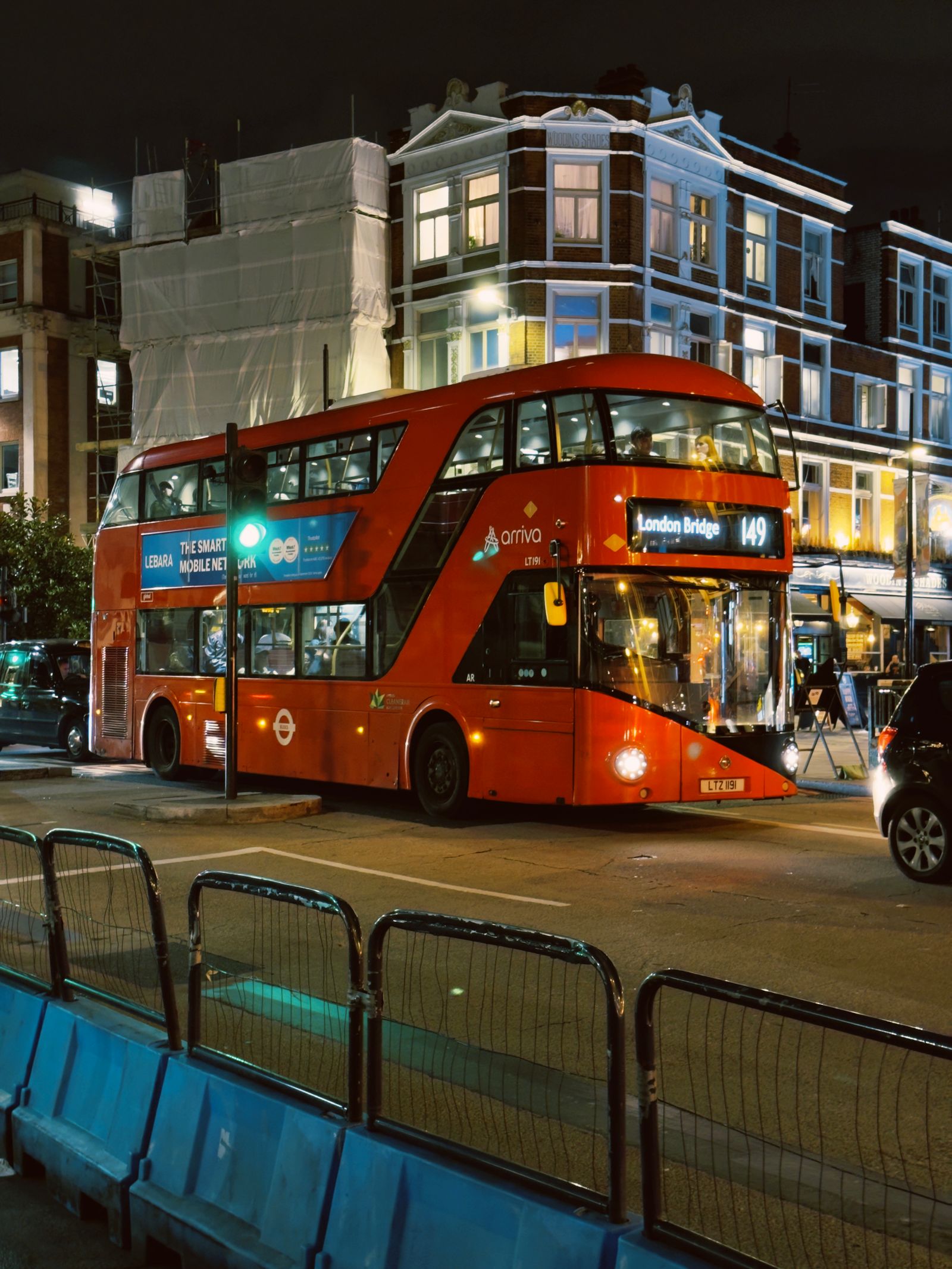
Transport for London states that visitors can use contactless payment or Oyster across much of the network. Current acceptance, caps, card rules, and airport exceptions should be checked on TfL before travel. This article avoids fixed fares because they can change.
Current TfL check: Use the official TfL visitor guidance and journey planner for live service, planned works, step-free access, payment rules, and airport connections. Keep the same physical card or same device throughout pay-as-you-go journeys, and check overseas-card fees or issuer blocks before relying on contactless.
Use one payment method consistently
When using pay as you go, use the same physical card or same mobile device for all taps in a journey and across the day. A plastic card and its digital-wallet version may be treated as different payment methods. Follow TfL instructions for touching in and out; buses operate differently from rail modes.
Check overseas card compatibility
A contactless bank card can be convenient, but international fees or issuer blocks may reduce its value. Travelers who prefer a separate travel balance can consider Oyster according to current TfL guidance. Do not buy a visitor product only because it is marketed to tourists; compare it with your expected journeys.
Walking can beat a transfer
Central stations can be close together, and changing lines may involve long corridors. Compare the walking route, particularly around the West End, South Bank, and the City. Weather, luggage, and mobility needs will change the answer.
Accessibility must be route-specific
A station can be step-free between street and platform but still involve a gap, a long interchange, or an out-of-service lift. Check TfL accessibility information for the exact route and date. If a traveler cannot use stairs, save an alternative station or bus route.
Night travel needs a separate check
Some Tube lines and Overground sections have Night Tube or night services on selected nights, and buses operate through the night on many routes. Service patterns are not universal. Check the specific date, station, and line after a late meal or performance.
How To Find Vegan Food Without Creating A Fragile List
London has enough choice that the central task is filtering, not collecting. A reliable plan answers four questions: where will you be, what meal format do you want, what dietary assurance is necessary, and what will you do if the first option fails?
Search by neighborhood and time
A breakfast near the hotel, a lunch near a museum, and dinner near a theater are more useful than three highly rated venues that require separate journeys. When saving a place, add the intended day and meal to the note. If it does not fit a day, it is an idea, not part of the itinerary.
Use official and independent sources differently
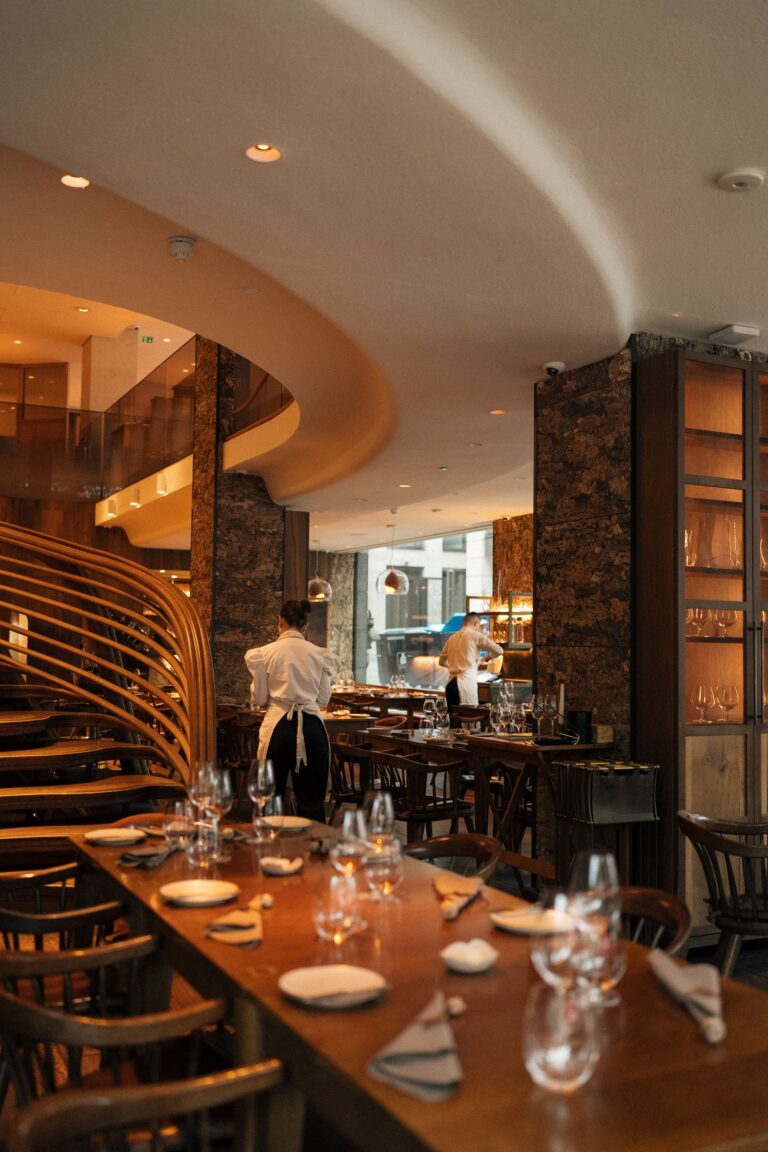
Visit London’s vegan and market pages are useful for broad discovery and neighborhood context. HappyCow and other independent vegan sources are useful for filters and recent community signals. The venue’s own site is the operational source for the current menu, branch, reservations, and hours. No single layer is enough by itself.
Treat markets as dynamic: Destination Planning
Borough, Camden, Broadway, Greenwich, Brick Lane, Brixton, and other markets can provide interesting food opportunities, but trader rosters and operating days vary. The official Visit London market guide can orient you; the market’s own current trader directory should make the final decision. Never assume a vegan trader appears daily.
Save a no-reservation fallback
For each important area, save one casual option and one grocery or prepared-food fallback. This is particularly useful before theater, after a delayed flight, or on a day when a market is overcrowded.
Confirm complete-dish ingredients
A plant-based main may be served with non-vegan sauce, bread, garnish, or side. Ask about the full plate. The Vegan Journey Map menu-reading guide provides a structured way to ask without relying on assumptions.
Groceries, Hotel Breakfasts, And Simple Meals
London’s supermarkets, convenience stores, food halls, and local grocers can make a trip more resilient. After arrival, buy enough for one breakfast and one emergency snack. This does not require cooking: fruit, bread or crackers, a clearly labeled spread, oat-based breakfast, or a protein-rich snack can protect an early start.
The United Kingdom has established allergen and ingredient labeling practices, but a traveler should still read the current product label. “Plant-based” branding may be used in different ways, and recipes change. Travelers avoiding a specific allergen must review both ingredients and precautionary statements.
Ask hotels precise breakfast questions. Does the buffet have plant milk, vegan spread, vegan bread, a hot option, and clearly separated utensils? Can the kitchen prepare something with advance notice? A generic promise of “dietary options” is not enough for a traveler relying on breakfast before a timed tour.
If staying in an apartment, verify kitchen facilities and rules. A microwave and mini-fridge support a different plan from a full kitchen. Also check whether the nearest late-opening shop is convenient after the airport journey.
A Practical Three-Day Vegan London Itinerary
Use this framework to insert currently verified meals and booked attractions.
| Day | Main cluster | Core activities | Vegan-food structure | Avoid |
|---|---|---|---|---|
| 1 | Westminster, West End, Covent Garden, or Bloomsbury | Iconic sights, central walk, museum or theater | Simple breakfast, central lunch, reserved dinner near evening plan | Crossing east for lunch and back west for theater |
| 2 | Shoreditch, Spitalfields, Hackney, or Camden | Market, street art, canal, independent shops, music | One destination meal plus market or café flexibility | Assuming every market trader operates every day |
| 3 | South Bank, London Bridge, Greenwich, Brixton, or a personal-interest area | River, gallery, market, park, neighborhood culture | Area-based lunch and a final dinner aligned with departure | Carrying luggage across London for one last restaurant |
Day one: central orientation and one fixed evening
Begin with the central sights that matter most, not every landmark on a generic list. Westminster and the river can connect to the West End, Trafalgar Square, Covent Garden, or a museum depending on interests. Select lunch within that corridor.
If attending theater, reserve dinner either early and near the venue or after the performance at a place whose kitchen will still be open. “Open late” does not necessarily mean the full menu is served late. Confirm service times.
The first day should teach you how long station changes and walking take. Leave spare time rather than scheduling a restaurant reservation immediately after a timed attraction on the opposite side of central London.
Day two: choose east or north, not both by default
For east London, a coherent plan might combine Spitalfields, Shoreditch, a market or gallery, and an evening meal in the same broad area. For north London, Camden, a canal walk, and nearby culture can form a separate day. Combining both can work, but only if the specific route is direct and the activities are limited.
This is a good day for a specialist vegan meal because the district itself can be part of the experience. Reserve only if the current venue policy or demand warrants it. Keep a nearby alternative in case the first choice has changed hours.
Day three: river, south, Greenwich, or a personal-interest route
A South Bank and London Bridge day can combine walking, art, views, and food-market research. Greenwich creates a different river-and-history day. Brixton or Peckham can suit travelers prioritizing music, markets, and neighborhood culture. Choose one based on the departure time and weather.
If leaving from an airport that requires a specific mainline station, consider ending near that corridor. Retrieve luggage with ample margin. A final meal is not worth a missed flight or train.
London For Mixed-Diet Groups
London’s range makes mixed groups easier, but only if “vegan-friendly” means more than one emergency side dish. Agree on the type of meal first: fully vegan, mixed-menu restaurant, food hall, market, afternoon tea, pub-style meal, or quick counter service.
For a celebration, a fully vegan restaurant can make the ordering experience equal for everyone. For groups with several dietary requirements, a well-documented mixed menu may be more suitable. Review the actual menu together instead of assuming non-vegan travelers will reject vegan food or that the vegan traveler will accept any available option.
Markets and food halls offer autonomy but complicate seating, queues, cross-contact, and group coordination. Establish a meeting point and confirm that the vegan choice is operating that day. During peak periods, a booked table may be less stressful.
Allergies And Cross-Contact
Vegan and allergen-free are different standards. A fully vegan kitchen may use wheat, nuts, sesame, soy, mustard, or other major allergens extensively. A mixed kitchen may use shared fryers, grills, utensils, and storage.
Contact a restaurant before travel if the meal is essential or the allergy is severe. Ask whether the venue can safely accommodate the specific allergen, whether staff can access written allergen information, and whether cross-contact can be controlled. On arrival, repeat the conversation.
At markets, the person serving may be working in a smaller environment with shared equipment or changing ingredients. If the answer is vague, do not pressure staff to promise safety. Choose a packaged item with a clear label or another venue.
Carry prescribed medication and an emergency plan. A translated dietary card can be helpful for international travelers, but it does not replace a direct conversation.
Budgeting Without Publishing Fragile Prices
London can be expensive, but a realistic budget is built from meal formats rather than outdated individual prices. Divide each day into accommodation, urban transport, attractions, one higher-priority meal, one casual meal, and grocery or snack support.
Ways to control cost without sacrificing the trip include:
- selecting accommodation with a reliable vegan breakfast or simple kitchen;
- grouping sights to reduce unnecessary transport;
- using supermarket breakfasts or picnic components on selected days;
- choosing lunch for a higher-priority restaurant when its current menu suits the budget;
- carrying water and a snack to avoid unplanned convenience purchases;
- checking free museums and outdoor routes while confirming donation or exhibition policies;
- booking transport through official channels rather than uncertain resellers.
Do not treat market food as automatically cheap or fine dining as automatically poor value. Review the current menu and decide whether it fits the role you want the meal to play.
Weather, Crowds, Markets, And Major Events
London weather can change within a day. Pack a waterproof layer and shoes suitable for walking, but check the actual forecast before departure. A rainy-day backup should be geographically close to the original plan rather than across the city.
School holidays, bank holidays, major sports fixtures, concerts, demonstrations, and festivals can affect transport and accommodation. Theater schedules, museum exhibitions, and market days can shape the best order of the trip. Verify opening times on official attraction websites.
December and other high-demand periods may require earlier restaurant and attraction reservations. Summer offers longer daylight but can bring crowded outdoor areas and warm transport conditions. Shoulder seasons still require weather flexibility.
The Vegan Travel Packing List can help with snack backups, reusable containers, medication, power banks, rain layers, and dietary cards.
Common Vegan London Planning Mistakes
Choosing a hotel by neighborhood name alone
London neighborhoods are large and station access varies. Check the exact walk, line, and interchange.
Confusing all airports with one transfer plan
Always plan from the airport code and terminal.
Tapping with different devices
Using a physical card and a phone version can split journey records. Follow TfL’s current payment instructions.
Crossing London for every meal
Choose strong meals within the day’s area. Save destination dining for one or two priorities.
Treating a market guide as a live trader list
Market traders and opening days change. Confirm with the market or trader.
Assuming “vegan” means allergy-safe
Ask separate questions about the allergen and cross-contact.
Booking theater and dinner too tightly
Allow for queues, service time, station congestion, and the venue’s kitchen hours.
Final Planning Checklist: Destination Planning
- Confirm the exact airport, terminal, and official transfer options.
- Choose accommodation by station and route, not only neighborhood reputation.
- Build each day around one geographic cluster.
- Save one important meal, one casual backup, and one grocery option per area.
- Use the same contactless card or device consistently if following TfL pay-as-you-go guidance.
- Check planned works and accessibility for critical journeys.
- Verify market days and current traders.
- Confirm theater, museum, and restaurant service times separately.
- Treat vegan suitability and allergen safety as two different checks.
- Recheck the live plan shortly before every time-sensitive journey.
Frequently Asked Questions
Is London good for vegan travelers?
Yes. Official visitor resources and independent directories show a broad vegan dining landscape across many areas. The main difficulty is London’s size, not a lack of ideas. Neighborhood clustering and current verification make the trip much easier.
What is the best London neighborhood for vegan food?
There is no single winner. Soho and Covent Garden suit central sightseeing; Shoreditch, Spitalfields, and Hackney suit east London food and culture; Camden suits markets and music; south London areas offer other strong local scenes. Choose based on the complete itinerary and transport connection.
Should I use Oyster or contactless in London?
Transport for London explains the current visitor options. Contactless can be convenient if your card is accepted and fees are reasonable. Oyster may suit travelers who prefer a separate travel balance or whose bank card is unsuitable. Check current TfL rules and airport coverage before choosing.
Can I use one bank card for two people?
Each traveler normally needs a separate valid payment method or ticket for pay-as-you-go travel. Check current TfL guidance for children, groups, and concessions rather than attempting to tap multiple people with one card.
Which London airport is easiest?
The easiest airport depends on the flight, terminal, arrival time, and accommodation. Heathrow may connect efficiently to west or central London; London City can suit east London; other airports have strong rail or coach links. Compare door-to-door routes, not airport names.
Do I need restaurant reservations?
Reserve high-priority dinners, special meals, afternoon tea, and popular weekend times when the venue recommends it. Keep casual options unbooked for flexibility. Always confirm the correct branch.
Are London markets reliable for vegan meals?
They can be useful, but trader schedules and menus change. Check the market’s current website and the individual trader. Arrive with a backup, especially on a short trip.
Is London manageable for a vegan traveler with allergies?
It can be, but vegan labeling alone is insufficient. Contact venues directly, review written allergen information, discuss cross-contact, and carry prescribed medication. Choose businesses that communicate clearly rather than relying on assumptions.
How many areas should I visit in one day?
One main area and one directly connected evening area is a realistic default. More can work when the route is simple, but repeated cross-city travel reduces sightseeing and meal flexibility.
What should I recheck the day before travel?
Recheck airport and rail operations, TfL planned works, restaurant status and bookings, market schedules, attraction tickets, weather, and the return route after evening activities.
5P Position And Plan
Position: A London guide that combines neighborhood planning, public-transport reality, and careful verification of changing vegan options.
Plan: Build a 3- to 5-day London itinerary by transport-friendly areas, confirming priority venues and one backup before each day.
Useful Sources And Verification
These sources support the planning guidance and should be revisited for live details. Confirm restaurant ingredients and allergy procedures directly with the venue.
- Visit London: Vegan restaurants — official visitor discovery; verify every listing and branch before travel.
- Visit London: London areas — official neighborhood orientation.
- Visit London: Food markets — official market discovery; check current market and trader schedules.
- Transport for London: Visiting London — official journey, ticket, accessibility, and visitor guidance.
- Transport for London: London airports and rail connections — official airport-connection overview.
- Heathrow transport and directions, Gatwick transport, and Stansted transport for airport-specific routes and live operating information.
- HappyCow: London — independent vegan discovery and community updates; use venue sources for operational confirmation.
Related Vegan Journey Map Guides
Plan A Vegan City Break Without Planning Every Minute
Balance anchor reservations with neighborhood-level flexibility.
Build An Itinerary Around Meals
Place meals into a realistic route without letting food logistics dominate the day.
Vegan Travel Packing List
Prepare practical food backups, weather layers, and dietary information.



2 Comments
Comments are closed.