Vegan Travel in Chicago: Neighborhoods, Food & Itinerary
Short answer: Plan Chicago by connected neighborhoods rather than a citywide restaurant list. Stay near a useful CTA line, pair vegan meals with nearby sightseeing, verify restaurants directly, and keep indoor, weather, and food backups for changes.
Updated 26 October 2026. Recheck current menus, opening hours, CTA service, attraction access, weather, and reservations before travelling.
What you’ll find in this guide
Set the scope · Choose a base · Compare priorities · Research local foods · Build the itinerary · Plan CTA · Handle the airports · Plan for weather · Verify meals · Read the FAQs
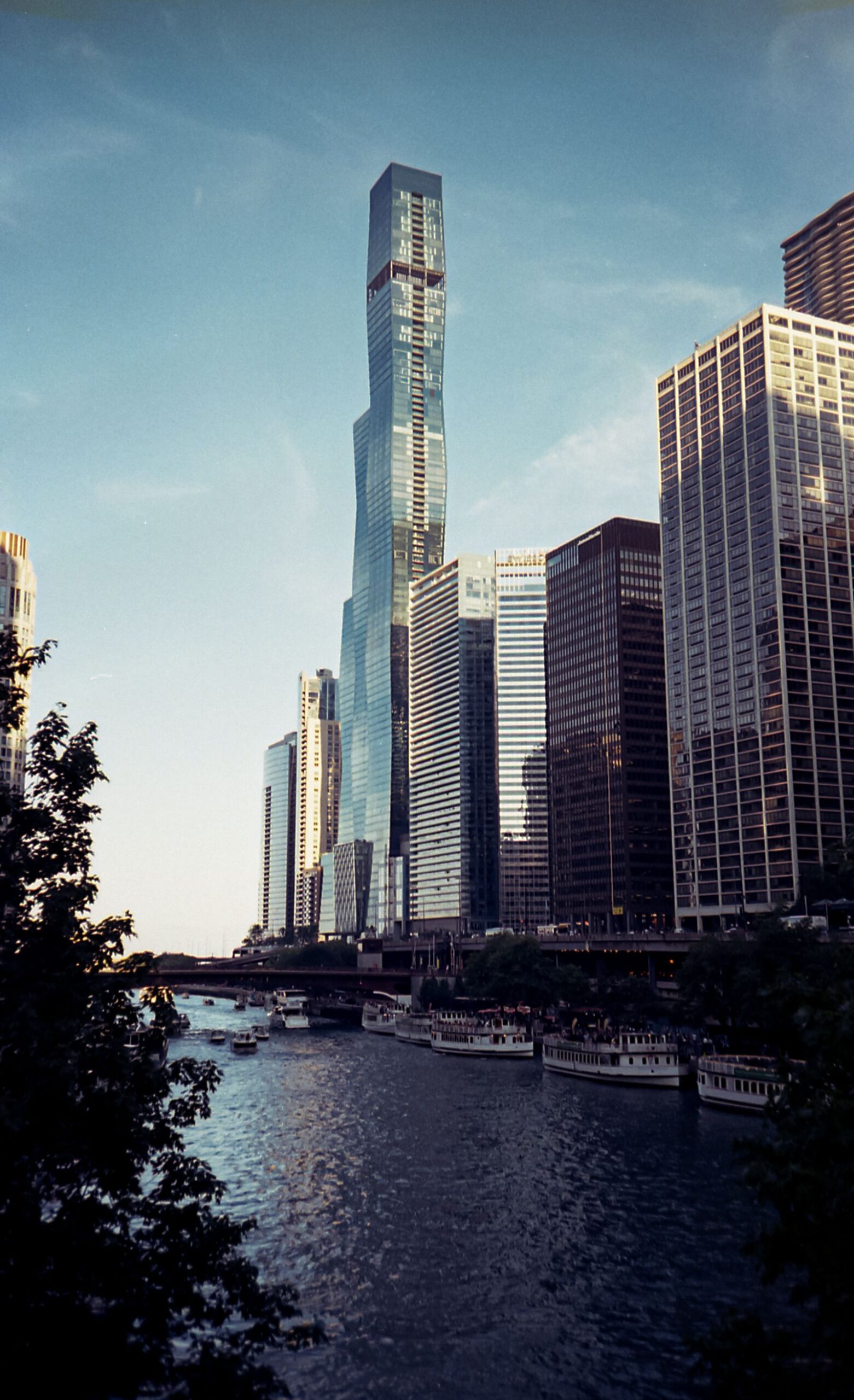
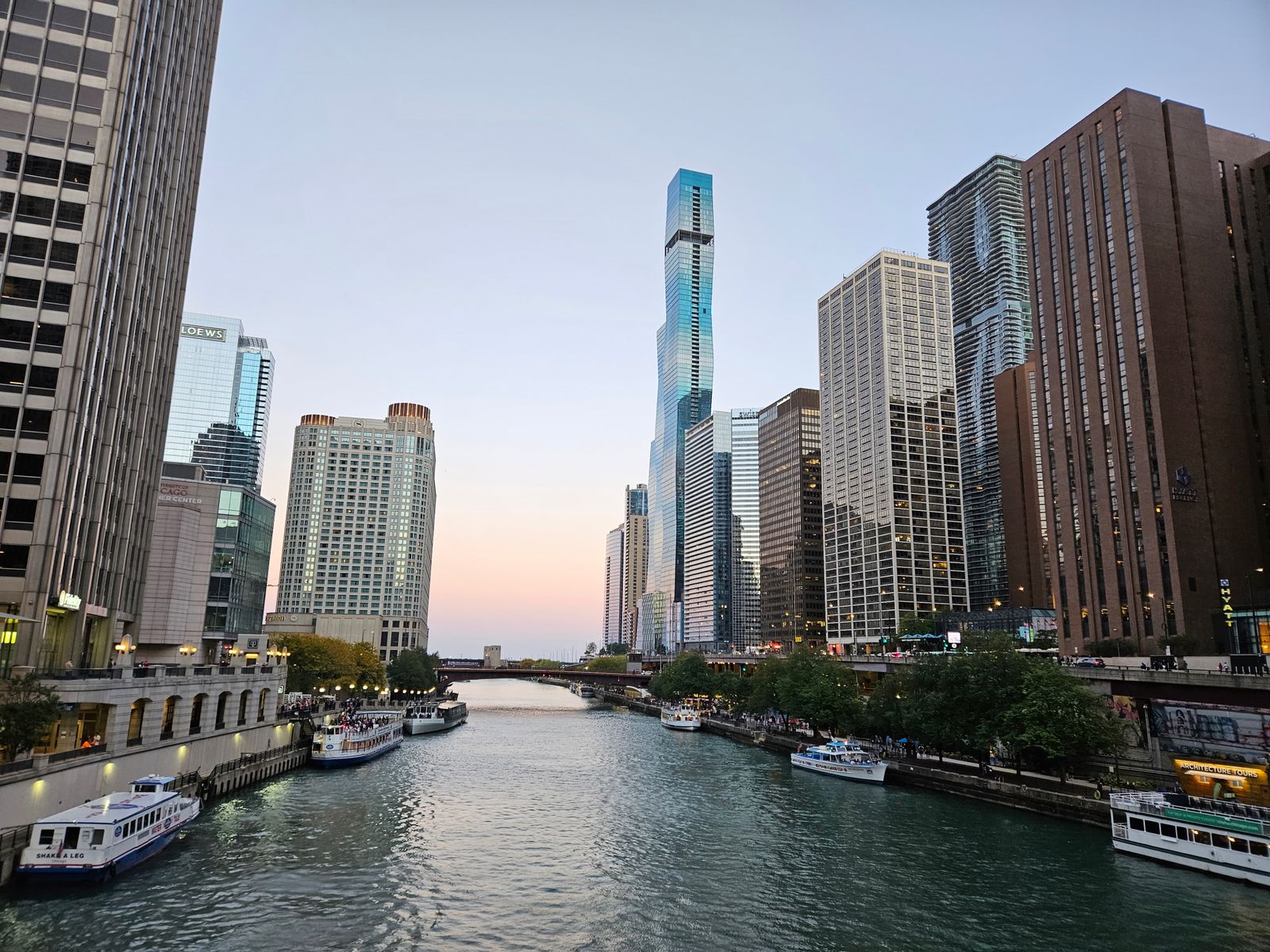
Featured image: Chicago River and skyline. Photo: Mzw87 via Pexels.
Research basis and experience disclosure: This is a research-based planning guide built from official Chicago tourism, CTA, airport, city, park, and independent vegan-directory information. It is not a first-hand account, and it does not claim that any restaurant, hotel, route, attraction, or accessibility feature has been personally tested. Menus, business status, transit service, admission procedures, and weather-related conditions change. Recheck the linked official sources before each important part of your trip.
Commercial disclosure: This published guide contains no paid placement, sponsored recommendation, or affiliate restaurant ranking.
Location: Chicago, Illinois
Trip scope: Vegan travel in Chicago can include the Loop, lakefront, North Side, West Side, South Side, and selected nearby neighborhoods. This guide is organized around practical visitor clusters rather than a citywide restaurant ranking.
Primary airports: Chicago O’Hare International Airport and Chicago Midway International Airport. Official visitor information: Choose Chicago getting-around guidance. Official transit information: Chicago Transit Authority. Airport ground transport: O’Hare and Midway.
Location link: Use the official visitor, CTA, and airport pages to map your accommodation, arrival route, and daily neighborhood cluster. Recheck service alerts, elevator status, weather, attraction access, and venue information close to travel.
Current CTA check: CTA provides live rail and bus alerts, elevator alerts, trip-planning tools, and airport guidance. Service conditions can change with planned work, weather, events, and accessibility outages, so check the official status pages before committing to a tight route.
Featured image credit: Pexels source page. General travel-planning illustration; not a personal photograph.
Why Chicago Works for a Vegan Trip
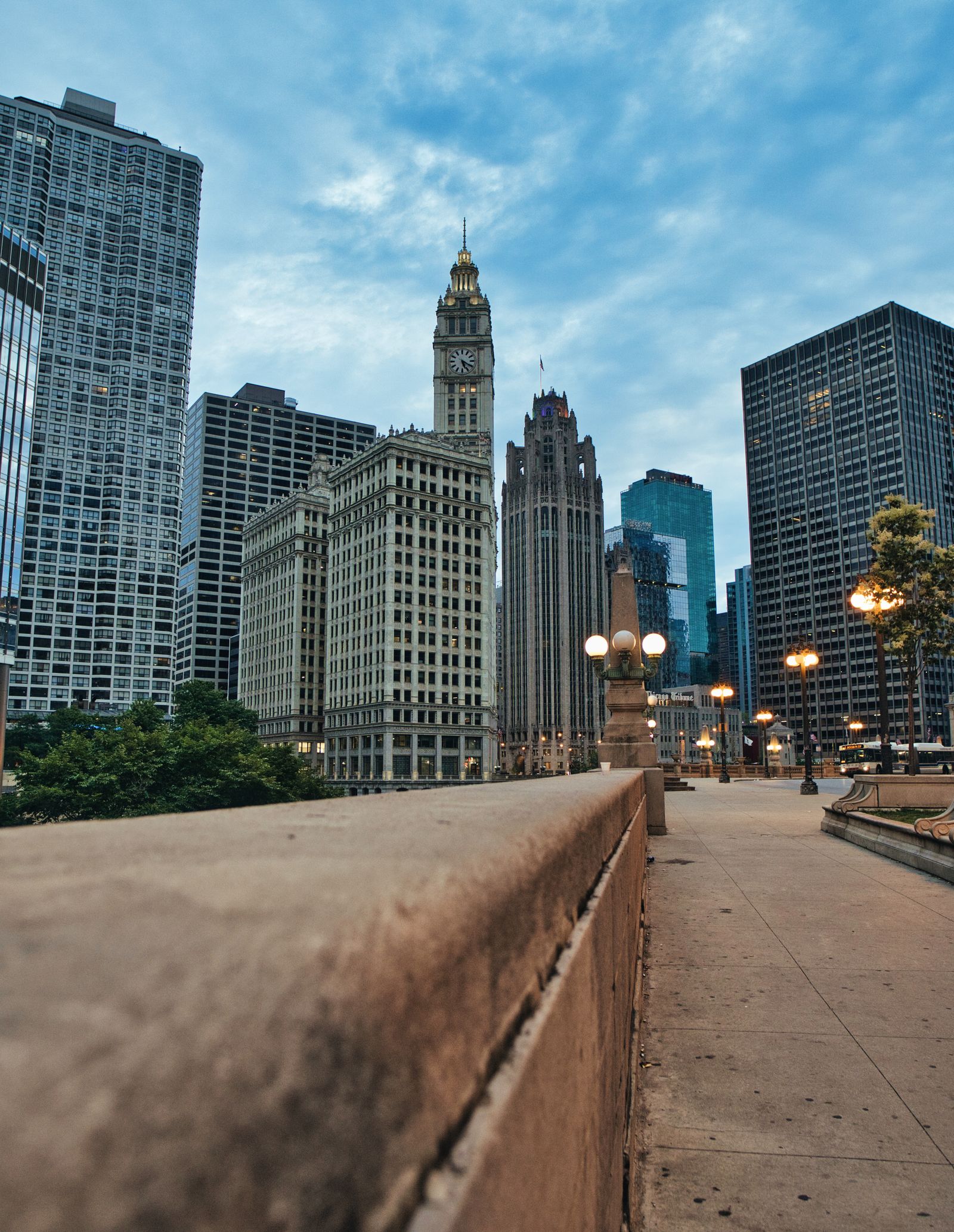
Chicago offers more than a collection of plant-based restaurants. It is a city where food can fit naturally into days organized around the river, downtown architecture, the lakefront, museums, parks, music, comedy, sports, and distinct neighborhoods. The street grid is comparatively understandable, and CTA trains and buses connect many visitor areas without requiring a car.
For vegan travelers, the most useful characteristic is variety. You can look for fully vegan businesses, mixed-menu restaurants with clearly labeled options, international cuisines, bakeries, coffee shops, food halls, grocery stores, and adaptations of local comfort foods. However, availability is uneven across the city. A destination that looks close on a zoomed-out map may require a transfer or a long bus ride. The best plan is to identify a few food clusters that overlap with your actual interests.
This guide intentionally avoids a fixed “top restaurants” list. Restaurant names, hours, ownership, menus, and vegan labeling can change faster than a destination article can be updated. Use the process below alongside the Vegan Journey Map guide to verifying vegan restaurants and the Vegan Journey Map city-break guide for a reusable short-trip planning method.
Where to Stay for Vegan Travel in Chicago
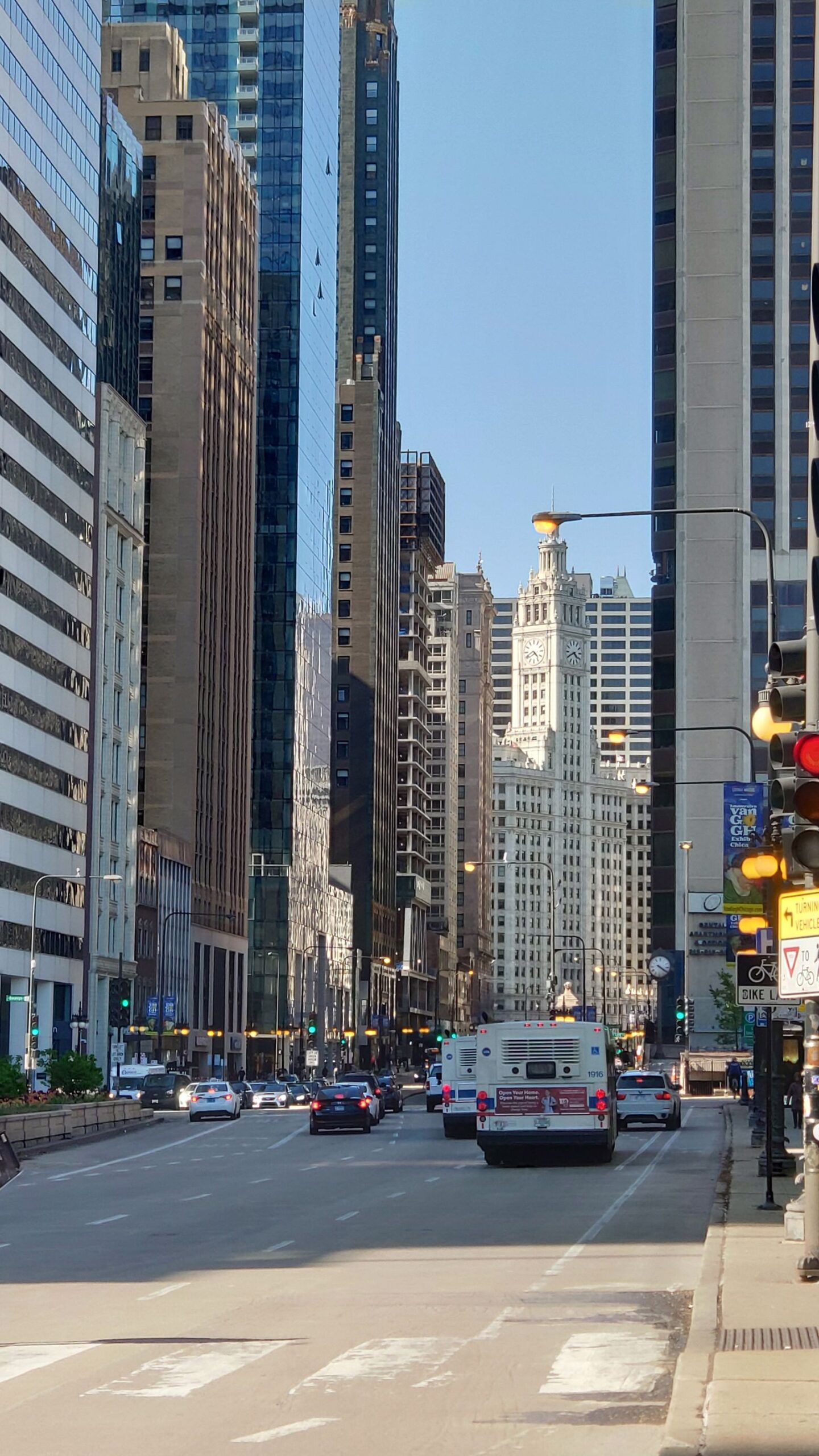
A good Chicago base reduces exposure to inconvenient transfers and gives you a practical fallback when wind, rain, snow, heat, or fatigue changes the day.
The Loop for landmarks and transport
The Loop is practical for a first visit centered on Millennium Park, the Art Institute area, architecture, the Riverwalk, theater, and easy access to several rail lines. It can be particularly convenient for travelers arriving by train or planning multiple downtown attractions.
The central business district can feel quieter in some blocks outside office and event hours, and not every meal you save will be directly in the Loop. Check the exact hotel location, its closest rail stations, and the evening route back from your preferred neighborhoods.
River North, Streeterville, and the Near North Side
These areas place visitors near the river, Magnificent Mile, lakefront access, museums, and many hotels. They can suit a short, classic sightseeing trip. Accommodation and dining can trend toward visitor-oriented rates, so compare the final booking total and plan a mix of meals.
Do not assume that every north-side neighborhood is a quick walk away. Chicago stretches a long distance north, and a restaurant several neighborhoods beyond the center may require the Red or Brown Line, a bus, or a rideshare.
West Loop and nearby west-side districts
The West Loop is known for dining and converted industrial streets, with access to downtown and areas farther west. It can work for travelers who treat food as a major trip theme. Verify walking routes to rail, especially at night or in poor weather, because a property described as “West Loop” may sit at different distances from stations.
Nearby Ukrainian Village, Wicker Park, Bucktown, and Logan Square offer a more neighborhood-led experience. They are not interchangeable, so examine the Blue Line and relevant bus connections before booking.
North-side neighborhood bases
Lakeview, Lincoln Park, Uptown, Andersonville, and adjacent districts can appeal to repeat visitors, families, music fans, and travelers who prefer residential streets to downtown towers. These areas provide access to parks, the lakefront, and local businesses. The trade-off is longer travel to some central museums and south-side attractions.
A north-side stay is most effective when at least half your itinerary is also on the north side. Otherwise, a central base may save time.
Vegan Travel in Chicago Decision Table
How Vegan Travel in Chicago Stays Reliable
For vegan travel in Chicago, start with independent discovery sources to see where fully vegan and vegan-friendly businesses are concentrated. A directory is a discovery layer, not proof that a listing is open or unchanged. Recent user updates can help identify issues to investigate, but the business’s own current information should carry more weight.
Open the restaurant’s official website or official social account. Confirm the address, branch, opening day, service hours, reservation process, and current menu. If a dish is important enough to justify a special trip, contact the restaurant. Ask whether it is available at the planned time and whether it is vegan as served.
For mixed kitchens, clarify sauces, bread, cheese substitutes, fryer use, broths, cooking fats, and garnishes. Chicago comfort-food adaptations can include multiple components, and the main plant-based filling does not guarantee that the bun, crust, sauce, or topping is vegan.
Travelers with allergies need a second conversation. Vegan status and allergy safety are separate. A vegan kitchen may still handle gluten, soy, nuts, sesame, coconut, or other allergens. Ask whether the kitchen can manage cross-contact according to your needs.
Finally, save a backup within a short walk or direct transit ride. A backup can be another restaurant, a market, a grocery store, or a simple meal assembled from clearly labeled products. This matters in Chicago because weather can make an otherwise reasonable walk unpleasant.
Chicago Foods Vegans May Want to Research
A vegan trip can engage with Chicago food culture without assuming that traditional versions are plant-based.
Deep-dish and tavern-style pizza
Chicago’s pizza identity includes more than one style. Vegan versions may use dairy-free cheese, vegetable toppings, plant-based proteins, or cheese-free combinations. Confirm whether the crust, sauce, cheese alternative, and finishing ingredients are vegan. Ask about preparation if shared equipment matters to you.
Chicago-style hot dogs and sausages
Plant-based versions can recreate the city’s topping combinations, but check the bun and every condiment. A menu may describe the sausage as vegan while leaving the rest of the build unclear.
Italian beef-inspired sandwiches
Vegan restaurants sometimes interpret local sandwich traditions using seitan, mushrooms, or other plant-based fillings. Verify the bread, cooking liquid, peppers, and shared preparation. Treat any specific item as changing inventory rather than a guaranteed city fixture.
Global neighborhood food: Destination Planning
Chicago’s neighborhood cuisines are often more interesting than a checklist of imitations. Research Mexican, Indian, Ethiopian, Middle Eastern, East and Southeast Asian, Caribbean, Polish-influenced, and contemporary American options. Ask specific ingredient questions about lard, dairy, eggs, fish sauce, oyster sauce, broth, ghee, honey, and shared fryers.
A Four-Day Vegan Travel in Chicago Itinerary
For vegan travel in Chicago, the itinerary below is designed to minimize repeated crossings. Replace meal slots with currently verified venues.
Day 1: The Loop, Millennium Park, and the river
Begin with breakfast near your hotel or a direct rail stop. Walk through Millennium Park and the surrounding downtown public spaces, checking the City of Chicago’s current visitor and accessibility information if an event is scheduled. Choose one major museum or architectural activity rather than stacking several timed experiences.
Plan lunch in or near the Loop. A central lunch protects the afternoon from transit delays. Later, walk part of the river area or join a verified architecture experience whose accessibility, weather policy, and departure point you have reviewed.
For dinner, either stay downtown or take one simple rail journey to a saved neighborhood. Avoid a multi-transfer dinner on the first evening. Chicago blocks, platform layouts, and wind exposure are easier to judge after one day on the ground.
Day 2: A Northwest Side neighborhood day
Use the Blue Line or a relevant bus to focus on a connected cluster such as Wicker Park and Bucktown, or continue toward Logan Square if your interests and verified food options support it. These neighborhoods reward slower walking, independent retail, coffee stops, and parks more than rushed landmark collection.
Choose lunch and dinner within the same broad corridor. Add one bakery, market, or café as an optional stop, not a mandatory appointment. If a saved business is closed, use the neighborhood backup rather than returning downtown immediately.
Check CTA alerts before the return trip. Weekend construction can alter platforms, frequency, or normal service patterns.
Day 3: Museum, lakefront, and North Side choice
Select a museum or indoor attraction that matches your interests, then pair it with a manageable lakefront or park segment. The lakefront can feel significantly cooler or windier than streets farther inland. Bring a layer even when the general forecast seems comfortable.
For the second half of the day, choose one north-side neighborhood. Lincoln Park and Lakeview can combine more naturally than trying to add Andersonville or Uptown to an already full schedule. Save dinner near the final activity or along the direct route back to the hotel.
If weather deteriorates, shift the outdoor segment to a museum, conservatory subject to current entry rules, bookstore, gallery, or longer meal. Verify every replacement before traveling.
Day 4: South Side, Hyde Park, or a personal-interest day
Hyde Park can support a focused day involving architecture, university surroundings, museums, lakefront spaces, and neighborhood dining research. It requires different transport planning than a Loop-to-North-Side day, so study CTA bus or Metra options and the return route in advance.
Alternatively, use the final day for sports, public art, shopping, music history, a second museum, or a neighborhood you intentionally left out. Keep airport-day food close to the route. Do not put a distant, time-sensitive restaurant immediately before departure.
CTA Transit Planning: Destination Planning
The Chicago Transit Authority operates the city’s “L” rail network and buses. The official visitor information notes that the Blue Line connects O’Hare with downtown and the Red Line operates between the North and South Sides through downtown, with both offering round-the-clock service. Service on a line does not mean every station experience or frequency is constant, so consult current schedules and alerts.
The color-coded rail network is easier to understand when you identify the line, direction, and destination terminal. In the Loop, several elevated lines share tracks and stations, so verify the train name before boarding. Some routes change service patterns at different times.
Buses are essential for many east-west journeys and for neighborhoods beyond rail stations. They can also reduce walking or stairs, but traffic affects travel time. The official CTA trip planner and real-time information are more reliable than a static screenshot saved weeks earlier.
Use the same fare medium consistently and consult the CTA’s current fare information before travel. This guide does not preserve prices because fare products and rules can change.
Arriving Through O’Hare or Midway
O’Hare International Airport has a CTA Blue Line station within the airport complex, according to official airport information. The Blue Line provides a direct rail connection toward downtown, but your total journey depends on the terminal, station access, luggage, waiting time, and hotel location.
Midway International Airport connects to the CTA Orange Line. A central hotel near a Loop station may therefore be convenient, but late-night or disruption planning is still necessary. Check the airport and CTA websites for construction, station notices, and service changes.
For either airport, compare public transit with a licensed taxi or rideshare using the actual arrival time and group needs. Rail often avoids road congestion, while a car may be simpler for several travelers with heavy luggage or for an accommodation that requires an awkward transfer.
Pack a suitable snack rather than depending on a specific airport concession. Airport dining changes by terminal, security area, and operating hour. Confirm options using the airport’s current directory if you need a full meal.
Walking, Cycling, and the Lakefront
Downtown and many neighborhoods are walkable, but Chicago’s scale is easy to underestimate. The grid helps orientation: addresses and major streets can indicate direction, yet a route that spans several neighborhoods is not necessarily a pleasant walk.
The lakefront is a major advantage for visitors who enjoy public outdoor space. Conditions can differ from inland areas because of wind, temperature, sun, and waves. Follow official park or lakefront notices. Do not rely on a travel photo to assess current conditions.
Bike-share and cycling can connect parks and neighborhoods, but visitors should review system rules, helmet choices, route comfort, weather, and docking availability. A protected segment can lead into a more complex intersection. If cycling is not part of your normal routine, a vacation is not the ideal time to assume city traffic will feel easy.
Weather Strategy by Season
Chicago rewards preparation more than rigid seasonal stereotypes.
Spring can shift between cold, rain, wind, and comfortable walking weather. Pack layers and protect electronics. Summer can bring heat, humidity, storms, and strong sun, so schedule lakefront or park time with water and indoor relief. Autumn can be excellent for walking, though temperatures and daylight change through the season. Winter demands serious attention to footwear, wind protection, flight disruption, shorter daylight, and the distance between stations and destinations.
A weather-resilient itinerary has three layers:
- One primary activity with verified operating information.
- One indoor alternative in the same area.
- One meal backup that does not require a long exposed walk.
Avoid nonrefundable bookings in multiple far-apart districts on the same severe-weather day.
Budget Planning Without Fixed Price Claims
Build a live budget from current quotes. Chicago costs vary by events, conventions, sports schedules, season, neighborhood, and booking conditions.
Accommodation totals should include taxes and mandatory charges. Compare the value of being near transit with the apparent saving of a distant property. Add airport transport, local transit, and a small contingency for a car ride during severe weather or late service disruption.
For food, combine grocery breakfasts, simple lunches, bakery or café snacks, and a limited number of destination dinners. Vegan dining can be economical or expensive depending on format. A restaurant’s plant-based identity does not predict its price category.
Many high-value experiences involve public space: the Riverwalk, parks, neighborhood architecture, public art, and parts of the lakefront. Museums, tours, performances, and observation attractions should be checked for current admission, reservation, bag, and cancellation rules.
Accessibility Planning: Destination Planning
Choose Chicago publishes accessibility-oriented visitor information, CTA provides accessible-services resources, and individual attractions maintain their own policies. Verify the complete path, not just the final venue. This includes station elevators, platform access, curb conditions, distance from the stop, building entrance, restrooms, seating, and return route.
The City of Chicago provides specific accessibility information for Millennium Park events, including routes, seating, assistive services, and drop-off guidance. Details can differ by event, so read the current page and contact organizers when an accommodation is essential.
Buses can be useful when rail elevators are unavailable or when a stop is closer to an entrance. Allow extra time and identify a second route. Snow, construction, festivals, and temporary closures can alter the accessible path even when a venue remains open.
Ethical and Animal-Conscious Activities
Chicago can be explored through architecture, public art, human history, music, theater, comedy, parks, independent shops, and lakefront landscapes. If a trip includes an animal attraction, research its practices separately and decide whether it matches your own vegan ethics. Marketing words such as “conservation” or “rescue” should not replace closer evaluation.
For shopping, verify materials rather than relying on “vegan leather” as a complete product description. Shoes and bags can contain animal-derived glue, wool blends, silk linings, leather trim, beeswax finishes, or undisclosed components. Cosmetics may require checks for both ingredients and testing policies.
The Vegan Journey Map travel resources guide covers practical tools and backups, while the vegan trip-planning guide helps coordinate the complete journey.
Common Planning Mistakes: Destination Planning
Building the day around restaurant rankings
Rankings are subjective and can become outdated. Build the day around interests and geography, then choose verified food that fits.
Assuming all central neighborhoods are adjacent
“Near downtown” can still mean a long walk or bus ride. Check door-to-door routes.
Ignoring wind and weather exposure
A short lakefront distance can feel longer in adverse conditions. Keep layers and an indoor option.
Treating vegan labeling as allergy assurance
Ask separate questions about allergens and cross-contact.
Scheduling north, west, and south-side stops in one day
This creates more transit than travel. Give each area enough time.
Relying on an old menu photo
Use the current official menu and contact the business for an important dish.
Vegan Travel in Chicago Meal Verification Checklist
Before leaving for a planned meal:
- Confirm the exact address and neighborhood.
- Check today’s hours on an official channel.
- Review the current menu and vegan labels.
- Confirm the whole dish, including bread, sauce, garnish, and sides.
- Ask about shared fryers or equipment if relevant.
- Communicate allergies separately and clearly.
- Check whether reservations or event tickets affect access.
- Review the walking route from the station.
- Save a nearby backup with different opening hours.
Frequently Asked Questions
Is Chicago easy to visit without a car?
Yes for many visitor itineraries. CTA trains and buses serve downtown, airports, and numerous neighborhoods. A car can add parking and traffic complications. Check routes for your exact accommodation and priorities rather than assuming every district is rail-adjacent.
Which airport is better for a Chicago city break?
It depends on the flight, arrival time, fare, accommodation, and onward route. O’Hare connects to the Blue Line and Midway to the Orange Line. Compare the complete terminal-to-hotel journey and current service.
Where should a vegan first-time visitor stay?
The Loop or a nearby central area is often simplest for landmark-heavy trips. A neighborhood base can be better for food and local atmosphere when its transit line matches the itinerary.
Can vegans try Chicago-style foods?
Vegan interpretations may be available, but recipes and business offerings change. Verify every component and do not assume a plant-based main ingredient makes the full dish vegan.
How many days are enough?
Three full days allow a central day, one neighborhood day, and one museum or lakefront day. Four or five days support a slower pace and a dedicated South Side or additional neighborhood plan.
Do I need restaurant reservations?
Only where the business recommends them or where a special meal matters. Keep some meals flexible because transit, weather, and attractions can change your timing.
Is Chicago suitable for winter vegan travel?
Yes, with realistic outdoor blocks, warm clothing, indoor alternatives, and close meal backups. Monitor official weather and transport information instead of relying on typical seasonal descriptions.
How can I avoid outdated vegan recommendations?
Use directories for discovery, then verify the venue’s current official menu, address, hours, and service method. Recheck on the day and retain a nearby backup.
5P Position And Plan
Position: A neighborhood-based Chicago guide focused on practical routing, seasonal conditions, and current food verification rather than static rankings.
Plan: Build a 2- to 4-day Chicago itinerary with clustered neighborhoods, transit-aware meal anchors, and a backup option for each day.
Useful Sources And Verification
Research status: This guide summarizes researched planning information and does not claim personal testing. Verify changing details before travel.
- Choose Chicago: getting around for the official visitor overview of CTA, walking, regional rail, cycling, taxis, and accessibility resources.
- Chicago Transit Authority, including current trip planning, schedules, alerts, fares, and accessible-service information.
- O’Hare official ground transportation and Midway official ground transportation.
- Chicago Park District and the City of Chicago Millennium Park accessibility page.
- Access Living Chicago transit resources for independent accessibility context; confirm current service details with the transit agencies.
- National Weather Service Chicago for current forecasts, hazards, radar, and travel-weather checks.