

Vegan Destinations: How to Choose the Right Place
Short answer: There is no universal best vegan destination. Choose the place that fits your actual trip style, route, food access, transport, accommodation, budget, access needs, and current evidence. Shortlist no more than three candidates, map a realistic day, and recheck the details that can change before you book.
Choosing among vegan destinations is not simply a matter of finding the city with the longest restaurant list. The right vegan destination is not automatically the city with the longest restaurant list. It is the place where you can reliably eat well, reach suitable food without wasting the day, enjoy the kind of trip you want, and verify the important details before you book. Start with your trip style, map food around the areas you will actually visit, assess transport and grocery backups, then compare current official and independent evidence.
What you’ll find in this guide
Define your food brief · Compare decision factors · Choose by trip type · Map food access · Score a shortlist · Test a sample day · Read the FAQs
Updated 27 October 2026. Recheck entry rules, weather, transport, food availability, and current destination conditions before booking.
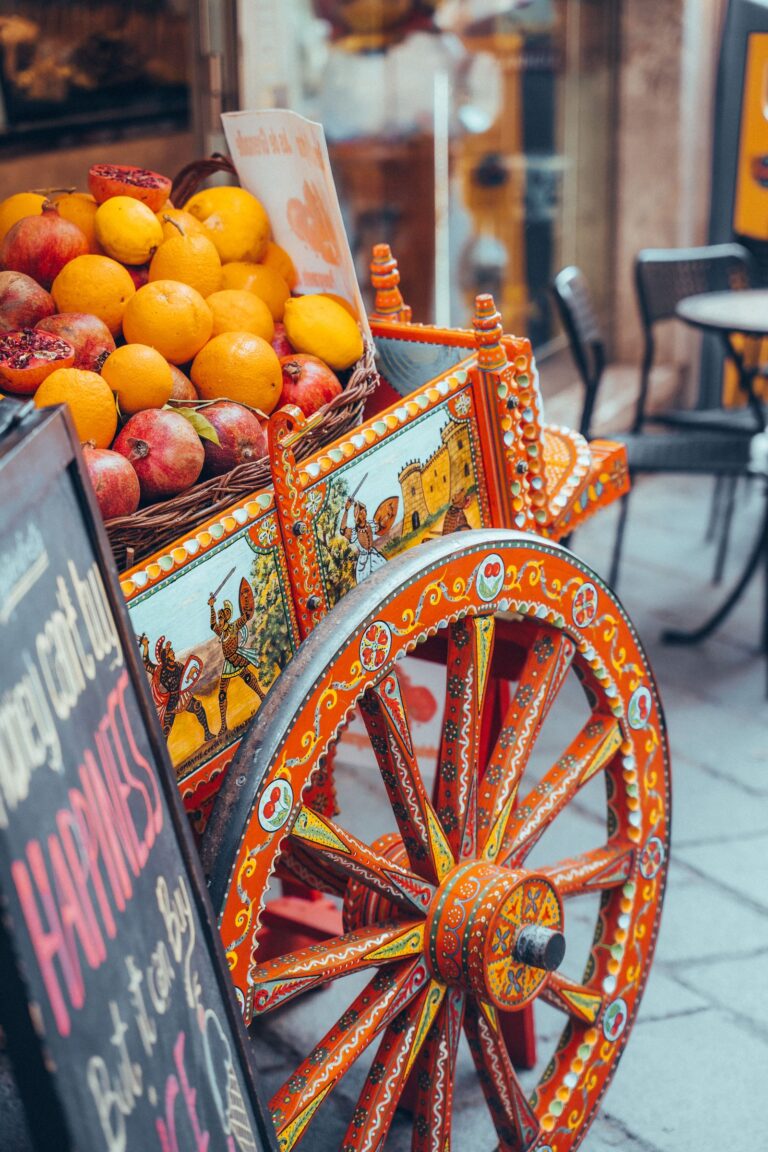
Featured image credit: Pexels / source photo page.
The 5P plan for choosing vegan destinations
Position: This guide to vegan destinations is a destination-selection framework, not a static ranking of cities. It helps readers compare food access, transport, accommodation, verification strength, trip style, and responsible-travel factors before booking.
Plan: A reader should finish with no more than three serious candidates, a simple evidence-based comparison, and a sample day that exposes food or transport gaps. The measurable outcome is a vegan destination choice that can support the actual itinerary rather than only a restaurant list.
People: The method supports solo travelers, families, mixed-diet groups, travelers with allergies, travelers with access needs, and people choosing between cities, islands, rural stays, or road trips.
Proof: Current menus, transport routes, entry rules, accommodation details, health guidance, and sustainability claims require first-party or recognized independent verification. Search snippets and old rankings are starting points, not proof.
Practicality: The framework turns a broad destination search into manageable checks: define the trip, map the real route, score the evidence, test one day, and recheck time-sensitive details.
A dense capital with many vegan restaurants can be ideal for a food-focused weekend but frustrating if the venues are spread across distant neighborhoods. A smaller city with fewer listings may work better when its central market, supermarkets, public transport, and traditional plant-based dishes create dependable options. Rural and nature trips can also be excellent, provided you choose accommodation with a kitchen or obtain clear written meal commitments.
This guide is research-based. It does not present personal visits, fixed restaurant counts, destination ratings, or a universal ranking. Restaurant openings, transport services, entry rules, weather risks, and local conditions change. Recheck official sources and current business information before paying for a trip.
Define What “Vegan-Friendly” Must Mean for You
“Vegan-friendly” is too broad to make a booking decision on its own. One traveler may be happy with supermarket breakfasts and one destination restaurant each evening. Another may want vegan bakeries, traditional dishes, fine dining, cooking classes, and a fully vegan hotel. A traveler with allergies needs cross-contact information that a vegan label does not provide. Someone with limited mobility needs step-free routes and venues that publish useful access details.
Write a one-sentence trip requirement before browsing destinations. For example:
- “I want a three-night rail-accessible city break with a substantial vegan breakfast near the hotel and several dinner choices within 20 minutes.”
- “I want a coastal week with self-catering, a produce market, dependable groceries, and two special restaurant meals.”
- “I want a culture-focused trip where I can try clearly verified vegan versions of regional dishes.”
- “I need a destination where allergy communication, medical access, and English-language ingredient information are manageable.”
This prevents a common mistake: choosing a place because it looks impressive in a list, then discovering that its strengths do not support your actual itinerary.
Vegan Destination Decision Table
| Decision factor | Evidence to collect | Warning sign |
|---|---|---|
| Everyday food access | Breakfast, lunch, dinner, grocery, and late-arrival options near your route | Most saved places require separate cross-city trips |
| Verification strength | Current menus, official channels, recent independent reviews, direct replies | Undated lists or businesses with no recent operating evidence |
| Local food experience | Vegan versions of regional dishes, markets, independent producers | Only generic bowls, burgers, or hotel side dishes |
| Transport | Official journey planner, late service, airport or station route, accessibility | Food options depend on taxis or infrequent buses |
| Accommodation fit | Kitchen, fridge, breakfast confirmation, nearby grocery, clear access details | Vague “dietary needs accommodated” wording with no specifics |
| Trip resilience | Backups for closures, disruption, weather, holidays, and arrival night | One essential restaurant with no alternative |
| Responsible travel | Local businesses, resident guidance, lower-impact transport, animal-welfare checks | Attractions based on captive-animal contact or misleading welfare claims |
| Budget control | Grocery strategy, meal mix, booking terms, transport costs | Cheap room creates high daily travel and food costs |
Use the table to compare no more than three serious candidates. A long shortlist encourages superficial research. Three destinations are enough to expose meaningful differences without creating decision fatigue.

Start With Vegan Destinations by Trip Type
Food-first city break
When comparing vegan destinations, a food-first city break needs density and variety. Look for more than a raw venue count. Map whether breakfast, bakeries, traditional dishes, casual meals, and one special dinner can fit naturally around museums, neighborhoods, and evening plans.
Useful evidence includes current official menus, functioning reservation systems, recent photographs, local vegan organizations, and a directory such as HappyCow for discovery. Directory entries should lead to direct verification, not replace it. A venue may have moved, reduced its hours, changed ownership, or shifted from fully vegan to mixed service.
The strongest food destination for your dates is one with several workable clusters. If one neighborhood has six appealing places but is an hour from your accommodation, those listings may contribute little to the real trip.
Culture-first trip
For a culture-first trip, food needs to support the itinerary rather than dominate it. Put your priority attractions on a map, add transport hubs, then identify meal anchors nearby. Research traditional dishes by components: base, broth, cooking fat, seasoning, garnish, and accompaniment. Many foods that appear plant-based can include dairy, egg, fish sauce, meat stock, lard, honey, or animal-derived glaze.
Seek locally rooted vegan businesses, market stalls with clear ingredient communication, and restaurants that adapt regional food rather than only serving global café dishes. This provides a stronger connection to place while keeping verification practical.
Beach, island, or resort holiday
A beach destination can look easy because fruit, rice, and vegetables are visible, yet meal reliability may depend heavily on the resort, seasonal opening patterns, ferry schedules, and access to shops. Ask the accommodation for specific examples of breakfast and dinner, not simply whether it “caters for vegans.”
Check whether you will have a fridge, kettle, microwave, or full kitchen. Locate a grocery store and confirm how you will reach it. On islands, weather and transport disruption can affect deliveries and restaurant access, so shelf-stable backup food has more value than it would in a dense city.
Road trip
A vegan road trip depends on route design. A region may have excellent restaurants overall but long gaps between them. Map fuel or charging stops, supermarkets, picnic areas, accommodation, and food before finalizing daily distance.
Avoid building every day around a single restaurant that closes early or rests on certain weekdays. Carry a modular food kit and identify ordinary grocery items that can become a meal. The Vegan Journey Map guide to hotel-room vegan recipes is useful when overnight stops have limited dining.
Hiking and nature travel
For hiking, cycling, and remote trips, calorie needs, food weight, water access, waste, and border restrictions matter more than restaurant choice. Check park authority guidance, fire restrictions, wildlife-safe food storage, hut or campsite facilities, and rules on bringing agricultural products.
Do not assume a lodge can produce nutritionally adequate vegan meals because it can remove meat. Ask what the protein source, breakfast, packed lunch, and evening meal would be. If you need to carry supplies, confirm transport security and customs rules before buying large quantities.
Visiting friends or family
A destination may be personally important even when its vegan infrastructure is limited. In that case, make the social plan easier: share a short explanation, offer to shop or cook, identify one inclusive restaurant, and bring or buy familiar staples. The goal is not to make hosts reproduce a specialist restaurant. It is to create clear expectations and a workable fallback.
Measure Food Access in Vegan Destinations
A destination-level search can hide neighborhood problems. Compare vegan destinations by mapping the real route rather than counting pins. Build a simple map with these layers:
- Arrival point and departure point
- Likely accommodation areas
- Fixed attractions or events
- Fully vegan venues
- Mixed-menu venues with clearly labeled choices
- Groceries and markets
- Breakfast and late-opening options
- Emergency fallback meals
Then test an ordinary day. Can you get breakfast before the first activity? Is lunch near the museum district or trailhead? Is dinner reachable after the last attraction closes? What happens if the first choice is shut?
Walking distance should be judged against terrain, weather, lighting, mobility, and the time of day. A short map distance may involve steep streets, inaccessible stations, unsafe crossings, or intense heat. Use the official local transport operator for route and accessibility information. General map apps are convenient, but planned works and station-specific limitations may appear first on the operator’s own channels.

Evaluate Food Quality in Vegan Destinations
Restaurant quantity is a weak measure unless you inspect what those places provide. The strongest vegan destinations offer useful variety across ordinary meals, local food, groceries, and backup situations. Divide the available food into practical functions:
- Early breakfast
- Quick lunch
- Substantial dinner
- Traditional local food
- Grocery or market meal
- Celebration or special-occasion meal
- Late arrival option
- Transport-day food
- Allergy-aware option if required
A destination with twenty dessert shops and cafés may still be difficult for early departures or late dinners. A city with fewer specialist restaurants may be easy if ordinary restaurants use clear vegan labels and supermarkets carry reliable ready-to-eat food.
Look for menu depth. One token dish can disappear or sell out. Several starters, mains, and sides usually give more resilience. However, menu breadth is not proof of cross-contact controls, and a vegan menu is not automatically safe for a milk, nut, gluten, soy, or sesame allergy.
Verify Restaurants Without Pretending Certainty
Use a layered check for places that matter:
First-party confirmation
Read the restaurant’s current official menu and booking page. Check the address, service days, kitchen hours, reservation terms, and how vegan items are identified. If the site links to social media, look for recent operating updates without treating social activity as a guarantee.
Independent operational evidence
Read recent, detailed reviews and inspect current photographs. Useful evidence mentions what was ordered, when the person visited, whether the venue had moved, and whether listed hours matched reality. An old positive review proves only that the restaurant operated at that time.
Direct question
Contact the venue when a meal is central to the trip, the menu is unclear, or you have medical allergies. Ask one or two precise questions. “Is the dish vegan?” may be enough at a specialist venue. Elsewhere, ask about stock, cooking fat, sauce, garnish, and cross-contact according to your needs.
Record the date checked. Reconfirm shortly before travel if the booking was made months earlier.
Examine Grocery and Self-Catering Strength
Groceries are not merely emergency supplies. They can solve breakfast, early departure, picnic, train, and arrival-night problems while reducing the pressure to schedule every meal.
Search the official websites of likely supermarket chains for store locations and local product information. Check whether your accommodation has realistic preparation facilities. “Kitchenette” can mean anything from a full hob to a kettle and mini-fridge.
A useful grocery fallback includes:
- Bread, wraps, rice cakes, or another carbohydrate
- Hummus or another verified spread where available
- Beans, lentils, tofu, or ready-to-eat pulses
- Nuts or seeds when suitable
- Fruit and vegetables
- Plant milk or breakfast food
- A clearly labeled ready meal or soup
- A transport snack for the next day
Formulations differ by market, so read the local package. Certification such as The Vegan Society Vegan Trademark or V-Label can help when genuine and applicable to the exact product, but it does not replace allergy checks.
Match Accommodation to Food Reality
Accommodation location can matter more than room style. Compare the total daily effort required to reach food, transport, and attractions.
Ask properties specific questions:
- What vegan breakfast items are normally available?
- Are plant milk, a protein source, and a substantial hot or cold option included?
- Is food prepared in a shared kitchen?
- Can the property provide ingredient or allergen information?
- Does the room have a refrigerator or cooking equipment?
- Is there a grocery store reachable at your arrival time?
Keep the reply. Reconfirm shortly before arrival if the meal is important. A promise from an individual staff member months earlier may not survive staffing, supplier, or menu changes.
A central room can cost more but reduce transport spending and protect time. A cheaper edge-of-city property may work well when it sits on a direct transit line and has nearby groceries. Compare the complete system, not only the nightly rate.
Consider Language and Ingredient Complexity
Vegan travel is easier where local terminology is specific, menus are labeled consistently, and staff can access ingredient information. That does not mean you should only visit English-speaking places. It means communication risk belongs in the decision.
Research how vegetarian and vegan are understood locally. Learn the words for dairy, egg, fish, fish sauce, meat stock, animal fat, honey, and gelatin. Save a dietary card offline. The guide to saying “I’m vegan” in another language explains how to create a clearer message than a single translated label.
Translation tools help, but menus contain regional terms, abbreviations, and culinary meanings that literal translation may miss. When the consequence matters, combine translation with a direct ingredient question.
Build Accessibility and Health Into the Choice
Accessibility information should be collected with the same seriousness as restaurant information. Check official transport access pages, station lifts, step-free routes, accessible toilets, accommodation entrances, and venue seating. Contact providers when published details are incomplete.
For health planning, use recognized travel-health authorities and personal medical advice. A destination’s vegan options do not determine vaccination, medication, heat, altitude, food-safety, or water risks. Check the World Health Organization travel advice, a relevant national source such as CDC Travelers’ Health, and the destination’s own public-health information.
If you have severe allergies, celiac disease, diabetes, kidney disease, or another condition affecting food decisions, assess access to suitable products and medical care separately. “Vegan-friendly” is not a medical-risk category.
Include Entry, Customs, and Transport Rules
Before choosing between countries, check the official immigration authority for passport validity, visas, electronic authorizations, transit requirements, and length-of-stay rules. Requirements depend on nationality, residence, route, and document type.
Food rules are equally important when you plan to carry snacks or specialist products. Plant-based food can still be restricted because fresh fruit, vegetables, seeds, nuts, grains, and homemade items may carry pests or disease. Use the destination customs, agriculture, or biosecurity authority and declare food when instructed.
For flights, security rules distinguish solid food from liquids and gels. The U.S. Transportation Security Administration food guidance, for example, generally allows solid food while applying liquid limits to spreads and gel-like foods. Other countries set their own screening rules, and border import rules are a separate check.
Add Responsible Travel Criteria
A destination choice affects residents, workers, animals, and ecosystems. The Global Sustainable Tourism Council Destination Standard provides a useful framework covering destination management, resident engagement, local economic benefit, cultural heritage, access, animal welfare, waste, water, and lower-impact transport.
You do not need to audit an entire city, but you can make practical choices:
- Prefer rail or coach where realistic for the route.
- Use public transport, walking, or cycling where safe and accessible.
- Spend with locally owned vegan businesses and producers.
- Respect resident guidance on crowded districts, water use, waste, and sensitive sites.
- Avoid attractions involving direct contact, performances, rides, or photo opportunities with captive wildlife.
- Do not assume a sanctuary label proves welfare standards; investigate governance and animal-contact policies.
- Travel outside peak periods when conditions and personal circumstances allow.
Responsible travel is broader than eating vegan. It includes how you move, where money goes, and whether the trip respects the living destination.

Score Three Vegan Destinations
Give each candidate a score from zero to two for each category:
- 0: weak, unclear, or unsuitable
- 1: workable with planning
- 2: strong evidence and convenient fit
Score everyday meals, transport, accommodation, groceries, cultural interest, accessibility, budget, seasonal conditions, and backups. Weight the categories that matter most. A traveler attending a fixed event may give transport and location double weight. A food-focused traveler may prioritize traditional vegan dishes and venue variety.
Do not turn the result into a claim that one destination is objectively superior. The score is a personal decision tool. Keep notes beside each number so you remember why it was assigned.
Test a Vegan Destination With a Sample Day
Before booking, write one realistic day from breakfast to bedtime:
- 7:30 breakfast near the hotel
- 9:00 transport to the first attraction
- 12:30 lunch in the same district
- 15:00 second activity
- 18:30 dinner reservation
- 21:00 return route and late grocery option
Now remove the lunch venue. Does the plan still work? Move dinner to a closure day. Is there an alternative? Add heavy rain, a delayed arrival, or a public holiday. You do not need a perfect contingency for everything, but the destination should survive one ordinary disruption without leaving you hungry or abandoning the day’s main purpose.
This exercise is more predictive than a headline restaurant count because it combines geography, timing, and resilience.
Red Flags When Researching Vegan Destinations
Be cautious when a guide:
- Gives exact restaurant counts without a date and method
- Calls a destination “best” without defining criteria
- Treats vegetarian and vegan as interchangeable
- Recommends venues without linking to current official information
- Lists animal attractions without welfare assessment
- Claims a hotel caters to vegans based only on booking-platform filters
- Ignores transport between food and attractions
- Presents prices, opening hours, or visa rules as permanent
- Uses personal enthusiasm as proof that every traveler will find the place easy
Good destination guidance explains who a place suits, what evidence was checked, what may change, and how the reader can verify it.
Frequently Asked Questions
What are the best vegan destinations?
The best vegan destinations are the ones that fit your actual trip style, route, budget, access needs, and food requirements. There is no universal best destination. The strongest choice is the place that matches your trip type and provides reliable food around your real itinerary, practical transport, suitable accommodation, grocery backups, and current verification. Compare a small shortlist instead of accepting a fixed ranking.
How many vegan restaurants should a destination have?
There is no minimum number. Density, opening times, menu usefulness, location, grocery access, and backups matter more than the raw count. A small destination with several central options may be easier than a large city with many scattered venues.
Is a fully vegan hotel necessary?
No. A fully vegan property may reduce meal verification, but a conventional hotel can work if it provides specific written information, suitable facilities, and nearby alternatives. Assess the exact property rather than the label alone.
How can I check whether a city is vegan-friendly before booking?
Map accommodation areas, attractions, restaurants, groceries, and transit. Check current official menus and business channels, use recent independent reviews for operational evidence, and contact key venues or the hotel with precise questions.
Are restaurant directories reliable?
They are valuable for discovery and community updates, but listings can become stale. Verify important venues through current menus, booking systems, official updates, recent reviews, and direct contact.
What makes a destination suitable for a vegan family?
Look for flexible restaurants, grocery access, familiar backup foods, accommodation facilities, child-friendly transport, early dining times, and short distances. Include each family member’s allergies, preferences, and energy levels in the map.
Can rural destinations work for vegan travel?
Yes. Self-catering, advance communication, groceries, packed food, and a vehicle or dependable transport may matter more than specialist restaurants. Obtain specific meal information from remote accommodation and check food-carrying rules.
Should sustainability influence my destination choice?
Yes, where practical. Consider lower-impact transport, resident guidance, local economic benefit, water and waste pressures, cultural respect, and animal welfare. Do not rely on vague green claims; look for published policies, recognized standards, and measurable actions.
When should I recheck my research?
Recheck entry and transport rules before booking and again shortly before departure. Reconfirm essential accommodation meals and restaurants in the final week or two, with an additional same-day check for opening hours when practical.
Use this framework to compare vegan destinations before you book, then recheck the details that can change.





2 Comments
Comments are closed.