
How to Find Vegan Restaurants While Traveling
Short answer: Find vegan restaurants in layers: discover candidates with HappyCow or map search, confirm the exact branch and current menu, check recent evidence and opening times, then save a backup near the route. A restaurant is only a useful option when it is reachable, open for the meal you need, and able to answer the vegan or allergy questions that matter.
Updated 27 October 2026. Restaurant hours, menus, listings, and transport can change, so recheck time-sensitive details before you leave.
What you’ll find in this guide
Five-layer search method · Quick decision table · Search around the meal · Use discovery tools · Handle travel situations · Prepare offline · FAQs
Featured image credit: Pexels, cottonbro studio, source photo page.
The goal is not to build the longest possible restaurant list. It is to identify a small set of current, reachable, suitable options for specific moments: arrival, a busy sightseeing day, a late evening, a travel connection, and an emergency fallback. Discovery tells you that a venue might work. Verification tells you whether it is likely to work for this meal.
This is a research-based guide. It does not claim that any directory, map listing, restaurant inventory, rating, opening time, menu, price, or review is permanently accurate. Recheck important details with the restaurant and relevant transport operator close to the visit.
The Five-Layer Search Method
A dependable restaurant search uses five evidence layers:
- Vegan discovery: specialist directories, local vegan groups, destination guides, and targeted search terms
- Geographic reality: map location, walking route, transit, neighborhood, and the rest of the day
- First-party confirmation: official website, menu, booking page, ordering page, or direct contact
- Independent recency check: recent reviews, photographs, news, or traveler reports
- Final operational check: opening status, service hours, reservation, kitchen cutoff, accessibility, and dietary details
No single layer replaces the others. A specialist directory may classify restaurants well but carry an old opening time. A restaurant’s own website is authoritative about its intended menu but may be poorly maintained. A map profile may show fresh crowd reports but merge information from users, owners, and automated sources. Recent reviews can reveal changes, but an individual review may be mistaken.
Use agreement among sources rather than blind trust in one source.
Quick Restaurant-Search Table
Start With the Meal, Not the City
“Where are the vegan restaurants in Paris?” is a broad discovery question. “Where can I get a verified vegan dinner within 20 minutes of my hotel after a 9 p.m. arrival?” is a decision question.
Before searching, define:
- Date and approximate meal time
- Starting point and next destination
- Maximum realistic detour
- Fully vegan versus vegan-friendly preference
- Budget band rather than a fixed unverified price
- Reservation tolerance
- Accessibility requirements
- Allergy or cross-contact needs
- Whether takeaway, delivery, grocery, or self-catering is acceptable
- Number and preferences of other diners
This prevents a common failure: saving attractive restaurants that do not fit the itinerary. The guide to building an itinerary around meals and these vegan travel planning tips can help you position meal options around fixed activities without turning the trip into a rigid sequence of bookings.
Step 1: Use a Vegan-Specific Directory for Discovery
HappyCow is one of the best-known global discovery tools for vegan, vegetarian, and vegan-friendly places. Its categories and community reports can reveal restaurants that a generic “vegan near me” search misses, including bakeries, food stalls, health-food shops, and venues whose names do not contain the word vegan.
Use directory filters carefully. A listing may be categorized as:
- Fully vegan
- Vegetarian with vegan choices
- A conventional restaurant with vegan options
- Bakery, café, food truck, market stall, store, or delivery business
- Temporarily closed or reported closed
Open the individual listing rather than trusting a pin. Look for the date and substance of recent reports, current photos, notes about ordering, and links to the official venue. A high review count can indicate more evidence, but it does not prove the restaurant is currently open or suitable for your needs.
Directories are starting points, not guarantees. HappyCow itself invites community updates because restaurants change. The Vegetarian Resource Group similarly warns that information can change and mistakes can occur.
Step 2: Search a General Map With Several Phrases
A general map helps locate venues and understand route cost. Search multiple terms because restaurant owners use inconsistent labels:
- vegan restaurant
- plant-based restaurant
- vegetarian restaurant
- vegan café
- vegan bakery
- vegan breakfast
- vegan lunch
- vegan dinner
- vegan options
- dairy-free restaurant, when relevant but not as a substitute for vegan verification
- local-language equivalents
Also search cuisines that may offer adaptable dishes, but never assume an entire cuisine is vegan-friendly. Useful searches might include Ethiopian, South Indian, Middle Eastern, Buddhist vegetarian, falafel, dosa, tofu, or vegetable restaurant plus the destination. Recipes vary, and dishes may contain dairy, egg, meat stock, fish sauce, shrimp paste, ghee, or animal fat.
Zoom into the neighborhoods you will use. A map search centered on the entire city can rank a famous venue far from your route. Repeat the search around the accommodation, main station, museum district, conference venue, trailhead, or evening neighborhood.
Step 3: Confirm the Correct Venue and Branch
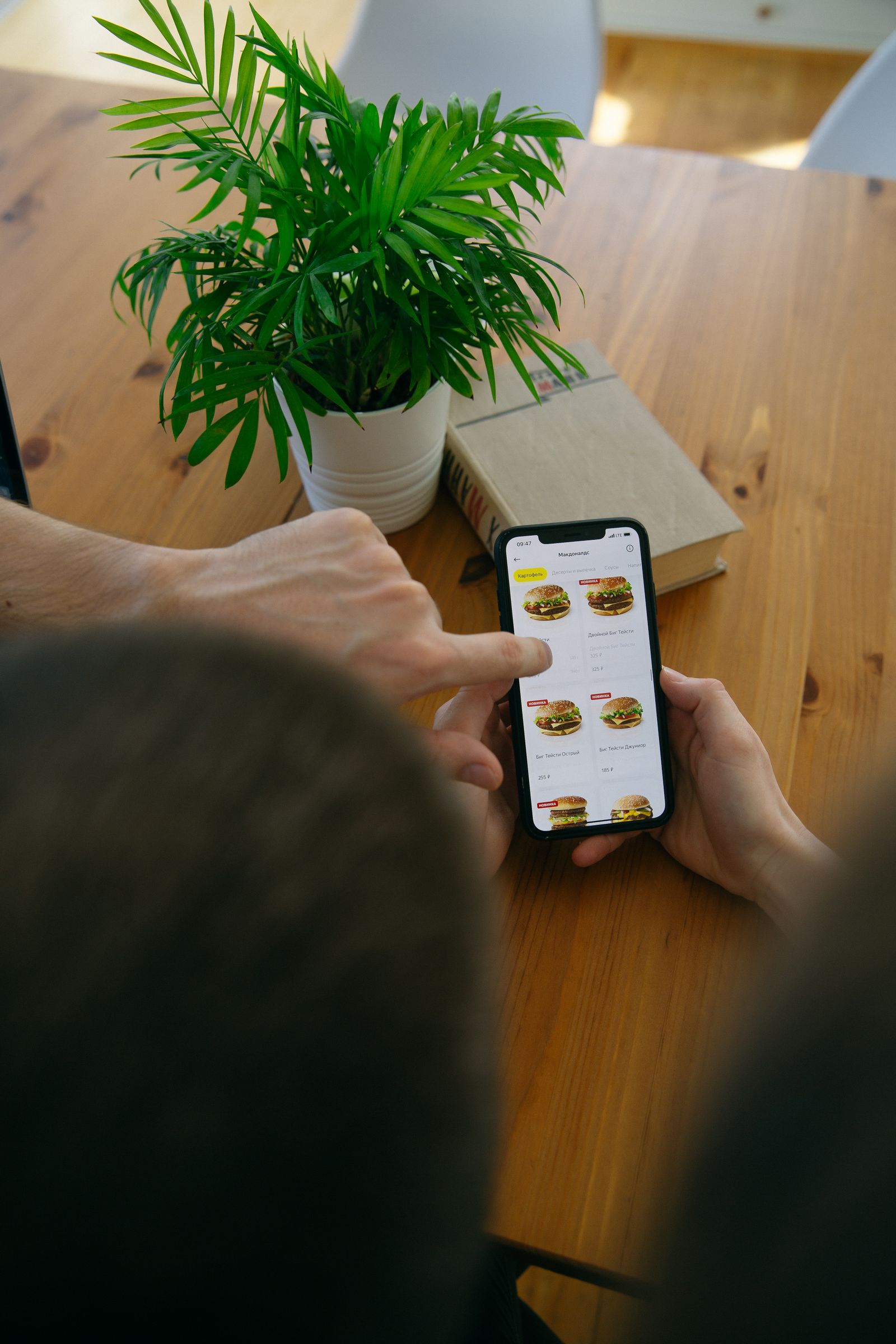
Restaurants with similar names, franchises, ghost kitchens, market stalls, and multiple branches can create confusion. Before saving a place, match:
- Exact business name
- Street address
- Map pin
- Phone number
- Official website domain
- Social profile linked from the official site
- Reservation or ordering provider
- Photographs of the exterior or market position
A delivery-only listing may not accept walk-ins. A food truck may move. A business inside a market may follow the market’s hours but stop serving earlier. A hotel restaurant can have separate breakfast, lunch, room-service, and dinner menus.
Save the exact branch, not the brand homepage.
Step 4: Read the Current Official Menu
The restaurant’s current first-party menu is the most useful evidence of what it intends to serve. Prefer a menu linked from the official website, current reservation page, or official ordering system. A photo uploaded years ago by a customer is weaker evidence.
Check:
- Whether dishes are explicitly marked vegan
- Whether the menu defines its symbols
- Whether “plant-based” is used consistently
- Whether modifications are stated or merely assumed
- Sauces, dressings, breads, noodles, pastry, garnishes, and sides
- Separate breakfast, lunch, dinner, bar, tasting, or seasonal menus
- Minimum orders or set-menu restrictions
- Advance notice requirements
- Allergen statement and cross-contact warning
The menu-reading guide provides a deeper process for interpreting unfamiliar ingredients and cuisine-specific terms.
Do not treat menu silence as confirmation
A dish that looks vegetable-based is not automatically vegan. “Mushroom risotto” can contain butter, cheese, or stock. “Vegetable curry” can contain ghee, cream, shrimp paste, or fish sauce. “Bean soup” can use meat stock. “Avocado toast” can include buttered bread or egg-based dressing.
Look for an affirmative vegan label or ask a component-level question.
Step 5: Check Recent Independent Evidence
Independent evidence helps detect changes that an official website has not yet reflected. Review sources can show whether:
- The restaurant has moved or closed
- The menu concept changed
- Vegan options were removed
- Reservations became necessary
- The venue operates only on selected days
- A branch is inside another building
- Portions, service model, or accessibility differ from the official description
Prioritize recent, detailed reviews over old averages. Read several rather than one extreme account. Look for photographs of current menus and storefronts, but verify critical details with the venue.
A review saying “lots of vegan options” is less useful than one naming the date, menu, dish, and staff explanation. Conversely, a complaint that a venue “isn’t vegan” may reflect a misunderstanding about shared equipment rather than an animal-derived ingredient. Treat reviews as leads to investigate.
Step 6: Verify the Time, Not Just the Day
“Open Tuesday” does not prove that dinner is available Tuesday night. Restaurants may have:
- Split lunch and dinner service
- A kitchen closing before the venue
- Different takeaway and dine-in hours
- Brunch-only days
- Seasonal hours
- Holiday closures
- Private events
- Last seating or last-order times
- Reservation-only tasting menus
- Market hours that differ from stall hours
Check the restaurant’s booking page and official social updates, then contact it when the meal is critical. Ask, “Will the kitchen be serving the vegan menu at 8:30 p.m. on Tuesday?” rather than only “Are you open Tuesday?”
Recheck on the day for high-stakes meals. Operational facts can change after you build the itinerary.
Step 7: Ask Questions the Restaurant Can Answer
“Do you have vegan food?” invites a vague yes. Ask about a specific dish and component:
Is the lentil stew prepared without meat stock, butter, cream, fish sauce, or honey, and is the bread served with it vegan?
For a mixed-menu restaurant:
Which dish can be prepared vegan without relying on removing a major ingredient? Please include the sauce, garnish, side, and cooking fat in the check.
For a reservation:
I am booking for two people on the date. One diner is vegan. Is there a complete vegan meal available at that service, and do you need advance notice?
For an allergy, name the allergen and ask about cross-contact separately. A restaurant can offer vegan food without being able to meet a severe allergy requirement.
The mixed-menu ordering guide gives a structured script for the table.
Fully Vegan, Vegetarian, or Vegan-Friendly?
Each category can work, but the verification burden differs.
Fully vegan restaurant: Practical Travel Guidance
A fully vegan venue normally reduces questions about intentional animal-derived ingredients. Still verify current status, because concepts and ownership can change. Allergy risks, alcohol processing, third-party packaged products, and cross-contact from shared premises may remain relevant.
Vegetarian restaurant: Practical Travel Guidance
Vegetarian does not mean vegan. Dairy, egg, honey, ghee, paneer, cheese, yogurt, mayonnaise, and egg noodles may appear throughout the menu. Look for explicit vegan marking and ask how vegan dishes are prepared.
Mixed-menu restaurant: Practical Travel Guidance
A conventional restaurant may be the best practical option for a group, remote destination, or late arrival. Favor dishes designed to be vegan over heavily modified dishes. Check stocks, sauces, cooking fats, fryers, bread, rice, beans, and garnishes.
Grocery, bakery, food hall, or convenience store
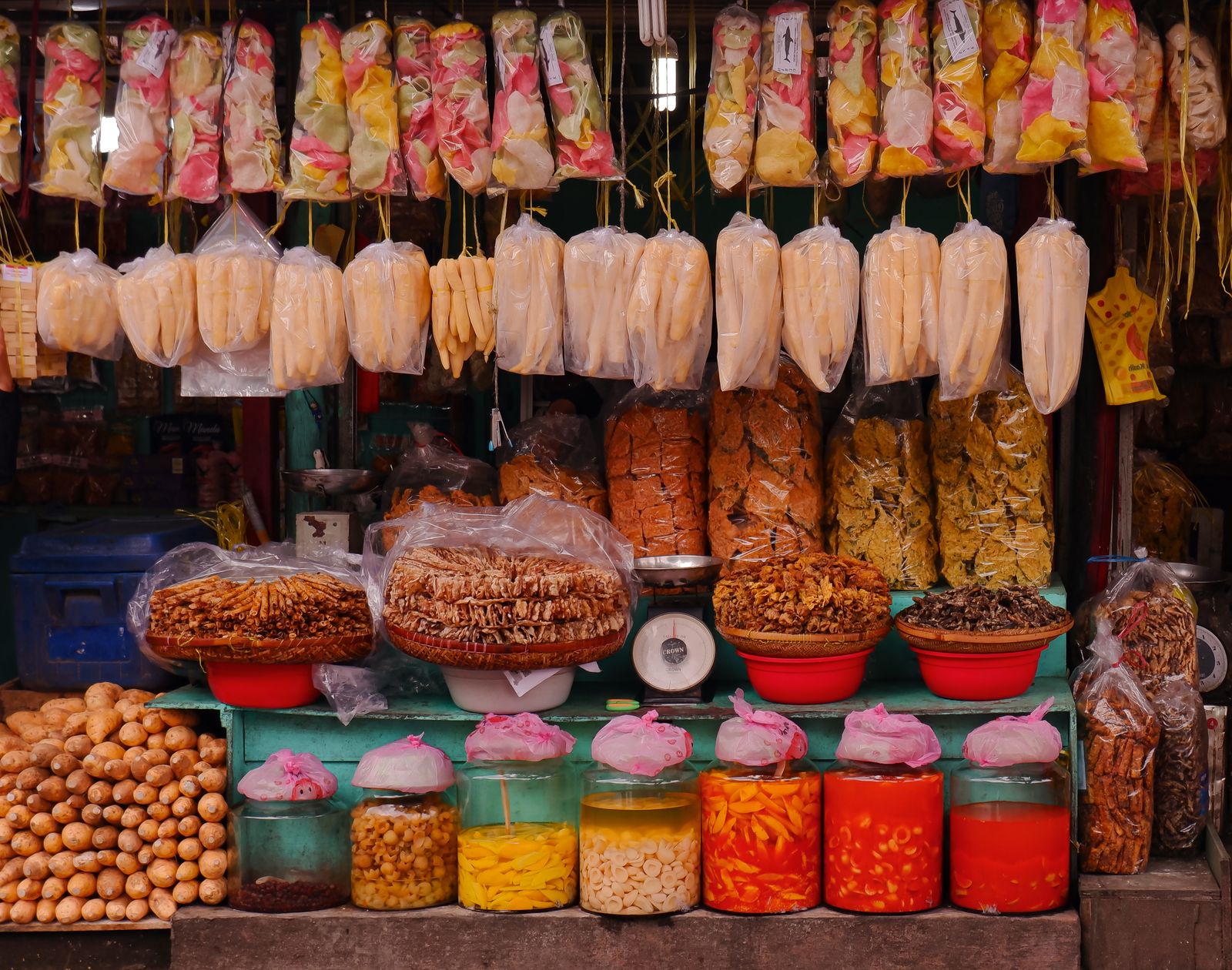
These are not second-rate backups. A supermarket meal, bakery item with a verified label, or assembled picnic can be the most reliable option around early trains, late arrivals, national holidays, or rural routes. Packaged-food allergen and vegan labels must still be read according to the local system. If you are carrying food between stops, use the vegan carry-on packing system to separate durable backup items from foods that need immediate use.
Search in the Local Language
English-only searching can miss independent businesses and local reviews. Translate useful phrases, then verify the translation with more than one reliable source when nuance matters.
Search combinations can include:
- vegan restaurant + neighborhood
- vegan menu + city
- plant-based café + city
- vegetarian restaurant + “without milk and eggs” in the local language
- vegan bakery + station
- vegan delivery + city
Do not rely only on a literal translation of “vegan.” In some places, a term may be understood as vegetarian, fasting food, religious vegetarian food, or a health label. Use a full explanation of excluded ingredients when speaking to staff. The Vegan Journey Map language guide explains why a complete food sentence is safer than a single word.
Use Social Media as a Freshness Signal, Not Final Proof
A restaurant’s official social account may reveal today’s location, temporary closure, sold-out service, new menu, renovation, or festival appearance before the website is updated. Check whether the account is linked from the official website or clearly belongs to the same business.
Useful signals include:
- Posts within the last few weeks
- Current address in the profile
- Stories or posts showing service that day
- Reservation link matching the official site
- Recent replies from the business
- Announcements about closure, relocation, or menu change
Be cautious with fan accounts, abandoned profiles, copied content, and short videos that do not show the venue name or date. A creator’s recommendation can inspire a search, but the restaurant must still be verified directly.
How to Judge Whether a Restaurant Is Worth a Detour
A famous restaurant can consume half a day once transport, waiting, and the return route are included. Use a simple detour test.
Score the option on:
- Fit: Does it meet vegan, allergy, group, and accessibility needs?
- Timing: Is it open and serving the relevant menu?
- Route: How much total travel time does it add?
- Uniqueness: Does it offer something meaningfully different from closer options?
- Certainty: Can you reserve or verify it?
- Fallback: Is another suitable option nearby?
A 45-minute detour may be worthwhile for a special dinner and unreasonable for breakfast before a timed tour. Decide based on the day, not the venue’s online fame.
Build a Restaurant Shortlist That Survives Changes
For each important area, save three levels:
- Primary: the venue you most want to use
- Backup: another suitable restaurant within a manageable distance
- Emergency: grocery, convenience store, food hall, chain item with current official ingredient information, or food you carry
Record a compact note:
- Name and exact branch
- Map link
- Why it fits
- Intended meal
- Current service hours
- Reservation status
- One or two verified dish possibilities
- Important question still unanswered
- Backup nearby
- Date last checked
A map list without notes becomes difficult to use when hungry. A short reason such as “Tuesday dinner, fully vegan, reserve, kitchen closes 9” is enough.
Finding Restaurants for Specific Travel Situations
Near an airport: Practical Travel Guidance
Search both airside and landside. Confirm the terminal, security zone, operating hours, and whether you can reach the venue during a connection. Airport brand menus can differ by terminal and country. A restaurant outside security is not a practical connection option if immigration and re-screening are required.
Near a train or bus station
Search the station itself and the first one or two transit stops away. Check early-morning and late-night hours. Save a packaged-food fallback because independent restaurants may open later than the first departures.
On a road trip: Practical Travel Guidance
Search the next realistic stopping town before leaving a well-served area. Do not wait until the fuel stop to discover that the only saved restaurant closed hours ago. The vegan road-trip planning guide covers route gaps, storage, and backup meals.
In a rural area: Practical Travel Guidance
Look beyond restaurants. Search grocery stores, markets, bakeries, accommodation kitchens, farm shops, and nearby towns. Contact the accommodation about refrigeration and cooking equipment. Research naturally plant-based local staples, but verify stock and preparation.
With a non-vegan group: Practical Travel Guidance
Find mixed-menu restaurants with clearly marked vegan mains rather than one side salad. Send two or three options to the group instead of asking everyone to choose from a long vegan-only list. Confirm that the vegan item is available during the intended service.
For a celebration: Practical Travel Guidance
Contact the venue in writing, explain the occasion and dietary needs, and ask about deposits, cancellation terms, set menus, cake policies, and advance notice. Save the response. A celebration is not the right time to rely on a months-old photograph of a menu.
Red Flags During Verification
Pause or choose another venue when:
- The restaurant is marked closed by several recent sources but still accepts unconfirmed enquiries.
- The official site, map, and booking page show different addresses.
- Staff cannot explain what “vegan” means on their menu.
- A supposedly vegan dish depends on removing cheese while the sauce still contains dairy or stock.
- The only evidence is an old review or reposted photograph.
- A social account has not been active for years and the phone is disconnected.
- The restaurant changes its answer when asked about the same ingredient.
- An allergy is minimized or confused with preference.
- A delivery listing uses a familiar restaurant name but has no verifiable physical identity.
Uncertainty does not prove misconduct. It means the option should not be a critical meal anchor.
Common Search Mistakes: Practical Travel Guidance
Choosing by star rating alone
Ratings combine food, service, value, expectations, and review culture. They do not establish vegan status, current hours, or suitability. Read the evidence behind the number.
Assuming “vegetarian” means easy for vegans
Some vegetarian menus depend heavily on dairy and egg. Verify actual vegan dishes.
Saving only destination-famous restaurants
Popularity can create queues, booking difficulty, and inefficient routes. Save neighborhood options too.
Ignoring meal periods: Practical Travel Guidance
A café with excellent lunch may not serve dinner. A dinner restaurant may not help after an early flight.
Trusting search snippets: Practical Travel Guidance
Search engines can display cached or extracted text without full context. Open the source and check the date.
Failing to recheck: Practical Travel Guidance
A restaurant list created months before travel is a research draft. Recheck high-value venues before booking and again shortly before the visit.
A 15-Minute Search Workflow
When time is limited:
- Put the exact meal location into a map.
- Search “vegan restaurant” within a realistic radius.
- Cross-check the strongest results in HappyCow.
- Open the official menu of the top three.
- Remove any option that is closed, too far, or unverifiable.
- Read several recent reviews for the remaining two.
- Call or message if one critical question remains.
- Save a primary, backup, and emergency option.
- Add a note with the date checked.
This process is more reliable than reading dozens of “best vegan restaurants” listicles without mapping them to your day.
Offline Preparation: Practical Travel Guidance
Mobile data can fail at the worst moment. Before leaving Wi-Fi, save:
- Map pins and offline map area
- Address in the local writing system
- Restaurant phone number
- Screenshot or PDF of the relevant menu
- Reservation confirmation
- Directions from the station or hotel
- A translated dietary card
- Backup grocery or restaurant
- The date and source of the information
Screenshots become stale, so use them as offline references rather than permanent proof. If the restaurant changes the menu after you save it, current staff information takes priority. The vegan travel resources guide can help you collect the apps, maps, and official links you need before departure.
How Vegan Journey Map Restaurant Research Should Be Read
A research-led guide should distinguish direct verification from discovery evidence. A restaurant name in an article is not a permanent guarantee. Before relying on any recommendation, check the stated verification date, follow the official restaurant link, and confirm time-sensitive details.
Useful restaurant entries should identify:
- Fully vegan, vegetarian, or mixed-menu status
- Neighborhood and route context
- What evidence supported inclusion
- Named dish possibilities without guaranteeing inventory
- Verification date
- Allergy limitations
- Backup options
If a guide claims a restaurant was personally visited, that claim should be explicit and truthful. Research-based articles should not imply first-hand dining.
Frequently Asked Questions
What is the best app to find vegan restaurants?
HappyCow is a strong specialist starting point because it focuses on vegan and vegetarian discovery. Combine it with a general map, the restaurant’s official menu, recent independent evidence, and direct confirmation for important meals.
Can I trust Google Maps opening hours?
Treat map hours as useful but not conclusive. Compare them with the official website, booking page, ordering system, social updates, and direct contact, especially for holidays, late meals, and long detours.
How do I find vegan food when there are no vegan restaurants?
Search vegetarian and mixed-menu venues, grocery stores, markets, bakeries, food halls, and accommodation kitchens. Research local dishes that may be vegan, then verify stock, sauce, cooking fat, and sides.
How can I tell whether a restaurant is fully vegan?
Look for a current statement on the official website or menu and compare it with recent independent evidence. Contact the venue if the wording is unclear. Do not infer fully vegan status from a green logo or a few vegan dishes.
Are vegetarian restaurants always vegan-friendly?
No. Some use dairy, egg, ghee, paneer, cheese, yogurt, or honey extensively. Check for explicitly vegan dishes and ask about preparation.
What should I ask before making a reservation?
Ask whether a complete vegan meal is available during that service, whether advance notice is required, what the cancellation terms are, and whether the restaurant can meet any allergy or accessibility requirement.
How recent should restaurant reviews be?
Use the newest substantive evidence available and look for agreement across several sources. There is no universal freshness period because restaurants change at different speeds. Reconfirm critical details directly.
How do I find vegan restaurants in another language?
Search local translations of vegan, plant-based, vegetarian, and cuisine terms. Use a complete ingredient-exclusion sentence when contacting staff, because one translated word may be interpreted differently.
Should I book every vegan restaurant in advance?
No. Reserve when demand, a special occasion, set menus, group size, remote location, or strict timing makes it useful. Keep flexible neighborhood options for ordinary meals.
What if the restaurant is closed when I arrive?
Move immediately to the saved backup rather than beginning research while hungry. If no restaurant works, use the emergency grocery or portable meal and revise the next meal plan.
Useful Sources And Verification
Restaurant data changes frequently. Use directories and maps for discovery, then verify the exact branch, current menu, service time, reservation requirement, and allergy limitations through first-party sources. Recent independent evidence is a cross-check, not a substitute for the restaurant’s answer about its present operation.
– HappyCow — vegan-focused global restaurant and store discovery with community updates; verify critical details directly.
– Google Maps — route, branch, hours, and recent user evidence; compare owner-provided details with official restaurant channels.
– Apple Maps — an additional mapping and business-information source useful for route comparison.
– OpenStreetMap — openly maintained geographic data that can support offline and local map tools.
– Vegan Journal Restaurant Guide — independent United States and Canada vegan/vegetarian discovery resource that explicitly cautions readers that information can change.
– OpenTable and the restaurant’s own reservation provider — useful for checking bookable service times, but confirm dietary suitability with the restaurant.
– The restaurant’s current official website, menu, ordering page, booking page, phone number, and verified social account are the primary operational sources for the planned visit.