
Vegan Travel in North America: Routes, Food & Backup Planning
Short answer: Plan vegan travel in North America around route shape, distance, border rules, and recovery options rather than a universal city ranking. Choose the countries and travel mode first, group meals with the places you will actually be, verify restaurants and accommodation directly, and carry a realistic backup for every long transfer or remote overnight.
What you’ll find in this guide
Set the scope · Start with the route · Choose a trip style · Compare route shapes · Map food · Pair groceries and lodging · Plan road food · Plan transfers · Check borders · Build resilience · Use the timeline · Read FAQs
Vegan travel across North America is easiest when you plan by route type and food logistics, not by a universal list of “best” cities. Decide whether your trip is urban, road-based, nature-focused, coastal, cross-border, or built around visiting people. Then map meals around the actual itinerary, verify menus and accommodation directly, check official entry and border rules, and protect long driving or flying days with practical food backups.
This is a regional destination-planning hub, not a ranking and not a set of city guides. Country and city names in this article are research starting points only. They do not promise restaurant density, restaurant availability, prices, opening hours, personal experience, or a particular level of vegan convenience. The United States, Canada, Mexico, Central America, and the Caribbean have different laws, transport systems, food labeling practices, climates, and languages. Verify the exact route, dates, and traveler requirements before booking.
Commercial disclosure: This guide contains no paid placement, sponsored recommendation, or affiliate link. Any booking, ticket, vehicle, tour, or product decision should be made from current official terms.
Location: North America
Trip scope: This regional guide covers the United States, Canada, Mexico, Central America, the Caribbean, city breaks, road trips, flights, rail and coach routes, nature stays, and cross-border itineraries. North America is not one uniform travel system: passport rules, customs, languages, food labels, transport coverage, climates, and accessibility can differ by country, state, province, island, and park.
Official location and route starting points: Start with the relevant U.S. Department of State travel information, Travel.gc.ca, or destination-country authority, then check customs, transport, park, weather, health, and tourism sources for the exact route. Recheck border, food-import, driving, weather, and venue details close to departure.
This hub focuses on choosing and sequencing a resilient regional route. The narrower North America vegan food-planning guide covers more detailed supply stops and food logistics.
Updated 27 October 2026. Recheck entry and border rules, driving requirements, park access, weather alerts, transit conditions, venue hours, and food availability before travelling.
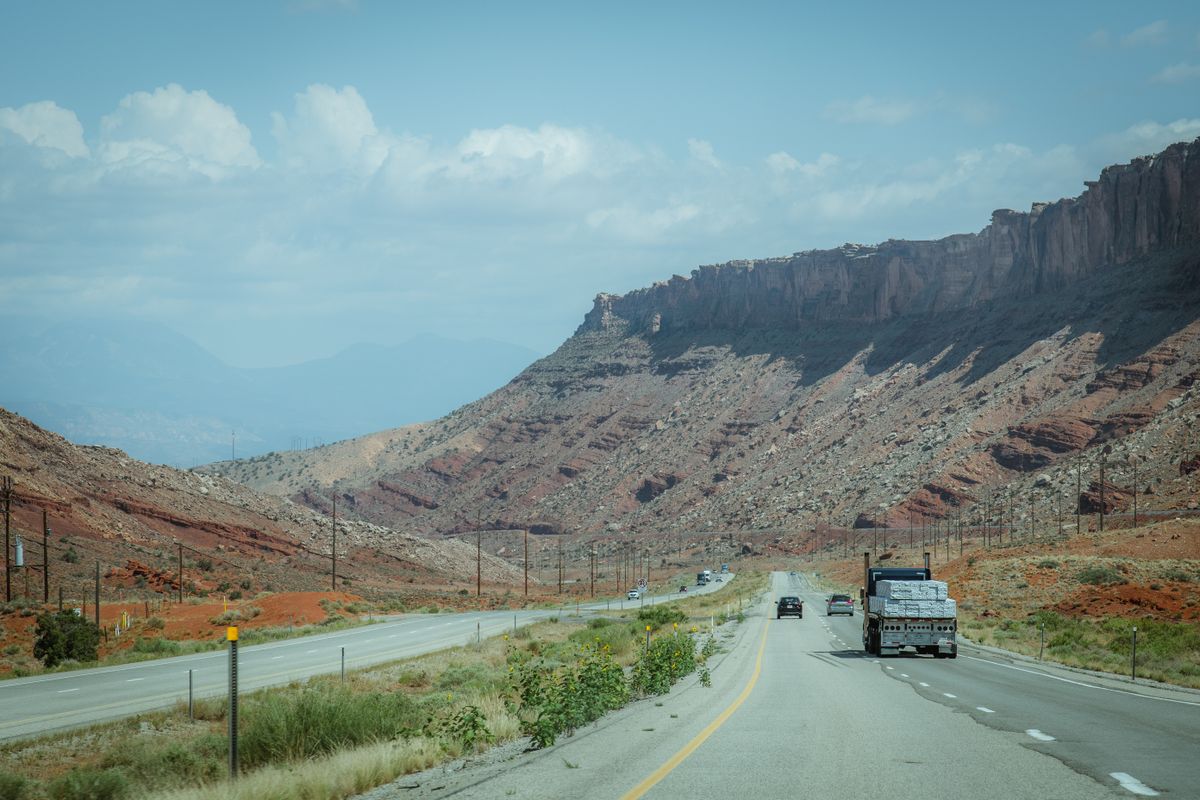
Featured image credit: North America route-planning context. Photo: Amar via Pexels.
The direct answer: how to plan vegan travel across North America

Build a route that can survive distance, weather, traffic, border procedures, and closures. A practical order is:
- Choose the countries and travel mode that fit your passport, driving license, budget, access needs, and available time.
- Decide whether your food strategy will rely on restaurants, supermarkets, self-catering, or a combination.
- Shortlist two or three route shapes, not dozens of destinations.
- Use official government, customs, transport, park, and health sources for rules that can change.
- Map meals and groceries around accommodation, airports, stations, highway exits, trailheads, and border crossings.
- Verify hidden ingredients such as dairy, egg, fish, shellfish, meat stock, gelatin, honey, and shared fryers.
- Contact important restaurants, hotels, tour providers, and airlines with precise questions.
- Carry a legal, practical food backup and a non-restaurant plan for every long transfer.
- Recheck the route shortly before departure and keep room for disruption.
North America often rewards a “base plus day trips” approach. Distances can be much larger than a map glance suggests, and a place with many food leads may still be impractical when the hotel, attraction, and airport are in different corridors. A route with fewer stops and better grocery access is often easier to sustain.
Define the trip before choosing destinations
The same country can support very different travel experiences. A walkable city break, a national-park road trip, a beach resort, a family visit, and a long-distance train journey each require different evidence.
Set your priorities using questions such as:
- How many hours are you willing to drive or spend in transit on a normal day?
- Will you have a rental car, your own vehicle, public transport, intercity rail, coach, or internal flights?
- Do you need breakfast near the hotel, a kitchen, a grocery store, or late-night food?
- Are you comfortable with chain restaurants and packaged food as backups?
- Are you traveling through English-, French-, Spanish-, or other language contexts?
- Do you have allergies, celiac disease, medical needs, or cross-contact concerns?
- Will heat, wildfire smoke, winter storms, hurricanes, altitude, or rural isolation affect the route?
- Do you need step-free access, accessible vehicle equipment, or short distances between stops?
Turn the answers into one sentence: “I want a ten-day route with two urban bases, one nature stop, no more than four hours of driving per day, and grocery access at every overnight.” This makes the research specific and prevents the itinerary from expanding beyond what you can verify.
Use country and city examples as research starting points

The examples below are not a ranking. They simply show the questions to ask in different North American travel contexts.
A city or country in this table is a prompt to research, not a conclusion. Do not infer current vegan availability from reputation, social posts, or an old article.
Choose a route shape that matches North American distances
Urban base with short day trips
This is often the simplest structure for travelers who want food choice, public transit, and a reliable grocery plan. Choose a base near the activities that matter most. Day trips should be evaluated by the final return time, food near the destination, and the effect of traffic or weather.
If the return depends on a single late bus or train, treat that as a risk. Carry enough food for the day and learn where a supermarket or suitable convenience option sits near the base. For a short urban stop inside a longer route, use How to Plan a Vegan City Break Without Planning Every Minute to structure meals, neighborhoods, and recovery time.
National-park or nature road trip
Nature trips require more than a restaurant search. Check park authority rules, campsite or lodge facilities, food storage, wildlife-safe practices, fire restrictions, water information, and the distance to the next store. A trailhead may be far from the nearest service town.
Choose accommodation based on food equipment and storage, not only scenery. Ask whether a “kitchenette” includes a hob, refrigerator, cookware, utensils, and safe preparation space. Remote lodging may have seasonal deliveries or limited opening windows, so ask for specific meal examples in writing.
Cross-border city route: Destination Planning
A Canada-United States or United States-Mexico route can be appealing, but border requirements, customs declarations, currency, mobile service, insurance, driving rules, and language can change the planning burden. Check every country’s official entry and border information for your nationality and route.
Do not assume that food bought in one country can be carried into another. Fresh produce, homemade food, seeds, meat substitutes, dairy alternatives, and plant products may be subject to agriculture or customs restrictions. Security screening and import law are different checks.
Long-distance flight route
When distances are too large for ground travel, treat airports and flight days as their own food-planning category. Request an airline meal through the carrier’s official channel, verify the reservation, and carry a permitted backup. Do not assume the terminal will have a suitable meal at the time you need it.
Use How to Request a Vegan Meal on a Flight for the request-and-confirm workflow.
Family or multi-generational travel
A family trip needs flexible meal timing, familiar snacks, short transfers, and a way for every traveler to participate. One fully vegan restaurant may not solve the needs of children, older adults, allergies, or different budgets. Choose venues with clear menus, grocery access, and a comfortable environment, then keep one uncomplicated fallback meal in the room or vehicle when permitted.
Map food around the places you will actually be
North American destinations often spread across neighborhoods, suburbs, highway corridors, airport zones, and separate municipalities. Map the daily route rather than searching the whole metro area.
For each overnight, add:
- Accommodation and its kitchen or breakfast facilities
- Closest supermarket or grocery delivery option
- Breakfast location or room-food plan
- Lunch near the main activity
- Dinner near the activity or on the return corridor
- A late-arrival option
- A gas, charging, rest, or transit stop with food
- A backup for closure or weather
Measure travel by real conditions. Traffic, winter weather, mountain roads, parking, heat, and accessibility can change a short distance into a difficult transfer. On a road trip, include fuel or charging time and restroom stops. On an urban trip, check whether a venue is across a highway, river, steep hill, or inaccessible station connection.
Verify restaurant menus and regional ingredients
North American menus commonly use butter, cheese, cream, egg, fish, shellfish, meat stock, honey, gelatin, and shared fryers. Regional foods can also use lard, bacon fat, chicken stock, ranch dressing, mayonnaise, Worcestershire sauce, or hidden dairy and egg.
Do not stop at “no meat.” Ask:
- Is the bread, tortilla, bun, or pastry made with dairy, egg, or lard?
- Is the rice or grain cooked in animal stock or butter?
- Does the sauce contain fish, anchovy, oyster, dairy, or egg?
- Is the item fried in a shared fryer?
- Does the soup or chili use meat stock?
- Is honey used in the dressing, bread, or dessert?
- Can the kitchen prevent cross-contact for a medical allergy?
Use official menus, allergen information, direct messages, and recent operational evidence. HappyCow can help with discovery, but important meals should be confirmed through the venue’s current first-party information.
Understand food labeling without over-trusting it
Packaged food can be a useful backup, especially when you can read the local label and ingredient list. In the United States, the Food and Drug Administration allergen information explains major-allergen labeling and related consumer information. In Canada, consult the Canadian Food Inspection Agency food allergen guidance. Mexico and other countries have their own label and import systems.
A label can help identify ingredients, but it may not answer every cross-contact question or reflect a recipe change. Certification marks such as the Vegan Society Vegan Trademark or V-Label can support product discovery when present on the exact product.
Carry food that is realistic for your route. Fresh produce, seeds, homemade items, and packaged foods may be limited at borders or in protected areas. Check the official authority before transporting food between countries or into national parks.
Plan groceries and accommodation together
North America can be easy to self-cater when you deliberately choose the room and location. It can also be difficult when a cheap room is far from groceries and has no refrigerator.
Ask accommodation providers:
- Is there a refrigerator, freezer, microwave, hob, cookware, and utensils?
- What vegan breakfast items are available on the exact dates?
- Are plant milk and a protein source included, or only fruit and coffee?
- Is food prepared on shared equipment?
- Is the nearest grocery store walkable, reachable by transit, or only practical by car?
- Can the property accept a late arrival or provide a packed meal?
- Are the entrances, bathrooms, elevators, and room layouts accessible for your needs?
A grocery stop can solve breakfast, trail food, storm delays, and early departures. Use the Vegan Travel Resources hub to organize discovery tools, official checks, and language resources.
Plan road-trip food by service gaps
A road route should have a food plan for every long segment, not only for overnight towns. Mark service gaps on the map and decide what you will do if the planned stop is closed, full, or inaccessible.
For remote travel, plan calories and protein rather than relying only on snack foods. Check the rules for wildlife-safe storage and never leave food or packaging in natural areas.
Plan flights, trains, coaches, and urban transport
For flights, request a vegan meal through the airline’s official channel, save the confirmation, and recheck it before departure. Airport security rules differ from border import rules. The TSA food guidance is a starting point for flights departing the United States, but your actual airport and destination authorities govern.
For intercity rail and coach routes, use the current operator’s information for luggage, food, accessibility, delays, and station services. A route may have food on board but no clear ingredients. A station may have stores but be closed during an early departure.
For city transport, inspect the official transit authority’s route and accessibility pages. A venue that is close in miles may be difficult with transfers, snow, heat, hills, or limited lift service.
Check borders, customs, parks, and driving rules

Use official government sources for every country and border. For the United States, the U.S. Department of State travel page is a starting point for international travel information, while U.S. Customs and Border Protection agricultural guidance explains why food and plant products need careful checking. For Canada, begin with Travel.gc.ca and the Canada Border Services Agency. Mexico and other countries publish their own official rules.
Current border-and-food checkpoint: Airport security rules and border-import rules are different. For U.S. entry, CBP says some fruits, vegetables, animal products, and other items can be prohibited or restricted. Canada’s food-import requirements vary by item, origin, and province, and travellers must declare food. Check the exact product, origin, route, and declaration requirement before packing; a vegan label does not make an item automatically admissible.
Check:
- Passport, visa, and authorization requirements
- Border crossing hours and route-specific conditions
- Driving license, insurance, tolls, and rental restrictions
- Food, plant, and animal-product import rules
- National-park permits and food-storage rules
- Weather, wildfire, hurricane, flood, and road alerts
- Payment, mobile data, and emergency contacts
Do not infer a border rule from a traveler’s social post or a product’s vegan status. Vegan does not mean automatically admissible.
Build health, accessibility, and weather resilience
North American trips can cover deserts, high elevations, cold winters, humid coasts, wildfire-prone areas, and hurricane-affected regions. Consult the World Health Organization travel advice, CDC Travelers’ Health, national public-health authorities, and personal medical professionals as appropriate.
For accessibility, assess the full path from vehicle or station to meal and room. Ask attractions and accommodation for measurements or specific features when needed. Do not assume a “accessible” label answers questions about bathrooms, bed height, parking, trail surfaces, or restaurant seating.
Weather can change food safety. Heat affects packed meals, storms change flights and roads, and snow may close grocery routes. Use a cooler or safe storage only when you can maintain food safety and check the advice for the conditions.
Make responsible decisions beyond the plate
Choose transport and businesses with the whole destination in mind. Public transport, rail, walking, and local businesses can be useful where they fit safety and access needs. On road trips, reduce unnecessary backtracking and support local stores instead of relying only on large chains when practical.
Respect local guidance on parks, water, waste, photography, cultural sites, and wildlife. Avoid animal attractions that rely on direct contact or unverified welfare claims. The Global Sustainable Tourism Council Destination Criteria can help you ask about destination management, local economic benefit, accessibility, cultural heritage, animal welfare, waste, and water.
Responsible travel does not require a perfect itinerary. It does require avoiding unsupported assumptions and making choices that respect residents, workers, animals, and environments.
Score routes by recovery, not reputation
Give each route a zero, one, or two for food access, grocery resilience, transport, accommodation, border fit, accessibility, weather stability, driving burden, regional interest, and backup options. Zero means unclear or unsuitable, one means workable with extra planning, and two means current evidence is strong.
Weight what matters most. An allergy-sensitive traveler may give extra weight to ingredient communication and self-catering. A family road trip may prioritize grocery access and short driving days. A traveler visiting a national park may prioritize food storage and emergency services.
Keep the evidence beside the score. The score is a personal planning aid, not an objective ranking of destinations.
A North America planning timeline
Two to four months before travel
Define the route shape, check entry rules, choose the travel mode, research driving or park requirements, and decide how many bases are realistic. Do not book remote lodging until food and transport access are clear.
Four to eight weeks before travel
Book accommodation with verified facilities, request flights meals, reserve transport, contact key venues, and map supermarkets. Save the official sources for border, customs, parks, and health.
Two weeks before travel: Destination Planning
Recheck menus, hours, weather, road or flight alerts, parking, grocery access, and any park or tour rules. Confirm allergy or meal arrangements in writing.
Final week and travel days
Check the first meal, arrival-night plan, permitted food backup, transport changes, and weather. Keep documents and dietary messages offline. On a road trip, refuel and rest before the next long segment rather than waiting for the route to become urgent.
Common Travel Mistakes to Avoid
- Treating North America as one food or transport system
- Assuming a city’s reputation applies to a whole state, province, island, or rural route
- Planning a road trip by miles without estimating traffic, weather, parking, or rest stops
- Forgetting groceries near national parks and remote lodging
- Bringing food across a border without checking import rules
- Asking only whether a meal contains meat instead of checking stock, dairy, egg, fish, and shared fryers
- Relying on a vegan label for an allergy decision
- Assuming a hotel kitchen includes the equipment you need
- Booking the last connection or arrival meal with no recovery plan
- Turning city examples into unsupported “best of” claims
Frequently Asked Questions
Is North America easy for vegan travel?
It depends on your route, travel mode, language, season, access needs, and food requirements. Urban bases and self-catering can be practical, while long road or nature routes require more advance planning. There is no single regional answer.
Which North American destinations should I research?
Canada, the United States, Mexico, Central America, and Caribbean islands can all offer useful research starting points. Examples in this guide include Montréal, Toronto, Vancouver, Portland, Seattle, San Francisco, Mexico City, Oaxaca, Mérida, Costa Rica, and Panama, but they are not ranked and their current food options must be verified for your dates.
How do I plan a vegan road trip?
Map groceries, restaurants, fuel or charging stops, parks, accommodation kitchens, and service gaps. Carry a permitted food backup, check storage rules, and avoid daily distances that leave no recovery time.
Can I bring vegan food across the United States, Canada, or Mexico border?
Possibly, but rules vary by country, product, origin, and route. Security, customs, agriculture, and park rules are separate. Check official sources and declare food when required.
How do I handle vegan food in national parks?
Choose food that can be stored safely, follow park wildlife rules, carry out waste, and research the distance to the next store or restaurant. Remote parks may need self-catering and extra time.
Are packaged foods a reliable backup?
They can be useful when ingredients are clear and the product is permitted on your route. Check labels, allergens, local formulations, and import rules. Do not assume a product is admissible because it is vegan.
How early should I request a vegan airline meal?
Use the airline’s current official deadline, request it early, retain the confirmation, and recheck before departure. Carry a permitted backup because special-meal service can be affected by aircraft, route, or operational changes.
How can I plan for allergies as well as vegan food?
Use a translated or clearly written medical message, ask about cross-contact, verify ingredients and preparation surfaces, and bring personal medical guidance and supplies. A vegan menu label does not by itself answer allergy questions.
What is the best North American route for a first trip?
There is no universal best route. Choose one that matches your passport, time, transport, weather tolerance, food requirements, and recovery options. Fewer bases and better evidence are usually more useful than a long list of stops.
Where can I find the broader planning workflow?
Use the Destinations hub for choosing and comparing route ideas, Vegan Trip Planning for bookings and preparation, and Vegan Travel Resources for source-by-source research.
5P Position And Plan
Position: A route-architecture guide for vegan travel across North America that prioritizes distance, borders, weather, food access, and recovery options instead of a static city ranking.
Plan: Use the guide to create a realistic regional itinerary with matched travel days, verified food and grocery anchors, and a documented backup for every long transfer or remote overnight.
Useful Sources And Verification
Use the official authority for the country, state, province, territory, park, airline, or transport operator involved. This article uses examples as research starting points and does not rank destinations.
- U.S. Department of State international travel information for international travel and country starting points.
- U.S. Customs and Border Protection agricultural guidance for food and plant-product import questions.
- TSA food guidance for U.S. airport-security starting points.
- Travel.gc.ca and Canada Border Services Agency travel information for Canadian travel and border checks.
- U.S. FDA food-allergy information and Canadian Food Inspection Agency allergen guidance for label research.
- HappyCow for independent discovery, followed by current first-party venue checks, plus official park, transport, customs, health, and tourism authorities for the exact route.