Fall and Winter Vegan Travel in New York
Short answer: Fall and winter are excellent seasons for vegan travel in New York if you plan around shorter daylight, rain, wind, snow, and changing attraction hours. In fall, build around Central Park foliage, Union Square Greenmarket, the High Line, and Brooklyn neighborhoods. In winter, pair museums and indoor dining with Bryant Park Winter Village, Central Park skating, or a short waterfront walk that can be abandoned when conditions worsen.
New York does not shut down when the weather turns cold. The city simply rewards a different kind of planning. A summer itinerary can absorb a long outdoor walk and an improvised food search; a fall or winter itinerary needs a warm indoor anchor, a realistic transit plan, and a vegan meal that has been checked before you leave.
This guide covers fall and winter vegan travel in New York through seasonal routes rather than a generic restaurant list. It distinguishes fully plant-based venues from vegan-friendly or menu-verified options, uses official attraction and market information, and leaves space for weather changes. The current seasonal details below are a planning snapshot, not permanent promises, so confirm schedules on the day.
Last updated: October 2026
No personal visit, food testing, or invented experience is claimed.
Fall or winter: which season fits your trip?
Choose the season based on the type of New York day you want. Fall is usually easier for long neighborhood walks and parks. Winter is better for holiday markets, skating, museums, cozy restaurant reservations, and shorter outdoor segments. Neither season guarantees a specific temperature, foliage peak, snowfall, or market schedule.
What is fall and winter weather like in New York?
Plan for variability instead of packing for one imagined New York winter. NOAA and the National Weather Service provide the authoritative forecast and climate references, while the Central Park station is the useful city benchmark for travelers. A forecast check matters more than an average: rain, wind, wet snow, ice, and unseasonably warm days can all change a walking route.
- Check the National Weather Service New York forecast before leaving your hotel.
- Use official climate normals for broad seasonal expectations, not as a promise for your dates.
- Pack waterproof footwear with traction, layers, a compact umbrella, and a warm outer layer for evening.
- Keep one indoor substitute for every major outdoor plan.
- Leave extra time for wet platforms, crowded sidewalks, delayed buses, and slower walking.
1. Fall foliage and Central Park with the Upper East Side
Central Park is the best fall anchor for vegan travelers who want foliage, open space, and a manageable route that can finish near a plant-based meal. The Central Park Conservancy publishes seasonal guides, a foliage tracker, tours, maps, and current park information. Use those tools to choose one section instead of attempting the whole park.
What to do
- Use the official foliage tracker when you care about peak color; do not promise a peak date before checking it.
- Choose a compact route around Bethesda Terrace, the Mall, the Ramble, Conservatory Garden, or another map-listed location.
- Continue toward Fifth Avenue or the Upper East Side for museums, architecture, and a warmer indoor stop.
- In late fall, start earlier because daylight disappears sooner and paths may be wet.
Vegan food plan
Le Botaniste UES lists 833 Lexington Avenue on its official locations page and publishes current service information there. It is a practical plant-based anchor for an east-side park day. Confirm the current menu, service format, and opening hours before you rely on it. For a fully vegan dinner with different cuisine, move south toward the City Roots group after checking reservations.
Map: Central Park Conservancy
Map: Le Botaniste UES
What I Noticed From the Sources
The Conservancy’s seasonal pages make Central Park more useful in fall because they turn a huge park into a set of current, map-based choices. The food decision is equally important: eat before the park, choose the Upper East Side, or deliberately finish farther south rather than expecting a random park concession to solve a strict vegan meal.
2. Union Square Greenmarket and the fall-to-holiday transition
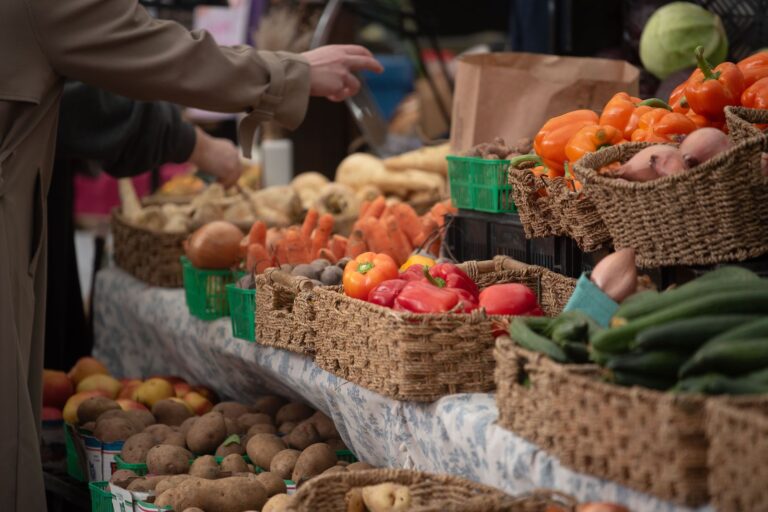
Union Square is a strong shoulder-season route because it combines a public park, a year-round farmers market, nearby shopping, and several plant-based restaurant directions. GrowNYC lists the Union Square Greenmarket as year-round, with regular Monday, Wednesday, Friday, and Saturday hours. Its official page also publishes the current location and event details.
What to do
- Visit the market earlier in the day when you want to browse produce, baked goods, flowers, and regional vendors.
- Use the market as a cultural stop, not as a guaranteed vegan meal. Ask vendors about ingredients and preparation.
- Walk toward Greenwich Village, Flatiron, or Gramercy depending on the weather and your dinner reservation.
- In late November and December, check whether the Union Square Holiday Market is operating and confirm its current hours separately.
Vegan food plan
City Roots Hospitality’s official restaurant directory lists Le Basque in Union Square, Sentir in Flatiron, and Coletta in Gramercy. These are useful winter planning anchors because they provide a specific restaurant destination after an outdoor market visit. Confirm the current booking and service details on the official venue page.
Map: Union Square Greenmarket
Map: Le Basque
What I Noticed From the Sources
Union Square is more reliable than a generic seasonal shopping recommendation because GrowNYC distinguishes the year-round Greenmarket from temporary holiday programming. That distinction helps vegan travelers plan a real meal instead of assuming that seasonal stalls, cider events, or baked goods meet their dietary needs.
3. The High Line and Chelsea in cooler weather
The High Line is still worth visiting in fall and winter, but it works best as a shorter, time-boxed walk with a warm Chelsea meal already selected. The official visitor page lists access points, elevators, seasonal hours, rules, and temporary updates. It currently lists 7 a.m. to 10 p.m. from April 1 through November 30 and 7 a.m. to 8 p.m. from December 1 through March 31.
What to do
- Check the official page for section closures and elevator status before traveling.
- Enter at the access point that matches your route; do not assume every entrance or elevator is equally convenient.
- Use the High Line for gardens, public art, rail infrastructure, and Hudson-side views, then descend into Chelsea.
- In cold rain or strong wind, shorten the walk and move directly to your indoor food or museum plan.
Vegan food plan
City Roots lists Anixi as a Mediterranean vegan brasserie in Chelsea, Willow Vegan Bistro in Chelsea, and Beyond Sushi as a globally inspired vegan option with Manhattan locations. Use the official pages for current reservations, menus, and location details. Do not treat a food hall or market stall as an equivalent substitute when you need a complete vegan dinner.
Map: High Line visitor point
Map: Anixi
What I Noticed From the Sources
The High Line is a good seasonal example of why official hours matter. The same attraction can give you a long evening route in November but a shorter winter window in December. The nearby vegan restaurant cluster is valuable because it lets you adjust the outdoor portion without losing the meal plan.
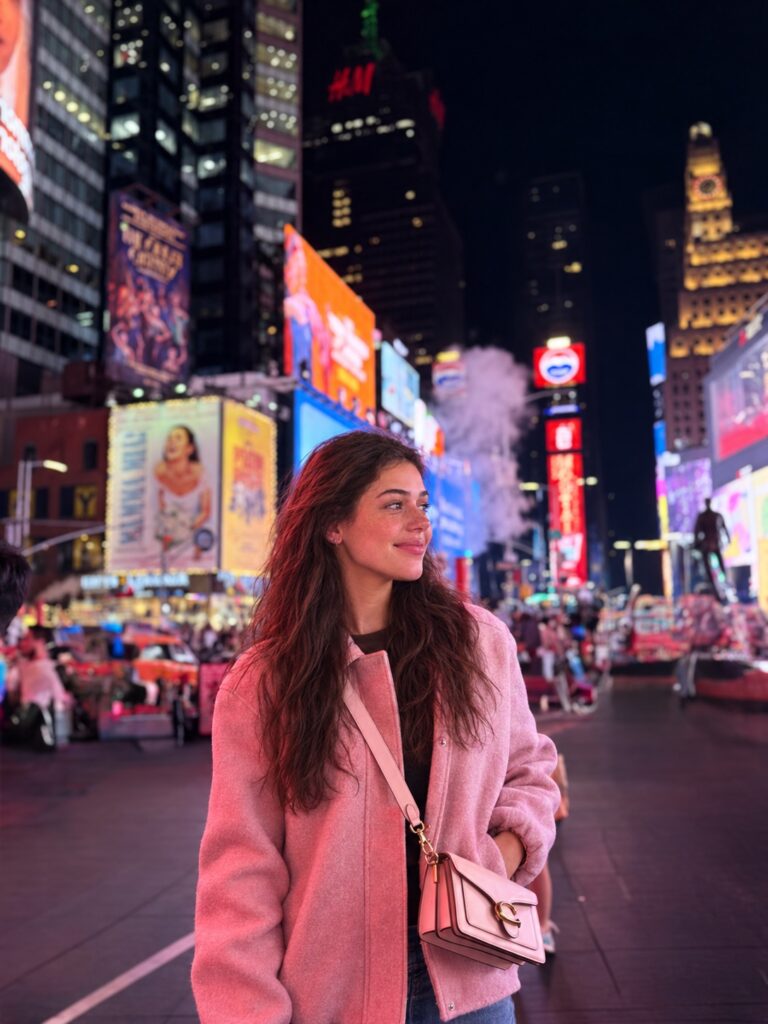
4. Bryant Park Winter Village and Midtown without relying on Times Square
Bryant Park Winter Village is one of the clearest winter activities for a first-time vegan traveler who wants holiday atmosphere, skating, and a central indoor backup. The official Bryant Park page currently lists the 2026–27 skating season as October 28, 2026 through February 28, 2027. It lists free admission with skate-rental charges, weather-related closure policies, and separate holiday-shop dates.
What to do
- Check the official rink page and reserve the appropriate session if you plan to skate.
- Bring or rent skates according to the current rules; free admission does not mean every skating-related cost is free.
- Use the Holiday Shops as a browse-and-shop stop, not as a guaranteed vegan dining destination.
- Pair the park with the New York Public Library, nearby museums, or a restaurant reservation that can absorb a weather delay.
Vegan food plan
Le Botaniste Bryant Park lists 11 West 42nd Street on its official locations page. That gives you a nearby plant-based option, but check the current service format and hours before skating. If you want a more substantial fully vegan dinner, use the City Roots directory and reserve a Chelsea, Union Square, Gramercy, or Flatiron venue after checking the route.
Map: Bryant Park Winter Village
Map: Le Botaniste Bryant Park
What I Noticed From the Sources
The official Winter Village page separates rink dates, holiday-shop dates, hours, reservations, and weather policies. That is exactly the level of detail a vegan traveler needs: skating, shopping, and eating are separate decisions. Build the meal outside the market unless a vendor’s current menu clearly works for you.
5. Central Park winter skating, museums, and indoor recovery
Winter Central Park works when you treat the park as a short scenic segment between indoor anchors, not as an all-day outdoor commitment. The Central Park Conservancy highlights winter activities such as skating, self-guided walks, seasonal landscapes, and current events. NYC Parks separately publishes rink information, so verify the current operating page before traveling.
What to do
- Choose a short route around Bethesda Terrace, the Mall, the Ramble, or another map-listed location.
- Consider Wollman Rink or the Gottesman Rink when skating is operating and your group wants a scheduled activity.
- Use a museum or indoor attraction as the second half of the day.
- Do not plan sledding, snow play, or ice conditions as guaranteed experiences; the Conservancy makes those dependent on weather and conditions.
Vegan food plan
Use the Upper East Side route and Le Botaniste UES for a daytime plant-based stop, or make Central Park the outdoor portion before traveling to a booked vegan dinner downtown. Keep a packed snack in your day bag when a strict dietary requirement makes an improvised park meal risky.
What I Noticed From the Sources
Central Park’s own winter guidance is careful about conditions: skating, sledding, lawns, and snow activities depend on the actual weather. That makes a flexible itinerary safer than promising a particular winter scene. The best plan is one where the park is valuable even if snow never arrives.
6. Indoor Chelsea, SoHo, and Greenwich Village days
When rain, wind, or freezing temperatures make a long walk unpleasant, use an indoor neighborhood day: one museum or market, one short street route, and one reserved vegan meal. Chelsea, SoHo, and Greenwich Village connect well to restaurants and transit, so you can reduce outdoor exposure without turning the day into a generic hotel stay.
What to do
- Choose one indoor anchor such as a museum, gallery cluster, market, or bookstore route.
- Use short outdoor transfers between anchors and keep a warm café or restaurant as a recovery stop.
- Check ticketing, hours, and holiday closures directly with the attraction.
- Let your dinner reservation determine the final neighborhood rather than crossing the city at the coldest part of the evening.
Vegan food plan
City Roots’ official directory gives you multiple fully plant-based directions: Anixi and Willow in Chelsea, Le Basque in Union Square, Sentir in Flatiron, and Coletta in Gramercy. Le Botaniste Soho lists 127 Grand Street and is useful for a plant-based SoHo or Lower East Side route. Verify each venue’s current menu, hours, and booking requirements.
What I Noticed From the Sources
The indoor-day strategy improves dietary reliability because the meal can be booked before the weather disrupts the route. It also prevents a common winter mistake: choosing an attraction on one side of Manhattan and a restaurant on the other without accounting for coats, wet sidewalks, and delayed transit.
7. Brooklyn fall and winter routes
Brooklyn is a good seasonal choice when you want waterfront views, neighborhood food, and a slower pace, but choose one cluster rather than trying to combine DUMBO, Williamsburg, Bushwick, and Prospect Park in one day. Brooklyn Bridge Park publishes its map, access points, free-entry information, and public-transit guidance. The park recommends public transportation because parking is limited.
What to do
- For a fall waterfront day, pair Brooklyn Bridge Park with DUMBO and Brooklyn Heights.
- For a vegan food day, choose Williamsburg, Bushwick, or Greenpoint and keep the sightseeing local.
- For a slower winter day, pair Prospect Park or Brooklyn Museum with an indoor meal and a weather backup.
- Check ferry and MTA service before setting out; scenic transport is optional, not guaranteed.
Vegan food plan
HAAM Caribbean Plant Cuisine lists 234 Union Avenue in Brooklyn and describes plant-based Dominican and Trinidadian food, with reservations, takeout, delivery, and dine-in information on its official page. Le Botaniste Greenpoint lists 673 Manhattan Avenue. Bunna Cafe is a fully plant-based Ethiopian option in Bushwick; confirm current service details before traveling.
Map: Brooklyn Bridge Park Pier 1
Map: HAAM Caribbean Plant Cuisine
What I Noticed From the Sources
Brooklyn becomes much easier in cold weather when the route is cluster-based. A waterfront walk can be shortened, while a Williamsburg or Bushwick food day can move between indoor venues. The official sources support this flexible structure better than a single borough-wide itinerary.
8. Holiday markets, vegan food, and dietary verification
Holiday markets are useful for atmosphere and shopping, but they should not be your only vegan food plan. NYC Parks and Bryant Park publish seasonal market information, while GrowNYC publishes market locations and schedules. Vendor lists can change, and a market’s general food offering is not the same as a guaranteed vegan menu.
How to eat safely at seasonal markets
- Look for a clearly labeled vegan vendor, then confirm ingredients rather than relying on a sign alone.
- Ask about dairy, egg, honey, butter, ghee, shared griddles, fryers, and cross-contact.
- Carry a backup snack or schedule a restaurant meal nearby.
- Do not treat a vegetarian pastry, cider donut, hot chocolate, or fried item as vegan without checking.
- Use markets to add seasonal atmosphere after your main meal, not as the only dietary safety net.
Two practical seasonal itineraries
These sample plans are intentionally flexible. They show how to sequence outdoor and indoor activities without claiming that every attraction, market, or menu will be open on every date.
What to pack for vegan travel in fall and winter
Pack for wet transitions, not just low temperatures. The most useful items are practical rather than fashionable: waterproof shoes with traction, layers, gloves, a warm hat, a compact umbrella, a portable battery, and a small food backup.
- Water-resistant outer layer for rain and wet snow.
- Comfortable shoes with traction for slick sidewalks and subway stairs.
- Light layers that work inside overheated restaurants and museums.
- Reusable water bottle and a sealed vegan snack.
- Phone battery backup for maps, reservations, weather, and transit alerts.
- Allergy or dietary translation notes if you are not comfortable explaining cross-contact in English.
For a broader packing checklist, use the live vegan travel packing guide. For city-level route planning, the live Vegan Travel in New York pillar provides the wider framework.
Common fall and winter planning mistakes
- Planning around a foliage peak date: use the official tracker and stay flexible.
- Assuming the holiday market is a vegan food court: confirm each vendor or book a restaurant.
- Ignoring seasonal closing times: the High Line and outdoor attractions may have shorter winter windows.
- Building a waterfront sunset plan in December without daylight awareness: check sunset and weather before leaving.
- Forgetting that skating requires its own rules and reservations: check admission, rental, storage, and weather policies.
- Crossing boroughs for every meal: choose one neighborhood cluster and keep a nearby backup.
- Using old seasonal information: recheck official pages for the exact year and date.
FAQs about fall and winter vegan travel in New York
Is fall a good time for vegan travel in New York?
Yes. Fall supports longer walks, Central Park foliage, Union Square Greenmarket visits, and neighborhood routes before the coldest weather. Check the official foliage tracker and current attraction hours, and reserve a warm restaurant meal for the end of the day.
What can vegan travelers do in New York in winter?
Plan around museums, indoor neighborhoods, Bryant Park Winter Village, Central Park skating when operating, holiday markets, and plant-based restaurants. Keep outdoor walks shorter and use a weather-aware backup.
Is Bryant Park Winter Village vegan-friendly?
It is a seasonal shopping and skating destination, not a guaranteed vegan dining venue. Check current vendor menus and ask about ingredients. For a reliable full meal, reserve a nearby plant-based restaurant such as a listed Le Botaniste or City Roots venue after verifying the current details.
When does the High Line close in winter?
The official visitor page currently lists 7 a.m. to 8 p.m. from December 1 through March 31, compared with 7 a.m. to 10 p.m. from April 1 through November 30. Check for temporary closures and elevator updates before visiting.
Can I see fall foliage and eat vegan in the same day?
Yes. Pair Central Park with Le Botaniste UES or another confirmed Upper East Side option, or combine a shorter park route with Union Square and a reserved downtown vegan restaurant.
What should I do if snow or rain cancels my outdoor plan?
Move to an indoor museum, market, bookstore, or restaurant in the same general neighborhood. Keep one indoor anchor and one verified meal for every major outdoor route.
How do I check vegan options at holiday markets?
Review the current vendor directory, ask about dairy, egg, honey, butter, ghee, and shared cooking surfaces, and carry a backup snack. A market’s general food description is not a guarantee for strict vegan or allergy needs.
Key takeaways
- Fall is strongest for foliage, greenmarkets, and long neighborhood walks.
- Winter is strongest for museums, skating, holiday markets, and reserved plant-based meals.
- Use official seasonal pages for current hours, closures, weather rules, and event dates.
- Keep one indoor backup and one verified vegan meal for every outdoor plan.
- Choose one geographic cluster per day instead of crossing New York repeatedly.
- Check menus and cross-contact details; do not assume market food or vegetarian food is vegan.
Useful Sources And Verification
Check these official sources before traveling because seasonal dates, hours, access, weather policies, and menus can change:
- Central Park Conservancy seasonal guides, foliage tracker, maps, and events
- National Weather Service New York forecast
- National Weather Service Central Park climate normals
- The High Line visitor information and seasonal hours
- Bryant Park Winter Village skating and holiday information
- GrowNYC Union Square Greenmarket schedule and location
- Brooklyn Bridge Park maps, access, and transit guidance
- City Roots Hospitality restaurant locations
- Le Botaniste official locations
- HAAM Caribbean Plant Cuisine
- MTA maps and transit planning