Vegan Travel Drinks: Pack, Verify & Refill
Short answer: Build a vegan travel drinks plan around an empty refillable bottle, one dry backup, and one destination refill or purchase route. Plain water is the foundation; sealed tea, instant coffee, electrolyte powder, or another clearly labeled dry mix can cover delays and hotel gaps. Check labels and the current security, airline, customs, and local-water guidance for your route.
Updated 26 October 2026. Recheck airport liquid rules, airline allowances, customs restrictions, local-water guidance, and product labels before travelling.
What you’ll find in this guide
Start with the plan · Choose the format · Handle security · Check customs · Plan accommodation · Use the checklist · Read the FAQs
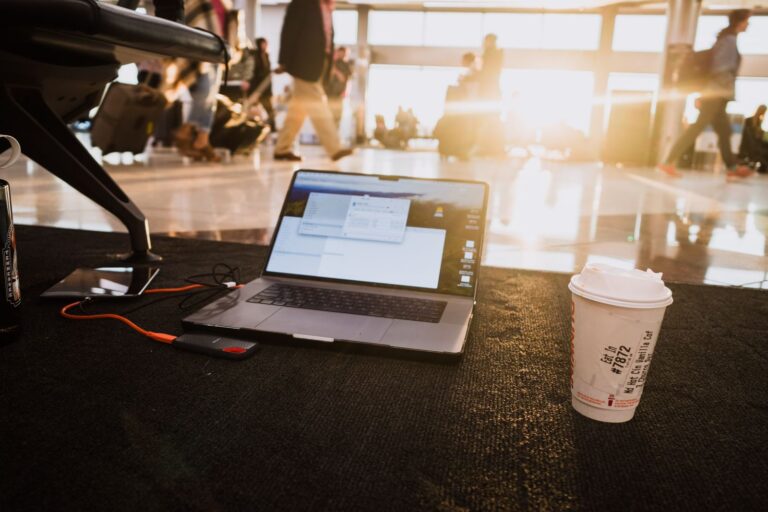
Featured image credit: Reusable bottles packed for travel hydration. Photo: Aurelio Uribe Wright via Pexels.
What are the best vegan drinks to pack for travel?
The best vegan travel drink is the one that solves a specific moment without creating a new packing, security, storage, or verification problem. Use an empty reusable bottle before airport screening, refill or buy water afterward where permitted, and carry a small dry backup for delays. For road trips, add a leak-resistant bottle and a cooler only when you can keep it clean and cold. For hotels, combine the room’s water guidance with sealed tea, instant coffee, electrolyte powder, or another labeled drink mix.
This guide covers drinks beyond the detailed non-dairy milk for travel comparison and the separate vegan coffee and tea travel guide. Its focus is the broader system: hydration, shelf-stable options, airport and border rules, hotel access, road-trip storage, and deciding what to do when a drink’s ingredients or availability are unclear.
Choose the format for the travel moment
A drink that works in a hotel may be inconvenient at security. A large bottle that is comfortable on a road trip may be impossible to carry through a checkpoint. Compare the complete setup.
Best vegan travel drink categories
Plain water and refillable hydration
Plain water is the simplest foundation for most trips. Carry an empty bottle through screening when the applicable authority permits it, then refill or buy water after the checkpoint. Choose a bottle that seals, fits your bag, and can be cleaned at your accommodation.
Do not assume that every fountain is available, clean, or suitable for visitors. Check airport signs, local advisories, accommodation guidance, and trusted public-health information. If local tap water is not recommended, use sealed water or the option advised by a reliable local authority. Avoid pouring water into an unlabeled container immediately before inspection when a sealed package would be easier to explain.
Sparkling and mineral water
Sparkling water adds variety without caffeine or sweetener, but bottles and cans add weight and are usually most practical after security or at a destination. Check flavored versions for sweeteners and other additions. If carbonation affects your comfort during flights or drives, choose a drink you already tolerate rather than experimenting on a travel day.
Coconut water and ready-to-drink hydration products
Coconut water, aloe beverages, and other packaged hydration drinks vary in sugar, flavorings, pulp, and serving size. Sealed single-serve packaging can be convenient, but it remains a liquid for security and may be restricted at a border. For road trips, keep only what you can store safely and replace along the route.
Electrolyte powders and drink tablets
Electrolyte powders and tablets can be compact and useful after screening, provided the formula and travel rules are clear. Check the serving instructions and distinguish everyday exercise products from oral rehydration products intended for specific medical situations. They are not interchangeable.
Read for milk derivatives, whey, lactose, honey, gelatin, collagen, shellac, vitamin D3 from lanolin, and ambiguous flavor or color ingredients. A vegan badge can help, but it does not replace the ingredient and allergen statement. Keep single-serve sachets in original packaging rather than transferring powder to an unlabeled bag.
Instant tea and herbal infusions
Individually wrapped tea bags are light and easy to portion. Plain black, green, herbal, and fruit teas usually require fewer checks than powdered latte mixes, but honey, cream flavor, sweeteners, or fortified ingredients can still appear. Sealed tea bags are often more practical than loose botanicals at borders and during security screening.
Instant coffee and powdered drink mixes
Plain instant coffee is a compact backup. Powdered cappuccino, chai, cocoa, and latte mixes need closer review because they may contain dairy creamer, whey, casein, honey, or unclear flavor systems. For coffee and tea ordering details, use the separate vegan coffee and tea travel guide.
Juice and shelf-stable boxes
Unopened juice boxes can be convenient after security, in a hotel, or in a road-trip cooler. Check added flavors, sweeteners, vitamin ingredients, and allergen statements. They are heavier than dry mixes and may be awkward at borders, so buy them locally when that is simpler.
Homemade drinks and concentrates
Homemade smoothies, syrups, infused water, and concentrates can be useful for a domestic road trip but create extra questions for security, storage, labeling, and customs. If you carry one, use a leak-resistant container, keep it cold when required, and check whether the destination permits the ingredients. A factory-sealed alternative is often easier for international travel.
Airport security: use a three-stage sequence
Before leaving for the airport
- Check the departure airport’s current liquids and powders guidance.
- Check whether the airline has separate onboard or food rules.
- Pack dry products in original labeled packaging.
- Keep an empty bottle accessible so you can remove it if screening requires.
- Check whether a medical liquid or electrolyte product needs documentation.
At the checkpoint
Follow the current instructions of the security authority and screening officer. Liquids, gels, aerosols, and powders can be treated differently, and the final decision rests with the authority screening your bag. Do not rely on a general internet rule when the airport or country publishes a more specific instruction.
Large powder containers may receive additional screening under some authorities. Single-serve labeled portions are easier to identify than an unmarked tub, but they are not a guarantee of clearance. Do not hide or decant a product to avoid questions.
After security
Refill the empty bottle where permitted and where the water source is appropriate. If you buy a drink, keep the receipt or package until your next connection when practical. If you have multiple security stages, treat the next airport as a new checkpoint and check its rules.
Border crossings and customs
Airport security asks whether an item can pass the checkpoint. Customs asks what may enter the destination. These are different questions. A drink permitted through departure screening may still be restricted on arrival because of food, agricultural, animal, plant, or packaging rules.
For international travel:
- check the destination authority’s current guidance before packing;
- prefer factory-sealed, shelf-stable products when appropriate;
- keep ingredient labels visible and in the original language;
- declare items when required rather than assuming a small amount is exempt;
- avoid unlabeled homemade liquids or powders when a packaged alternative exists;
- discard or consume restricted items before the relevant border if the authority instructs you to do so.
Do not describe a product as “allowed everywhere.” Rules depend on the departure airport, transit points, destination, product type, quantity, and current enforcement.
Hotel-room and accommodation planning
A hotel room may have a kettle, coffee machine, minibar, refrigerator, or none of these. In an apartment, you may have more control but still need a reliable water source and clean equipment. Ask accommodation staff where to refill, whether plant milk is available, and which product is used instead of relying on a generic “non-dairy” label.
Use a small beverage corner:
- keep sealed tea, coffee, or drink mix together in a labeled pouch;
- confirm the kettle or hot-water source before you need it;
- follow local water guidance;
- keep chilled drinks cold and do not leave perishable products warm;
- clean reusable bottles and cups according to their instructions;
- use the fallback if equipment, ingredients, or water access remains unclear.
If hydration products are part of a medical plan, follow your clinician’s instructions. This article cannot determine whether a particular electrolyte product or local water source is appropriate for you.
Road trips: build a drink kit that survives the day
A road-trip drink kit needs access, temperature, cleaning, and disposal planning. Pack a leak-resistant bottle, a small cooler only if you can keep it cold, dry backup portions, napkins, and a way to dispose of empty packaging. Plan refill stops instead of carrying more liquid than you can safely store.
Heat can damage taste, packaging, and some products. Do not leave perishable plant drinks or opened beverages in a hot vehicle. Keep dry powders away from leaks and humidity. If a bottle has been open for a while, follow the product’s storage instructions rather than treating it as indefinitely safe.
How to verify that a drink is vegan
Read the complete ingredient list
Check the front label, ingredient list, allergen statement, and any certification or manufacturer explanation. Look for milk, whey, lactose, casein, butter, honey, gelatin, collagen, shellac, animal fat, and other ingredients relevant to your diet. “Natural flavor” or “creamer” may require further manufacturer information.
Check the allergen statement separately
An allergen statement is useful but is not always a complete vegan statement. A product can contain no declared dairy allergen and still include honey or another animal-derived ingredient. If you have a medical allergy, follow your own action plan and do not equate “vegan” with “allergen-free.”
Verify powders, supplements, and fortified drinks carefully
Powders may contain extra vitamins, collagen, flavor systems, or processing aids that are not obvious from the product name. Keep the package and check the current formula. Do not rely on an old screenshot, a retailer description, or a product sold under the same name in another country.
Avoid “vegan by default” assumptions
Water is not the only drink that can be simple, and a plant-themed label is not proof. “Fruit,” “green,” “energy,” “protein,” “natural,” and “dairy-free” describe only part of a product. Verify the actual drink and the format you are buying.
When the drink plan fails
Travel plans fail for ordinary reasons: a refill station is closed, a product is confiscated, a connection changes, a hotel kettle is missing, or the only available drink has unclear ingredients. Use the fallback you prepared instead of trying to force a doubtful option.
For a short delay, use water and a dry mix you have already checked. For a longer delay, buy a sealed drink after security or at a local shop and keep the label until you finish it. If a border officer says an item cannot enter, follow the instruction and replace it after arrival. If the local water advice changes, use the recommended sealed or treated source. If a medical condition affects hydration, follow your clinician’s plan rather than improvising with a new supplement.
Keep a note of what worked on the route, but do not treat it as a permanent rule. Airports, authorities, hotels, stores, and product formulas change. A useful travel drink system is designed to adapt.
Use a compact travel beverage checklist
- Empty refillable bottle for the pre-security stage
- One hydration plan after screening or at the destination
- Two dry backups in original labeled packaging
- Ingredient and allergen checks completed before departure
- Current airport, airline, customs, and local-water guidance saved offline
- One refill route for each long travel day
- One hotel or accommodation plan
- One road-trip storage plan if driving
- Medical documentation or clinician guidance when relevant
- Fallback choice if an item is unavailable, restricted, or unclear
Frequently Asked Questions
What is the best vegan drink to bring through airport security?
An empty bottle plus a dry, labeled backup is often more flexible than a full liquid. Check the current departure, transit, and destination rules, especially for powders and medical liquids.
Can I bring electrolyte powder on a flight?
Rules vary by security authority, quantity, packaging, route, and screening decision. Keep it in original labeled packaging, check the current authority guidance, and allow time for additional screening.
Are tea bags and coffee sachets allowed across international borders?
Not automatically everywhere. Security permission and customs permission are different. Check the destination’s current rules and carry commercially packaged products when appropriate.
Is coconut water a good travel hydration option?
It can be convenient after security or on a road trip, but it is heavy, may contain added ingredients, and may be restricted as a liquid. Check the label, storage, and route rules.
How do I check whether a travel drink is vegan?
Read the full ingredient list and allergen statement, check certification or manufacturer information when needed, and do not assume that a product name or “plant-based” front label answers every question.
What should I drink in a hotel if I am unsure about the local water?
Follow current local or accommodation guidance and use the water source recommended for visitors. Sealed water and a dry drink backup can help, but specific medical needs should be handled with professional advice.