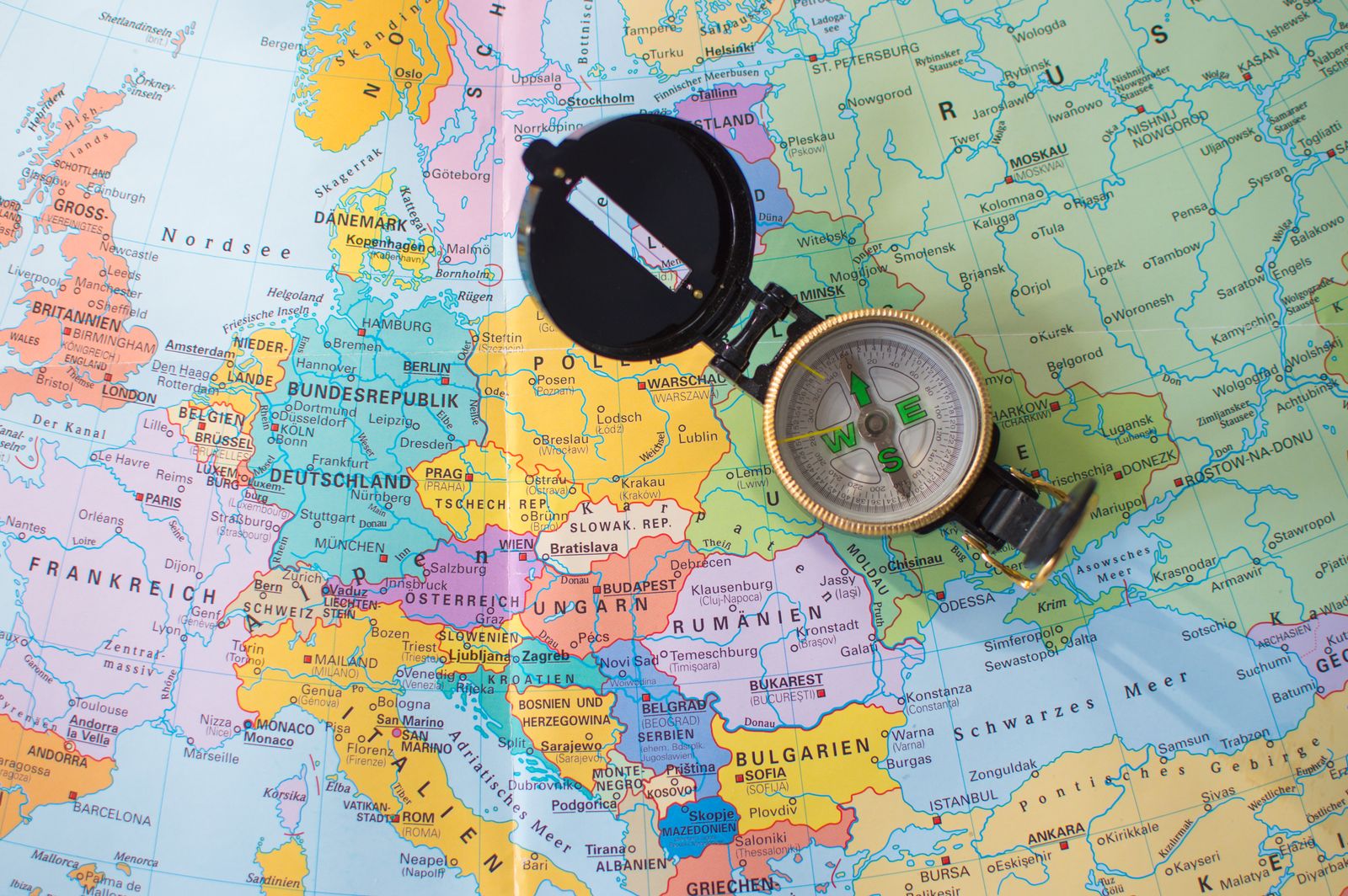
Vegan Travel Europe Food Planning: Rail, Grocery & Backup Tips
Short answer: Vegan food planning in Europe works best when you build the route around transport, neighborhoods, grocery access, and one dependable backup for each difficult transfer. A city break, a multi-country rail trip, an island ferry route, and a rural stay need different food plans, even when they share the same continent.
Updated 26 October 2026. Rail schedules, strikes, ferry services, menus, market days, restaurant hours, border rules, and seasonal opening patterns can change. Check current operator, venue, and official travel information close to departure.
What you’ll find in this guide
Choose a route pattern · Map cities and stations · Plan rail, ferry, and flight days · Handle language and labels · Build food backups · Use the checklist
Start with the route pattern
Europe can feel easy to plan because cities and transport links are dense, but food access still changes between a central city, a station transfer, an island, and a rural stop. Write down each destination, arrival time, transport change, accommodation, and longest gap between reliable meals before researching restaurants.
| Route pattern | Main food risk | Planning response |
|---|---|---|
| Single-city break | Food choices are spread across neighborhoods | Group meals, sightseeing, groceries, and transport by area. |
| Multi-city rail route | Short transfer windows and platform changes | Plan station food, carry compact backup, and protect the next meal. |
| Island or ferry route | Seasonal service and missed departures | Confirm sailing, arrival food, accommodation storage, and the last supply stop. |
| Rural or mountain stay | Limited venues, early closures, and long detours | Replenish in the last well-served town and verify cooking facilities. |
| Multi-country journey | Language, payment, labels, and rules change | Keep a separate evidence sheet and food card for every country. |
Use cities as food zones
Do not map restaurants across an entire city and call that a plan. Choose the accommodation area, the day’s main activity, and the transport station first. Then save one primary meal, one nearby replacement, one grocery option, and one easy breakfast or arrival meal within a realistic radius.
The Vegan City Break guide helps with pacing, while the Travel Resources guide helps with source checking. Listings and rankings are discovery tools, not final confirmation.

Plan a stop-by-stop food sheet
For each stop, record the address, source, date checked, opening window, payment method, primary meal, backup, grocery option, language note, and next transport connection. Mark each item as confirmed, likely, or unverified.
This prevents a broad statement such as “the city is vegan-friendly” from being mistaken for a current promise about one menu, one branch, or one weekday.
Rail days, ferries, and flights
Rail days
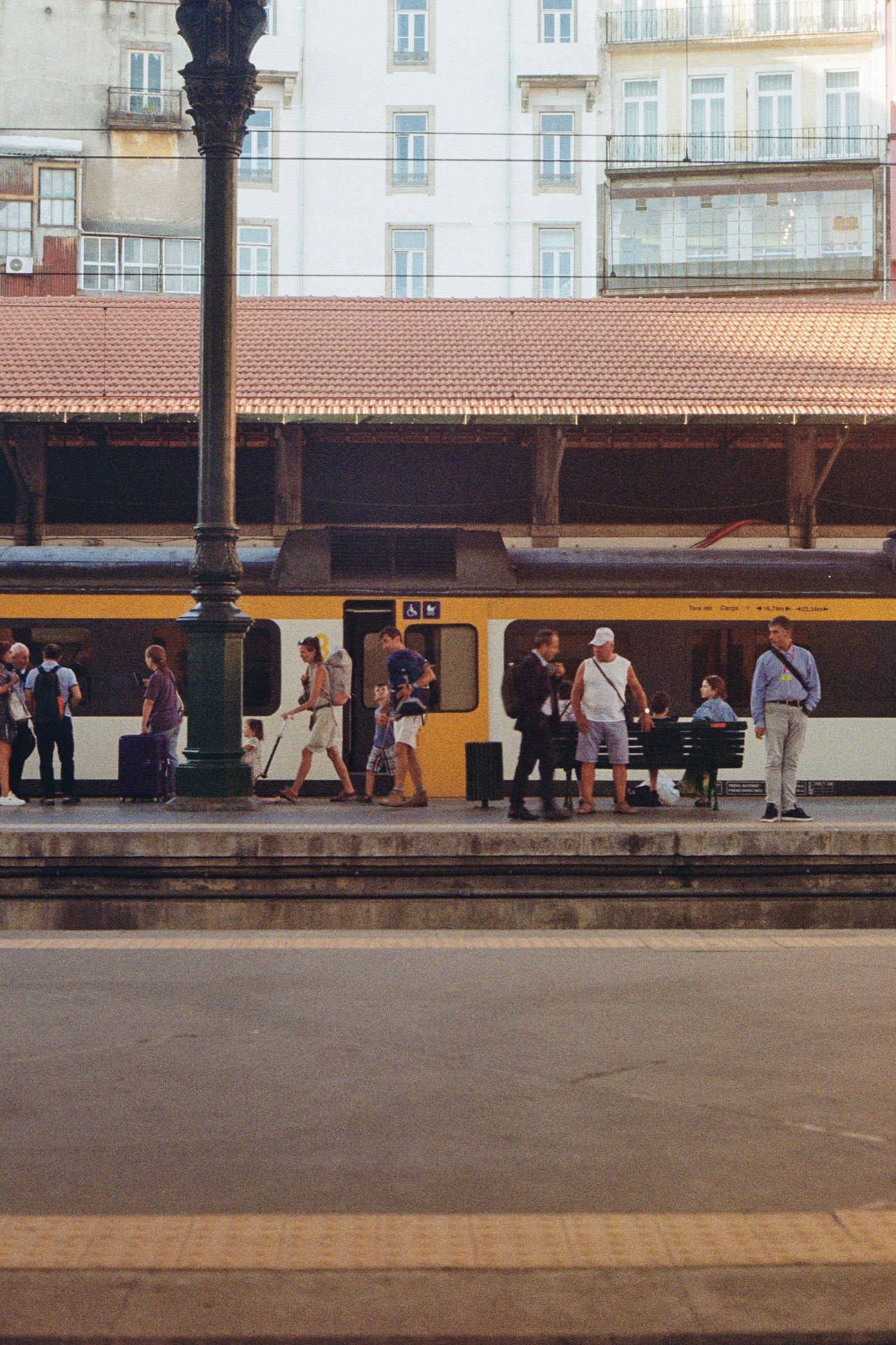
Check the departure station, platform access, transfer time, station food, supermarket options, and whether you must leave the secure area between connections. A short timetable connection can become a long food gap if the first train is delayed or the platform changes.
Save the operator’s current journey information and leave a buffer before the meal that is hardest to replace. EU passenger-rights information can help you understand disruption and assistance rules, but it does not guarantee a vegan meal on a delayed service.
Ferries and islands
Confirm the sailing, boarding cut-off, vehicle queue, arrival location, onboard food, and the next grocery or restaurant option. Ferry catering is a bonus until verified. Prepare food before leaving the last reliable supply point, especially outside the main season.
Flights
Request the meal through the airline’s current process, confirm it in the booking record, and keep a backup accessible. Check the exact terminal, connection time, and airport food hours. Use the flight meal guide for the request and backup plan.

Prepare language and label support
Prepare a short explanation of vegan requirements and the local words for dairy, egg, fish, meat, broth, butter, honey, gelatin, and common sauces. Use the language guide as a starting point and the menu-reading guide for ingredients and cooking questions.
European food labels can be useful, but a label or menu still needs to be interpreted in context. Ask about shared cooking surfaces, stock, sauces, toppings, and the difference between vegetarian and vegan. For allergies or medical risk, communicate the allergy separately and follow a qualified safety process.
Groceries and accommodation
Groceries can cover breakfast, train days, ferry days, late arrivals, rural stays, and days when a restaurant is unexpectedly closed. Check the store’s current hours, payment, location, and whether the food can be stored safely.
Before booking accommodation, ask about the refrigerator, freezer, kettle, kitchen equipment, breakfast, food-storage rules, and late-arrival access. If the property changes, repeat the food-zone check because the new address may be far from the original restaurants, station, or supermarket.
Cross-border food and luggage rules
Do not assume that a product, fresh food, liquid, supplement, or homemade meal can cross every European border. Check the current rules for the countries and transport operators on your route. Keep packaging and receipts where useful, and buy replacements locally when a rule is unclear.
Use the European Union’s current travel portal and luggage guidance for the relevant journey. Airport security, customs, and border rules answer different questions, so confirm the correct authority rather than relying on a general travel post.
Markets, supermarkets, and seasonal service
Markets can provide fresh produce, packaged food, bread, snacks, and local discovery. They can also have limited labels, shared utensils, seasonal schedules, and language friction. Visit in daylight where possible, ask focused questions, and keep a confirmed alternative nearby.
Restaurants, ferries, markets, and attractions may operate differently by weekday, holiday, or season. A summer listing may not describe winter service. Recheck the official venue or operator page before leaving accommodation.
Build two backups for every difficult segment
| Backup layer | Examples | When it helps |
|---|---|---|
| Nearby replacement | Second restaurant, market, supermarket, or accommodation breakfast | The primary venue is closed, full, sold out, or unclear. |
| Independent backup | Carried food, grocery meal, or food prepared before departure | A late arrival, missed train, ferry cancellation, strike, or rural gap. |
Protect the meals that are hardest to replace, such as the first meal after a late arrival or the only supply stop before an island transfer. Let flexible meals move with the route instead of forcing a large detour.
Plan around local service rhythms
Meal times, weekly closures, market days, reservation culture, payment methods, and service speed vary across Europe. Build time for questions and queues, especially when the traveler has allergies, a group, or a fixed train.
For groups, keep one shared note with addresses, hours, bookings, dietary questions, and backups. A shared plan is more reliable than several people using different versions of an old listing.
Health, accessibility, and route resilience
Food planning sits alongside health, medication, insurance, accessibility, and weather planning. Keep medication and important documents accessible, check current travel-health information, and allow extra time for travelers who need step-free routes, quiet breaks, or easier luggage handling.
Rail disruptions, strikes, storms, heat, and local events can change the day. Before every major transfer, check the next meal, last supply point, transport status, and independent backup. This short review is more useful than trying to perfect an entire month-long itinerary in advance.
Three practical Europe route templates
| Trip shape | Food system | Best for |
|---|---|---|
| Three-day city break | One neighborhood food zone, one grocery, two meal options, and one arrival backup | Travelers who want low planning overhead. |
| Seven-day rail route | Stop-by-stop sheet, station food check, compact carried backup, and transfer buffer | Travelers moving between major cities. |
| Island or rural extension | Last reliable supply stop, accommodation kitchen check, ferry or road buffer, and independent backup | Travelers adding slower or seasonal destinations. |
Stop-by-stop Europe checklist
- Have you written the exact cities, islands, rural stops, and arrival times?
- Is each stop mapped by accommodation, meal zone, grocery, station, and backup?
- Have you checked current menus, opening hours, payment, and booking requirements?
- Have you prepared the language words and ingredient questions for each country?
- Have you checked rail, ferry, flight, border, luggage, and disruption information?
- Does the accommodation provide the fridge, kitchen, kettle, breakfast, or storage you need?
- Have you confirmed the first meal after arrival and the last meal before departure?
- Do you have food for the longest realistic gap?
- Have you saved important addresses and source notes offline?
- Have you rechecked the next difficult segment before leaving?
Frequently asked questions
Is Europe easy for vegan travel?
It can be, especially in larger cities, but ease depends on the exact country, route, language, transport, accommodation, and season. Rural, island, and transfer-heavy trips need stronger grocery and backup planning.
How should vegans plan a European rail trip?
Check every station, connection time, food opening window, and disruption risk. Carry food for delays and do not assume a large station has a suitable option near your platform.
Should travelers use vegan restaurant apps in Europe?
Yes for discovery, but use current menus, official pages, and recent venue information to confirm the final choice. Listings can be outdated or describe another branch.
What should travelers do about language barriers?
Prepare a short written food card, save key ingredient words, and ask focused questions about sauces, broths, toppings, and cooking surfaces. For allergies, communicate the medical risk separately.
How can travelers plan vegan food on European islands?
Confirm the ferry or flight, buy food before the transfer, check seasonal opening hours, and verify accommodation storage and cooking access. Keep an independent backup for delays.
What is the best backup for an early train?
Prepare it the night before: a simple meal or snack that does not depend on a station café, a long queue, or a shop opening on time. Keep it accessible in your day bag.
Useful Sources and Verification
Checked 26 October 2026. Rail, flight, ferry, health, food-label, luggage, and venue information can change. Use the current official source for the country and transport operator on your route.
- European Union Your Europe travel portal
- European Commission food-information and labelling guidance
- EU rail passenger rights and disruption information
- EU air passenger rights
- European Centre for Disease Prevention and Control
- The Vegan Society train-travel guidance
Related guides
Build the wider Europe route
Connect rail, accommodation, food zones, and flexible backups before booking each stop.
Build meals into the itinerary
Use fixed meals, neighborhood planning, and transport buffers to make the route easier to follow.
Prepare language and menu questions
Save short country-specific phrases and a repeatable ingredient-checking process before departure.