Asia Vegan Food Planning: Language, Markets, Transport & Backups
Short answer: Vegan food planning in Asia works best when you research the exact route, learn the local words for hidden animal ingredients, save food options by neighborhood, and keep a backup for every difficult transfer. Markets and street food can be part of the experience, but ingredient certainty matters more than a familiar dish name.
Updated 26 October 2026. Menus, market days, transport, health rules, opening hours, and local guidance can change. Recheck current first-party or venue information close to travel and save key details offline.
What you’ll find in this guide
Choose a route pattern · Build a language and ingredient card · Use the right app for each job · Verify markets and street food · Build arrival and route backups · Use the checklist
Start with the route, not the restaurant list
Asia is not one food environment. A city break, a night train, a rural homestay, a beach island, and a multi-country itinerary create different food risks. Write down the exact sleep locations, arrival times, transport changes, and longest gap between dependable meals before researching venues.
| Route pattern | Main food risk | Planning response |
|---|---|---|
| Large city stay | Options are spread across neighborhoods and opening windows | Group places by area, save a grocery, and book one dependable meal. |
| Market or street-food day | Ingredients, oils, broths, and shared equipment may be unclear | Use a focused question card and keep a confirmed alternative nearby. |
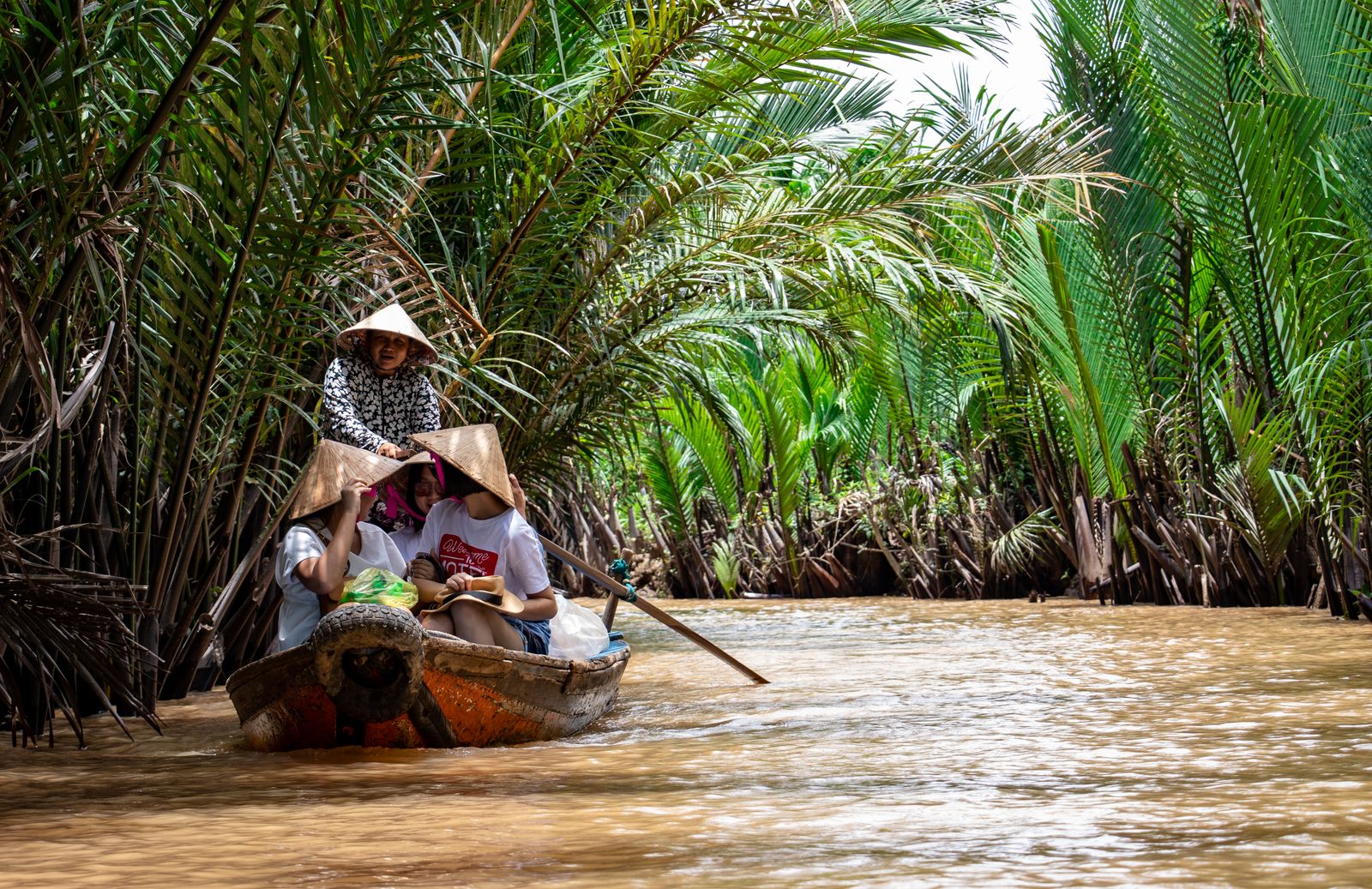
| Rural or mountain route | Few venues, limited language support, and long transport gaps | Replenish before leaving the last well-served town and carry food. |
| Island or beach stay | Seasonal hours, ferry changes, and limited replacement food | Confirm accommodation storage, arrival food, and the next supply point. |
| Multi-country journey | Language, payment, transport, and ingredient terms change at each border | Prepare a separate evidence sheet and food card for every country. |
Build a language and ingredient card
“Vegan” is only the first question. Prepare local words for dairy, egg, fish, shrimp, meat, broth, fish sauce, oyster sauce, shrimp paste, lard, gelatin, honey, and common cooking fats. Use the language guide as a starting point, then check the wording with a reliable local source or fluent speaker.
For allergies or medical risk, communicate the allergy separately and clearly. A vegan request and an allergy warning are not interchangeable, and a translation card cannot guarantee that a kitchen understands cross-contact.
“I eat vegan. Please do not use meat, fish, shrimp, fish sauce, oyster sauce, egg, milk, butter, honey, or animal broth. Can you confirm the ingredients and cooking oil?”
Save the card offline, keep it visible on your phone, and carry a written version for low-signal or low-battery situations.
Use a role-based app stack
Do not ask one app to solve discovery, navigation, translation, and offline access at the same time. Use each tool for a defined job, then save the essential information outside the app.
HappyCow: discover food options
Use it to find vegan and vegan-friendly restaurants, then confirm the venue’s current hours, menu, location, and recent status through its own page where possible.
Google Maps: save places and live logistics
Use saved lists for restaurants, supermarkets, hotels, stations, pharmacies, and backups. Check the route and opening hours close to the actual visit.
Organic Maps: keep offline navigation available
Download the relevant map area before leaving reliable signal, then save the hotel, food stops, transport points, and emergency locations.
Google Translate: communicate the food question
Save the food card and key ingredient terms before departure. Use translation as support, not as proof that a kitchen can safely meet a medical allergy.
Read menus and ask about sauces
A dish that looks vegetable-based may still contain fish sauce, shrimp paste, oyster sauce, meat stock, egg, dairy, lard, or a shared cooking surface. Ask about the base, sauce, garnish, oil, and preparation rather than only asking whether the dish is “vegetarian.” The menu-reading guide covers a repeatable process.
- Ask whether the broth is vegetable or animal-based.
- Ask whether sauces and pastes contain fish, shrimp, oyster, or meat.
- Ask whether egg, butter, milk, or honey is added at the end.
- Ask which oil and cooking surface are used.
- If the answer is uncertain, choose a simpler confirmed dish or use the backup.
Use markets and street food with a verification plan
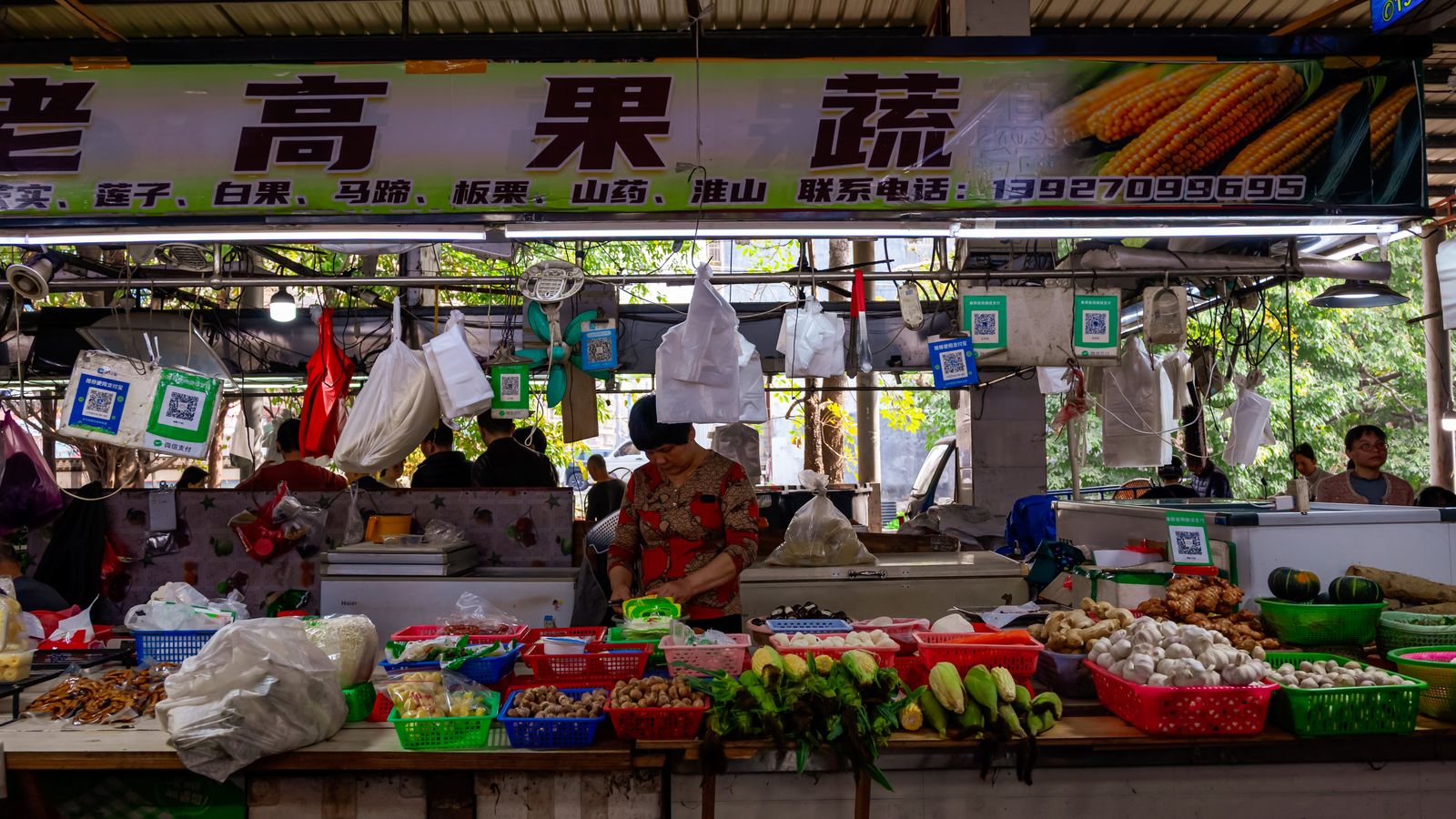
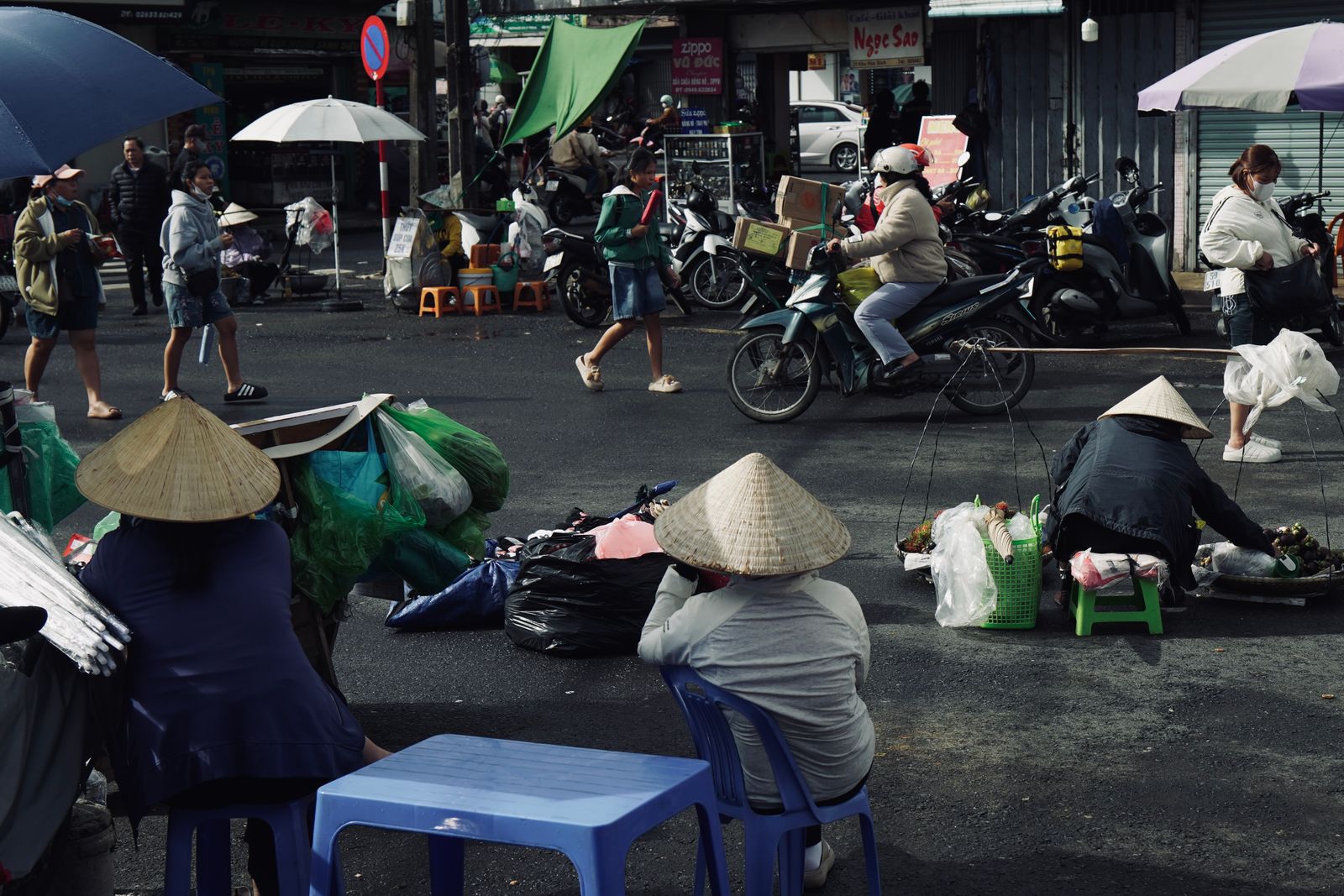
Markets can be an excellent way to find local produce, packaged food, fruit, rice, noodles, and simple meals. They can also be difficult places to verify ingredients because stalls may have no written menu, shared utensils, or a language barrier.
- Visit in daylight when stalls are easier to inspect.
- Look for packaged items with readable ingredient information when possible.
- Point to the specific ingredient you need checked rather than asking a broad cuisine question.
- Watch preparation for shared grills, woks, fryers, and animal-based toppings.
- Keep a confirmed restaurant, supermarket, or carried snack nearby.
Restaurants, groceries, and accommodation work together
Restaurants are only one layer of the food plan. Use groceries for breakfast, early departures, long transfers, and days when a venue is closed. Choose accommodation near a replacement food source when communication or transport is difficult, and confirm the room’s refrigerator, kettle, kitchen, breakfast, and food-storage rules before booking.
When a property promises a vegan meal, ask what the kitchen actually serves and whether the request must be sent in advance. Do not assume that “vegetarian,” “healthy,” or “plant-based options” means a complete vegan meal.
Transport, flights, and long-distance gaps
Travel days can remove more food options than sightseeing days. Check train, bus, ferry, domestic flight, and transfer details, including departure time, station or terminal, transfer length, boarding cut-offs, and arrival location. Carry food for the longest realistic gap, not only the scheduled travel time.
For flights, request the meal through the airline’s current process, confirm it in the booking record, and keep a backup accessible. The flight meal guide helps with the request and backup plan.
Build arrival and route backups
Use two backups for every difficult segment:
| Backup layer | Examples | When it matters |
|---|---|---|
| Nearby replacement | Second restaurant, market, supermarket, or hotel meal | The primary venue is closed, full, sold out, or unclear. |
| Carried or accommodation-based food | Sealed snacks, breakfast ingredients, simple grocery meal, or food prepared before departure | A late arrival, delay, missed transfer, rural stay, or island closure. |
Protect the meals that are difficult to replace, such as the first meal after a late arrival or the only food stop before a long transfer. Let flexible meals move with the route instead of forcing a large detour.
Health, entry, and food-safety planning
Food research sits alongside health, medication, insurance, entry, and local-safety planning. Check current destination guidance and seek professional advice when health needs are significant. The WHO advises travelers to consider destination-specific risks, safe food and water, medications, insurance, local laws, and climate before departure.
Keep medication in original packaging where appropriate, carry documents for prescriptions, and plan for delays. Food safety is broader than vegan status: pay attention to water, refrigeration, hygiene, heat, and food that has been sitting out. Use official guidance for the destination rather than assuming that a popular market is automatically safe.
Choose accommodation and route bases strategically
| Base type | Why it can work | What to verify |
|---|---|---|
| Central city base | More restaurants, markets, pharmacies, and transport | Neighborhood access, traffic, noise, and opening windows. |
| Near a station or ferry | Easier early departure and less transfer risk | Food options after arrival and before departure. |
| Beach or island base | Slower pace and local markets | Seasonal hours, grocery supply, ferry changes, and room storage. |
| Rural or mountain base | Nature and cultural access | Last reliable food stop, cooking facilities, signal, and emergency route. |
Plan by destination style
- Major city: save food by neighborhood and build each day around one confirmed meal.
- Night market or street-food destination: eat a safe base meal first, then browse with a focused question card.
- Island route: buy food before the transfer, confirm the next supply point, and keep a ferry-delay backup.
- Rural or mountain route: replenish in the last well-served town and confirm accommodation facilities.
- Multi-country route: create a separate language, payment, transport, and food sheet for every border.
Keep a dated route evidence sheet
For each stop, record the source, date checked, address, opening window, primary meal, backup, grocery option, language note, transport change, and uncertainty. Mark a venue as “confirmed,” “likely,” or “unverified.” This prevents a broad regional recommendation from being mistaken for a current promise.
Asia vegan food-planning checklist
- Have you written the exact cities, islands, rural stops, and arrival times?
- Do you know the local words for vegan and the main hidden animal ingredients?
- Is your food card saved offline and available in writing?
- Have you saved primary venues, backups, groceries, hotels, stations, and pharmacies?
- Have you checked current menus, opening hours, payment, and location?
- Have you confirmed the next meal before a long transfer or late arrival?
- Does the accommodation provide the fridge, kitchen, kettle, breakfast, or storage you need?
- Have you downloaded offline maps and saved the relevant addresses?
- Have you checked health, entry, medication, food-safety, and local travel guidance?
- Do you have a carried backup for the longest difficult segment?
Frequently asked questions
Is vegan travel easy in Asia?
It depends on the country, city, route, language support, transport, and the traveler’s tolerance for uncertainty. Large cities may offer more choices, while rural, island, and transfer-heavy routes need stronger grocery and backup planning.
What ingredients should vegan travelers ask about?
Ask about fish sauce, oyster sauce, shrimp paste, meat stock, egg, dairy, butter, honey, lard, gelatin, and cooking oil. The exact list changes by cuisine, so prepare a destination-specific card.
Should travelers rely on street food?
Use street food as one part of the plan, not the only plan. Watch preparation, ask focused questions, check shared equipment, and keep a confirmed restaurant, grocery, or carried backup.
How can travelers handle language barriers?
Prepare a written and offline food card, save the relevant words, use translation support, and confirm important answers more than once. For allergies, follow a separate medical-safety process.
What is the best backup for a rural Asian route?
Use the last reliable town to buy food that suits the climate and storage available at the accommodation. Add a simple carried option that works without a restaurant or cooking equipment.
How should a traveler verify an Asian restaurant?
Check the current official page or menu, location, opening hours, recent status, and how the kitchen handles sauces and shared equipment. Save the date checked and a backup nearby.
Useful Sources and Verification
Checked 26 October 2026. Use current official guidance for health, entry, transport, food safety, and airline details. Venue pages and market information should be rechecked for your exact dates.
- CDC Travelers’ Health
- World Health Organization: travel and health
- IATA traveler information
- FAO food-safety information
- The Vegan Society Vegan Passport (check current app availability before relying on it)
Related guides
Build a language and menu system
Use the language and menu guides to prepare food questions before you arrive.
Connect food to the itinerary
Plan fixed meals around transport, accommodation, sightseeing, and the next difficult route segment.
Save the wider travel resources
Use the resource hub for apps, maps, transport, and practical travel support.