
Italian Riviera Beaches: Vegan Food, Rail & Day-Trip Planning
Short answer: Plan an Italian Riviera beach trip around a realistic base, a current transport route, one verified food option, and a packed backup meal. The official Liguria tourism portal distinguishes the wider beaches of the western Riviera from the more rugged eastern coast, so choose a beach by access, facilities, food, and return timing rather than photographs alone.
Updated 26 October 2026. Recheck beach access, rail service, seasonal hours, menus, prices, and weather before travelling.
What you’ll find in this guide
Start with the coast comparison, then choose a practical base, plan vegan food and backups, check rail and Cinque Terre logistics, build a reliable beach picnic, and finish with a flexible three-day outline.
The Italian Riviera is not one uniform beach destination. Liguria runs from the French border past Genoa toward the Gulf of Poets, with different coastlines, towns, train connections, coves, promenades, and seasonal services. A vegan-friendly plan therefore needs two linked maps: the route map and the food map.
This guide focuses on practical beach and food planning for the Ligurian coast. It does not claim that one beach is best for everyone, and it does not treat menus, opening hours, transport, prices, access, or weather as permanent facts. Recheck time-sensitive details before booking and again before each long coastal transfer.
5P Position and Plan
Position: This is a vegan beach-planning guide for the Italian Riviera, not a generic list of Italian beaches or a restaurant directory. It connects coastal geography, rail and boat decisions, beach facilities, food verification, picnic planning, and return-route protection.
Plan: Before departure, create one dated route brief for each beach day containing the base, transport, access notes, current food option, packed backup, weather check, and last realistic return connection.
Research and disclosure note: This article is research-based and does not claim personal visits. External links are provided for verification; no venue is presented as endorsed or permanently vegan-friendly. If you use any commercial booking or product link elsewhere on the site, review its current terms separately.
| Trip decision | What matters most | Food-first response |
|---|---|---|
| Short beach visit | Easy access and a dependable return | Eat near the base or carry lunch and snacks |
| Train-based day | Station route, timetable, and transfer margin | Save a station or supermarket backup |
| Boat or island outing | Meeting point, weather policy, and duration | Do not rely on unconfirmed onboard food |
| Long coastal stay | Storage, groceries, facilities, and flexibility | Choose accommodation that protects meal access |
Where is the Italian Riviera and how does the coast differ?
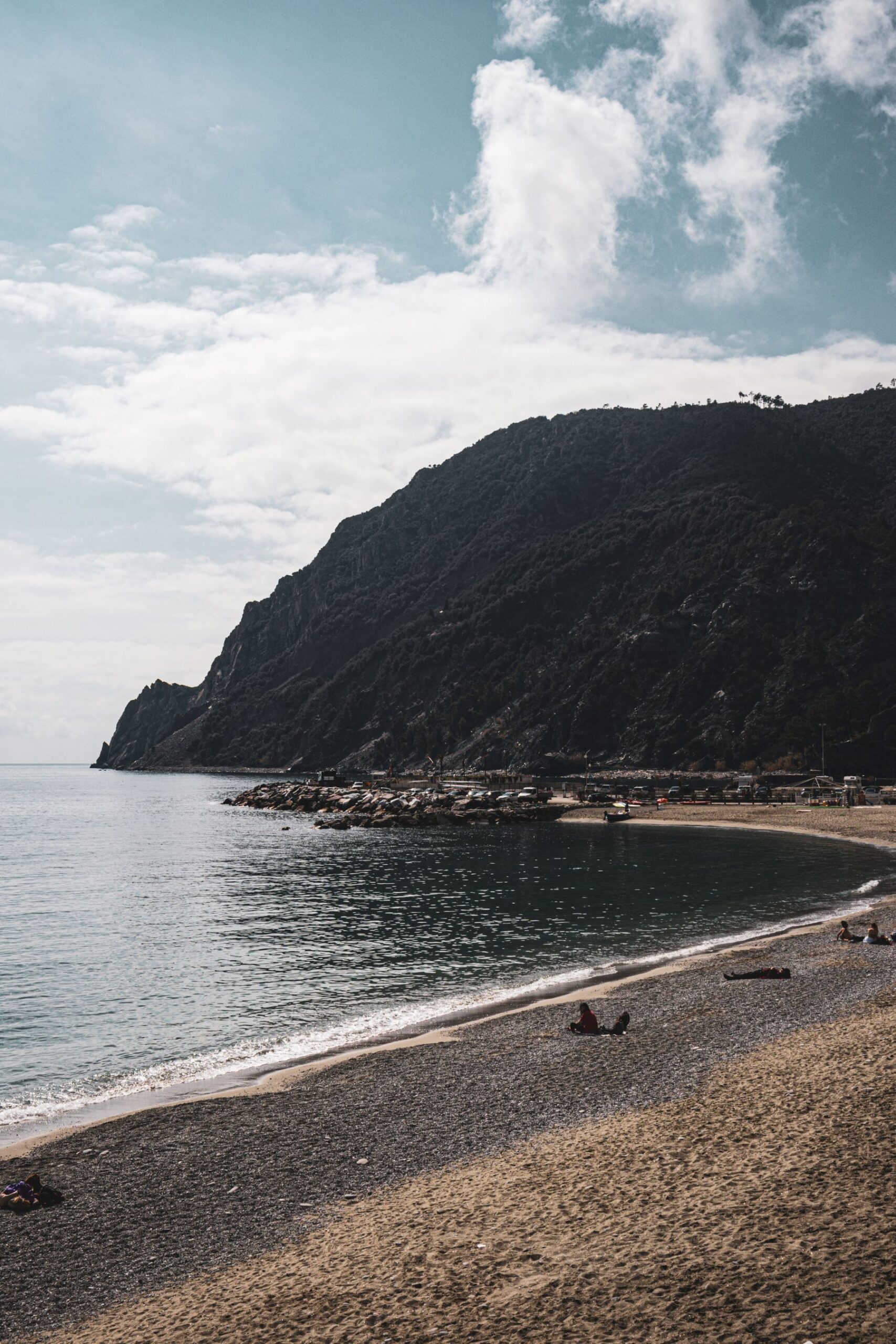
Answer: The Italian Riviera is the Ligurian coastline in north-west Italy. The official La Mia Liguria tourism portal describes a coast with more sandy beaches on the western Riviera and more cliffs and coves on the eastern Riviera. Use that broad distinction as a starting point, then verify the exact town, station, beach access, and facilities.
The official regional tourism portal divides the coast into areas including the Flower Riviera, Palm Riviera, Genoa and surroundings, Portofino and Tigullio, Cinque Terre, and the Gulf of Poets. Its official coast overview is the best starting map for deciding which segment fits your trip.
Riviera di Ponente: wider beach planning
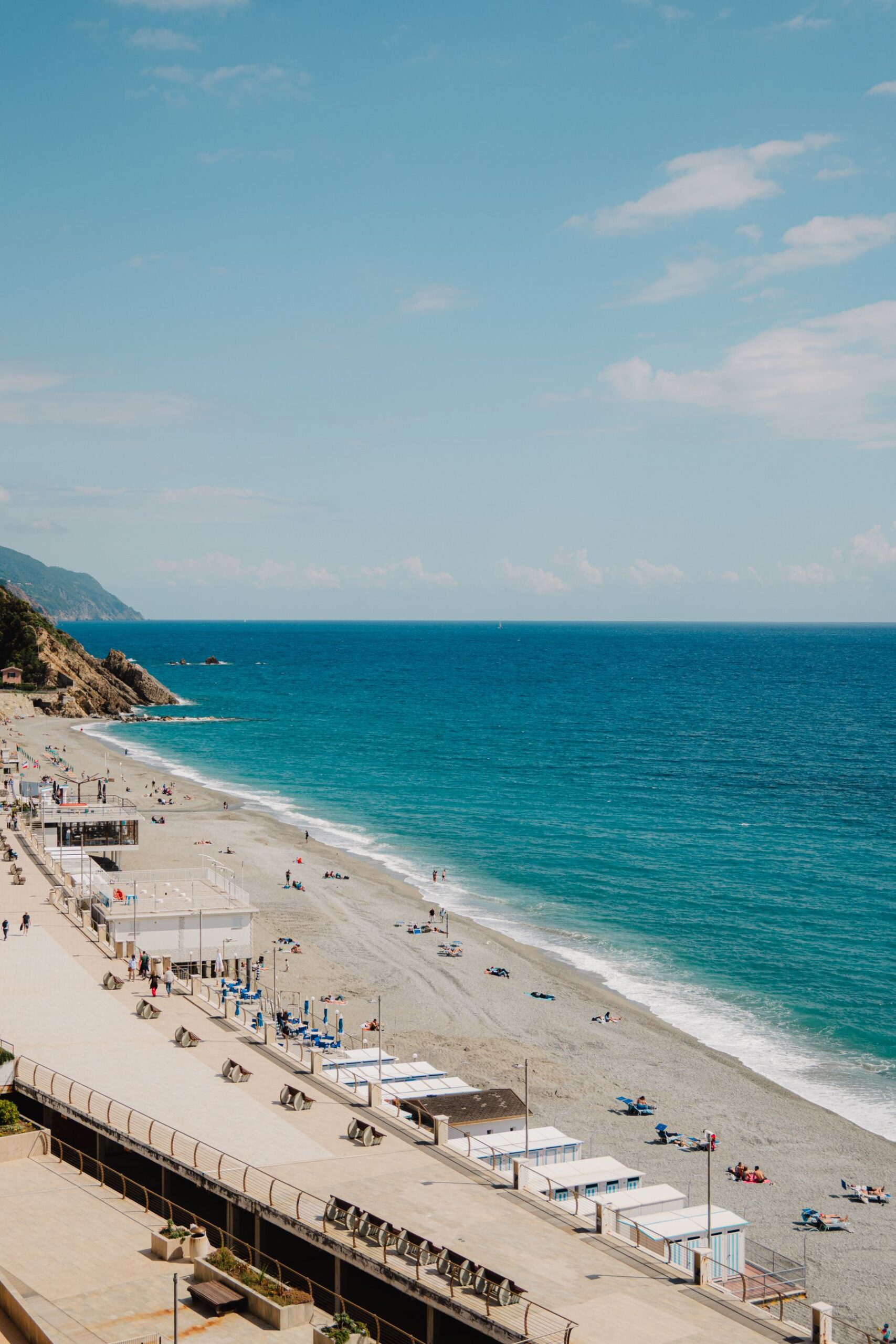
The western side, or Riviera di Ponente, is often the more straightforward choice when your priority is a broader beach area, a promenade, and a slower day with fewer village changes. Examples to research include Finale Ligure, Alassio, Ceriale, Spotorno, Noli, and Sanremo. Treat those as planning leads, not guarantees: inspect the exact beach, station or bus route, food access, shade, toilets, and return options.
Riviera di Levante: coves, villages, and tighter logistics
The eastern side, or Riviera di Levante, is known for more dramatic coastal scenery and compact towns, but the day can involve steps, hills, rocky sections, crowded trains, or limited space. Research Camogli, Sestri Levante, Levanto, Framura, Deiva Marina, and the Cinque Terre as separate stops. A visually close destination can still require a very different food and access plan.
How should vegans choose an Italian Riviera base?
Answer: Choose the base that reduces the number of uncertain decisions. A useful base has a realistic arrival route, a grocery option, at least one current food lead, a refrigerator or kitchen when needed, and a return connection that does not depend on the final train or boat of the day.
Start with your fixed commitments. If you arrive late, stay near a station or arrange food before the beach day. If you are travelling with luggage, check the walking route rather than relying on a map pin. A steep lane, stairs, or a long transfer can change the usefulness of an otherwise attractive base.
| Base type | Useful for | Verify before booking |
|---|---|---|
| Station town | Rail day trips and early departures | Platform access, luggage route, last return |
| Promenade town | Short beach days and flexible meals | Beach rules, evening food, seasonal closures |
| Village or cove | Slower stays and scenery | Steps, groceries, storage, and backup transport |
| Self-catering base | Picnics, breakfast, and rural stretches | Fridge, cooking equipment, check-in, and waste rules |
Use the broader Vegan Travel in Europe guide for regional route context, then narrow the plan to one coast segment. For a trip that crosses several countries, link each transfer to a separate food and transport check rather than treating Europe as one operating environment.
How can vegans plan food near Italian Riviera beaches?
Answer: Plan one confirmed meal, one grocery option, and one carried backup for every beach day. Ask about dairy, egg, honey, fish, seafood stock, meat stock, sauces, bread, desserts, and shared preparation. A dish described as vegetable, Mediterranean, or vegetarian is not automatically vegan.
Use a three-level food plan
- Confirmed option: a current menu or direct answer from the venue, with the date checked.
- Grocery option: a shop near the base, station, or return route for bread, fruit, legumes, spreads, drinks, or a simple meal.
- Carried backup: sealed snacks or a compact meal that can cover the longest realistic gap.
For Italian-language questions, use the vegan travel language-card guide and keep the key terms visible offline. A short written explanation is useful, but still confirm the actual ingredients and cooking method. For allergies, state the allergy separately because vegan and allergy-safe are not the same promise.
What can you buy for a coastal picnic?
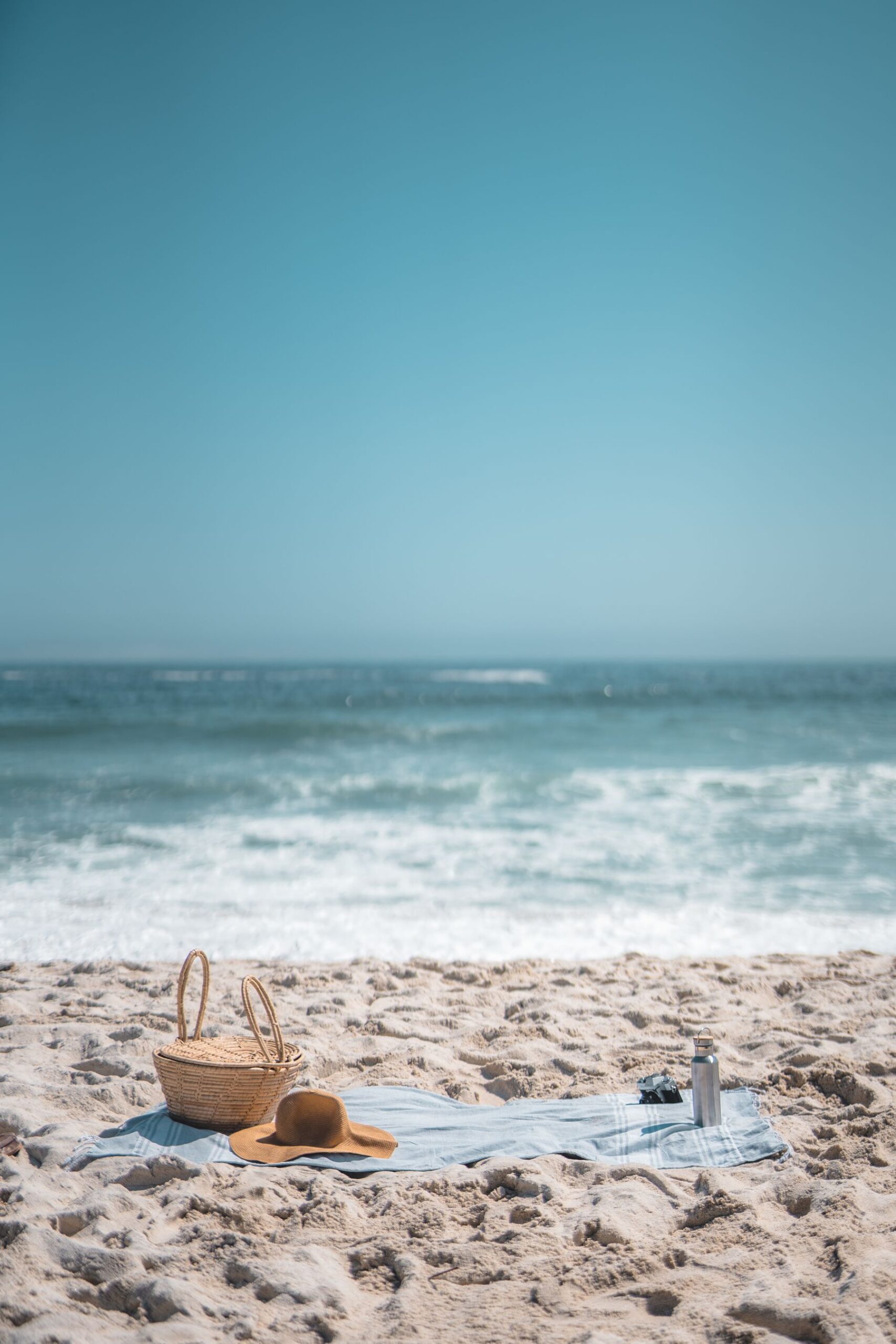
Build a picnic around food that travels well and matches the day’s temperature and storage. Depending on local availability, that may include fruit, bread or focaccia after checking ingredients, olives, packaged beans, hummus, nut or seed products, crisps, crackers, and a fortified drink. Buy chilled items close to use and follow the product’s storage instructions.
Do not pack food through a protected area or onto a boat without checking the relevant rules. Reduce packaging, carry waste out when required, and avoid leaving food where it could attract wildlife.
How should vegans plan rail days and Cinque Terre trips?
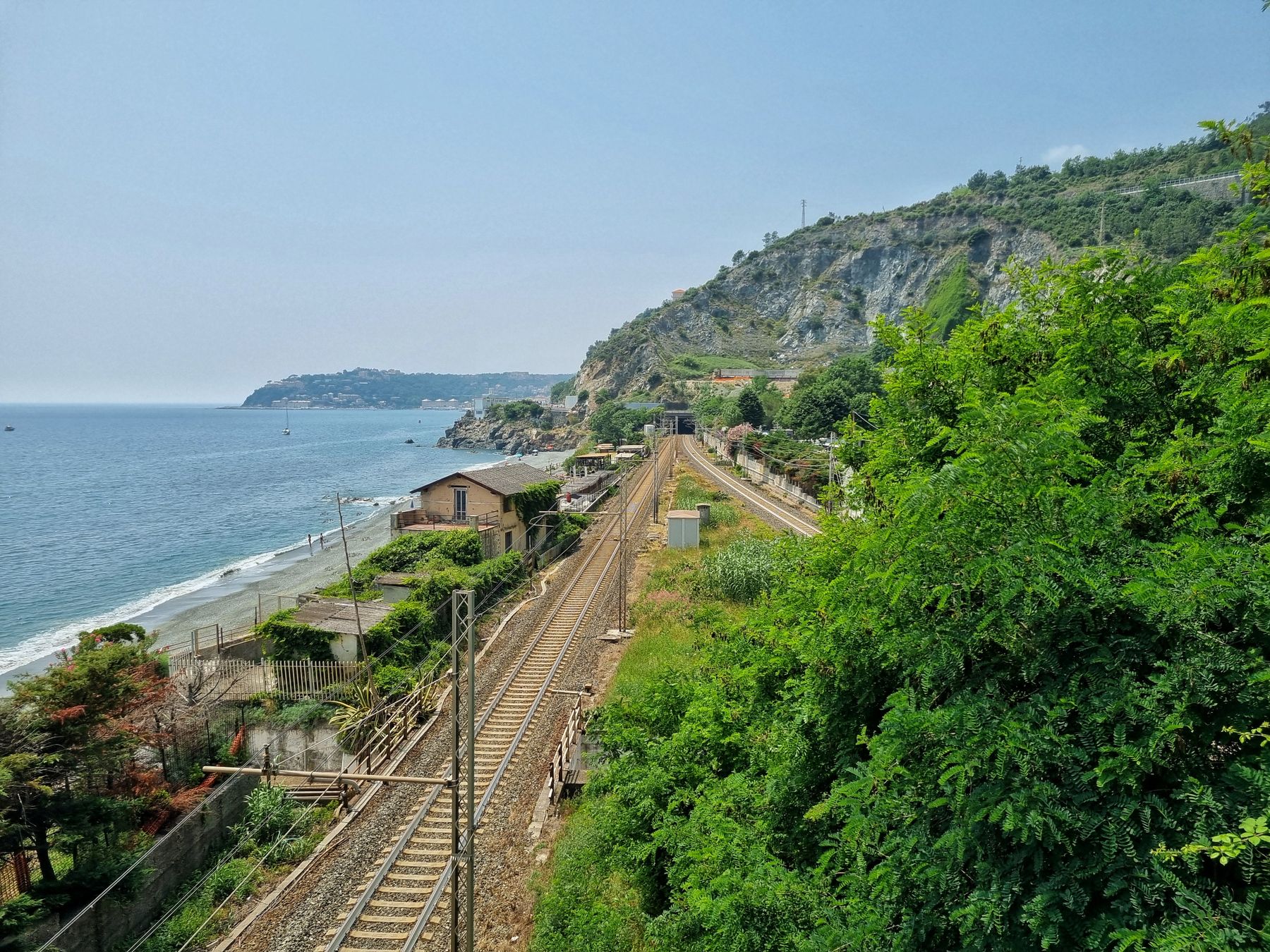
Answer: Treat the station, transfer, food window, and return train as one decision. The Cinque Terre National Park says local trains connect the five villages and directs visitors to current Trenitalia information. The official park FAQ and Trenitalia Cinque Terre page should be checked for current service, cards, restrictions, and dates.
For a rail beach day, record the departure station, platform or walking route, connection time, food location, water refill plan, and last realistic return. A train station may be close to the coast but still require stairs, a road crossing, or a walk to the beach. Save offline screenshots because a crowded station is a poor place to search from scratch.
What to verify for a Cinque Terre day?
- Current regional train service and any special fare or card conditions.
- Trail, park, or attraction access rules from the official park.
- Whether the planned village has the facilities and food timing your group needs.
- How much food to carry before the busiest or most remote segment.
- A return option that still works if the planned meal is delayed.
The official Cinque Terre Card site explains current card options and included services. Treat every price, date, and operating condition as changeable.
How do you build a reliable vegan beach picnic?
Answer: Choose food that can survive the route, the temperature, and the time between purchase and eating. A reliable picnic has a main item, a protein or filling element, fruit or vegetables, water, and a backup snack. Carry enough for delays, but avoid buying more chilled food than you can store safely.
| Picnic format | Useful components | Check first |
|---|---|---|
| Cold sandwich or wrap | Bread, spread, vegetables, beans or prepared filling | Ingredients, temperature, and leakage |
| Grocery snack plate | Fruit, crackers, olives, hummus, nuts or seeds | Allergens, chilled storage, waste |
| Accommodation-made meal | Cooked grain, legumes, vegetables, sauce | Kitchen, containers, cooling, transport |
| Emergency shelf-stable kit | Bars, crackers, nut or seed butter, dried fruit | Allergy suitability and liquids rules |
Use a cooler only when you can keep food at a safe temperature. Do not assume a beach bag or shaded towel is refrigeration. The printable vegan grocery list can help you build a destination-aware shop before the coastal day.
How should you compare Italian Riviera beaches?
Answer: Compare the complete day, not only the water or view. Access, surface, steps, shade, toilets, water, food, crowd comfort, weather flexibility, and the return route can matter more than the photograph. Never infer accessibility from a map pin or a general beach label.
| Check | Question | Why it changes the plan |
|---|---|---|
| Access | Are there steps, steep streets, sand, rocks, or long walks? | Determines comfort and participation |
| Facilities | Are toilets, shade, water, and changing areas available? | Matters for long or family days |
| Food | Is a current vegan meal or grocery option reachable? | Protects against hunger and closures |
| Transport | What is the last realistic train, bus, or boat? | Prevents a difficult return |
| Weather | What is the town-based alternative? | Stops the whole day depending on the beach |
The official Liguria portal provides location-level information across the coast, but the final access details belong to the municipality, beach operator, park authority, or transport provider. Ask exact questions when access, mobility, children, or medical needs affect the decision.
What changes by season and weather?
Answer: Treat beach services, boat trips, transport patterns, menus, and opening hours as seasonal variables. Check the current forecast and official operator information shortly before the day, then keep a town, museum, grocery, or accommodation alternative ready.
Summer crowds can change station time, queues, and food availability. Shoulder-season days may be pleasant but have fewer open businesses. Wind, rain, heat, rough water, strikes, engineering works, or ferry cancellations can change a coastal plan quickly. A flexible itinerary is not a lesser trip; it is protection against brittle assumptions.
For general travel preparation, use the site’s vegan travel resources guide and record the date you checked each time-sensitive source. Remove stale notes rather than carrying old opening hours into a new trip.
What is a realistic three-day Italian Riviera outline?
Answer: A simple outline protects food and transport first, then adds longer coastal movement only after the base is understood. Keep the first day close to arrival, use a nearby beach for the first full day, and reserve a longer rail or boat route for the day with the clearest weather and strongest backup.
- Day one: arrive and stabilise. Find the base, confirm the grocery option, save the return route, and eat near reliable services.
- Day two: choose a nearby beach. Carry lunch and water, check the facilities, and return before the route becomes stressful.
- Day three: take the longer coast route. Recheck transport, weather, current food, and the last realistic return before leaving the base.
If the trip is shorter, use the same logic in miniature: reliable base, nearby beach, then longer route only when the evidence is current. If the trip is longer, add rest or town days rather than stacking a beach, boat, hike, and late dinner into one uncertain day.
What mistakes should vegan travellers avoid?
Answer: The most common mistakes are treating the whole Riviera as one food area, trusting old listings, assuming a vegetarian dish is vegan, ignoring the last return connection, and carrying no backup for beach or boat days. Each mistake is preventable with a dated route brief.
- Choosing by photograph alone: check access, facilities, food, and return.
- Relying on one restaurant: keep a grocery and carried backup.
- Assuming train convenience: inspect the exact station, transfer, and timetable.
- Forgetting language and preparation: ask about stock, sauces, bread, and shared equipment.
- Overpacking chilled food: buy close to use and protect safe storage.
- Ignoring weather: keep a town-based alternative before leaving.
- Publishing permanent claims: date checks and link to current official information.
Key takeaways
- Choose the coast segment and base before choosing individual beaches.
- Use official Liguria, park, and transport sources for changing details.
- Plan one confirmed food option, one grocery option, and one carried backup.
- Compare access, facilities, weather flexibility, and return timing with the scenery.
- Keep the first beach day simple and protect longer coastal routes with margin.
- Update menus, transport, access, prices, and opening information before travel.
Frequently Asked Questions
Is the Italian Riviera easy for vegan travel?
It can be manageable with route-first planning, especially when you stay near a town, station, grocery option, or self-catering base. The level of choice changes by town, season, transport, and opening hours, so verify the actual day rather than relying on a regional reputation.
Which Italian Riviera area is easiest without a car?
Start with towns connected by the coastal rail line and compare the station-to-beach walk, food access, facilities, and last return. The official Liguria tourism rail itinerary and the Cinque Terre park guidance are useful starting points, but check the exact current service for your date.
Can I find vegan food at Italian Riviera beaches?
Some coastal towns may have suitable restaurants, shops, or naturally plant-based foods, but availability is not guaranteed at every beach or season. Save a current menu or direct answer and carry a backup meal.
What should I pack for a vegan beach day?
Carry water, a filling meal, a compact snack, sun protection, a towel, a written dietary note, and a leakproof bag. Add chilled food only when you can store it safely. Follow local rules for waste, protected areas, and carried food.
Do I need a Cinque Terre Card?
That depends on your route and the services you plan to use. Check the current official park card site and Trenitalia information for included transport, trails, dates, and conditions before buying.
How do I handle a closed vegan restaurant?
Use the grocery option early, return to the accommodation meal plan, or use the carried backup. Do not wait until the last connection or late evening to discover that the only planned venue is unavailable.
Are the Italian Riviera beaches sandy?
The coast varies. Official Liguria tourism describes wider sandy beaches as more common on the western side and cliffs or coves as more common on the eastern side. Check the exact destination if sand, swimming access, or mobility matters.
Next step: create a dated coast brief
Before booking, write the base, beach or town, transport route, current food option, grocery backup, carried meal, access question, weather check, and return time on one page. Add the date checked beside every changing detail. That brief turns a beautiful coast idea into a trip you can actually navigate.
Useful Sources And Verification
Use these sources to recheck changing regional, transport, park, food-carrying, and rail information. The article is a planning framework, not a permanent ranking or guarantee.
- La Mia Liguria: The Ligurian Coast for the official regional coast overview and location context.
- La Mia Liguria: By train to the seaside for current regional rail-to-coast ideas and place-level leads.
- Cinque Terre National Park FAQ for park access, village transport context, and current visitor guidance.
- Trenitalia: Cinque Terre by train for current regional service, fares, dates, and conditions.
- Official Cinque Terre Card site for current card services and access details.
- Your Europe: carrying food and goods for current European travel and carried-item checks.
- The Vegan Society: train travel guidance for independent practical context when planning food for rail journeys.

2 Comments
Comments are closed.