Oceania Vegan Food Planning: Road Trips, Remote Routes & Supply Stops
Short answer: Vegan food planning in Oceania is easiest when you plan by route segment, not just by destination. Use cities to replenish supplies, identify the last dependable supermarket or meal before every remote stretch, confirm storage at your accommodation, and carry a backup for weather, ferry, road, or flight changes.
Updated 26 October 2026. Australia, New Zealand, and Pacific routes can change quickly with weather, fires, flooding, road conditions, park access, ferry operations, seasonal opening hours, and border rules. Recheck official information close to travel and keep important details offline.
What you’ll find in this guide
Choose a route pattern · Build the three-layer food plan · Find the last reliable supply stop · Check storage and cooking · Handle weather and biosecurity · Use the checklist
Start with the route pattern
“Oceania” is too broad for one restaurant list. A Melbourne city break, a Great Ocean Road drive, a New Zealand national-park loop, and an island transfer need different food systems. Decide which pattern describes the next segment, then plan the food around its distance and exit points.
| Route pattern | Food risk | Best planning response |
|---|---|---|
| City stay | Options are spread across neighbourhoods and opening windows | Group restaurants by area, save a grocery, and book one reliable meal. |
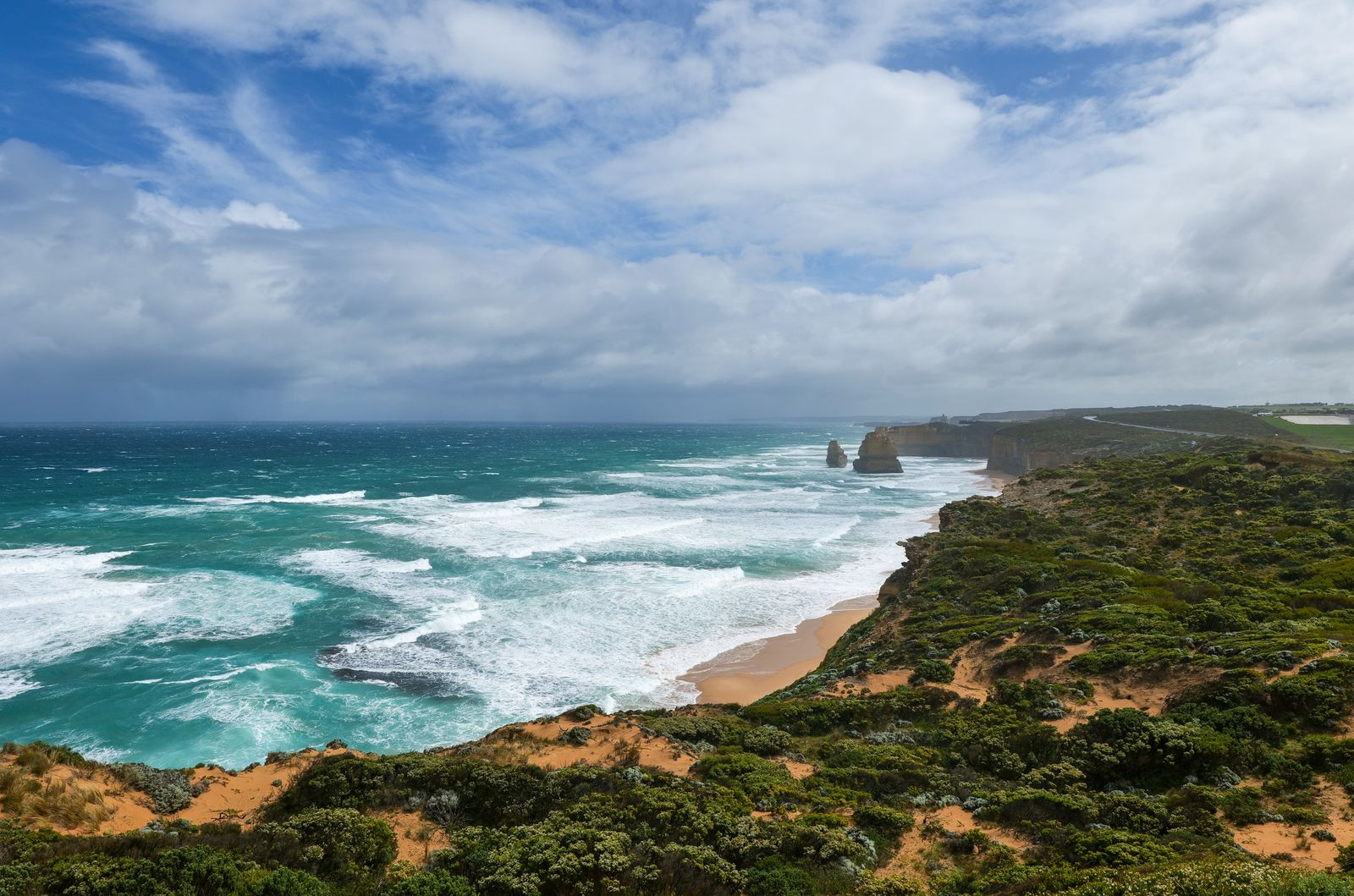
| Coastal or regional road trip | Long gaps between towns, early departures, and limited evening service | Mark fuel, grocery, café, and accommodation stops on the same route. |
| National park or remote nature route | Few vendors, weak signal, weather exposure, and no quick replacement meal | Carry food that survives the segment and confirm water, storage, and cooking access. |
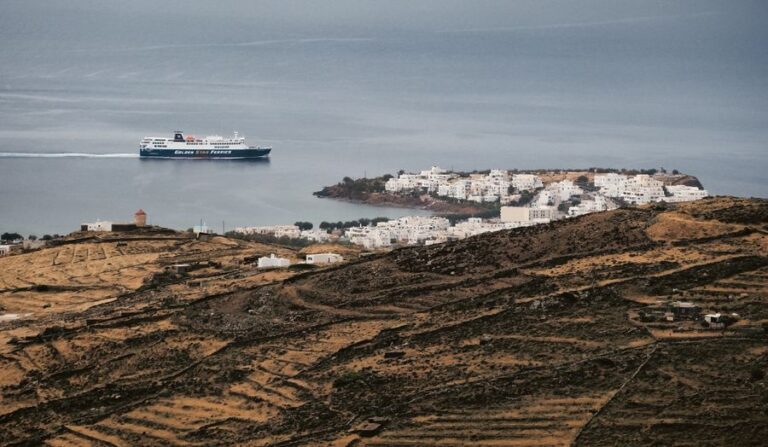
| Island or ferry connection | Timetable changes, vehicle queues, missed sailings, and seasonal businesses | Check the next sailing, pack a delay meal, and do not rely on onboard food. |
| Cross-country flight | Terminal changes, customs rules, and long gaps outside meal hours | Request meals early, verify terminal access, and keep compliant food accessible. |
Build a three-layer food system
A dependable Oceania food plan has three layers. The aim is not to carry every meal for the whole trip. It is to make the next decision easy when the first plan fails.
Layer 1: the planned meal
A booked vegan restaurant, confirmed café, grocery meal, or accommodation breakfast. Save the address, opening window, and route from your next stop.
Layer 2: the nearby replacement
A second restaurant, supermarket, service station, or shelf-stable meal within a realistic detour. Check it for the same day, not only on an old review.
Layer 3: the carried backup
Food you can eat without a restaurant, fridge, or cooking equipment if the route changes. Keep it sealed, easy to reach, and suitable for the climate.
Use the layers proportionally. A city day may need only layers 1 and 2. A remote park, ferry, or long driving day needs all three.
City, road, remote, and island planning across Oceania
Australia: replenish before the distance increases
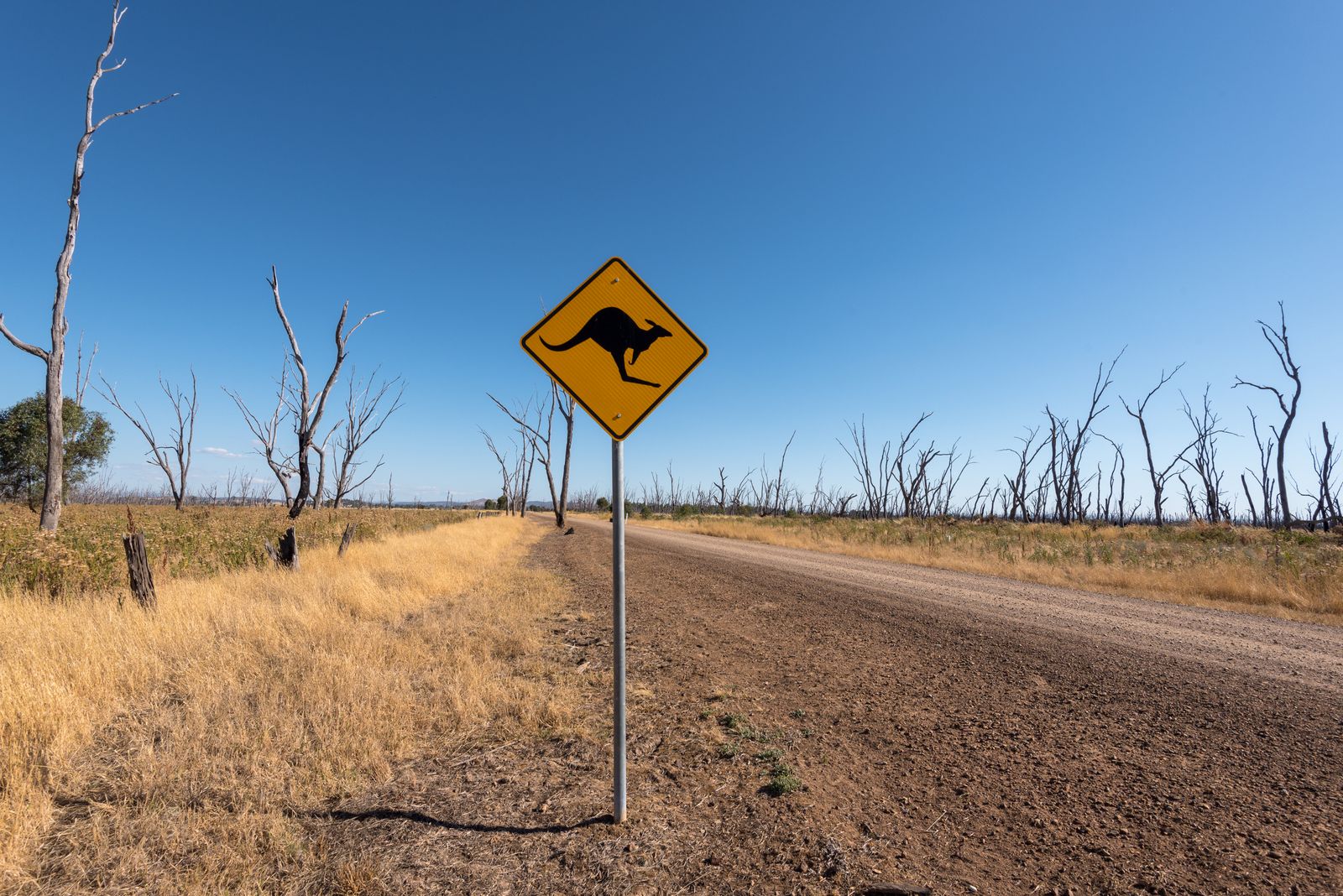
Major Australian cities can be useful reset points for groceries, restaurants, medication, charging, and equipment. Before leaving a well-served city, check the next full supermarket, the last realistic meal stop, the driving time, and whether the accommodation has a usable kitchen or fridge.
Do not turn a city restaurant list into a regional-route assumption. A venue that is open late in Melbourne or Sydney does not solve a long evening drive or a remote park stay. Use the city to replenish, then plan the next segment separately.
New Zealand: split North Island and South Island decisions
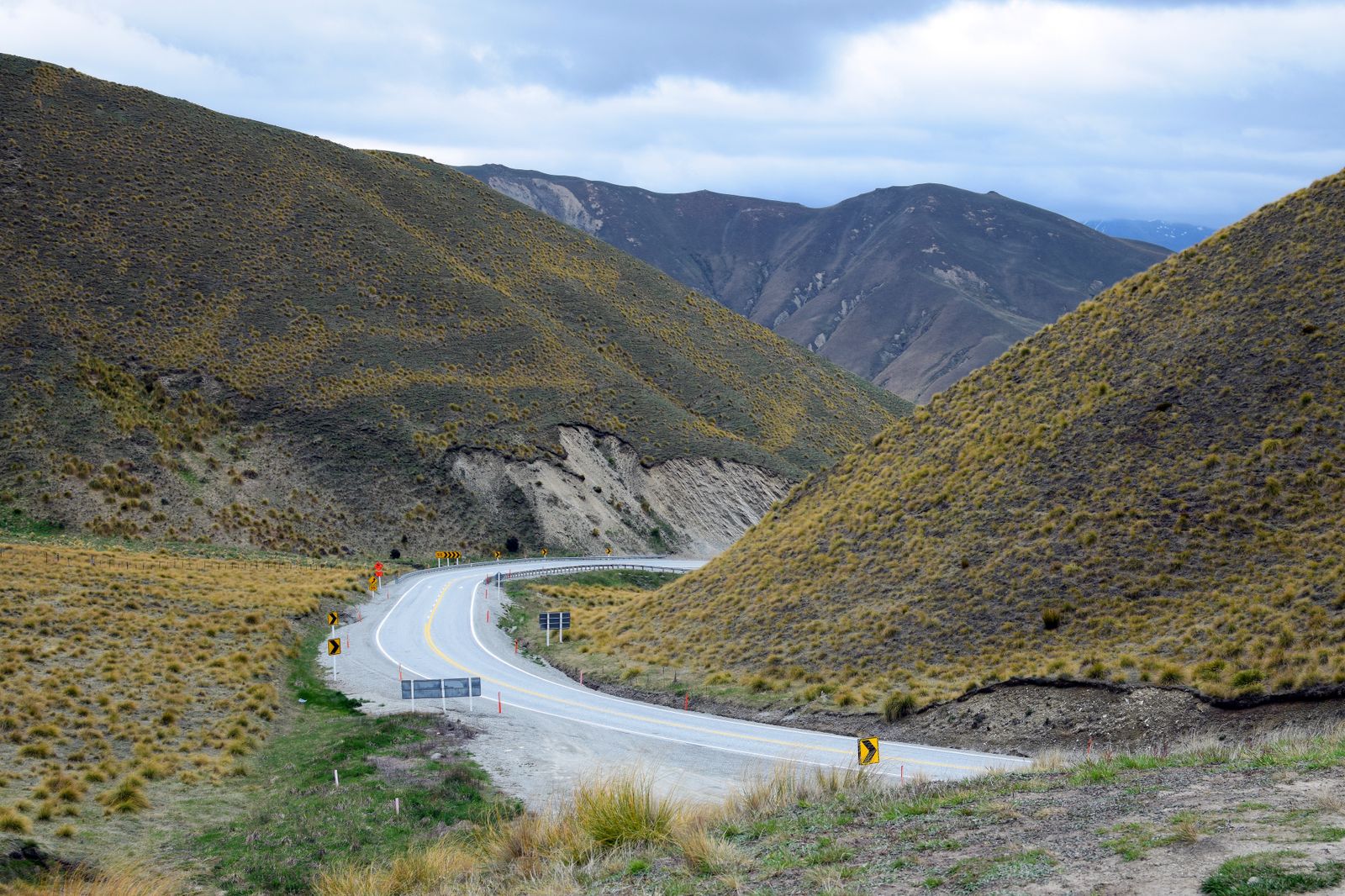
New Zealand itineraries often combine cities, scenic drives, walks, ferries, and weather-sensitive roads. Treat each island and long transfer as its own food segment. Confirm the next supermarket or meal before leaving a larger town, then check your accommodation’s storage and cooking setup rather than assuming it matches the listing.
For national-park days, plan the food before the walk or scenic drive. Parks and visitor facilities may have limited services, short opening windows, or no suitable meal at all. Check current Department of Conservation information and local weather before committing to a remote day.
Islands and Pacific routes: make the supply chain explicit
Island travel can make a short distance operationally complex. A ferry, small flight, transfer van, or weather delay can move the next meal by several hours. Check the operator’s current timetable, boarding requirements, luggage rules, food service, and arrival time. Ask accommodation whether there is a fridge, kettle, kitchen, or nearby shop before you arrive.
Do not assume that a resort, cruise, or island restaurant can create a complete vegan meal at short notice. Send the request in writing, confirm the ingredients and cross-contact needs, and still carry an appropriate backup.

Find the last reliable supply stop
The most useful question before a remote segment is not “Where is the next vegan restaurant?” It is “Where can I reliably obtain enough food, water, and storage before the options narrow?”
- Mark the departure point. Note the town, fuel stop, supermarket, pharmacy, and charging or vehicle needs.
- Estimate the real gap. Include driving time, scenic stops, queues, park access, check-in hours, and a possible delay.
- Choose the last dependable stop. Prefer a current supermarket or confirmed meal over an unverified pin.
- Buy for the segment. Combine ready-to-eat food, breakfast, snacks, hydration, and one no-cook backup.
- Check the exit plan. Know where the next food, water, and waste facilities are after the remote stretch.
Set a maximum food detour before you leave. If the only option requires a long diversion, use the carried backup instead of making the whole route fragile.
Check accommodation, equipment, and food safety
Ask these questions before booking or arriving:
- Is there a working refrigerator, and how much space is available?
- Is there a freezer, kettle, microwave, cooktop, cookware, or only a minibar?
- Can food be stored securely away from heat, animals, insects, or shared kitchen items?
- Is breakfast included, and can the venue confirm what is vegan rather than only dairy-free?
- What happens if you arrive after the kitchen or local shops close?
Heat, humidity, dust, insects, and long drives can change what is safe to carry. Use sealed packaging, keep chilled food cold, avoid leaving perishable food in a hot vehicle, and choose shelf-stable options when refrigeration is uncertain.
Weather, parks, roads, and biosecurity
Weather and access conditions are part of the food plan. Storms, fires, flooding, wind, road closures, ferry cancellations, and park restrictions can remove the stop you expected. Check official road, park, transport, and weather updates close to departure and again before a remote segment.
Australia and New Zealand also enforce biosecurity rules. Do not assume that fresh fruit, vegetables, seeds, homemade food, or other travel snacks can cross a border or enter a protected area. Check the current Australian Border Force and New Zealand Ministry for Primary Industries guidance, declare what is required, and buy compliant replacements after arrival when necessary.
Groceries and labels: make the easy meal visible
Use supermarkets for dependable basics rather than treating every stop as a search for specialist vegan products. Useful road foods include sealed shelf-stable meals, oats, bread or wraps, nut or seed products where permitted, canned legumes, instant grains, fruit bought locally, and snacks that tolerate heat and movement. Match every choice to current border and storage rules.
“Vegan”, “vegetarian”, “plant-based”, “dairy-free”, and “gluten-free” are not interchangeable. Check sauces, stock, fish sauce, oyster sauce, egg, honey, butter, and shared cooking surfaces. If the label or menu is unclear, ask directly or use the backup.
Flights, ferries, and early departures
Request airline meals through the airline’s current process and confirm the request in the booking record. Airport food hours can differ by terminal, and a connection may leave you outside the main food area. Carry compliant food that you can access without opening checked luggage.
For ferries, confirm the sailing, boarding cut-off, vehicle queue, onboard food, and arrival time. Treat onboard catering as optional. A breakfast prepared the night before can be more reliable than a café that opens after your departure.
Three route templates
| Trip shape | Food system | When it works best |
|---|---|---|
| Three-day city break | One central grocery, two restaurant zones, and one indoor backup | Short trips where you want low planning overhead. |
| Seven-day road loop | Replenish every major town, carry two emergency meals, and check storage nightly | Self-drive trips with mixed towns, parks, and scenic stops. |
| Multi-island or cross-country route | Segment sheet for each flight or ferry, compliant food plan, and a buffer before every fixed connection | Trips where one missed movement can remove several meals. |
Segment-by-segment Oceania checklist
- What is the route segment, distance, and realistic travel time?
- Where is the last reliable supermarket or confirmed vegan meal?
- What is the primary meal, replacement option, and carried backup?
- Does the accommodation have the promised fridge, kitchen, kettle, or breakfast?
- What are the current weather, road, park, ferry, and flight conditions?
- Are the food items compliant with border, biosecurity, and park rules?
- Can the traveler keep food cool, sealed, clean, and accessible?
- What happens if the route is delayed by several hours?
- Which details need to be saved offline because signal may be limited?
Frequently asked questions
Is vegan travel easy in Oceania?
It is usually easier in major cities than on remote road, island, and park segments. The practical difference comes from distance, storage, opening hours, transport, and backup planning rather than from the destination label alone.
What should I pack for an Oceania road trip?
Pack a mix of ready-to-eat food, breakfasts, snacks, hydration, and at least one meal that does not require a shop, fridge, or cooking equipment. Choose items that suit heat, storage, border rules, and the length of the next segment.
Can I rely on ferry or airport food?
No. Treat onboard and terminal food as a bonus until you have confirmed the current service, menu, terminal, and operating hours. Keep a compliant backup accessible.
How do I plan food for a national park?
Check the official park information, travel time, water and waste guidance, weather, facilities, and return route. Eat or replenish before entering the remote segment and carry enough food for a delay.
How do I check a vegan meal in a regional town?
Ask about meat stock, fish sauce, oyster sauce, egg, dairy, honey, butter, and shared cooking equipment. If the answer is uncertain, use a supermarket meal or your carried backup rather than relying on a guess.
What is the best restaurant backup for a long route?
The best backup is close to the route, open at the actual arrival time, and supported by a second option or grocery stop. A highly rated venue that requires a large detour is not necessarily a practical backup.
Useful Sources and Verification
Checked 26 October 2026. Use these official sources for the parts of the trip that can change fastest. Restaurant menus, grocery stock, road conditions, park access, ferry schedules, and border rules should be rechecked for your exact dates.
- Australian Government Smartraveller
- New Zealand SafeTravel
- Parks Australia
- New Zealand Department of Conservation: know before you go
- Australian Border Force: can you bring it in?
- New Zealand Ministry for Primary Industries: arriving in New Zealand
Related guides
Plan the driving days
Use a route-first framework for distance, supply stops, storage, and flexible meal backups.
Pack for variable conditions
Build a compact food and travel kit around the climate, storage, transport, and border rules.
Build the wider itinerary
Connect meals to transport, accommodation, timing, and backup decisions across the full trip.