Vegan Travel Gear Tips: Luggage, Storage & Packing Decisions
Short answer: The best vegan travel gear is not the longest packing list. Start with the route problem, choose the smallest item that solves it, verify materials and ingredients, check weight and transport rules, and test the setup before you rely on it away from home.
Updated 26 October 2026. Product materials, ingredients, airline limits, seller policies, and certifications can change. Check the current manufacturer or retailer information and the relevant airport or airline rules before buying or packing.
What you’ll find in this guide
Choose by travel problem · Compare luggage and carry-on systems · Check vegan and cruelty-free claims · Protect food and toiletries · Test, repair, and review · Use the checklist
Choose the travel problem before the product
Gear shopping becomes easier when the decision is specific. A short city break, a long-haul flight, a remote road trip, and a multi-stop rail itinerary do not need the same bag or accessories. Write the problem in one sentence before opening a product page.
| Travel problem | Useful gear job | What to verify |
|---|---|---|
| Frequent movement between stations | Accessible, comfortable bag with secure closure | Weight, dimensions, straps or wheels, back comfort, repair options |
| Carry-on-only flight | Compact system that keeps documents, medication, food, and electronics reachable | Airline dimensions, weight, liquids, batteries, and personal-item rules |
| Road trip or remote stay | Leak-resistant storage and a simple food backup | Seal, cleanability, temperature, capacity, and replacement parts |
| Shared accommodation | Small toiletry and food kit that stays organized | Hygiene, labeling, drying, security, and space limits |
| Mobility or comfort needs | Gear that reduces lifting, reaching, or repeated packing | Handle height, wheel quality, opening angle, weight, and accessibility |
If the product does not solve a repeated problem, borrow, reuse, or postpone the purchase. A smaller familiar setup is often more useful than a large collection of specialist accessories.
Luggage, backpack, or personal item?
Carry-on system
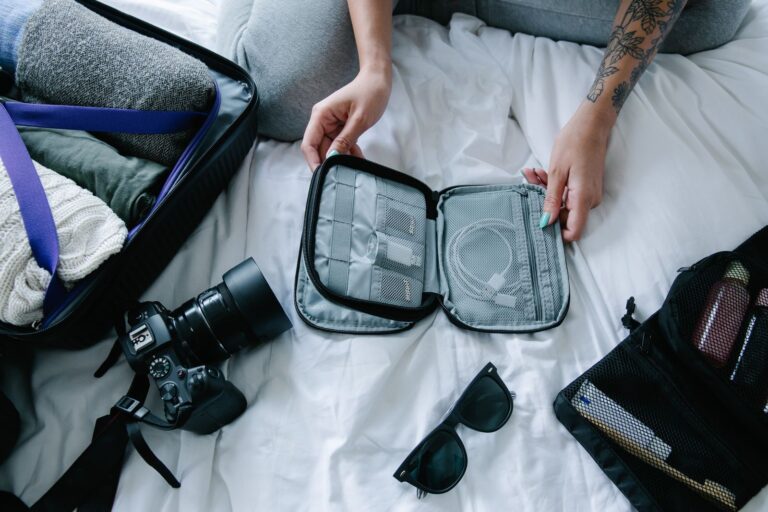
A carry-on setup can reduce transfers, but it is only useful if the bag fits the airline’s current size and weight rules and remains comfortable when full. Keep documents, medication, a food backup, chargers, and essential hygiene items accessible without unpacking everything.
Checked luggage
Checked luggage can make room for longer trips, cold-weather clothing, or equipment that is not practical in a cabin. It also creates a separation risk if the bag is delayed. Keep the first meal, medication, documents, chargers, and one change of clothes in your personal item where possible.
Backpack versus rolling luggage
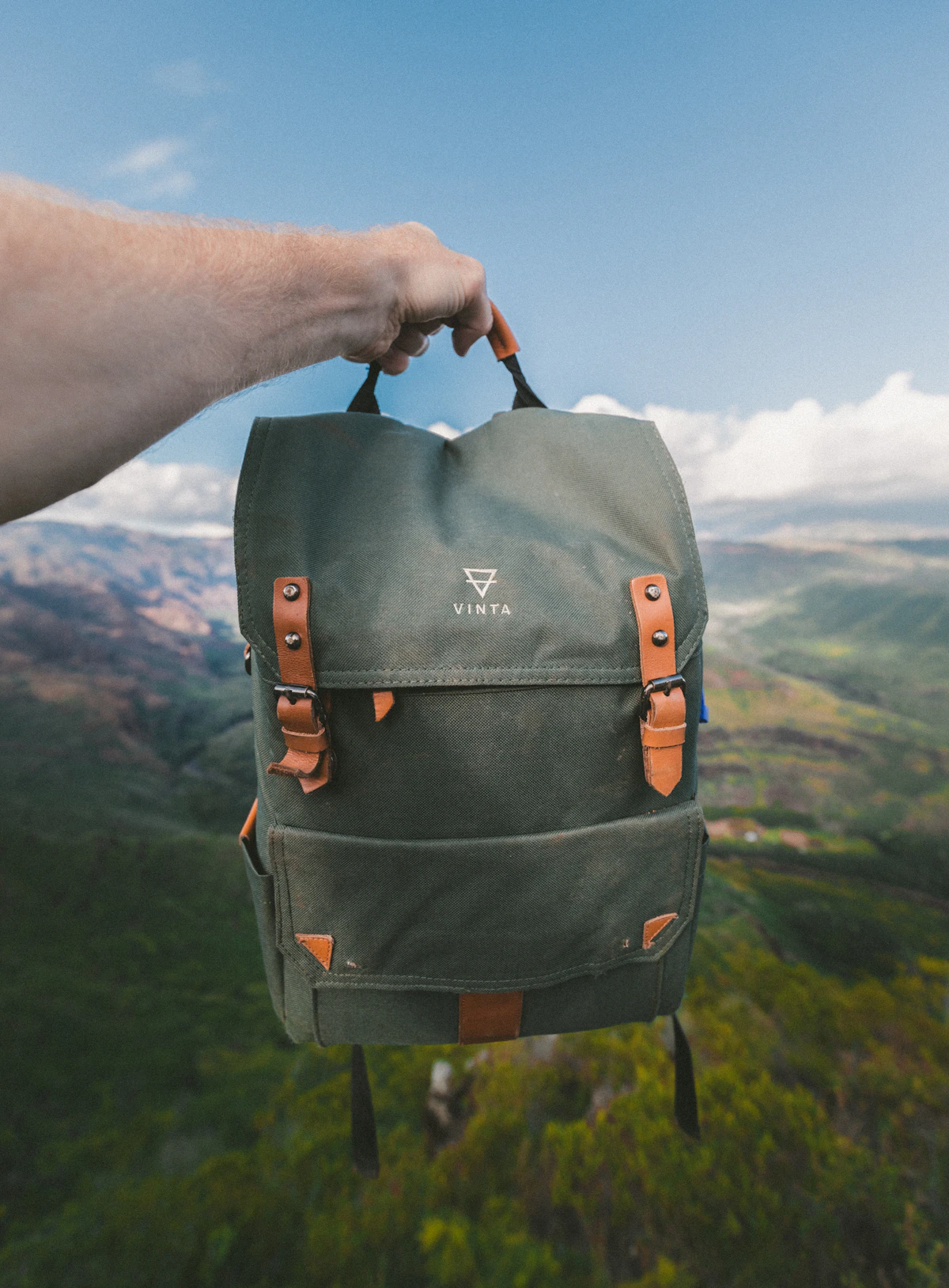
A backpack can be useful for stairs, uneven streets, and transfers, but fit and load distribution matter. Rolling luggage may reduce back strain on smooth surfaces, while wheels and handles add weight and can fail. Choose for the actual route, not for a general idea of being “light.”

What does vegan mean for travel gear?
“Vegan” should be checked at the level of the item and its components. Look at the shell, lining, handles, trim, patches, labels, adhesives, coating, and finish for luggage or accessories. For toiletries and cosmetics, check the current ingredient list as well as the brand’s animal-testing policy.
“Cruelty-free” usually addresses animal testing, while “vegan” addresses animal-derived ingredients or materials. A product can claim one without claiming the other. A certification or trademark may also cover a defined product or range rather than every item a company sells. The Vegan Society’s trademark information is a useful starting point, but the current product specification still matters.
- Prefer a precise material statement over a vague “animal-friendly” phrase.
- Ask the manufacturer about unclear trims, glues, coatings, and hardware.
- Save the product page or written response when the material decision matters.
- Do not treat recycled, synthetic, plant-based, or “eco” as automatic proof of vegan status.
Toiletries: ingredients, testing, and transport
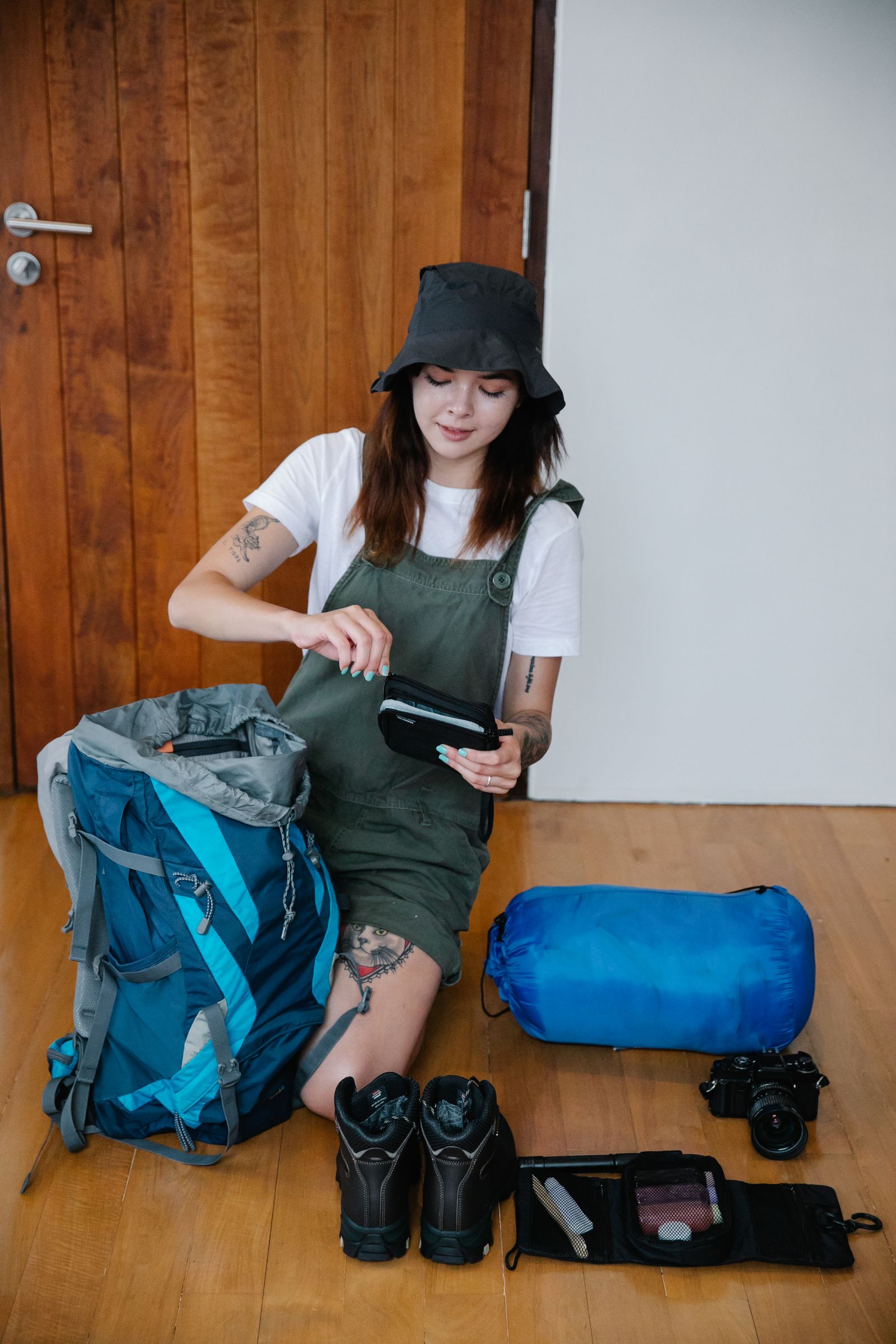
Build a toiletry kit around the actual trip. Check the full ingredients, animal-testing policy, container size, leak protection, drying time, and whether the product can be replaced at the destination.
Solid formats can reduce liquid volume, but they are not automatically vegan or suitable for every traveler. Check ingredients, keep wet products in a breathable or leak-resistant container, and allow bars or cloths to dry before closing the kit. For prescription medication or sensitive skin, prioritize medical suitability over a marketing label and ask a qualified professional when needed.
Food storage and travel snacks
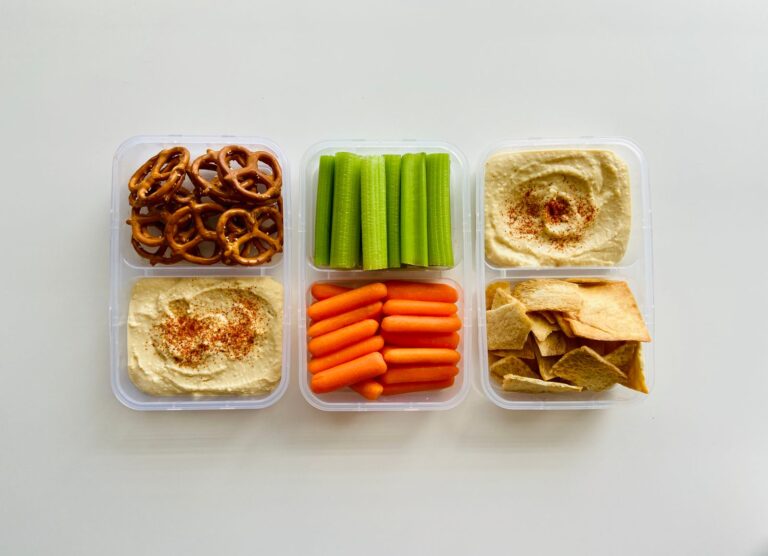
Food storage should solve a real route problem: protecting a meal, preventing leaks, keeping snacks accessible, or making a grocery stop useful for more than one day. Check the seal, cleaning method, size, temperature tolerance, and whether replacement lids or parts are available.
Use a rigid container for food that could be crushed and a flexible pouch when saving space matters more. Avoid overfilling containers, label shared food in communal kitchens, and do not leave perishable items in a hot vehicle or an unreliable minibar.
Carry-on security, liquids, and batteries
Airport rules are not a reason to guess. Check the current airport or aviation authority guidance for liquids, food, sharp objects, power banks, and other equipment, then check the airline’s own size and weight limits. The U.S. TSA’s searchable guidance is useful for flights departing from or transiting through the United States, but it does not replace the rules for another country or airline.
Keep batteries, medication, documents, and critical electronics accessible. If an item is unusual or difficult to classify, check the official guidance before packing rather than relying on a social-media packing hack.
Comfort, mobility, and access
The lightest item is not always the most usable item. Compare handle height, strap adjustment, wheel performance, opening angle, grip, weight when full, and the effort required to move or clean it. A traveler who changes trains may need different gear from someone using one hotel base and taxis.
For mobility, chronic pain, sensory needs, or reduced strength, test the bag and containers in the way they will actually be used. Can the traveler open the closure, lift the bag, reach the medicine, and identify the contents in low light or a crowded station?

Test before departure, then review after the trip
- Trial pack: load the bag with the real clothing, toiletries, food, and electronics.
- Trial movement: walk, use stairs, change sides, lift the bag, and access the essentials.
- Trial cleaning: wash containers, dry toiletries, and check for trapped moisture or smells.
- Trial delay: imagine a missed connection, late arrival, or lost checked bag.
- Trial repair: inspect zippers, wheels, seams, closures, chargers, and replacement parts.
- Post-trip review: record what failed, what was never used, and what should be replaced or removed.
Keep the receipt, warranty, product page, care instructions, and any material response together. This evidence helps with returns, repairs, and future buying decisions because product pages can change.
Compare the full cost, not just the price
| Cost area | Question |
|---|---|
| Purchase | Is the item solving a real repeated problem? |
| Delivery | Will it arrive early enough to test before departure? |
| Travel weight | Will carrying it create airline fees or physical strain? |
| Care | Does it need specialist cleaning, drying, or batteries? |
| Repair | Are parts, warranty, and support available after purchase? |
| Replacement | Can a similar item be found at the destination if it fails? |
Common gear mistakes
- Buying a bag before checking its empty weight and dimensions.
- Assuming a synthetic-looking material proves the whole product is vegan.
- Confusing cruelty-free testing with vegan ingredients.
- Testing a food container or toiletry only after departure.
- Packing emergency food that cannot pass the relevant border or security rules.
- Choosing a product because a review names it, without checking current specifications.
- Adding organizers that make the bag heavier and harder to use.
- Ignoring repair, return, warranty, and replacement-part information.
Pre-departure gear checklist
- Does every item solve a clear route problem?
- Have the materials, ingredients, and testing policies been checked at the right level?
- Are the current airline, airport, liquid, battery, and border rules confirmed?
- Does the packed bag fit the real weight and size limits?
- Can the traveler reach documents, medication, food, chargers, and hygiene essentials?
- Have zippers, wheels, straps, seals, chargers, and labels been tested?
- Is there a repair, return, or replacement plan?
- Can the setup handle a delay, missed connection, or lost checked bag?
- What can be removed without reducing comfort or safety?
Frequently asked questions
How can I check whether luggage is vegan?
Read the current material specification for the shell, lining, trim, handles, patches, coating, and hardware. If a component is unclear, ask the manufacturer or seller in writing and keep the answer with your purchase record.
Are cruelty-free toiletries always vegan?
No. Cruelty-free usually concerns animal testing, while vegan concerns ingredients and materials. Check both the current ingredient list and the company’s current policy.
What is the most useful vegan travel gear?
The most useful item solves a repeated problem, such as secure packing, food storage, accessible essentials, or comfortable movement. There is no universal product that suits every route.
Is lightweight gear always better?
Not always. Compare weight with durability, repairability, capacity, comfort, and the consequences of failure. Choose the lightest item that still performs the job.
Can I bring vegan snacks through airport security?
It depends on the airport, country, item, packaging, and security rules. Check official guidance for the exact journey and keep food accessible for inspection. Border or customs rules may be stricter than security rules.
How can I avoid overpacking?
Write the route problem first, identify the minimum features, and remove anything that does not solve a repeated task. Trial-pack the system, then remove duplicates before departure.
Useful Sources and Verification
Checked 26 October 2026. Product pages, airline rules, airport security guidance, ingredients, certifications, return terms, and warranties can change. Use these sources as starting points, then verify the exact item and journey.
- U.S. Transportation Security Administration: What can I bring?
- The Vegan Society: Vegan Trademark standards
- European Commission: consumer rights and complaints
- FAA PackSafe: hazardous materials and batteries
- IATA traveler baggage information
Related guides
Turn gear into a practical packing system
Use a full packing list for documents, clothing, food, toiletries, and route-specific backups.
Plan the route around real travel days
Connect luggage, food, transfers, accommodation, and backup decisions before departure.
Build travel-food backups
Use the recipes hub for no-cook, transport-friendly, and limited-equipment food ideas.