
Vegan Travel in Berlin: Neighborhoods, Food & Itinerary
Short answer: Berlin is a practical vegan city break when you plan by neighborhood rather than by restaurant list. Stay near the transit you will actually use, group sights and meals into the same daily area, verify venues shortly before visiting, and keep a supermarket, bakery, or clearly identified backup near your accommodation.
What you’ll find in this guide
Start with the city fit · Choose a base · Plan BER arrival · Use public transport · Find food without overbooking · Set backups · Build the itinerary · Plan for mixed groups · Handle allergies · Run final checks · Read FAQs
Berlin is one of the easier European capitals for a vegan city break, but the smartest plan is not to chase a long restaurant checklist. Choose a well-connected neighborhood, group each day by area, verify every venue shortly before visiting, and keep one grocery or bakery backup near your accommodation. Berlin’s official tourism site maintains vegan-dining guidance, the city has an extensive U-Bahn, S-Bahn, tram, and bus network, and independent directories show plant-based choices spread across several districts rather than confined to one small zone.
Updated 27 October 2026. Recheck current menus, opening hours, BVG/DB service, airport access, reservations, and seasonal conditions before travelling.
Featured image: Berlin skyline with the Fernsehturm and Brandenburg Gate. Photo: Jasper Joko via Pexels.
Research and experience note: This guide is based on current official visitor, airport, and public-transport information plus independent vegan-directory and travel-source checks. It does not describe first-hand visits, personal tastings, or personally tested routes. Restaurant status, menus, opening times, reservations, and transit conditions can change, so use the verification steps below before relying on any specific stop.
Commercial disclosure: This published guide contains no paid placement, sponsored recommendation, or affiliate restaurant ranking.
Location: Berlin, Germany
Trip scope: This guide covers a Berlin city break organized around transit-connected neighborhoods, sightseeing clusters, current food verification, and flexible backups. Berlin is a large city, so district names alone are not precise enough for booking or meal planning.
Official location and route links: Use visitBerlin’s vegan-cuisine guide for visitor-oriented discovery, BER’s official public-transport information for airport arrival, and Berlin.de’s transport overview for city orientation. Check the exact route, service alerts, fare zones, accessibility, and venue information close to travel.
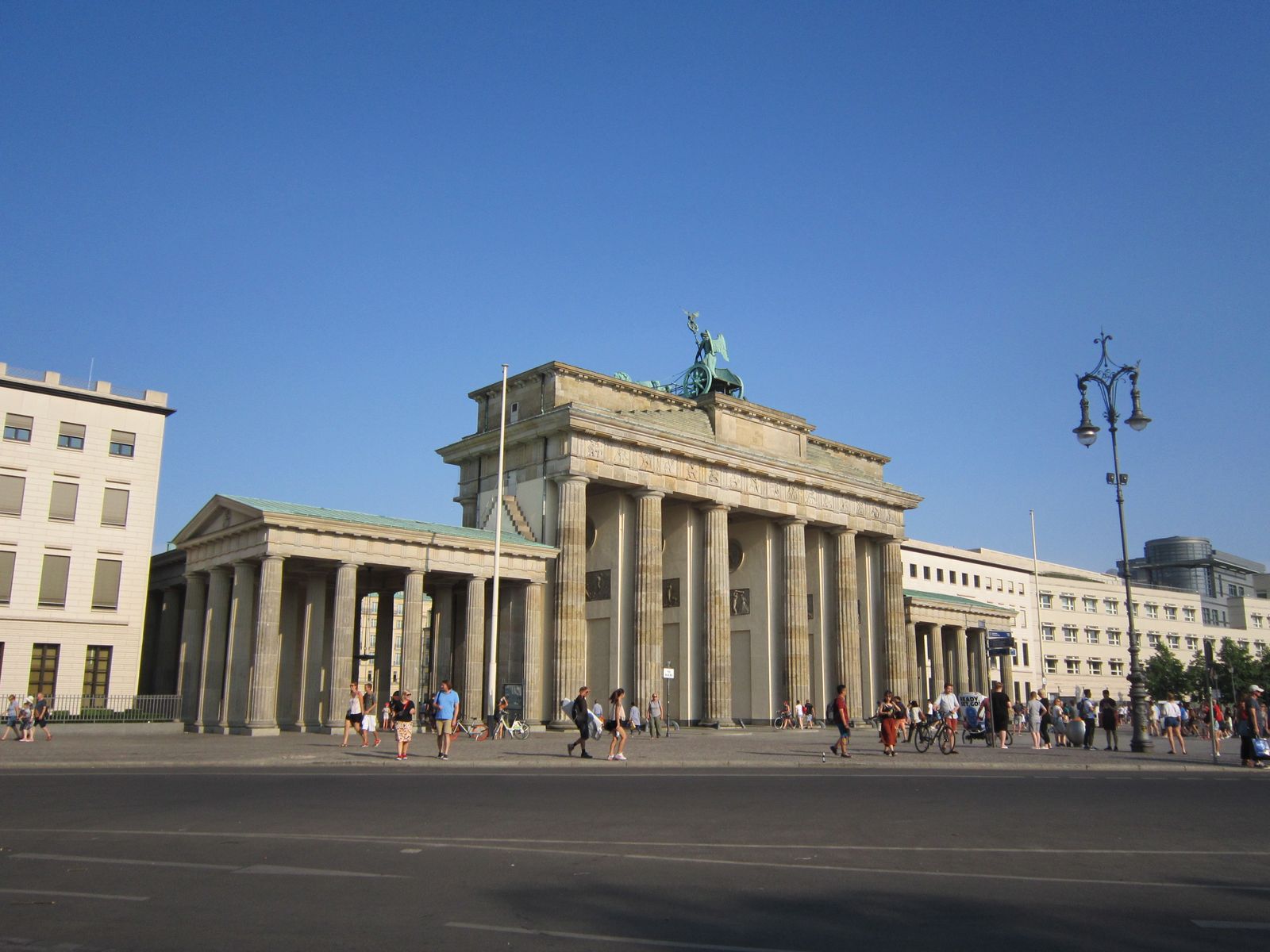
Berlin For Vegan Travelers At A Glance
The main advantage of Berlin is flexibility. You can build a trip around dedicated vegan dining, ordinary international restaurants with clearly marked plant-based dishes, food halls, supermarkets, bakeries, museums, parks, and nightlife without crossing the city for every meal. The main challenge is scale: Berlin is geographically large, attractions are dispersed, and a restaurant that looks close on a map may still require a multi-stage journey.
The table is planning guidance, not a promise that every traveler will prefer the same district or route. Travelers with mobility needs, children, severe allergies, late arrivals, or a tightly scheduled event should put access and logistics ahead of dining density.
Why Berlin Works Well For A Vegan City Break
Berlin’s vegan appeal is not only the number of specialist businesses. It is the range of situations in which a plant-based traveler can usually build a workable plan. Official visitor information has a dedicated vegan-cuisine section, while independent vegan directories maintain a city map covering restaurants, cafés, bakeries, shops, and mixed-menu businesses. That combination is useful because the official source helps establish that vegan dining is a recognized part of the city’s visitor offer, while the independent map is better suited to live discovery and recent community updates.
The city’s international food culture also broadens the search. Vietnamese, Middle Eastern, Turkish, Indian, Japanese, Italian, and contemporary European cooking can all contribute useful options, but cuisine type alone never guarantees that a dish is vegan. Broth, fish sauce, butter, dairy, egg, honey, and shared preparation can remain relevant. Treat cuisine as a search direction, then confirm ingredients and preparation with the venue.
Berlin is especially suitable for travelers who want more than a food crawl. A day can combine a major museum or historical site with a neighborhood walk, an independent shop, a park, and one pre-selected dinner. That is a better use of the city than repeatedly traveling across town for isolated meals. The Vegan Journey Map city-break planning guide offers a compatible framework: secure the few items that can sell out or close early, then leave room for discovery.
How This Guide Was Researched And How To Use It
Research-based guidance: Destination Planning
The transport guidance comes from Berlin Brandenburg Airport, Berlin’s official city information, and public-transport operators. The food-planning guidance is supported by visitBerlin’s vegan resources and checked against an independent vegan directory. Neighborhood recommendations are strategic planning judgments based on transit connectivity, visitor geography, and the distribution of vegan listings. They are not based on a claimed personal stay.
What has deliberately not been claimed
This article does not publish a ranked restaurant list, fixed meal prices, star ratings, or statements that a venue is “the best.” It does not assume a business remains fully vegan because an older article described it that way. It also does not reproduce independent reviewers’ personal opinions as fact. Use this guide to shape a reliable trip, then make the final venue choice from current evidence.
A three-source verification rule
For any meal that matters, check three layers:
- Discovery source: an official tourism page or independent vegan map.
- Primary source: the restaurant’s current website, booking page, or verified social account.
- Recent signal: a recent menu image, recent customer update, or recent dated post confirming that the venue is operating at the stated address.
If the sources conflict, trust the venue’s current operational channel for hours and reservations, but contact the business directly about ingredients, allergens, and cross-contact. Do not interpret a directory label as an allergy guarantee.
Where To Stay: Choose A Transit Base, Not A Famous Postcode
The best neighborhood is the one that reduces the journeys you actually plan to make. Start by pinning your highest-priority sights and two or three meal areas. Then look for accommodation within an easy walk of a rapid-transit station. Berlin’s district names cover large areas, so “staying in Kreuzberg” or “staying in Mitte” is not precise enough by itself.
Mitte for first-time sightseeing efficiency
Mitte can work well when museums, major historical landmarks, central stations, and a compact first visit matter most. It provides many onward connections and lets a traveler begin early before central attractions become busier. The trade-off is that accommodation can feel more commercial, and the vegan venue you want may still be in another district. Choose a specific station corridor, not simply the district label.
Kreuzberg and northern Neukölln for food-led evenings
Kreuzberg and nearby parts of Neukölln suit travelers who prioritize independent cafés, international food, nightlife, canal walks, and a less formal evening rhythm. These areas can be lively, and one block can feel very different from the next. Check street noise, late-night transport, and the exact walk from the station before booking.
Friedrichshain for east-side access
Friedrichshain can be practical for the East Side Gallery area, nightlife, and connections through major rail and tram corridors. Independent vegan listings are visible across this side of the city, but they are not all clustered beside a single landmark. A base near a useful station is more valuable than a room near one restaurant.
Prenzlauer Berg for cafés and a calmer residential feel
Prenzlauer Berg can suit travelers who want morning cafés, neighborhood streets, markets, and a calmer base while retaining tram and rail access. It may appeal to families or travelers who prefer an earlier daily schedule. Again, verify the actual station and night route; the district is too large to judge as one unit.
Charlottenburg for western sights and conventional hotel choice
Charlottenburg can be sensible when western Berlin attractions, shopping, a particular hotel, or rail connections fit the trip. It is not necessary to reject the west because many vegan discussions focus on eastern neighborhoods. The better question is whether your preferred meal and attraction plan can be completed without repeated cross-city trips.

Arriving At Berlin Brandenburg Airport Without Overplanning
Berlin Brandenburg Airport’s official public-transport page lists regional trains, the Airport Express, S-Bahn services, and buses. The station for Terminal 1 is beneath the terminal. The exact best route depends on your accommodation, the time, and current works, so do not memorize one universal instruction from a blog post.
Current BER checkpoint: Berlin Brandenburg Airport is in fare zone C, so a journey between BER and central Berlin generally needs an ABC ticket. The airport station is beneath Terminal 1; check the live VBB or BVG planner for the exact service, platform, works, and ticket channel on your travel day. If you buy a paper ticket from a machine, follow the current validation instructions before starting the journey.
A reliable arrival procedure is:
- Connect to airport Wi-Fi or mobile data after baggage collection.
- Enter the exact accommodation address in the BVG or VBB journey planner.
- Check the terminal and station shown in the route.
- Confirm the fare zones required. BER is outside the inner Berlin A/B area, and official operator guidance should be used for the correct ticket.
- Buy or validate the appropriate ticket using an official machine, app, or sales channel.
- Recheck the departure board before going to the platform.
The rail option is often the planning default, not because it is always fastest for every address, but because it integrates with the city network and avoids road traffic. A bus connection may be more logical for accommodation near its route. A taxi or licensed ride service may be preferable for a group with heavy luggage, an inaccessible station, or a late disruption. Compare the complete door-to-door journey, not only the scheduled train time.
For departure, reverse the process on the previous evening and again on the day. Airport services can be affected by construction, strikes, weather, or timetable changes. Allow margin for the terminal walk, security, and an unfamiliar station.
Using Berlin Public Transport Confidently
Berlin’s integrated network includes U-Bahn, S-Bahn, trams, buses, regional services, and some ferries. Visitors usually do not need a car for a central city break. The practical difficulty is not lack of coverage; it is choosing the simplest connection and understanding the ticket that covers it.
Use official planners for the final route
A map saved weeks before travel is useful for orientation but not for live operations. Use BVG or VBB for the final journey, and check alerts when a connection matters. If step-free access is required, inspect elevator status and station accessibility rather than assuming an interchange will be easy.
Think in clusters: Destination Planning
Organize a day around one or two connected areas. For example, pair central historical sights with a central meal, then move east for the evening. Do not begin in Charlottenburg, travel to Neukölln for breakfast, return to Museum Island, and cross east again for dinner unless those meals are genuinely the trip’s priority.
Avoid unverified fare advice
Fare products and visitor passes can change. Compare the current official options using your number of travel days, zones, and planned journeys. A pass with attraction discounts is not automatically the cheapest transit choice, and a basic transit ticket may not cover every airport or regional segment. This guide intentionally avoids fixed prices.
Keep the last journey simple
Before an evening event or late dinner, save the return route and one alternative. Note whether your route depends on a transfer with limited late service. A restaurant can be close in kilometers and inconvenient after midnight.
A Better Way To Find Vegan Food In Berlin
The most resilient approach is to search by area, meal type, and confidence level rather than collecting dozens of names.
Build three layers in each daily area
For every neighborhood day, save:
- one primary meal that fits the itinerary;
- one nearby backup with clearly identified vegan choices;
- one supermarket, bakery, or simple takeaway fallback.
That structure protects the day if the first venue closes, the kitchen stops early, the queue is too long, or the group changes its mind. It also prevents hunger from forcing an unnecessary cross-city trip.
Distinguish fully vegan from vegan-friendly
A fully vegan venue simplifies ingredient screening but does not automatically meet allergy requirements. A vegan-friendly venue may serve an excellent plant-based meal, yet staff communication and cross-contact procedures can vary. Verify your actual need: ethical avoidance, allergy safety, gluten-free requirements, soy avoidance, nut avoidance, or another restriction.
Search the current map, then open the venue source
HappyCow’s Berlin map is useful as an independent discovery layer, and visitBerlin maintains official vegan-cuisine information. Neither should replace a final check on the venue’s own channels. Look for a current menu, a current address, reservation availability, and a recent operational update. If the website and map disagree, contact the venue.
Learn a few useful terms without relying on them alone
“Vegan” is widely understood, and many menus identify vegan items. Still, labels can be inconsistent. Ask whether the complete dish contains milk, butter, cream, egg, honey, meat stock, fish sauce, or animal-derived garnish when relevant. The guide to reading menus when you do not speak the language provides a repeatable checking method.
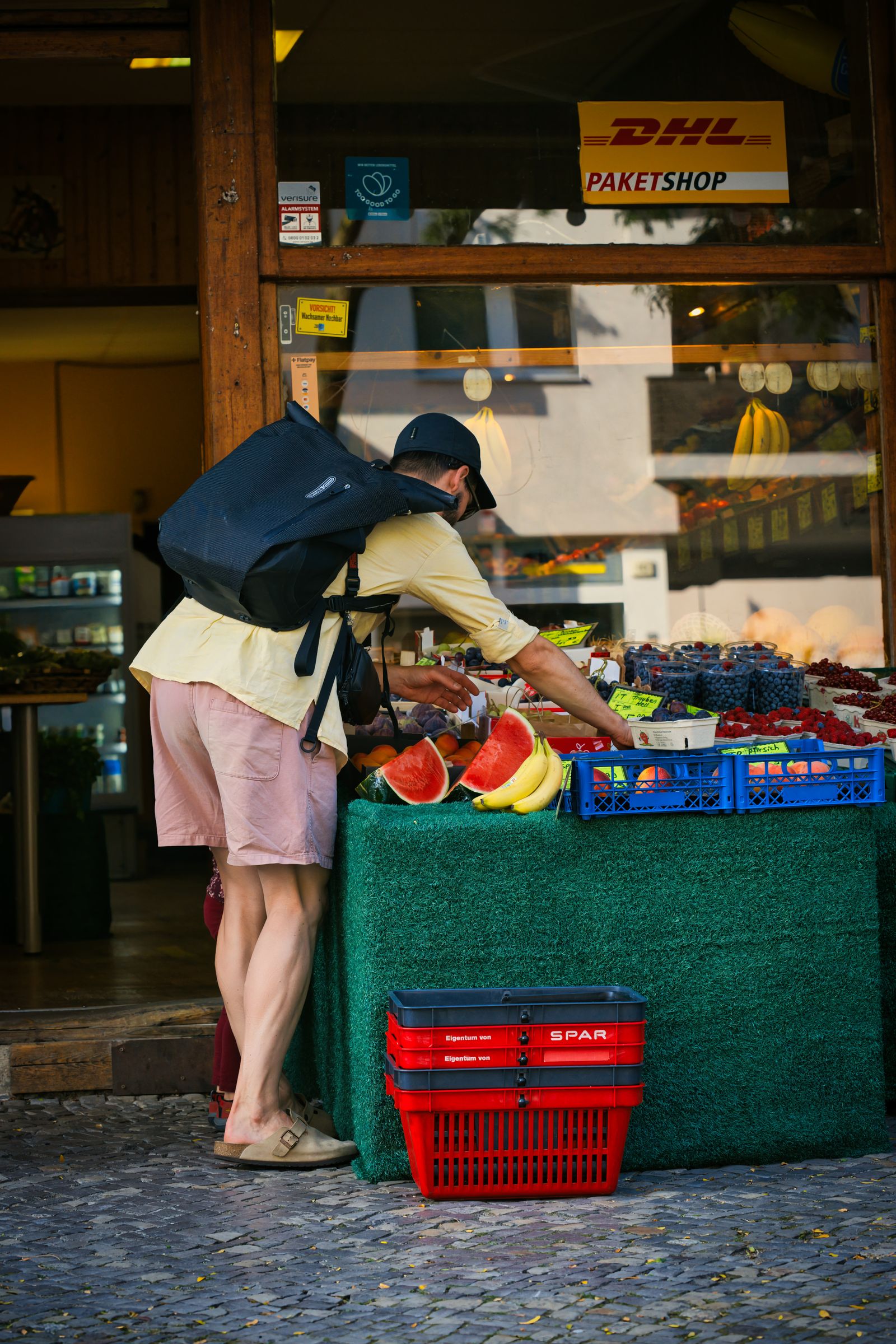
Vegan Groceries, Breakfasts, And Emergency Food
A city becomes easier when every meal does not depend on a restaurant reservation. On arrival, identify a supermarket near the accommodation and buy a compact backup kit: fruit, bread or crackers, a spread or hummus, a protein-rich snack, and something suitable for the next morning. Ingredient labels still require checking, but this step is valuable for early departures, museum days, and late returns.
Breakfast deserves special attention because café hours may begin later than a traveler’s first timed entry. If the hotel breakfast is important, ask the property specific questions before booking. “Vegan available” may mean a full breakfast, or it may mean only fruit and plant milk. Ask what is included, whether bread is free of milk or egg, whether hot food is prepared separately, and whether advance notice is required.
Travelers in apartments should not assume self-catering solves every problem. Confirm the presence of a usable refrigerator, basic cookware, and nearby grocery opening times. Berlin’s retail hours and Sunday trading patterns can surprise visitors, so check the specific store rather than applying weekday expectations to every day.

A Practical Three-Day Vegan Berlin Itinerary
This itinerary is a routing framework, not a list of mandatory restaurants. Insert currently verified meals that match the area and your dietary needs.
| Day | Geographic focus | Sightseeing rhythm | Vegan food plan | Main decision |
|---|---|---|---|---|
| 1 | Mitte and central Berlin | Major historical sights, museum or river area, early finish if jet-lagged | Pre-verified lunch near the central route; flexible dinner near the hotel or one direct line away | Do not spend arrival day crossing the city for a single venue |
| 2 | Friedrichshain, Kreuzberg, or northern Neukölln | East-side landmark, neighborhood walk, independent shops, evening culture | Reserve one high-priority dinner; keep a same-area backup | Choose one east/southeast cluster rather than all three districts |
| 3 | Prenzlauer Berg, Charlottenburg, or a personal-interest district | Market, park, museum, shopping, or slower café day | Grocery-supported breakfast; area-based lunch; final dinner near the return route | Let weather and departure time determine the district |
Day one: establish the city without exhausting yourself
Begin in the central area that aligns with your accommodation or arrival route. Select one or two major sights rather than attempting a checklist. A museum reservation, a walk past central landmarks, and a nearby lunch are enough for the first half-day. Save your first meal before travel, but recheck it after landing.
If you arrive early and cannot check in, luggage storage and a simple central route may be more useful than an ambitious food detour. For dinner, favor a venue near the hotel or on one direct line. The goal is to learn the transport system, eat reliably, and preserve energy.
Day two: build the food-led neighborhood day
Choose Friedrichshain, Kreuzberg, or northern Neukölln based on your priorities. Pin a daytime attraction, a walk, one café or snack option, and an evening meal. Keep the route geographically coherent. If a particular restaurant is the trip’s main food experience, reserve it and organize the neighborhood around that reservation rather than placing it at the end of a distant sightseeing day.
This is the best day for a broader vegan-food exploration because the schedule is established and you are not managing airport logistics. Even so, do not stack every meal as a heavy restaurant experience. A bakery item, picnic component, or lighter lunch may make the evening more enjoyable.
Day three: use a flexible final cluster
Select Prenzlauer Berg for a neighborhood-and-café rhythm, Charlottenburg for western sights, or another district tied to a museum, market, or personal interest. Weather should influence the choice. Parks and outdoor markets are better on a dry day; museums can absorb bad weather. Keep the last dinner close to the accommodation if packing or an early departure follows.
If your flight leaves that evening, do not place the final meal at the opposite side of the city from your luggage and airport route. Build backward from the time you need to leave, then choose food within the remaining window.
Planning For Mixed Vegan And Non-Vegan Groups
Mixed groups do not need to treat vegan dining as a compromise. The strongest plan is to agree on the meal format and neighborhood before discussing specific venues. Decide whether the group wants a dedicated vegan restaurant, a mixed-menu place with substantial vegan dishes, a market-style setting, or separate quick meals followed by a shared activity.
A dedicated vegan venue can reduce decision friction and let everyone explore the same menu. A mixed venue may be appropriate when another traveler has a separate dietary need, but “one vegan option” is not enough if the option is unavailable or unsuitable. Ask the vegan traveler what level of assurance is required.
Avoid making the vegan traveler responsible for every booking and every ingredient conversation. Share the verification work. One person can check transit, another can confirm the menu, and another can manage reservations. This is especially important when the group is tired or the meal is tied to a timed event.
Allergies, Cross-Contact, And Dietary Restrictions
“Vegan” describes avoidance of animal-derived ingredients; it does not mean free from gluten, nuts, soy, sesame, or other allergens. It also does not guarantee separate fryers, utensils, grills, or preparation surfaces. Travelers with medical allergies need direct confirmation from the venue and should carry any prescribed medication.
Use short, specific questions:
- Does the complete dish contain the allergen, including sauce, garnish, and stock?
- Is it prepared on shared equipment or in a shared fryer?
- Can the kitchen reliably modify it?
- Is allergen information available in writing?
Translate the key statement in advance, but do not depend on automatic translation for a life-threatening allergy. A dietary card can support the conversation, not replace staff confirmation. If the answer is uncertain, choose another meal.
Seasonal, Sunday, And Event Planning
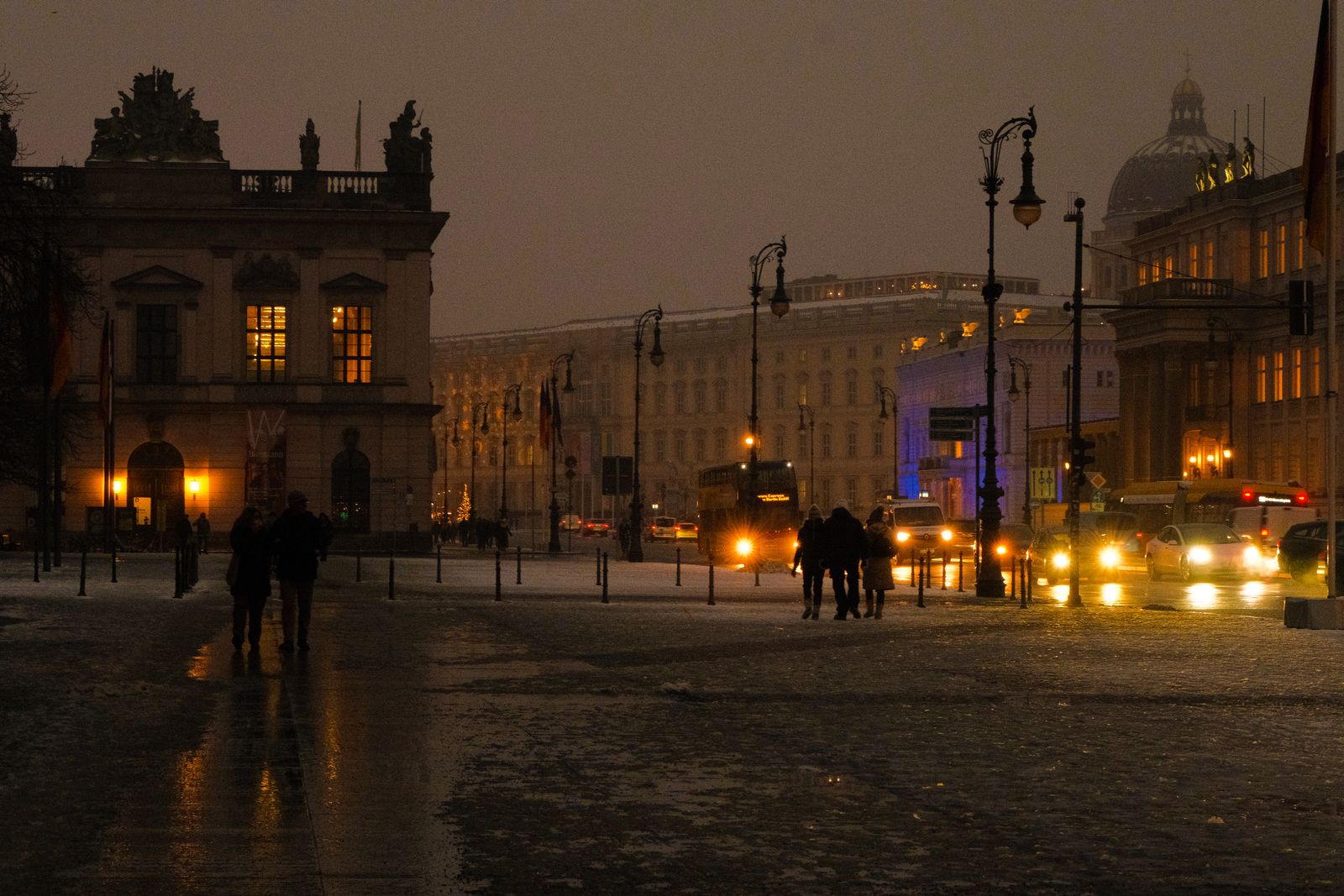
Berlin changes with the season. Summer supports parks, outdoor tables, long walks, and later daylight, but popular areas and events can be busy. Winter calls for shorter outdoor blocks, weather-resistant footwear, and indoor backups. Spring and autumn can shift quickly between mild and wet conditions.
Check public holidays, large festivals, trade fairs, football fixtures, and transport works. These can affect accommodation availability, restaurant bookings, and journey times. Sunday requires particular planning because retail and market patterns differ from normal weekdays. Verify the exact grocery, market, museum, and restaurant you intend to use.
Pack for the actual forecast close to departure. The Vegan Travel Packing List can help organize reusable food containers, snacks, medication, chargers, and weather layers without turning the trip into an equipment project.
Common Berlin Vegan-Trip Mistakes
Saving too many venues and too few backups
A map with fifty stars is not an itinerary. Reduce it to daily clusters and identify a backup in each cluster.
Treating old vegan guides as operational truth
Older articles can inspire ideas, but businesses change ownership, address, menu, or status. Verify current information on primary channels.
Booking accommodation around one restaurant
A restaurant may close or move. Book around transport and the complete trip, then layer food options onto that base.
Underestimating cross-city travel
Berlin looks navigable on a flat map, but transfers, station walks, and service changes add time. Cluster days.
Assuming a vegan label solves allergies
It does not. Ask separate allergy and cross-contact questions.
Leaving airport-zone research until the platform
Check the official planner and correct fare zones before boarding. Do not rely on a screenshot from an undated blog.
Final Planning Checklist: Destination Planning
- Choose accommodation near useful rapid transit, not merely inside a fashionable district.
- Pin priority sights and meals by daily area.
- Verify every important restaurant on its primary channel.
- Save one backup meal and one grocery option per day.
- Check BER routing and required fare zones with official tools.
- Review transit alerts, accessibility needs, and the late return route.
- Reserve only the meals or attractions that genuinely require it.
- Carry a snack for arrival, museum queues, and disruption.
- Keep allergy communication separate from general vegan labeling.
- Recheck Sunday, holiday, and event schedules.
Frequently Asked Questions
Is Berlin easy for vegan travelers?
Berlin is generally easier than many large cities because official tourism resources recognize vegan dining and independent maps show options across multiple districts. Ease still depends on location, opening hours, allergies, and how much time you allow for travel. A neighborhood-cluster plan is more reliable than a long “best restaurants” list.
What is the best area to stay in Berlin for vegan food?
There is no single best area. Kreuzberg, Friedrichshain, Neukölln, Prenzlauer Berg, Mitte, and parts of western Berlin can all work. Choose the district that connects your sights and evening plans, then verify current vegan options within a short walk or direct transit ride.
Do vegan travelers need a car in Berlin?
Most visitors focused on central Berlin do not need one. The public-transport network covers the major visitor districts. A car can add parking and navigation complications. Check official journey planners for your exact itinerary and consider taxis or accessible services only where they solve a specific need.
How do I get from BER Airport to central Berlin?
BER’s official information lists regional trains, the Airport Express, S-Bahn services, and buses. The best connection depends on your address and current operations. Use BVG or VBB on the day, confirm the terminal and fare zones, and allow extra time for changes.
Can I rely on English when ordering vegan food?
English is common in many visitor-facing businesses, but it should not be your only safety plan. Use clearly written ingredient questions, learn key German terms, and contact the venue in advance for allergies or complex dietary needs.
Are Berlin food markets automatically vegan-friendly?
No. A market may contain plant-based dishes, but vendors and menus change. Check current trader information, opening days, and ingredients. Keep a nearby backup if the market is central to the meal plan.
Should I reserve vegan restaurants in Berlin?
Reserve when the venue’s own site recommends it, when the meal is a major part of the trip, or when traveling with a group. Casual venues may not need reservations, but hours and kitchen closing times still require checking.
How many restaurants should I plan per day?
Two anchors are usually enough: perhaps a lunch and dinner, with breakfast or snacks handled flexibly. Over-scheduling food can force unnecessary travel and reduce time for museums, neighborhoods, and rest.
Is Berlin suitable for a vegan trip with children?
It can be, especially with a transit-connected base, apartment or hotel breakfast plan, playground or park breaks, and early meal backups. Confirm whether a venue has suitable seating, high chairs, mild food, and practical opening times rather than assuming a vegan venue is family-oriented.
What should I verify immediately before the trip?
Recheck airport routing, transport works, restaurant status, reservation details, holiday hours, weather, and any allergy communication. Save screenshots or offline notes, but use live official information when services change.
5P Position And Plan
Position: A neighborhood-and-transit Berlin city-break guide that prioritizes current verification, realistic daily clusters, airport routing, and flexible meal backups instead of a static restaurant ranking.
Plan: Use the guide to build a two- to four-day Berlin itinerary with a transit-connected base, clustered sights and meals, same-day venue checks, and at least one backup for each day.
Useful Sources And Verification
Use these links to recheck changing facts shortly before travel. They support the research in this guide but do not replace direct restaurant or allergy confirmation.
- visitBerlin: Vegan cuisine — official visitor discovery source; confirm each venue on its own current channel.
- Berlin Brandenburg Airport: Public transport — official airport rail, S-Bahn, and bus overview.
- Berlin.de: Public transportation — official city orientation for the transport network.
- BVG: Berlin Brandenburg Airport connections — official operator guidance and journey-planning links.
- HappyCow: Berlin — independent discovery and recent community signals; verify operational facts with the venue.
- VBB Berlin-Brandenburg public transport authority — use the current journey planner, fare information, and airport travel updates.
Related Guides
Plan A Vegan City Break Without Planning Every Minute
Use anchor bookings, flexible meal zones, and realistic daily clusters.
Read Menus When You Are Vegan
Check hidden ingredients and ask clearer questions without guessing.
Vegan Travel Packing List
Pack practical backups, reusable essentials, and dietary information.