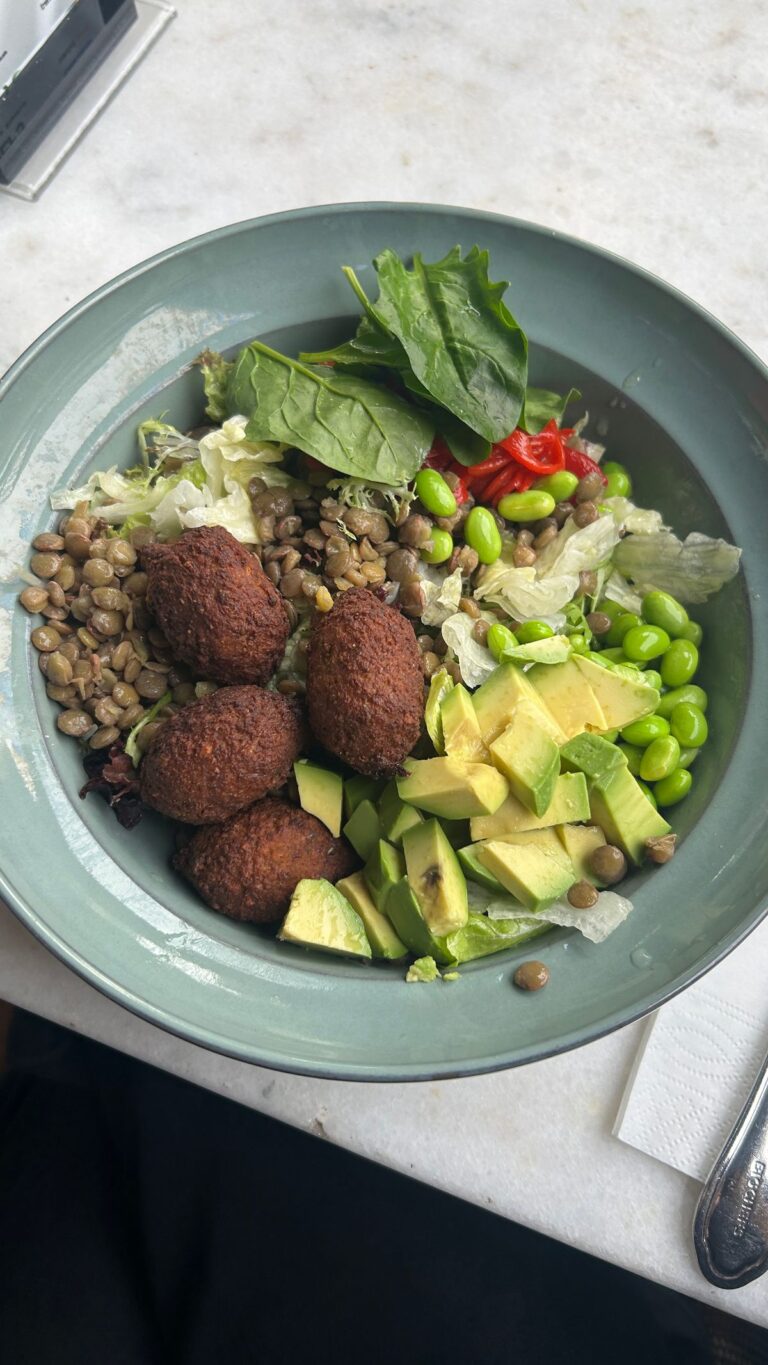
Thailand Vegan Travel Guide: Food, Routes, Costs and Practical Planning
Updated 25 October 2026 · Practical field guide · Always recheck changing details before departure
What you’ll find in this guide
Start with the route decision, then check how to order vegan food, food-reliable bases, transport buffers, regional weather, and the realistic budget.
Thailand rewards flexible planning, but it is not a single vegan destination. Bangkok and Chiang Mai generally give you the deepest choice of dedicated venues, markets, groceries, and delivery. Smaller towns, islands, day tours, and transport hubs can still work, but labels such as “vegetarian” or “plant-based” do not automatically mean vegan. Menus, opening hours, ferries, prices, and entry rules change, so this guide separates durable planning advice from details to verify.
Choose a route that protects your food options
Start with your arrival and departure airports, then choose one or two regions. Every extra transfer creates another chance of a late arrival, a missed meal, or a venue that is closed. A simple route is often better than a “highlights” loop.
| Trip shape | Good fit | Vegan planning watch-out |
|---|---|---|
| Bangkok + Chiang Mai | First trip, food-focused travel, culture and city transport | Long-distance rail or flight timings; book a first-night meal |
| Bangkok + one Andaman base | City plus beaches and boat trips | Rain and sea conditions can change boat days; carry snacks |
| Bangkok + Gulf island | Beach time when the Gulf forecast suits | Seasonality and ferry schedules; confirm island food before arrival |
| North only | Markets, temples, slower travel, fewer transfers | Smoke and air-quality conditions can affect outdoor plans |

Order vegan food without relying on a label
Jay (เจ) is the most useful word to recognise for strict vegan food in Thailand. It usually signals food prepared without meat, fish, seafood, eggs or dairy, although you should still check the specific stall or kitchen. Mangsawirat means vegetarian and can include egg, fish sauce, oyster sauce or other animal ingredients. In a rural area, a short Thai dietary note and a picture can work better than the English word “vegan.”
Ask about the ingredients that are easiest to miss: fish sauce, oyster sauce, shrimp paste, dried shrimp, meat stock, egg, milk, butter, honey and shared woks. “No meat” is not the same as vegan. For an allergy, explain cross-contact separately and use a backup meal rather than assuming a kitchen can guarantee separation.
Pick bases with dependable food access
Bangkok
Bangkok is the easiest place to reset after arrival: supermarkets, food courts, delivery apps, dedicated vegan restaurants and international groceries give you multiple options. Choose accommodation near a BTS or MRT station, and confirm the late-arrival food plan before landing.
Chiang Mai
Chiang Mai is a strong northern base for vegan restaurants, cafés, markets and slower day trips. Use the city for food confidence, then check any mountain or rural excursion separately. Smoke, heat, rain and road conditions can change outdoor plans.
Southern beaches and islands
Phuket, Krabi, Koh Lanta, Koh Samui and other islands have vegan and vegetarian choices, but coverage is uneven by neighbourhood and season. A resort’s “vegetarian breakfast” may include egg or dairy. Ask for the exact menu and identify a shop or market for simple groceries.
Smaller towns and rural stays
These can be rewarding, but plan as if the next vegan meal is not guaranteed. Carry shelf-stable snacks, learn the nearest supermarket location, and message accommodation about a fridge, kettle, kitchen access and breakfast ingredients.
Three practical itinerary shapes
| Length | Route | Planning logic |
|---|---|---|
| 7 days | Bangkok 3 + Chiang Mai 4 | One transfer, strong food coverage, easy first trip |
| 10–12 days | Bangkok 3 + Chiang Mai 4 + one southern base 3–5 | Balances city, north and beach without island-hopping every other day |
| 14+ days | Bangkok 3 + north 4–5 + one coast 5–7 | Add a second island only if the forecast, ferries and food checks support it |
For a day trip, use one confirmed meal, one portable backup and a return option that does not depend on the last service of the day. For a boat day, confirm the operator’s departure, weather policy, vegetarian or vegan meal arrangements and what happens if the sea is rough.

Plan transport with official schedules and buffers
- Rail: Check the State Railway of Thailand timetable and station information for your exact date; do not copy a schedule from an old blog.
- Flights: Leave a buffer when connecting to a ferry, especially after an international arrival or during storms.
- Buses and minivans: Confirm the departure point, luggage rules and arrival time. A “four-hour” road journey can become longer in traffic or rain.
- Ferries: Check the operator, pier, weather policy and last connection. Keep food and water in your day bag, not only in checked luggage.
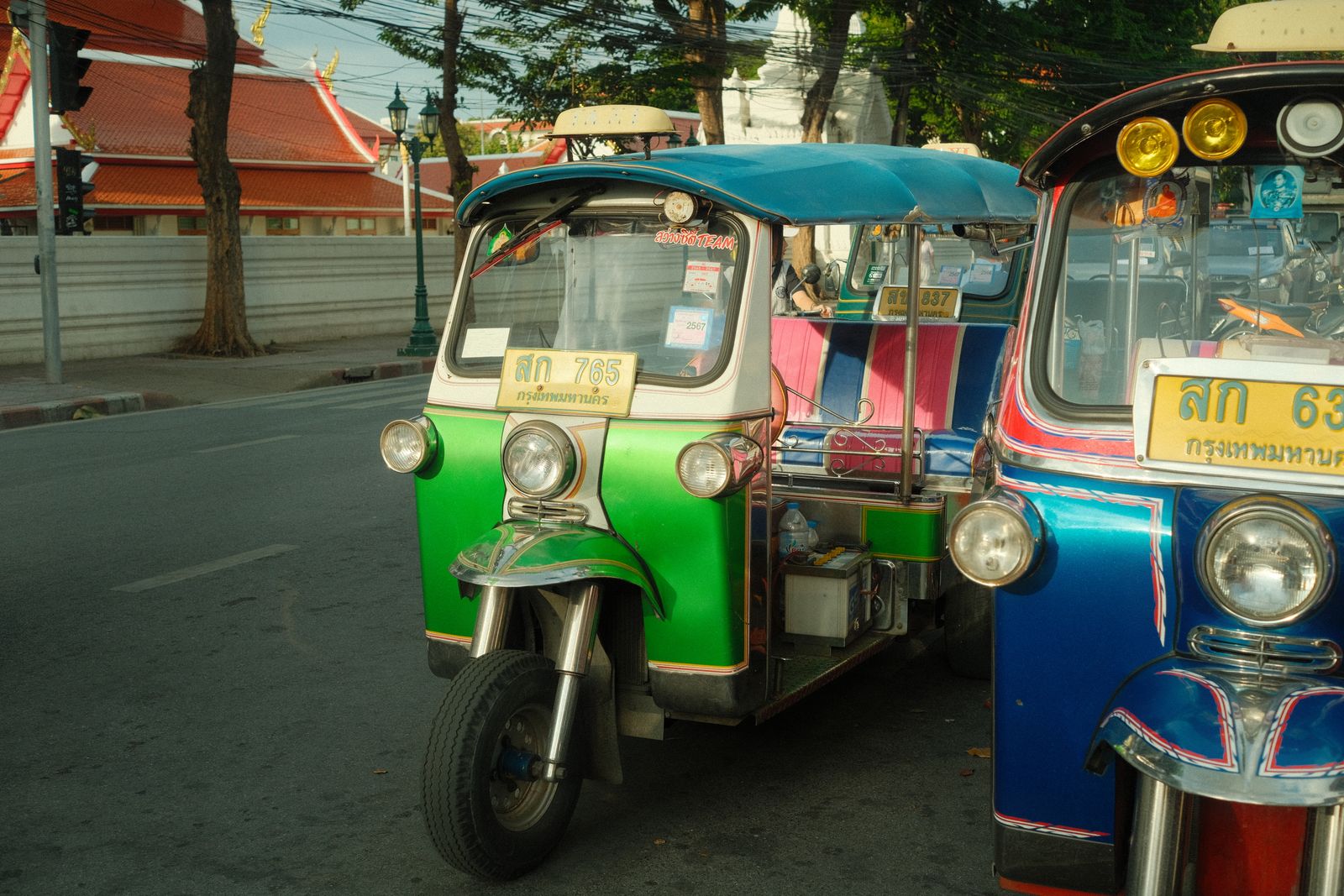
- Local rides: Use a map pin and confirm the fare or app price before leaving. At night or in heavy rain, choose the safer, clearly licensed option.
Do not book a same-day international flight after a long ferry or road transfer unless you have a generous buffer. Transport disruptions are not just inconvenient for vegans: they can remove the only reliable meal option at the next stop.

Plan around regional weather, not one national forecast
Thailand’s seasons vary by region. The Tourism Authority of Thailand describes a hot, rainy and cooler pattern, while the Thai Meteorological Department publishes current forecasts and warnings. The Andaman coast, Gulf coast, north and central regions can have different conditions on the same day.
Check the TMD forecast and marine warnings shortly before a boat trip. Rain can affect roads, ferries, flights, electricity and food deliveries. In northern cities, also check current air-quality information before planning long outdoor days. Keep one town-based alternative for every beach, hike or boat day.
Build a realistic vegan travel budget
Thailand can be affordable, but a low headline budget often excludes airport transfers, ferries, activities, insurance, laundry, delivery fees and the premium for a last-minute vegan meal. Use ranges only as a planning worksheet and price your actual dates.
| Budget line | What to include | How to verify |
|---|---|---|
| Food | Market meals, dedicated venues, groceries, delivery and snacks | Recent menus, current apps and supermarket prices |
| Transport | Airport transfer, trains, flights, buses, ferries and local rides | Official operator sites and the exact departure date |
| Stay | Room rate, taxes, breakfast, resort fees and location premium | Cancellation terms and direct accommodation questions |
| Contingency | One extra night, weather reroute, replacement meal and medical needs | Keep a separate reserve rather than spending the whole daily budget |
Arrival and entry checks
All foreign travellers should check their nationality-specific visa or exemption status through the official Thai e-Visa and embassy channels. Thailand’s official Digital Arrival Card (TDAC) portal states that arrival information must be submitted up to three days before arrival and that the official service is free. Use the official immigration domain, not a paid intermediary.
Before departure, check passport validity, onward-travel evidence, accommodation details, insurance, medication rules and any transit requirements. Save copies offline. Entry requirements can change, so a guide should not promise a universal stay length for every passport.
Health, access and responsible travel
- Carry medication in original packaging, a copy of prescriptions, travel insurance details and emergency contacts.
- Ask accommodation about stairs, lifts, bathrooms, bed height, paths, shade and late check-in rather than relying on “accessible.”
- Use a refillable bottle where safe, protect yourself from heat and sun, and take extra care on scooters, boats and wet surfaces.
- Follow official weather, flood and local safety instructions. Do not enter flooded roads, unstable slopes or closed trails for a photo.
- Choose wildlife and activity operators that do not offer harmful animal contact, and follow rules at temples, parks and protected areas.

Frequently asked questions
Is Thailand easy for vegan travellers?
It can be, especially in Bangkok and Chiang Mai, but ease depends on the neighbourhood, season and how strictly you need to avoid animal ingredients. Learn jay, ask about sauces and stock, and carry a backup.
Is vegetarian food always vegan in Thailand?
No. Vegetarian dishes may contain egg, fish sauce, oyster sauce, shrimp paste, dairy or meat stock. Confirm the ingredients of the specific dish.
Should I choose islands or cities?
Choose at least one city base for reliable food and transport. Add one island or beach base after checking current menus, groceries, ferry timing and weather for your dates.
How far ahead should I plan?
Lock in flights, popular stays and long transfers first. Recheck restaurant hours, ferries, entry rules, weather and warnings close to departure.
Sources and verification
Checked 25 October 2026. A Valentin review covered My Vegan Travels, Zacchary Bird, Custom Asia Travel, World Vegan Travel, Responsible Travel, and Veggies Abroad for comparison and discovery only; useful patterns included route-shaped planning, regional food coverage, practical safety notes, and itinerary-length choices. No wording, rankings, or images were copied. Official and independent sources are separated so changing claims are easy to recheck:
- Thailand Digital Arrival Card (official Immigration Bureau portal) — arrival-card requirement, timing and free official service.
- Thai e-Visa (official portal) — nationality-specific visa information.
- Tourism Authority of Thailand weather guide — broad seasonal context.
- Thai Meteorological Department seven-day forecast — current weather and marine conditions.
- State Railway of Thailand timetable — check rail schedules for exact dates.
- Australian Smartraveller Thailand advice — independent government travel-safety guidance.
- Messy Vegan Cook Thai food phrases — independent vegan-travel language reference; confirm with the venue.
Related guides
Plan a multi-stop island route without losing food and ferry flexibility.
Use a smaller-island planning model with food, beaches and transfers in mind.
Another practical destination guide for checking current venues and backups.
This guide is for planning, not a guarantee of entry, safety, food suitability or availability. Recheck official rules, current warnings, transport, menus and accommodation directly before travel.