Nusa Lembongan Travel Guide: Vegan Beaches, Food and Snorkelling
Short answer
Nusa Lembongan is a workable vegan destination when you base yourself near current cafés, verify the boat landing and snorkelling plan, and carry food for transfer or activity days. Bali ECO Deli publishes many vegan-friendly dishes, while other venues range from whole-food cafés to strongly plant-based restaurants. Treat menus, hours, sea conditions, and ferry schedules as changeable.
Last updated: 25 October 2026. Check every operator and venue again for your dates.
Featured image credit: Pexels.
What you’ll find in this guide
Start with food and vegan-fit expectations, then check the boat plan, your base, current food leads, and weather backups.
Is Nusa Lembongan vegan-friendly?
Nusa Lembongan is vegan-friendly enough for a planned stay, but it is not a place where every meal should be left to chance. Bali ECO Deli’s current menu says it serves breakfast, brunch, lunch, and dinner and marks many dishes vegan-friendly. The Lembongan Traveller also lists several plant-based cafés, but its venue pages are useful leads rather than a guarantee that every dish or opening hour is current.
The practical distinction is between plant-based choice and fully vegan preparation. Ask about fish sauce, shrimp paste, egg, dairy, honey, meat stock, sauces, bread, and shared grills or fryers. Indonesian dishes can look vegetable-based while still containing animal-derived seasoning.

How do you get to Nusa Lembongan from Bali?
The usual route is a fast boat from Sanur, Bali, but the landing point depends on the operator. One current example, Rocky Fast Cruise’s official timetable, publishes a 35–45 minute crossing to its private harbor in Telatak Village on Lembongan’s east side near the Yellow Bridge, with check-in 45 minutes before Sanur departures and 30 minutes before Lembongan departures. That is an operator-specific timetable and landing point, not a permanent island-wide schedule.
Book the route that matches your accommodation and ask where the boat actually lands. A short crossing can still become a long arrival if you add a hotel transfer, luggage handling, a delayed departure, or rough conditions. Keep the first meal simple and avoid scheduling a non-refundable activity immediately after arrival.
For broader ferry-planning habits, use this guide to checking routes, weather, and opening hours before travel. The Koh Mak ferry guide is another useful example of building buffers around island connections.
Where should vegan travellers stay on Nusa Lembongan?
Jungut Batu is the easiest first base when food access, ferry logistics, and walkability matter. The Lembongan Traveller describes it as the island’s main tourism hub, while Mushroom Bay is a useful alternative for a more sheltered beach setting. Sandy Bay and the southern coast can suit a resort-led stay, but you may depend more on a driver or scooter for meals.
Choose the base that reduces the number of uncertain transfers. Ask the accommodation whether breakfast is vegan or merely vegetarian, whether a refrigerator or kitchen is available, how luggage reaches the property, and whether stairs, sand, or a boat landing affect access. Do not rely on a listing’s “vegan-friendly” label without asking what is actually served. The hotel-booking guide for vegan travellers gives you a question list to use before paying.

Where can you find vegan food on Nusa Lembongan?
The safest strategy is to build a short, current food map rather than assume the whole island has one fixed vegan scene. Bali ECO Deli’s menu lists loaded avocado toast, scrambled tofu, falafel, plant-based protein plates, vegan curries, smoothie bowls, and other marked options. Ginger & Jamu publishes a whole-food menu. The Lembongan Traveller describes The Playful Table by Morin as strongly plant-based, but confirm its current menu directly.
Bali ECO Deli
Bali ECO Deli’s official menu says the café is in Jungut Batu, opens daily from 7am to 9pm, and serves breakfast, brunch, lunch, and dinner. Its menu marks vegan-friendly items with a plant symbol, including scrambled tofu on sourdough, falafel, vegan bowls, curries, and smoothies. Ask whether the bread, sauces, and toppings match your needs.
Ginger & Jamu
Ginger & Jamu’s official menu page positions the restaurant around whole foods and nutrient-rich dishes. Use it as a lead for bowls, salads, and plant-forward meals, then confirm the exact vegan dish, cooking fat, and current service hours before travelling across the island.
The Playful Table by Morin
The Lembongan Traveller’s venue page describes The Playful Table as strongly plant-based and open for breakfast, lunch, and dinner. Because this is independent venue coverage rather than a direct restaurant menu, treat the description as a useful lead and verify current hours and menu wording with the venue.
Ohana’s, Nisi, and local warungs
Ohana’s dietary dining guide says its venues mark vegan, vegetarian, and gluten-free dishes and asks diners to tell staff about their needs. That can help mixed groups, but Ohana’s own guide warns that its commercial kitchens use shared preparation areas, equipment, and fryers and cannot guarantee zero cross-contamination. Treat it as a mixed-kitchen option rather than an allergy-safe default. At local warungs, ask directly about fish sauce, shrimp paste, egg, stock, and the wok.
Which beaches and viewpoints are worth planning?
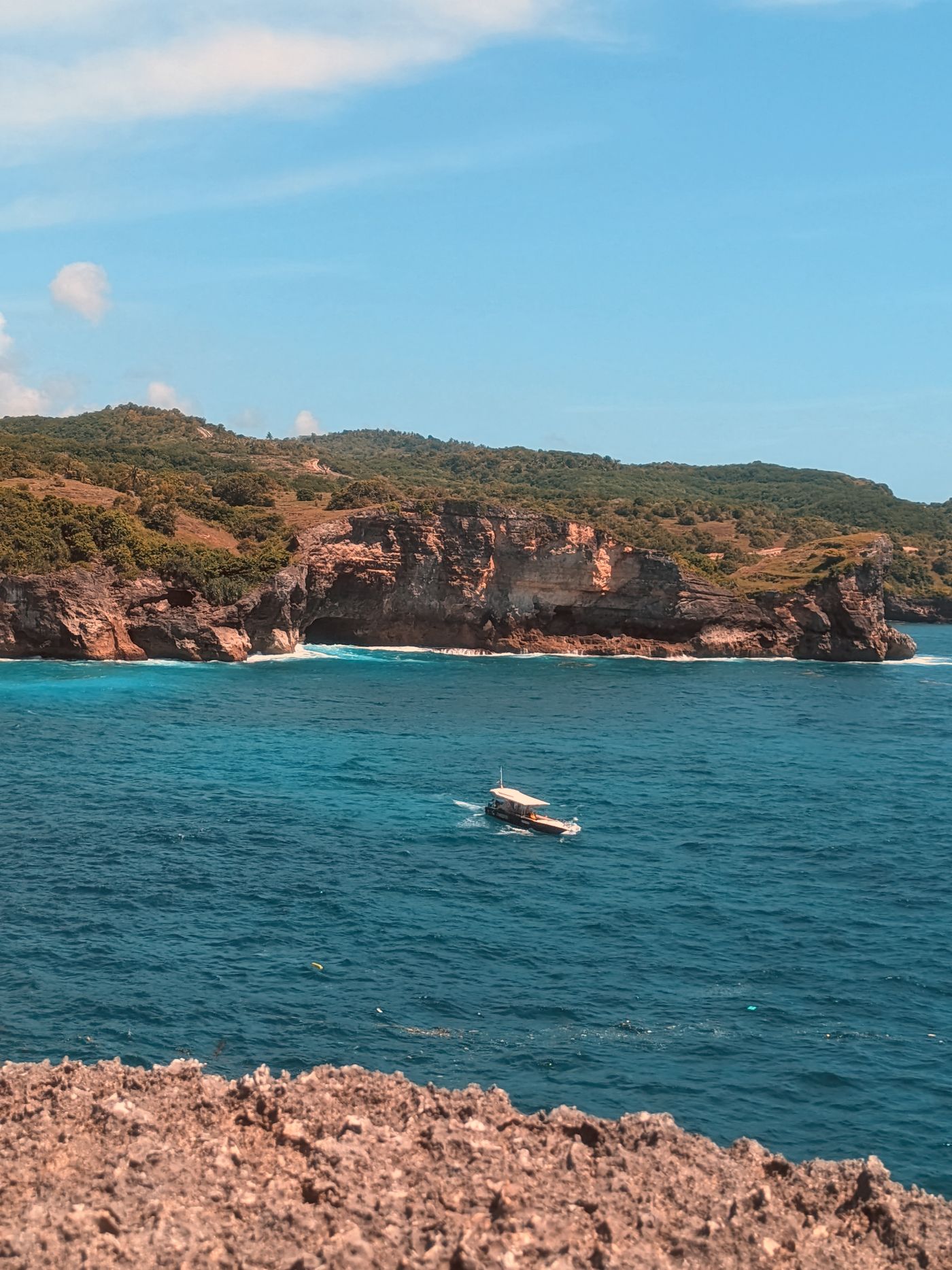
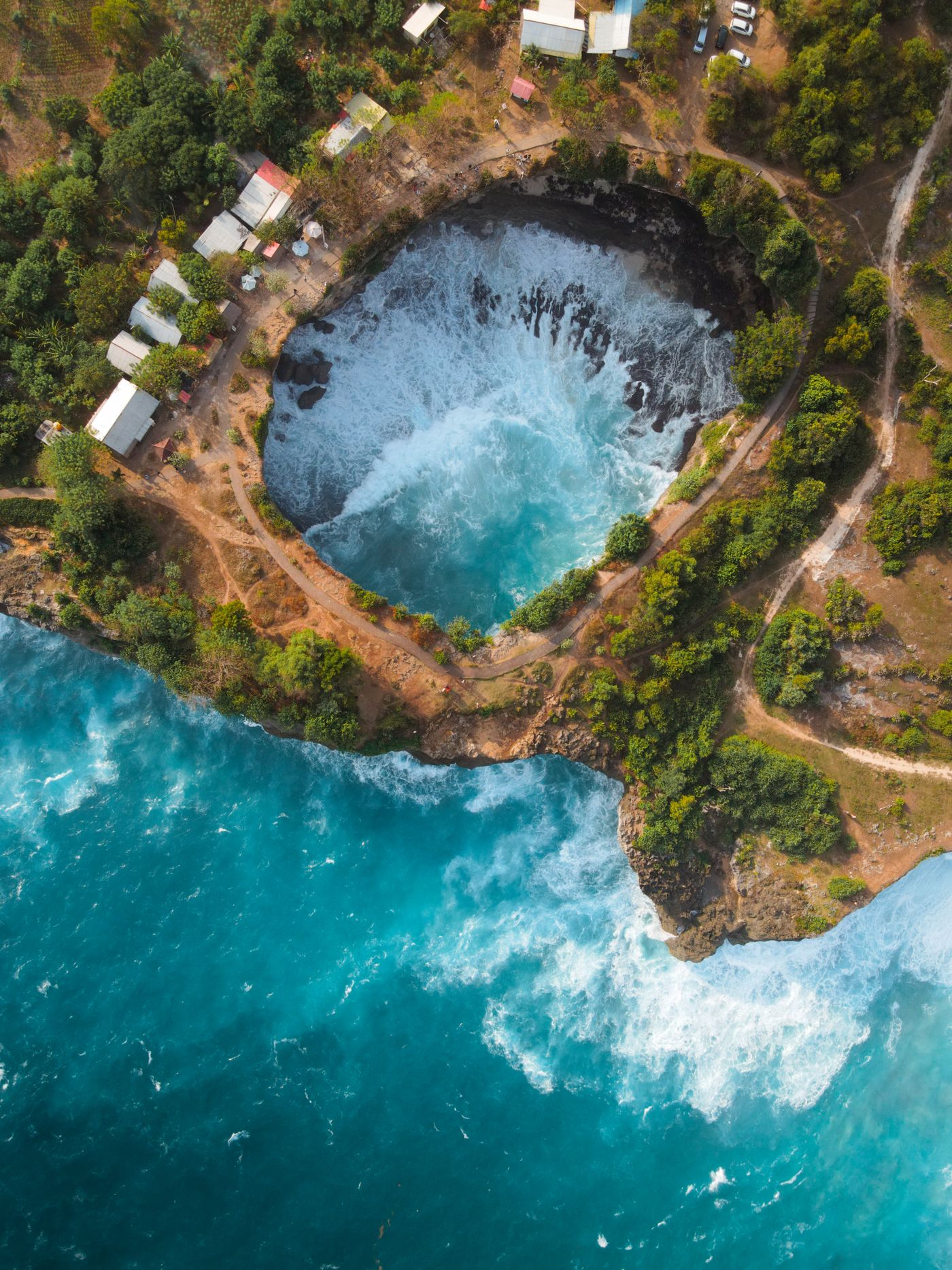
Plan Nusa Lembongan by experience rather than by a checklist of beaches. Jungut Batu is practical for arrivals, dining, and sunsets; Mushroom Bay is often chosen for a more sheltered beach base; Dream Beach and Sandy Bay are scenic but can have stronger surf; and Devil’s Tears is a wave-viewing stop, not a casual swimming spot. Sea conditions and safety barriers take priority over photographs.
The yellow bridge connects Lembongan with Nusa Ceningan, making a short cross-island outing possible. Leave time for the return journey, especially if you have booked a boat or a meal with a fixed slot. Carry water and a snack because the most scenic stop is not necessarily the most reliable place to eat.
How should you plan snorkelling around Nusa Lembongan?
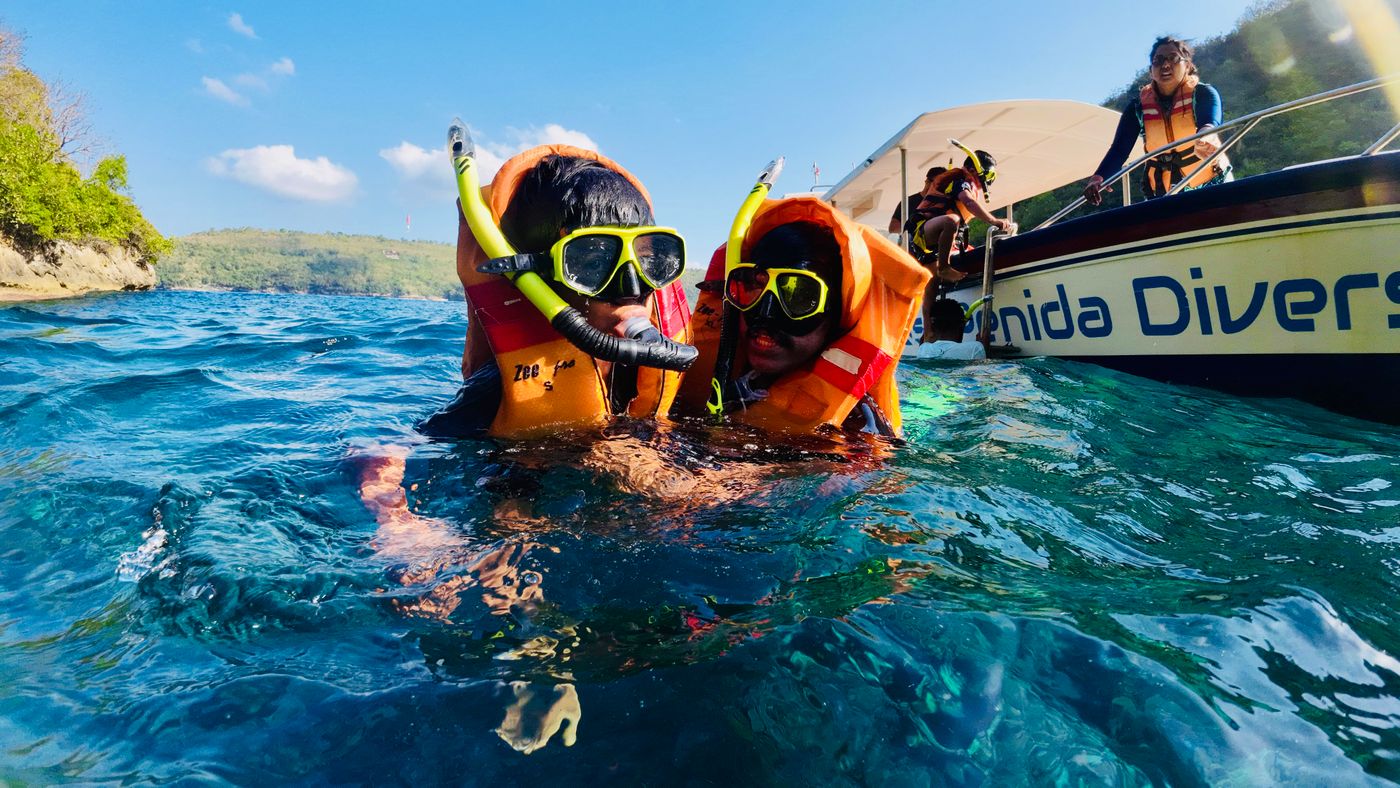
Snorkelling is usually planned by boat, not assumed from the beach. The Lembongan Traveller identifies Mangrove Point as a drift-snorkel area with stronger currents and describes Manta Point as off the southern coast of Nusa Penida. Blue Corner Marine Conservation explains that the Penida Marine Protected Area is home to coral reefs and marine-life conservation projects. Choose an operator that can explain conditions, route, equipment, and return timing.
Ask whether the trip includes Mangrove Point, Nusa Penida, or another site, whether the route changes with tides and weather, and what happens if visibility is poor. Do not touch coral or wildlife, do not chase manta rays, and follow the operator’s safety instructions. If you are not a confident swimmer, say so before boarding.
What is a realistic two- or three-day itinerary?
A realistic itinerary protects the first and last travel days. Keep arrival day local, use one main water activity on day two, and leave a flexible day for weather or Ceningan. The point is not to see every viewpoint; it is to preserve food, transport, and recovery time.
Day 1: arrive and settle
Take the boat, reach your accommodation, confirm the next meal, and walk the nearest beach or café area. Buy water and shelf-stable snacks before you need them. If the landing is at Jungut Batu or Mushroom Bay, confirm the onward transfer before carrying luggage across sand or uneven paths.
Day 2: snorkel or explore the mangroves
Book one operator after checking the route, sea conditions, flotation support, and return time. Pack a vegan snack even if lunch is advertised. After the boat trip, choose a confirmed meal rather than gambling on a venue that may be closed or full.
Day 3: Ceningan, beach time, or weather backup
Cross the yellow bridge if conditions and energy allow, or keep the day close to your base. A beach-view café, massage, reading time, or an early departure can be the better choice when the sea turns rough.
What food should you pack for Nusa Lembongan?
Pack food for the parts of the trip where timing is least predictable: the mainland transfer, the boat, snorkelling, beach viewpoints, and an early departure. Choose sealed, dry snacks that tolerate heat and do not require refrigeration. Buy fresh food after arrival rather than carrying a full meal through every transfer.
- Water and an electrolyte option for hot activity days.
- Sealed nuts, bars, crackers, dried fruit, or a simple sandwich.
- A backup breakfast if your boat leaves before cafés open.
- A translated ingredient question for fish sauce, shrimp paste, egg, dairy, honey, and stock.
- Medication and a safe food backup for allergy-sensitive travellers.
For a broader packing system, use the practical vegan packing guide and the travel-app guide for offline maps and food planning.
How do transport and weather change your plan?
Fast boats, beach landings, small roads, and snorkelling trips are all sensitive to timing and conditions. Rocky Fast Cruise says its crossing time depends on conditions and publishes check-in requirements before departure. Treat every timetable as a live operational detail, keep buffers, and avoid connecting a boat directly to a flight or an important international journey.
Check the marine forecast, operator messages, and your accommodation’s transfer advice shortly before travel. If the sea is rough or a trip is cancelled, use the island’s cafés, mangroves, bridge, viewpoints, and rest-day options instead of forcing a water activity.
What are the key vegan travel takeaways?
Plan Nusa Lembongan around dependable food, flexible transport, and one realistic activity per day. The island rewards a slower itinerary: stay near current cafés, carry snacks for boats and beaches, and treat every menu, timetable, and sea condition as something to verify rather than a permanent fact.
- Jungut Batu is the easiest first base for food and arrival logistics.
- Bali ECO Deli is a current starting point for clearly marked vegan-friendly dishes.
- Snorkelling, fast boats, and Devil’s Tears all require conditions-aware planning.
What mistakes should vegan travellers avoid?
- Assuming a vegetable dish is vegan: ask about fish sauce, shrimp paste, egg, dairy, honey, and stock.
- Using an old restaurant list: check the venue’s current menu, hours, and social updates.
- Booking a tight transfer: leave time for Sanur traffic, check-in, weather, luggage, and a beach landing.
- Relying on snorkelling as a food plan: carry water and a meal or snack.
- Calling every plant-forward venue fully vegan: describe the kitchen accurately and attribute claims to the source.
- Ignoring access details: ask about steps, sand, toilets, boat boarding, shade, and seating.
FAQs about vegan travel in Nusa Lembongan
Is Nusa Lembongan easy for vegans?
It can be, especially around Jungut Batu, where current cafés publish vegan-friendly options. It is easiest when you verify dishes and hours, stay near dependable food, and carry snacks for boats and beach trips.
What is the best area to stay for vegan food?
Jungut Batu is the most practical first base because it combines the main tourism hub, ferry access, cafés, and beach services. Mushroom Bay can suit a quieter beach stay, but check how you will reach meals.
How long is the boat from Sanur to Nusa Lembongan?
It varies by operator and conditions. Rocky Fast Cruise currently publishes approximately 35–45 minutes, a Telatak Village landing near the Yellow Bridge, and a 45-minute Sanur check-in. Confirm your own operator’s timetable, landing point, luggage process, and return check-in.
Where can I eat vegan food on Nusa Lembongan?
Bali ECO Deli publishes many marked vegan-friendly dishes, and Ginger & Jamu publishes a whole-food menu. The Playful Table is described as strongly plant-based by The Lembongan Traveller. Verify the current menu and service directly.
Can I snorkel from the beach?
Some shoreline areas may be suitable in the right conditions, but many visitors use boat trips for sites such as Mangrove Point or Nusa Penida. Ask about currents, tides, visibility, flotation, and return timing instead of assuming conditions from a photograph.
Is Devil’s Tears safe for swimming?
Treat it as a wave-viewing viewpoint, not a casual swimming beach. Stay back from breaking water, follow barriers and local advice, and never trade a photograph for a risky position on wet rock.
Should I visit Nusa Lembongan as a day trip?
A day trip can work if the boat, activity, and return schedule are reliable. Staying two or three nights gives more room for weather, food, snorkelling, and a slower pace.
What should I do if a restaurant is closed?
Use the backup café or grocery stop you saved near your accommodation. Ask staff about clearly vegan dishes, and do not let one closure push you into an unverified meal or a rushed island transfer.
Useful Sources And Verification
Checked 25 October 2026. Official operator and venue pages were prioritised for current schedules, menus, hours, and claims. Six relevant SERP competitor/result pages reviewed in Valentin were used for comparison and discovery only: Magda Mag Das, My Vegan Travels, The Lembongan Traveller, Carry On Only, Messy Vegan Cook, and Ohana’s. Recheck all details before travel because routes, weather, menus, access, and opening hours can change.
- Rocky Fast Cruise official timetable for one current example of crossing time, departures, landing area, and check-in requirements.
- Bali ECO Deli official menu for Jungut Batu location, opening hours, meal windows, and marked vegan-friendly dishes.
- Ginger & Jamu official menus for whole-food menu context.
- The Lembongan Traveller Nusa Lembongan guide for current destination context and area-planning leads.
- The Lembongan Traveller snorkelling guide for Mangrove Point and nearby Nusa Penida site context.
- Blue Corner Marine Conservation for marine-protection context and responsible snorkelling.
- Ohana’s dietary dining guide for its own published vegan, vegetarian, and gluten-free menu-marking claims.
Next step: choose your base, save one confirmed food stop and one backup, then recheck the boat and sea conditions a few days before departure.