
Vegan Packing Guide: What to Pack for a Practical Trip
Short answer: Pack for the trip you are actually taking, not an imaginary emergency. A practical vegan bag needs secure documents, medication, a small shelf-stable food backup, clear dietary communication, adaptable clothing, and charged essentials. Put irreplaceable items and power banks in your cabin bag, then check the current airline, airport, customs, and destination rules.
Updated 25 October 2026. Packing lists, airline rules, baggage limits, and destination requirements can change, so check your carrier and destination guidance before departure. Featured photo: Kindel Media via Pexels.
A vegan packing list should reduce decisions after a long journey. It should not turn your suitcase into a pantry or a mobile kitchen. The right approach is to pack in layers: non-negotiables first, destination-specific items second, and optional comforts only when they earn their space.
What you’ll find in this guide:
A simple packing method, carry-on versus checked-bag decisions, documents and money, vegan food backups, airport food and liquids, clothing by climate, medication and health, batteries and connectivity, hotel and kitchen items, trip-type adjustments, and a final 30-minute check.
Set up offline apps
Check accommodation
Check travel updates
Compare carry-ons
Protect the irreplaceable
Keep your passport, medication, glasses, payment methods, power bank, and one change of clothes in the cabin bag.
Pack a food buffer
Carry sealed, shelf-stable food for the journey, a delay, and the first meal when local vegan options are uncertain.
Pack for the actual trip
Let climate, transport, accommodation, health, accessibility, and customs rules decide what earns suitcase space.
How should you use this vegan packing guide?
Answer: Start with four variables: destination climate, transport rules, accommodation facilities, and how much food certainty you need. Then make three lists: must carry, useful if space allows, and buy there. This prevents overpacking while protecting the items that are expensive, medically important, hard to replace, or essential to eating comfortably.
The four-question packing method
- What cannot be replaced easily? Passport, medication, glasses, medical devices, visas, keys, and essential chargers stay with you.
- What is restricted? Check liquids, gels, powders, batteries, food, knives, camping equipment, and destination import rules.
- What can be bought locally? Water, ordinary toiletries, simple clothing, and some snacks can usually be replaced, but do not assume vegan or allergy-safe stock exists.
- What could fail? Pack a small backup for food, payment, connectivity, weather, and transport instead of duplicating your whole suitcase.
What should go in your carry-on and what can be checked?
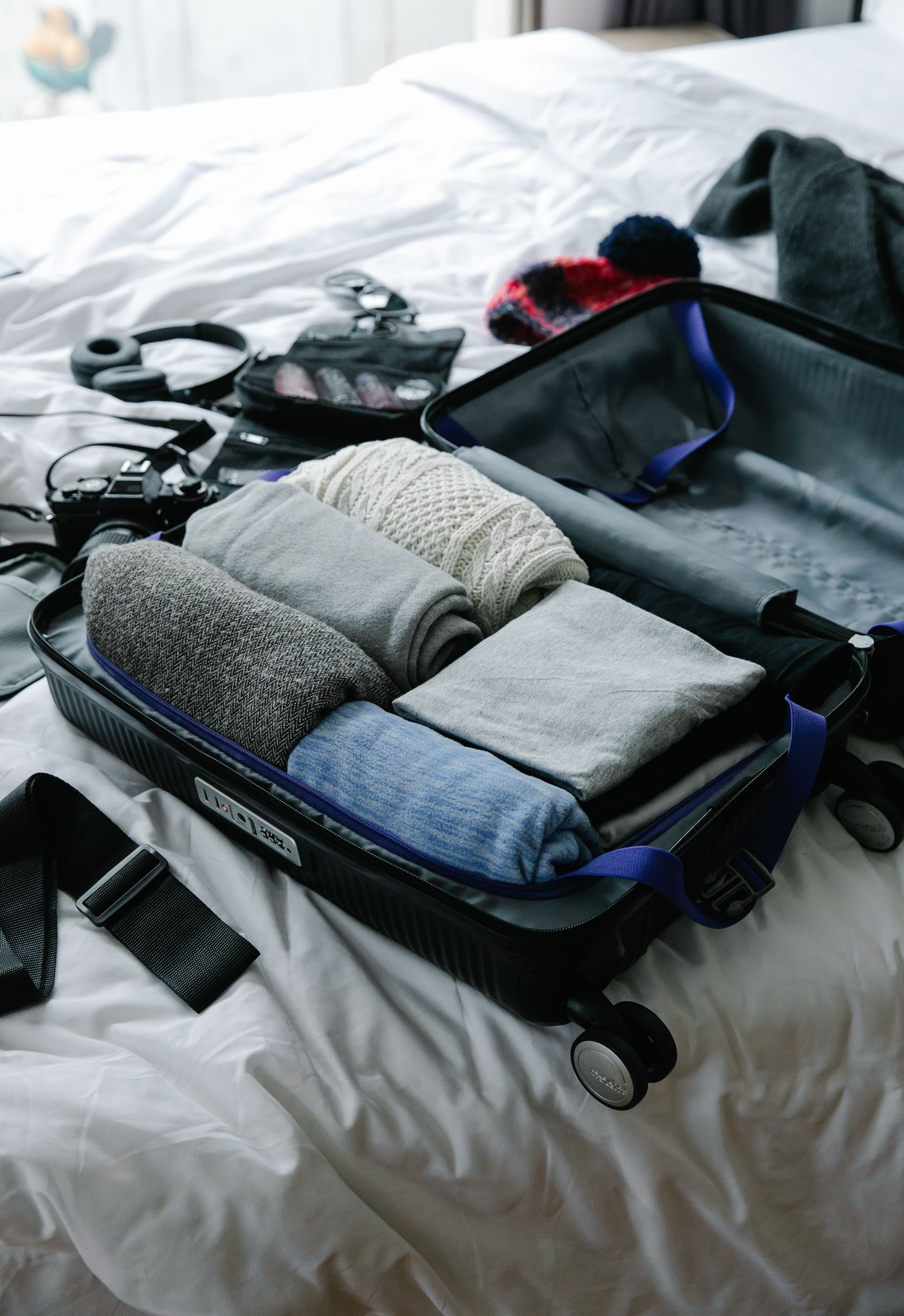
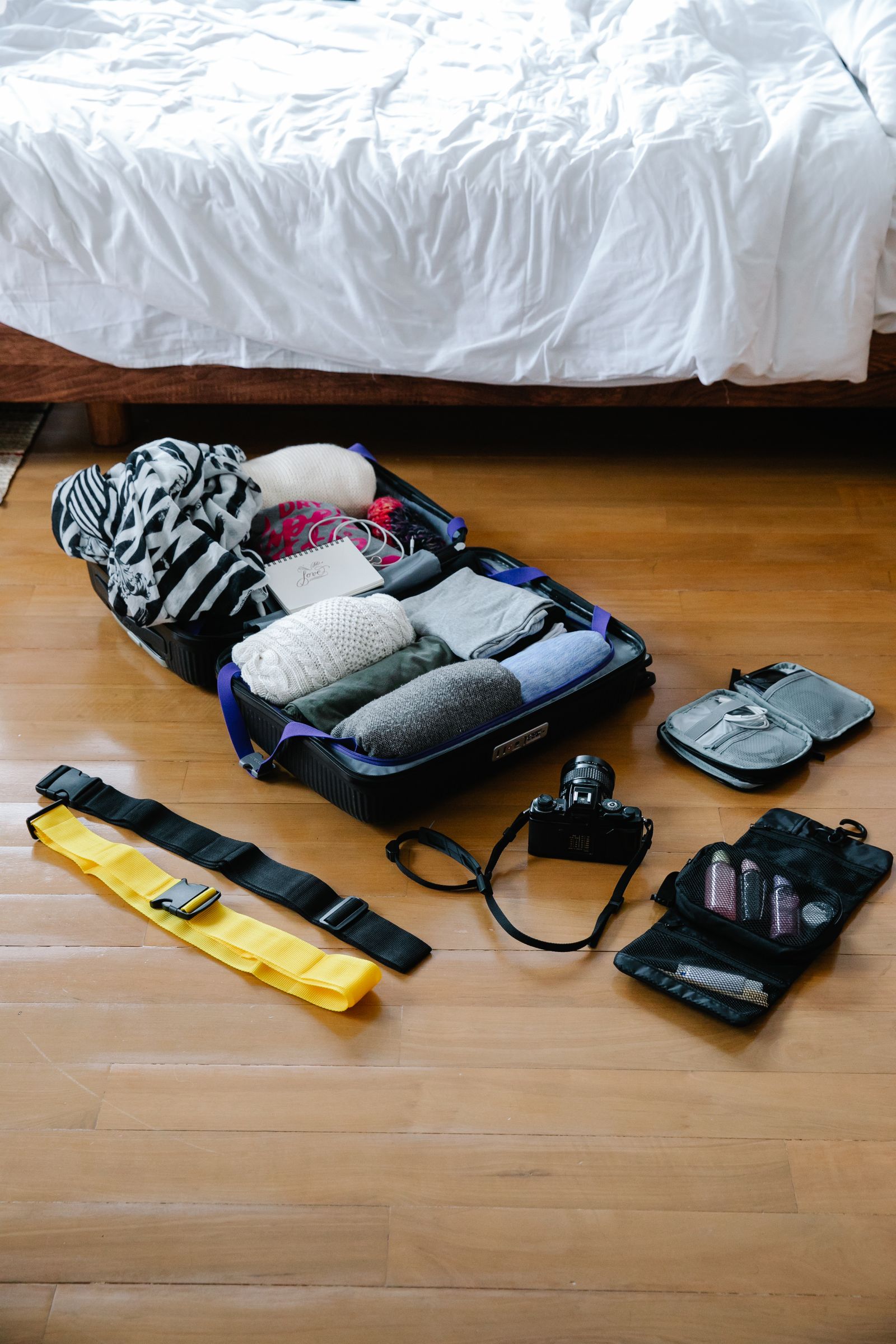
Answer: Your carry-on should hold everything needed to continue the trip if checked luggage is delayed: documents, medication, valuables, one change of clothes, basic hygiene, food backup, and electronics. Checked luggage is for replaceable clothing, larger toiletries that comply with airline rules, and non-essential equipment. Never put your only medication, passport, or power bank in checked baggage.
| Item group | Carry-on | Checked bag |
|---|---|---|
| Documents and money | Passport, visa, insurance, cards, emergency contacts | Photocopy or backup only, never the originals |
| Medication and medical devices | All essential medication, prescriptions, glasses, devices | Only non-essential duplicates, if permitted |
| Electronics | Phone, laptop, camera, cables, power bank | Avoid valuables and spare lithium batteries |
| Vegan food | Solid snacks, sealed portions, dietary card | Only food allowed by airline and destination customs |
| Clothes | One change, warm layer, underwear, sleep basics | The rest, packed in a weather-based capsule |
| Liquids and toiletries | Travel-size liquids in the required clear bag | Larger containers only if the airline and destination allow |
Airline cabin dimensions and weight limits vary by carrier, fare, and aircraft. The carry-on luggage guide is useful when you are choosing a bag, but the airline’s current allowance is the final check.
What documents and money should a vegan traveller pack?
Answer: Carry the documents that prove who you are, where you can enter, how you are insured, and how to get help. Keep originals in a slim, secure pouch; store encrypted digital copies offline and in a trusted cloud account. Do not rely on a phone-only plan if the phone is lost, flat, or blocked.
- Passport with enough validity and blank pages for your itinerary.
- Visa, entry authorisation, residence permit, or transit documentation if required.
- Flight, rail, ferry, and accommodation confirmations with addresses.
- Travel insurance policy, emergency assistance number, and relevant health information.
- Copies of prescriptions and a medication list.
- Two payment methods stored separately, plus a small emergency cash reserve.
- Emergency contacts, embassy or consulate details, and the accommodation’s phone number.
- A printed dietary or allergy card in the destination language when communication may be difficult.
Before leaving, check current entry requirements and local restrictions. The travel updates checklist covers routes, weather, opening hours, and policy changes that can invalidate an otherwise perfect packing plan.

What vegan food should you pack for travel?
Answer: Pack a small, sealed, shelf-stable backup for the gaps you can predict: an airport delay, late arrival, early departure, remote excursion, or unfamiliar breakfast. Choose food that is solid, calorie-dense, familiar, and easy to explain at security. Do not pack enough for the entire holiday unless local import rules and storage make that sensible.
A compact vegan backup kit
- Bars or oat bites with ingredients you already tolerate.
- Roasted chickpeas, nuts, seeds, crackers, or dry cereal in sealed packaging.
- Instant oats, soup sachets, or noodles only when you can access hot water and customs rules allow them.
- Tea, coffee, electrolyte sachets, or a favourite drink powder, checked against powder limits.
- One or two emergency portions in your day bag, not a heavy food box.
- Reusable cutlery, a small container, and a leak-proof bag if permitted and useful.
Food to buy after arrival
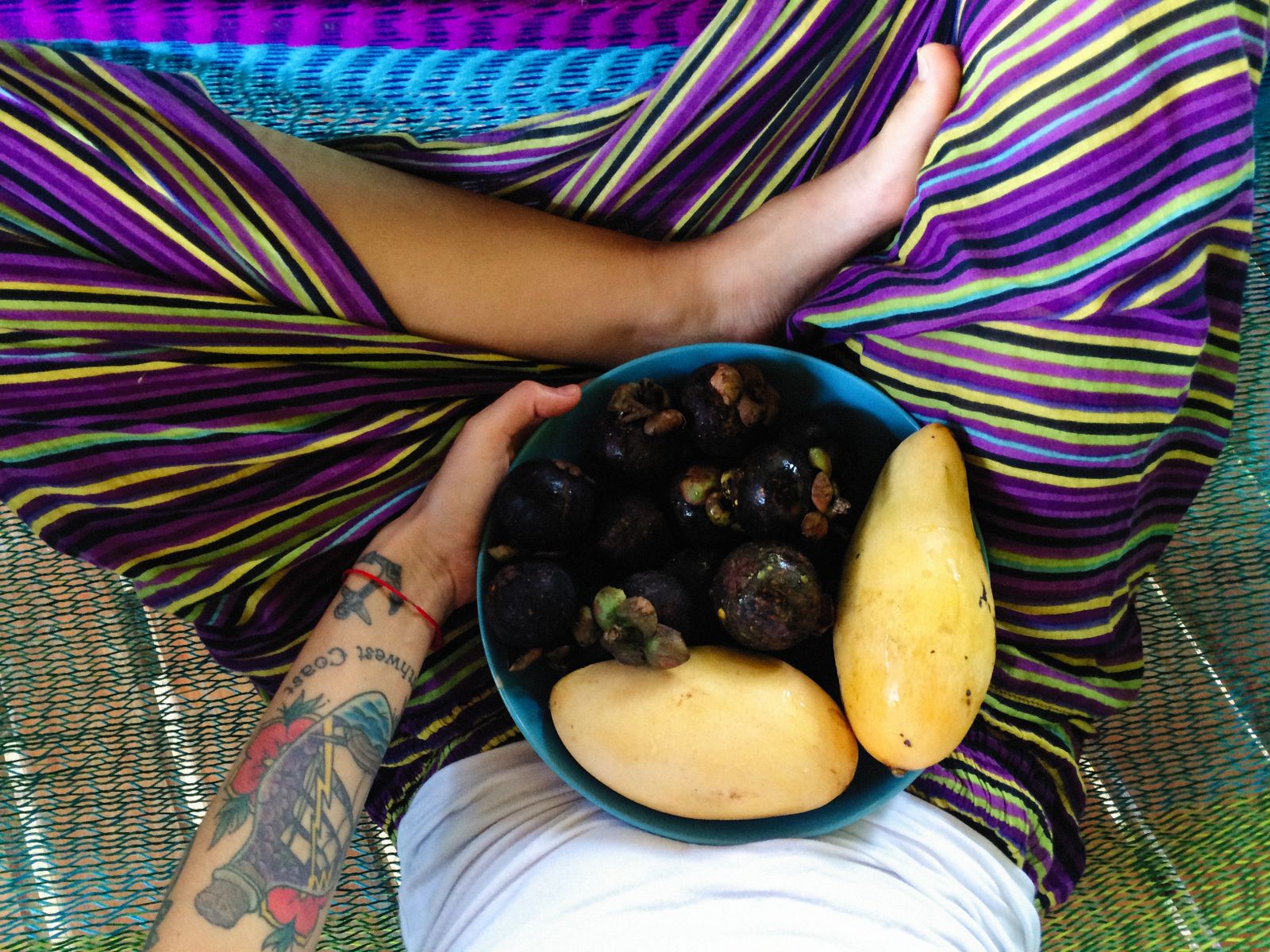
Fresh fruit, plant milk, bread, hummus, tofu, and chilled foods are usually better bought after arrival when local rules and storage allow. Ask your accommodation about a nearby supermarket, market, grocery delivery, kitchen, refrigerator, and opening hours. The hotel booking guide explains how to check those facilities before paying. For destination food research, browse the wider vegan food guides hub.
Dietary communication kit
Save a short statement explaining that you eat vegan and avoid meat, fish, seafood, eggs, dairy, honey, animal stock, fish sauce, oyster sauce, shrimp paste, and shared preparation when relevant. The mixed-menu restaurant guide helps turn that into clear questions.
What are the airport rules for vegan food and liquids?
Answer: Rules depend on the airport, country, airline, and food’s texture. For U.S. TSA screening, liquids, aerosols, gels, creams, and pastes in carry-on bags are generally limited to containers of 100 ml or less in a quart-sized bag; TSA also distinguishes solid food from liquid or gel food. International airports may use similar but not identical rules, so check the departure and transit airports directly.
| Packing item | Practical approach | Check before travel |
|---|---|---|
| Solid snacks | Pack sealed, labelled portions in your cabin bag | Transit and destination customs restrictions |
| Hummus, nut butter, sauces | Treat as liquid or gel; use travel-size containers or buy after security | Airport liquid rule and container size |
| Plant milk or smoothies | Buy after security or place larger containers in checked baggage where allowed | Airport and customs rules |
| Fresh fruit and produce | Useful for the journey, but do not assume it can cross a border | Destination agriculture and customs rules |
| Powders | Keep labelled and consider checking larger quantities | Additional screening thresholds at some airports |
TSA says liquid or gel food over 100 ml is not allowed in a carry-on bag in ordinary circumstances, while solid food can generally be carried. IATA also warns that many countries use 100 ml liquid limits and that special-dietary or medical items can require additional screening. Keep food accessible, labelled, and easy to explain.
How should you pack clothing for a vegan trip?
Answer: Pack a small capsule around the forecast, not a separate outfit for every possible photo. Choose quick-drying layers, one comfortable walking shoe, one activity-specific item when needed, and a weather layer. Fabric choice matters more than quantity when you will hand-wash, walk, or carry your bag between transport connections.
- Base layer: underwear, breathable tops, socks, and sleepwear.
- Middle layer: light jumper, cardigan, overshirt, or fleece for planes and cool evenings.
- Outer layer: rain shell, wind layer, sun shirt, or warm coat based on the destination.
- Bottoms: one comfortable walking option and one lighter or smarter option.
- Shoes: prioritise comfort, grip, and drying time; avoid packing pairs that do the same job.
- Sun and water: hat, sunglasses, swimwear, and a reusable bottle for after security.
- Respectful coverage: pack a scarf, shoulders-covering layer, or longer garment for religious sites and local norms.
For cold-weather trips, use the winter vegan packing list as a seasonal supplement rather than adding every item to a warm-weather trip.
What toiletries and low-waste items are worth packing?
Answer: Pack the toiletries you need for the first 24 hours and the items that are difficult to replace in your size, formula, or cruelty-free preference. Use leak protection and keep liquids together. The goal is not zero waste at any cost; it is avoiding unnecessary single-use purchases without creating airport or customs problems.
- Toothbrush, toothpaste, deodorant, hair or skin products, and menstrual products as needed.
- Solid soap, shampoo, conditioner, or sunscreen where those formats work for you.
- Small refillable bottles labelled with their contents.
- Razor or grooming tool packed according to the airport’s sharp-object rules.
- Reusable bottle, foldable tote, reusable straw, or cutlery only if you will actually use them.
- Small laundry bag, stain remover wipe, and a few detergent sheets for longer trips.
- Sun protection and insect repellent appropriate to the destination.
Do not pack a travel gadget simply because it is marketed as sustainable. One reusable item used repeatedly is better than a kit that adds weight and gets forgotten.
What medication and health items should you pack?
Answer: Keep essential medication in your cabin bag, in original labelled packaging when possible, with prescriptions or a clinician’s letter for controlled or unusual medicines. The CDC recommends a destination-specific travel health kit, copies of prescriptions and insurance documents, and checking whether a country restricts a medicine before departure. Medication rules are destination-specific, not universal.
- Prescription medication plus a small buffer for delays, if your clinician advises it.
- Copies of prescriptions, generic names, dosage, and medical conditions.
- Glasses, contact lenses, solution, hearing aids, or medical devices.
- Basic first aid, pain or fever relief, personal allergy medication, and motion-sickness support if appropriate for you.
- Hand sanitiser or wipes, masks if useful, and insect repellent for the destination.
- Travel insurance details and a list of clinics or emergency services.
- Medical alert information or accessibility notes.
Never transfer essential medicine into an unlabelled pill organiser for the whole trip. You can use a small organiser for convenience, but keep the labelled packaging and documentation available.
What technology, batteries, and connectivity should you pack?
Answer: Carry the devices you need, not every device you own. Put your phone, laptop, camera, and spare lithium batteries in your cabin bag. The FAA says spare lithium-ion batteries and power banks must be carried in carry-on baggage, and common batteries are limited to 100 watt-hours unless the airline approves otherwise. Airlines can be stricter.
| Tech item | Pack it where? | Practical check |
|---|---|---|
| Phone | Carry-on or personal item | Offline maps, boarding passes, translation, and emergency contacts |
| Power bank | Carry-on only | Check Wh rating, airline limit, terminals, and charging rules |
| Laptop or camera | Carry-on | Protect it from pressure, moisture, and theft |
| Chargers and adapters | Carry-on | Match the destination socket and voltage requirements |
| Smart luggage | Cabin or battery removed before check-in | Check whether the battery is removable and airline-approved |
Download the best travel apps for vegan travellers before you leave, then test them in airplane mode. If you need data abroad, compare a local SIM or eSIM with the destination-specific advice in the Mexico eSIM guide or your relevant regional guide.
What should you pack for a hotel, hostel, or kitchen stay?
Answer: Accommodation changes the packing list more than most travellers expect. A hotel with breakfast needs different backups from a self-catering apartment, hostel, campsite, or remote villa. Ask what is already supplied before adding cookware, towels, food, or appliances to your luggage.
- Hotel: pack a breakfast or late-arrival snack and a small container if useful; do not assume a fridge or kettle.
- Hostel: add a labelled food bag, lock, earplugs, and a compact kitchen kit only if the house rules permit it.
- Apartment: confirm cookware, knives, refrigerator, freezer, oven, and nearby shops.
- Camping: check fuel, stove, water, food storage, and customs restrictions separately.
- Remote stay: prioritise shelf-stable meals, offline maps, a power solution, and a confirmed arrival plan.
Use the Vegan Travel Packing List as a printable baseline, then delete items that your accommodation already supplies.
What accessibility and sensory needs belong in the packing plan?
Answer: Pack for the points where the trip is least predictable: long queues, noisy transport, heat, stairs, unfamiliar food, delayed medication, or limited charging. Put the items that regulate comfort and independence in your personal item, not in a checked bag.
- Mobility aids, spare parts, repair contacts, and a short explanation card.
- Noise-reducing headphones, earplugs, sunglasses, comfort objects, or sensory supports.
- Compression socks, travel pillow, or circulation supports when appropriate for you.
- Accessible transfer instructions, medication schedule, and destination-language phrases.
- Safe foods for allergies, diabetes, sensory needs, or restricted diets.
- Extra charging or battery support for medical or communication devices.
Ask the airline and accommodation about assistance, stairs, bathroom access, transfer vehicles, and storage before booking. Packing cannot compensate for an inaccessible itinerary.
How does the packing list change by trip type?
Answer: Start with the core kit, then add only the equipment demanded by the trip. A city break rewards light layers and walking shoes; a beach trip needs sun and water protection; a road trip needs car and food contingencies; a remote stay needs redundancy. Packing by trip type is more reliable than packing from a universal mega-list.
| Trip type | Add | Do not forget |
|---|---|---|
| City break | Walking shoes, layers, compact tote, offline map | Restaurant research, transport card, rain layer |
| Beach trip | Sun hat, swimwear, rash layer, dry bag | Reef-conscious sunscreen, water, food away from heat |
| Road trip | Car charger, cooler plan, paper directions, refillable bottle | Fuel, rest stops, food storage, roadside contacts |
| Remote or rural trip | Shelf-stable meals, headlamp, power backup, offline maps | Arrival timing, weather buffer, emergency communication |
| Cold-weather trip | Thermal base, insulating layer, gloves, waterproof footwear | Drying plan, lip balm, medication protection from freezing |
| Work or long stay | Laptop setup, laundry plan, reliable data, comfortable layers | Work backup, receipts, adapters, longer medication supply |
What are the most common vegan packing mistakes?
Answer: Most packing problems come from confusing “possible” with “necessary.” Travellers either carry too much food and equipment or fail to carry the one item that cannot be replaced. A good list is short enough to use and specific enough to protect the trip’s weak points.
- Packing a full holiday pantry: carry a delay buffer, then buy or arrange food locally.
- Putting medication or power banks in checked luggage: keep essential and battery items with you.
- Assuming all vegan food crosses borders: check customs and agriculture rules for fresh, packaged, and homemade foods.
- Ignoring liquids rules: nut butter, hummus, sauces, smoothies, and gels can be treated as liquids.
- Buying a bag before checking the airline: dimensions and weight vary by fare and aircraft.
- Taking duplicate gadgets: choose one device that handles maps, translation, tickets, and communication when possible.
- Forgetting the first meal: arrival times and local opening hours can leave you hungry.
- Using an old list without checking the destination: weather, safety, customs, and transport details change.
What should you verify in the final 30 minutes?
Answer: Use the final half hour to verify, not rethink, your entire suitcase. Weigh the bag, confirm documents and medication, check the airline’s current cabin allowance, charge devices, and make sure the first meal and arrival route are covered. Put the things you may need at security or during a delay where you can reach them.
- Passport, visa, tickets, accommodation address, insurance, and emergency contacts are accessible.
- Medication, glasses, medical devices, and prescriptions are in the cabin bag.
- Power bank and spare lithium batteries are in the cabin bag, protected from short circuits.
- Liquids fit the current departure-airport rule, and larger containers are moved to checked luggage or removed.
- Food is sealed, labelled, and legal for the route and destination.
- One change of clothes, basic hygiene, and a warm layer are in your personal item.
- Phone, cards, cash, chargers, and offline documents are backed up.
- Weather, transport, check-in, and first meal have been checked for the actual arrival time.
- The suitcase is within the airline’s current size and weight limits.
- You have removed “just in case” items that duplicate something already packed.
Frequently asked questions
What is the most important thing to pack as a vegan traveller?
Carry your documents, medication, a small food backup, and a clear dietary explanation. Those four items protect identity, health, food access, and communication when a journey goes wrong.
Can I bring vegan snacks on a plane?
Solid snacks are generally easier to carry than liquid or gel foods, but airport security, airline, transit, and customs rules differ. Check the exact route and declare food when required.
Can I bring hummus or nut butter through airport security?
They can be treated as liquids or gels. In U.S. TSA screening, carry-on containers are generally limited to 100 ml; buy larger portions after security or check them only when permitted.
Can I pack plant milk in my carry-on?
Plant milk is a liquid. Larger containers usually cannot pass ordinary carry-on screening, so buy it after security or check it if the route and packaging rules permit.
Where should I pack a power bank?
In your carry-on, never in checked baggage. Check the watt-hour rating and your airline’s current rules because carriers can impose stricter limits.
Should medication stay in its original packaging?
Yes, especially for prescription, controlled, or unusual medication. Keep original labels, prescriptions, and any required clinician letter available, and check destination restrictions.
How much vegan food should I take?
Usually enough for the journey, a delay, and the first meal after arrival. Pack more only when the destination is remote, food access is limited, or customs rules clearly allow it.
What kitchen items are worth packing?
A compact reusable container or cutlery can be useful, but confirm your accommodation first. Do not carry bulky cookware when a kitchen, supermarket, or rental already supplies it.
What should go in a personal item?
Passport, wallet, phone, medication, glasses, essential documents, power bank, food backup, one change of clothes, and anything you cannot safely lose or replace.
How do I pack for a vegan road trip?
Pack a cooler or food-storage plan, refillable water bottle, car charger, offline route, rest-stop list, and shelf-stable food. Check accommodation refrigeration and local food options along the route.
Do vegan travellers need a printed dietary card?
It is useful when you do not speak the local language or have allergies. Save a digital copy too, but keep a paper version for a flat battery or poor connectivity.
How can I avoid overpacking?
Pack a capsule wardrobe, limit shoes, use a one-in-one-out rule for gadgets, and separate “must carry” from “buy there.” Weigh the bag before leaving and remove duplicate items.
Final summary and key takeaways
A practical vegan packing guide is a risk-management tool, not a catalogue of every useful object. Keep irreplaceable items with you, carry a modest food buffer, follow current transport rules, plan for the accommodation you booked, and check the destination’s weather, customs, and opening hours.
- Carry documents, medication, valuables, batteries, and a first-day food backup.
- Check liquids, gels, powders, solid food, and customs rules for the complete route.
- Use climate-based layers and avoid duplicate shoes or gadgets.
- Ask accommodation what kitchen, breakfast, water, and grocery support already exists.
- Download offline maps, translations, tickets, and emergency information.
- Pack for accessibility, sensory comfort, allergies, and medication timing.
- Run the final checklist after checking the actual airline and destination rules.
For the next step, compare the essential travel gadgets guide with the carry-on luggage guide and remove anything that does not solve a real problem on your itinerary.
Sources and Verification
Checked 25 October 2026. Airline allowances, airport screening, battery limits, customs rules, medication restrictions, and destination conditions can change. Verify the exact departure airport, transit points, airline, and destination before packing.
- TSA Liquids, Aerosols, and Gels Rule for the U.S. 100 ml carry-on rule.
- TSA Food guidance for solid food and liquid or gel food screening.
- FAA PackSafe lithium-battery guidance for power banks, spare batteries, and watt-hour limits.
- IATA passenger baggage rules for airline variation, batteries, liquids, and special-dietary items.
- CDC Pack Smart for travel health kits, prescriptions, documents, and destination-specific preparation.
- CDC Traveling Abroad with Medicine for medication documentation and country restrictions.
Next step: open your airline’s current baggage page, check your route’s customs rules, and pack only what protects this specific trip.