Things to Do in Mexico City: A Vegan Travel Guide
Last updated: 24 October 2026. Museum hours, ticket rules, transit fares, air quality, cultural events, and attraction access can change. Confirm high-demand visits with the official links below before booking.
Short answer: The best vegan things to do in Mexico City are grouped by neighbourhood: start with Centro Histórico and Templo Mayor, spend a separate day in Chapultepec and Polanco, explore Coyoacán and Ciudad Universitaria, then choose Xochimilco or a food-focused Roma–Condesa day. Mexico City is easier when you plan geographically, book timed museums ahead, and carry a snack between long Metro or Metrobús connections.
Mexico City is too large for a checklist itinerary. Its historic core, museums, parks, markets, canals, university campus, neighbourhood cafés, and day trips sit across a huge metropolitan area. This vegan guide focuses on things that are genuinely worth doing, how to group them without wasting the day in traffic, and how to protect your meals while you explore.
What you’ll find in this guide: how to group the city geographically, Centro Histórico, Chapultepec and Polanco, Coyoacán and Casa Azul, Xochimilco, Roma and Condesa food days, day trips, independent transport, and three- to seven-day routes.
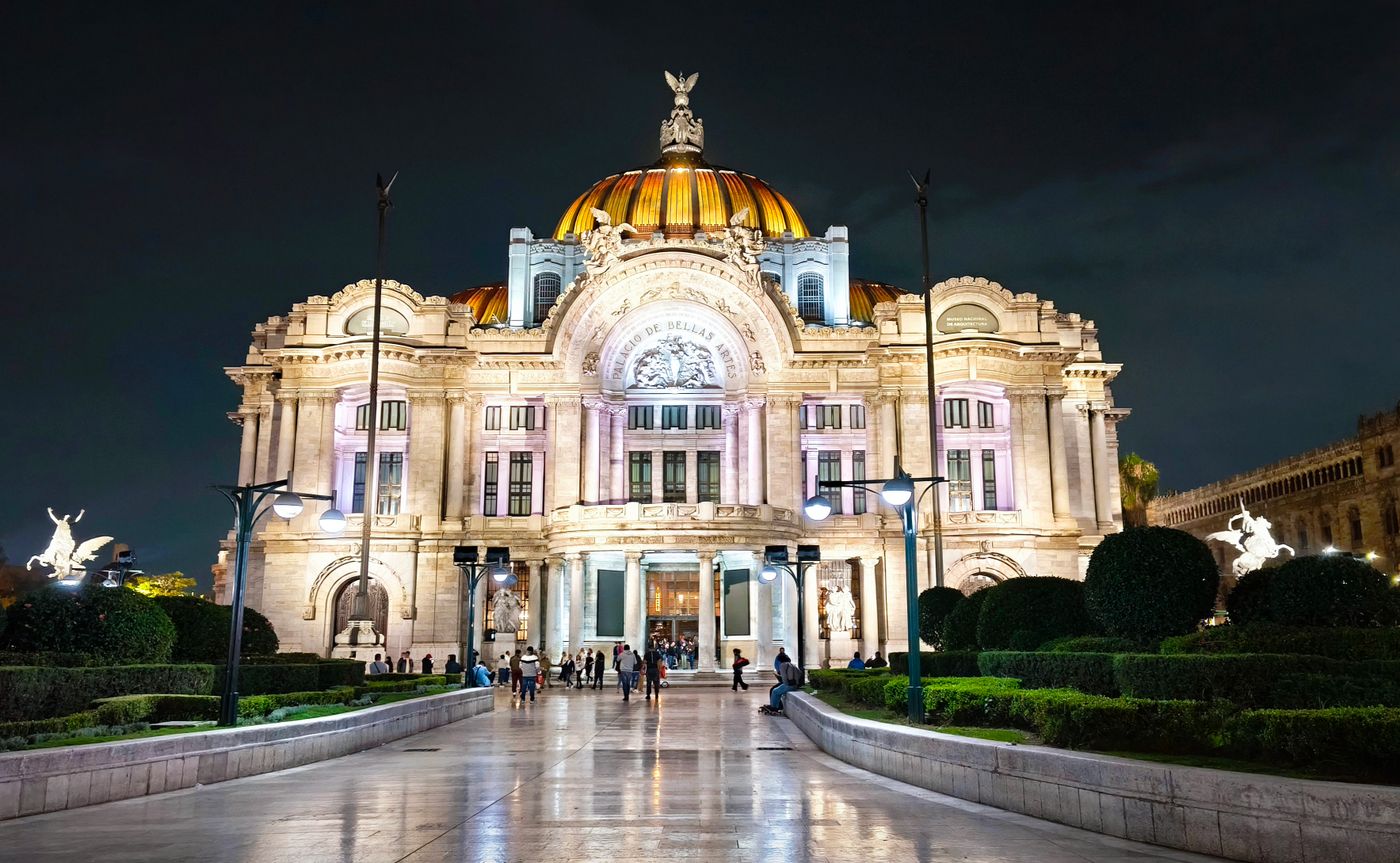
Featured image: Bryan Gayosso / Pexels.
How should you plan things to do in Mexico City?
Answer: Plan by zone, not by attraction ranking. The official Mexico City visitor guide groups more than 160 sites into seven mapped routes, which is a useful reminder that the city needs several neighbourhood days. Pair places within walking distance or one direct transit corridor, and schedule the furthest excursion on a day with weather and energy flexibility.
| Day shape | Best cluster | Vegan planning advantage |
|---|---|---|
| History and architecture | Zócalo, Templo Mayor, Cathedral, Alameda, Bellas Artes | Many cafés and markets nearby; easy to pack a lunch |
| Museums and green space | Chapultepec, Anthropology Museum, Chapultepec Castle, Polanco | Stock breakfast and snacks before a long museum day |
| Neighbourhood and food | Roma Norte, Condesa, Juárez, Reforma | Best density of cafés and clearly labelled plant-based options |
| South-city culture | Coyoacán, Casa Azul, UNAM, San Ángel | Confirm museum time slots and carry food for the long return |
| Full excursion | Xochimilco or Teotihuacán, not both | Bring a complete meal because tours and transfers run long |
Book or verify these before you build the day
Casa Azul
The Frida Kahlo Museum has timed entry and no in-person ticket sales. Book through the official visit page, then plan the rest of Coyoacán around the slot.
Templo Mayor
Confirm the INAH museum’s current opening information and entrance details before committing to a Centro Histórico route.
City routes and mobility
Use the official CDMX route and mobility guides to group neighbourhoods and choose Metro, Metrobús, walking, or a ride service.
Stay near a Metro or Metrobús corridor if you want to explore independently. Centro Histórico, Roma, Condesa, Juárez, Coyoacán, and Polanco all create different trip rhythms; choose one base rather than changing hotels every night. Use the vegan hotel booking guide to compare kitchens, breakfast, neighbourhood access, and cancellation flexibility.
What should you do in Centro Histórico?
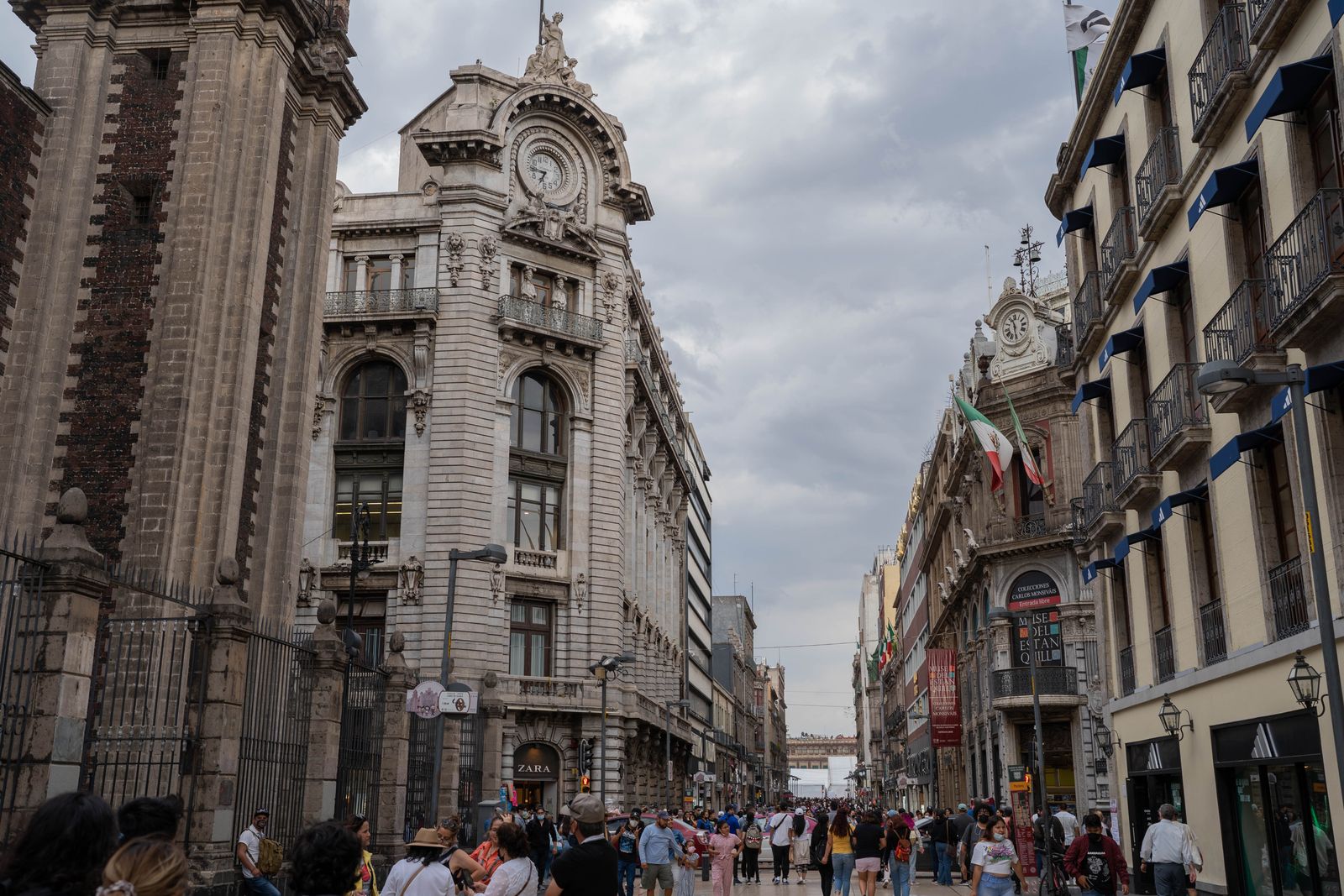
Answer: Build a Centro Histórico day around the Zócalo, Templo Mayor, the Metropolitan Cathedral, Palacio Nacional, Alameda Central, and Palacio de Bellas Artes. The official CDMX guide specifically maps Zócalo–Templo Mayor and Alameda–Madero walking routes, so keep this day on foot rather than adding a distant neighbourhood.
Templo Mayor and the archaeology of Tenochtitlan
The INAH museum and archaeological zone make the city’s pre-Hispanic history tangible beneath the modern centre. INAH lists the museum’s eight galleries, current visiting information, and Tuesday-to-Sunday service hours. Check the official page before you go because museum hours, prices, entrances, and temporary closures can change.
Zócalo, Cathedral, and Palacio Nacional
Start early in the main square, then move through the Cathedral and the surrounding streets before the heat and crowds build. Treat the square as a navigation point, not an attraction to rush through. Dress respectfully for religious spaces and check photography rules.
Madero Street and Bellas Artes
Walk along pedestrianised Madero toward Alameda Central and the Palace of Fine Arts. This corridor is good for architecture, people-watching, bookshops, cafés, and a flexible afternoon when a museum queue is longer than expected.
Vegan food in Centro
Use Centro for fruit, tamales, tlacoyos, tacos, soups, and market snacks, but ask about lard, chicken stock, cheese, crema, and egg. “Vegetarian” stalls may still cook on shared surfaces or finish dishes with animal products.
What should you do in Chapultepec and Polanco?
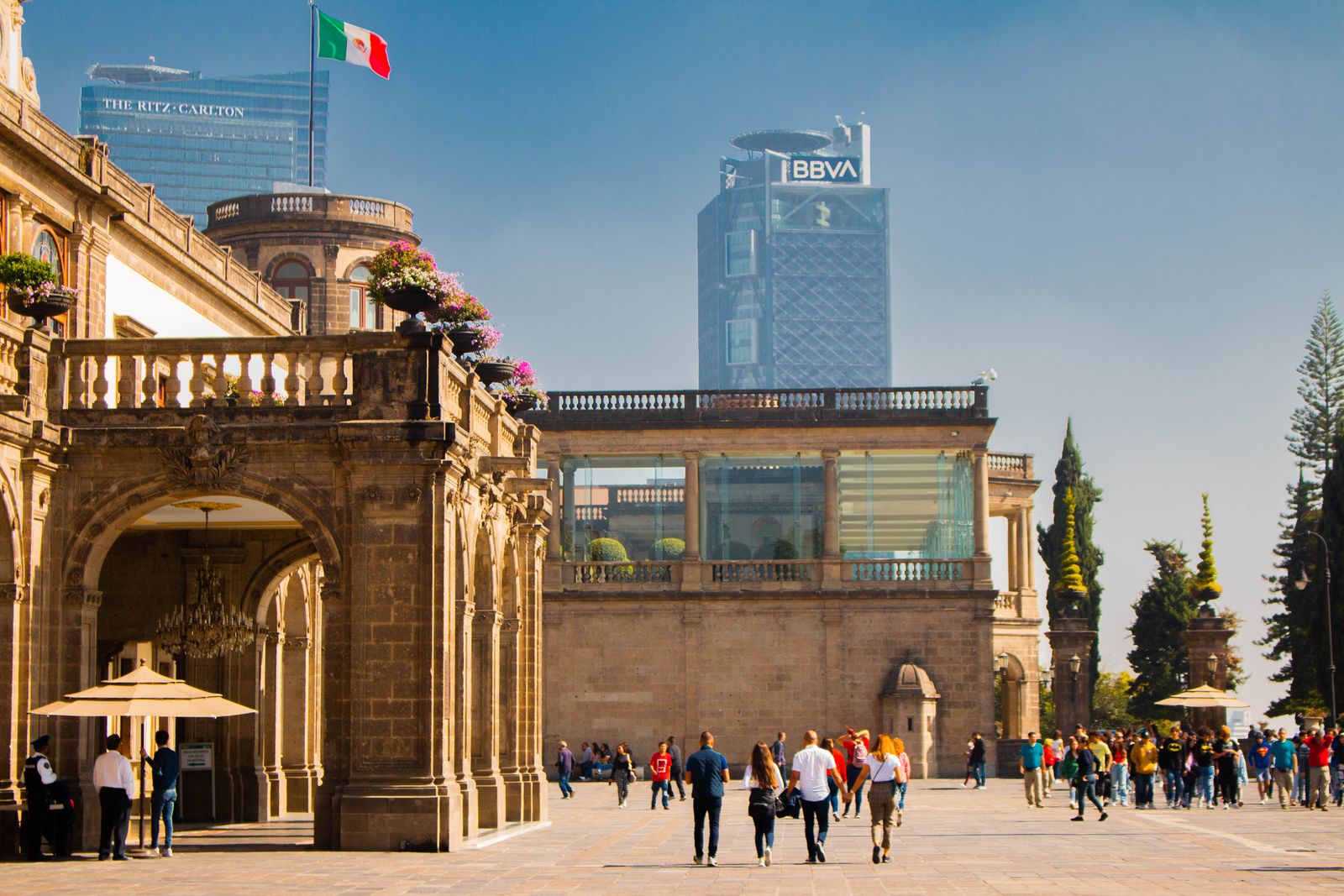
Answer: Chapultepec is a full day, not a quick park stop. The official Mexico City guide identifies the forest as a major visitor zone, and the National Museum of History at Chapultepec Castle lists service hours, access, and current ticket information. Pair one major museum with park walking, then finish in Polanco instead of crossing the city again.
National Museum of Anthropology
Choose the Anthropology Museum when you want a deep, structured introduction to Mexico’s Indigenous civilizations and material culture. It is large enough to consume several hours, so do not pair it with every other Chapultepec attraction.
Chapultepec Castle
INAH’s current visitor page notes that the National Museum of History is closed on Mondays and publishes a recommended minimum visit time. Use the official page for the current admission price, payment method, hours, and access route rather than relying on an old travel blog.
Park walking and Polanco
Leave time for lake paths, shade, monuments, and a slower walk through the forest. Polanco adds galleries, design, shopping, and higher-end dining. For a vegan trip, reserve or verify meals in advance because the area’s polished restaurants may have separate plant-based menus rather than obvious walk-in choices.
What are the best things to do in Coyoacán?
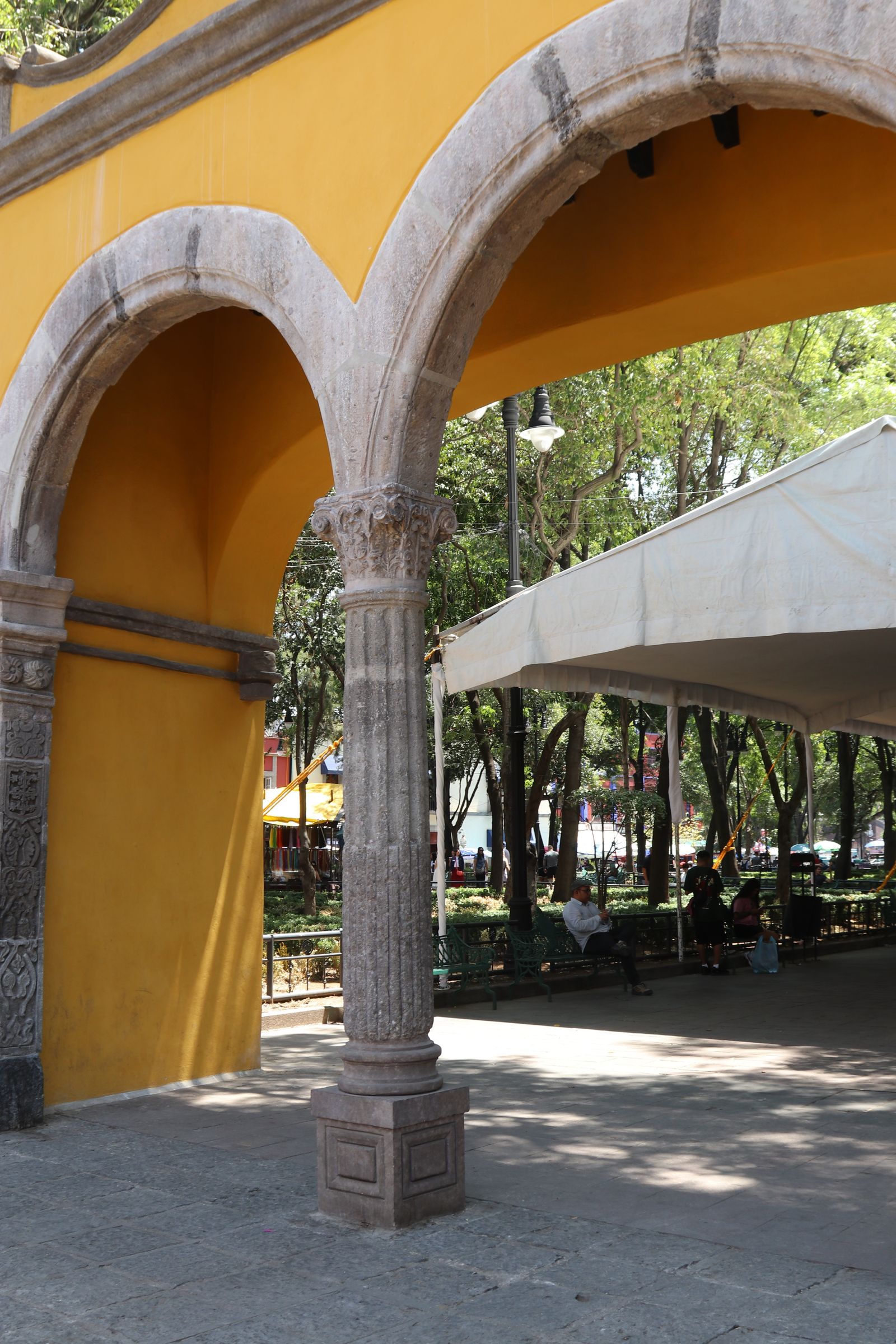
Answer: Coyoacán works as a south-city culture day: Casa Azul, Plaza Hidalgo, Jardín Centenario, the National Museum of Popular Cultures, markets, and a slow neighbourhood walk. The Frida Kahlo Museum says it does not sell tickets in person, so reserve through its official ticketing route and plan the rest of the day around your timed entry.
Frida Kahlo Museum and Anahuacalli
Casa Azul is a small, high-demand house museum. Book before you travel, allow time for security and entry, and do not assume you can buy a same-day ticket at the door. The official visit page says admission includes courtesy access to Diego Rivera–Anahuacalli Museum, but verify current ticket conditions.
Plazas, markets, and local culture
Walk Plaza Hidalgo and Jardín Centenario, then browse the market and nearby streets. Ask vendors what is in sauces, beans, masa, and fillings. “Vegan” may be understood differently from “vegetarian,” especially where cheese, cream, lard, or chicken stock is standard.
UNAM and Ciudad Universitaria
Combine Coyoacán with Ciudad Universitaria only if you have the energy and time. The campus murals, modernist architecture, and University Olympic area are a separate geographic cluster. Use public transit or a pre-planned taxi rather than trying to walk the whole distance.
Is Xochimilco worth visiting independently?
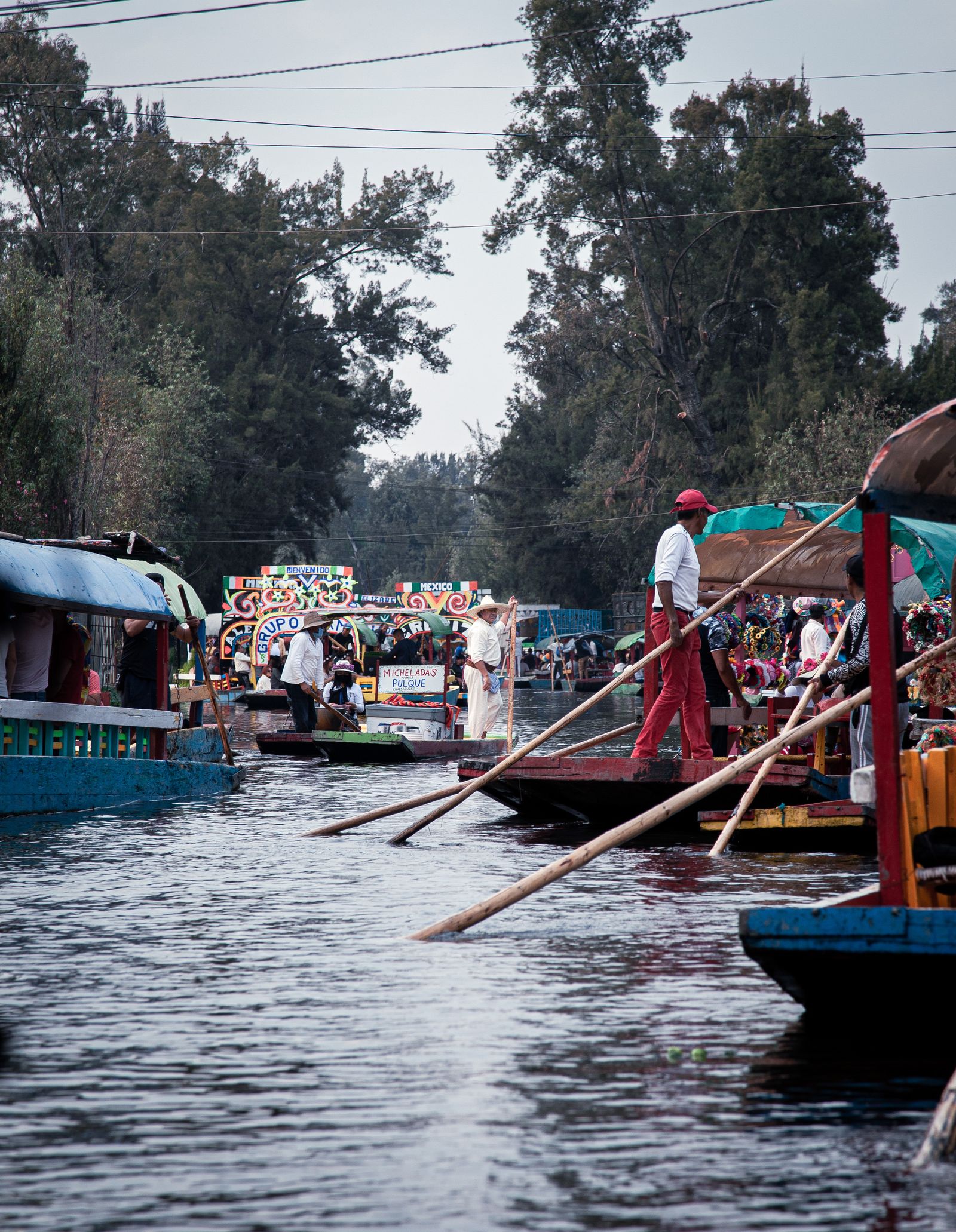
Answer: Xochimilco is worth visiting when you want a canals-and-community experience, but it is a half-day or full-day outing rather than a quick add-on. The official CDMX guide lists the Cuemanco embarcadero as an ecological-tour site. Confirm the embarcadero, boat terms, route length, and food plan before you leave your base.
How to plan the boat day
- Choose an official or clearly identified embarcadero.
- Confirm the hourly boat rate, duration, and what is included before boarding.
- Bring water, sun protection, and a complete vegan meal or snacks.
- Do not assume vendors on the canal will have safe vegan food.
- Leave time for the return journey, especially on weekends.
Respect the canals
Keep rubbish with you, avoid feeding wildlife, and use operators that respect the local environment. The attraction is the living canal landscape and community, not just a colourful boat photo.
What should vegans do in Roma, Condesa, and Juárez?
Answer: Roma, Condesa, and Juárez are the easiest areas for a food-led Mexico City day because cafés, bakeries, restaurants, parks, and shops sit close together. The official CDMX guide treats Condesa and Roma as a distinct zone, which supports a simple plan: walk, eat, rest, then move only once.
Roma Norte
Use Roma for plant-based cafés, creative restaurants, independent shops, galleries, and a neighbourhood walk. Check menus and opening days before crossing town because popular places may close one weekday or require a reservation.
Condesa
Condesa is good for tree-lined walks, Parque México, cafés, and a slower dinner. It is one of the easiest bases for travellers who want food options within walking distance, but prices can be higher than in other neighbourhoods.
Juárez and Reforma
Juárez links Roma, Centro, and Reforma, making it a useful base for mixed itineraries. Reforma’s museums and monuments are best paired with Chapultepec or Zona Rosa rather than a distant day trip.
How can you eat vegan while sightseeing in Mexico City?
Answer: Treat vegan food as a route-planning layer. Mexico City has strong plant-based options, but traditional dishes often include lard, cheese, crema, egg, chicken stock, or meat fillings. Carry a short Spanish request, ask about cooking fat and stock, and choose a reliable meal before a museum, market, canal, or day trip where options may narrow.
Spanish questions to use
- “Soy vegano/vegana. No como carne, pollo, pescado, mariscos, huevo, leche, queso, crema ni manteca.”
- Ask: “¿Tiene caldo de pollo o manteca?”
- Ask whether beans are cooked with lard.
- Confirm that tortillas, salsas, rice, and fillings are not prepared with animal ingredients.
- For allergies or cross-contact, ask for a clean pan or separate preparation.
Foods to investigate
- Tacos: request mushroom, bean, potato, nopales, or vegetable fillings without cheese or crema.
- Tamales: ask about lard in the masa and animal fillings.
- Tlacoyos: verify the masa, beans, toppings, and cooking fat.
- Chilaquiles: ask for no cheese, crema, egg, or chicken stock.
- Pan dulce: many pastries contain butter, milk, or egg; ask before buying.
- Fruit and markets: easy backups, but wash produce and use reputable stalls.
When to book a vegan restaurant
Reserve for dinner in popular areas, especially on weekends and during festivals. A confirmed reservation protects your energy after a long museum or excursion day and lets you ask about allergies, set menus, and substitutions in advance.
Use the best travel apps guide for maps and translation, and the Mexico eSIM guide for staying connected while checking menus, reservations, and transit. Compare the Holafly review and Roamless review if you need a second connectivity option.
Which Mexico City day trips are worth adding?
Answer: Choose one major day trip for a short visit. Teotihuacán is the classic archaeology choice; Xochimilco is the canal-and-culture choice; Tepoztlán, Puebla, or a smaller town may suit repeat visitors. Do not combine Teotihuacán and Xochimilco unless you accept a long, tiring day with little vegan-food flexibility.
Teotihuacán
Go early, carry water and a packed vegan meal, and verify current access rules, transport, and site hours. Heat and walking are more demanding than the distance from Mexico City suggests. Use a reputable guide or clearly planned transport rather than a rushed bargain tour.
Puebla or Tepoztlán
Choose a nearby cultural town when you want colonial streets, markets, or a slower day. Check the exact bus terminal, departure times, and return buffer before promising a dinner reservation back in the city.
How do you get around Mexico City independently?
Answer: Use the Metro and Metrobús for core corridors, walking for neighbourhood clusters, and a reputable ride service for late nights, luggage, airport transfers, or places poorly connected by rail. The official Metro guide describes 12 lines and 195 stations and says the system connects major attractions, the airport, and other transport networks.
| Mode | Best use | Practical vegan-travel note |
|---|---|---|
| Metro | Fast, low-cost movement between major corridors and Centro | Carry your bag in front and avoid planning a meal during a peak crush |
| Metrobús | Reforma, Roma, Condesa, airport Line 4, and surface routes | Check the current card or contactless payment rule before boarding |
| Walking | Centro, Roma–Condesa, Coyoacán plazas, and Polanco clusters | Wear supportive shoes and carry water; altitude and heat add up |
| Ride service or taxi | Airport, late evenings, luggage, and weak transit links | Use an official rank, hotel-arranged car, or reputable app |
Metro and Metrobús payment
Rules and fares change. The official Metro and Metrobús pages currently describe integrated card and contactless options, with different conditions for regular and airport services. Check the current operator page before you buy a card or assume a bank card will work.
Airport arrival
Benito Juárez International Airport is connected to the city’s transport network, but airport arrival with luggage is not the same as a light day trip. Choose a safe, clear transfer, save your accommodation address offline, and avoid accepting unsolicited offers inside or outside the terminal.
What practical issues should vegan visitors know?
Answer: Mexico City travel is easier when you plan for altitude, air quality, crowds, weather, and petty theft without becoming fearful. Keep valuables discreet, use busy routes, check current official emergency information, and choose indoor or neighbourhood alternatives when rain, pollution, or fatigue makes a long crossing a poor idea.
Altitude and hydration
Mexico City sits at high elevation. The first day can feel more tiring than expected, especially after a flight. Walk slowly, drink water, avoid stacking stairs and museums, and give yourself time to adjust before a strenuous pyramid or hill day.
Crowds and belongings
- Keep phones and passports secure on crowded Metro and Metrobús routes.
- Use a cross-body bag or zipped daypack.
- Choose busy, well-lit routes at night.
- Use an app or official taxi service rather than hailing an unknown car.
- Carry a copy of identification and keep the original secure.
Weather and air quality
Rain can arrive quickly, especially in the wet season, and air quality can change. Carry a light rain layer, check local conditions, and avoid assuming an outdoor plan will stay comfortable all day.
What are the best Mexico City vegan itineraries?
Answer: Three full days can cover the historic centre, Chapultepec, and one southern or food-focused neighbourhood. Five days lets you add Coyoacán, Xochimilco, and one day trip without turning every day into a transfer. Seven days supports a slower rhythm with museums, markets, and a second excursion.
Three days
- Day one: Zócalo, Templo Mayor, Cathedral, Madero, Alameda, and Bellas Artes.
- Day two: Chapultepec museum and forest, then Polanco.
- Day three: Coyoacán and Casa Azul, or Roma–Condesa if you want a food-led day.
Five days
- Centro Histórico.
- Chapultepec and Polanco.
- Coyoacán and Casa Azul.
- Roma, Condesa, and a planned vegan dinner.
- Xochimilco or Teotihuacán, not both.
Seven days
Use the five-day plan, add a second museum or neighbourhood day, then keep one flexible day for rain, altitude recovery, shopping, or a second excursion. The extra day is more valuable as breathing room than as another distant attraction.
What mistakes should you avoid?
- Crossing the city repeatedly: group attractions geographically.
- Booking Casa Azul at the last minute: use the official ticketing route before travel.
- Assuming a vegetarian label is vegan: ask about lard, cheese, crema, egg, and stock.
- Trying to see every museum in Chapultepec: choose one anchor museum and leave time to walk.
- Combining Xochimilco and Teotihuacán casually: each deserves a separate half or full day.
- Relying on a single restaurant: save two backups near your next neighbourhood.
- Ignoring altitude: make the arrival day gentle and hydrate.
- Assuming fares and ticket rules are permanent: check operator pages close to departure.
Frequently asked questions
How many days do you need in Mexico City?
Three days covers the major central areas. Five days is better for Centro, Chapultepec, Coyoacán, Roma–Condesa, and one outing. Seven days lets you add a day trip without rushing every museum and meal.
Is Mexico City vegan-friendly?
Yes, especially in Roma, Condesa, Juárez, Centro, and Coyoacán. Traditional dishes still often contain lard, cheese, crema, egg, chicken stock, or meat, so ask clearly and use a Spanish food note.
Is the Mexico City Metro safe for tourists?
It is widely used and connects major visitor areas, but crowded transport requires normal city precautions. Keep valuables secure, avoid empty carriages late at night, and use a reputable ride service when carrying luggage or travelling after dark.
Do I need to book the Frida Kahlo Museum?
Yes. The official visit information says there are no in-person ticket sales, so book ahead through the official museum ticketing route and plan your Coyoacán day around the entry time.
What is the best thing to do in Mexico City at night?
Choose a well-reviewed dinner, evening cultural event, or busy neighbourhood walk in a route you know. Check the CDMX cultural calendar, arrange the return ride in advance, and avoid an unfamiliar cross-city journey after dinner.
Should I visit Xochimilco or Teotihuacán?
Choose Xochimilco for canals and community culture, and Teotihuacán for archaeology and a major full-day site. Both can be worthwhile, but they should usually be separate plans.
What should vegans pack?
Pack a Spanish food note, sealed snacks, water bottle, portable charger, light rain layer, comfortable shoes, sun protection, and any medication. Use the vegan packing guide and travel gadgets guide for a fuller checklist.
How do I stay connected?
Use offline maps and translation, then compare local SIM and eSIM options. The Mexico eSIM guide covers setup and coverage questions for vegan travellers.
Final summary and key takeaways
Mexico City is best experienced as a set of connected neighbourhood days. Start with Centro Histórico, choose one Chapultepec museum, reserve Casa Azul early, decide whether Xochimilco or Teotihuacán fits your energy, and leave time for Roma–Condesa food exploration. Vegan success comes from asking about lard, dairy, egg, stock, and shared cooking surfaces before you order.
- Plan by geographic cluster.
- Book high-demand museums before arrival.
- Use the Metro and Metrobús with normal crowd precautions.
- Carry food for museums, canals, and day trips.
- Build altitude, rain, and air-quality flexibility into each day.
Before departure, review the travel-updates checklist, download offline maps, save your Spanish food note, and confirm your first neighbourhood base.
Sources and Verification
Checked 24 October 2026. Recheck museum hours, timed tickets, transit fares, payment rules, cultural events, weather, air quality, and attraction closures close to travel.
- Mexico City’s official visitor guide for mapped routes, neighbourhoods, museums, parks, and current visitor planning.
- Official Chapultepec Forest and Park guide for the park zone and attractions.
- Official Condesa and Roma guide for neighbourhood planning.
- Official Coyoacán guide for south-city planning.
- INAH Templo Mayor Museum visitor information for current hours, prices, location, and services.
- INAH National Museum of History at Chapultepec Castle for hours, admissions, and access.
- Frida Kahlo Museum official visit page for ticketing, admission, and accessibility.
- Mexico City Metro official information for lines, operating hours, fares, and access.
- Official Metrobús visitor guide for routes, payment, and airport service.
- Mexico City International Airport for current passenger and airport information.
Next step: choose your first neighbourhood base, book timed museum tickets, and build your first three days by geographic cluster.