Hotel Booking Guide for Vegan Travelers: Kitchens, Breakfasts and Reliable Stays
Short answer: The best hotel for a vegan traveller is not necessarily the one advertising a vegan breakfast. Choose the stay that makes your daily food plan reliable: a usable kitchen or fridge when needed, clearly confirmed breakfast options, nearby grocery or restaurant backups, practical transport, a quiet and accessible room, and cancellation terms you can actually use.
Hotel listings are designed to sell a room, not to answer every food, allergy, accessibility, or timing question. “Breakfast included,” “kitchenette,” “central location,” and “vegan-friendly” can all mean less than you expect. This guide gives you a repeatable way to compare properties, message the hotel, check the total cost, and keep a backup when the first plan changes.
Updated 25 October 2026. Room facilities, breakfast menus, prices, cancellation terms, accessibility, and hotel policies can change, so confirm details for your exact room and dates. Featured photo: Pexels photo 37637045.
What you’ll find in this guide:
A quick booking priority framework, a hotel comparison table, kitchen and fridge checks, breakfast verification, a hotel question script, location trade-offs, room-level accessibility checks, total-stay cost planning, cancellation terms, arrival-day backups, and practical FAQs.
Kitchen-first stay
Prioritise a real fridge and usable cookware when food access is uncertain, the trip is long, or you need control over ingredients.
Breakfast-first stay
Ask for named vegan items, preparation details, and early-departure options instead of trusting a generic “vegan-friendly” label.
Location-first stay
Choose the property that makes the daily food, transport, arrival, and return route easy to repeat when tired.
What should vegan travellers prioritise when booking a hotel?
Answer: Rank the features that remove the most uncertainty for your trip. For a short city break, location and late food may matter more than a kitchen. For an island, rural, allergy-sensitive, or early-flight trip, a fridge, cooking access, and flexible cancellation can matter more than a buffet. Choose the property that solves your hardest meal and timing problem.
- Food independence: real cooking equipment, fridge space, or a reliable nearby grocery.
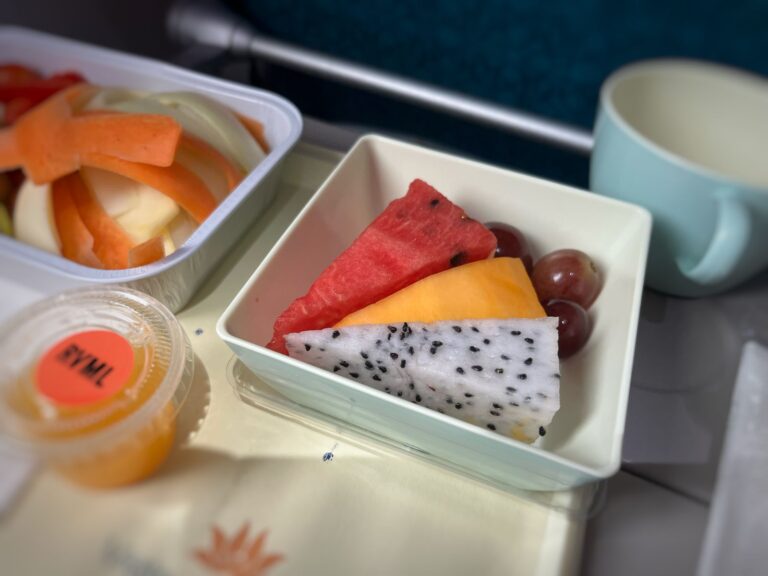
- Breakfast certainty: confirmed plant-based items, not just fruit beside a buffet of unknown sauces.
- Location: walkable or easy transport to food, sights, and your arrival point.
- Room practicality: quiet, accessible, air-conditioned, and suitable for your sleep needs.
- Flexibility: a cancellation deadline and payment schedule you understand in local time.
- Backup value: a second meal route, a nearby shop, and a plan if the kitchen or breakfast fails.

How can you compare vegan-friendly hotels?
Answer: Use a five-part comparison instead of sorting only by star rating or review score. Booking.com’s accommodation documentation lists filters for kitchen facilities, accessibility, parking, air conditioning, and meal plans, while its policy guidance makes clear that cancellation depends on the specific property and room rate. Use filters to build a shortlist, then verify the actual room and rate.
| Decision area | Good evidence | Warning sign |
|---|---|---|
| Food access | Confirmed menu, kitchen, grocery, or nearby vegan backup | “Vegan options available” with no example or date |
| Room facilities | Room-specific photos and written equipment list | “Kitchenette” that may mean only a kettle and microwave |
| Location | Exact address mapped to food, transport, and arrival route | “Central” with no walking times or street detail |
| Flexibility | Clear local-time cancellation deadline and payment terms | Non-refundable rate or vague “conditions apply” |
| Trust | Recent reviews mention the exact room, breakfast, and staff response | Old reviews, stock photos, or repeated complaints unanswered |
Give each shortlisted property a simple score from 0 to 2 for food, room, location, cost, flexibility, and trust. A cheap room that scores 0 for food and flexibility may cost more once you add taxis, restaurant meals, and a replacement booking.
How do you assess a hotel kitchen or kitchenette?
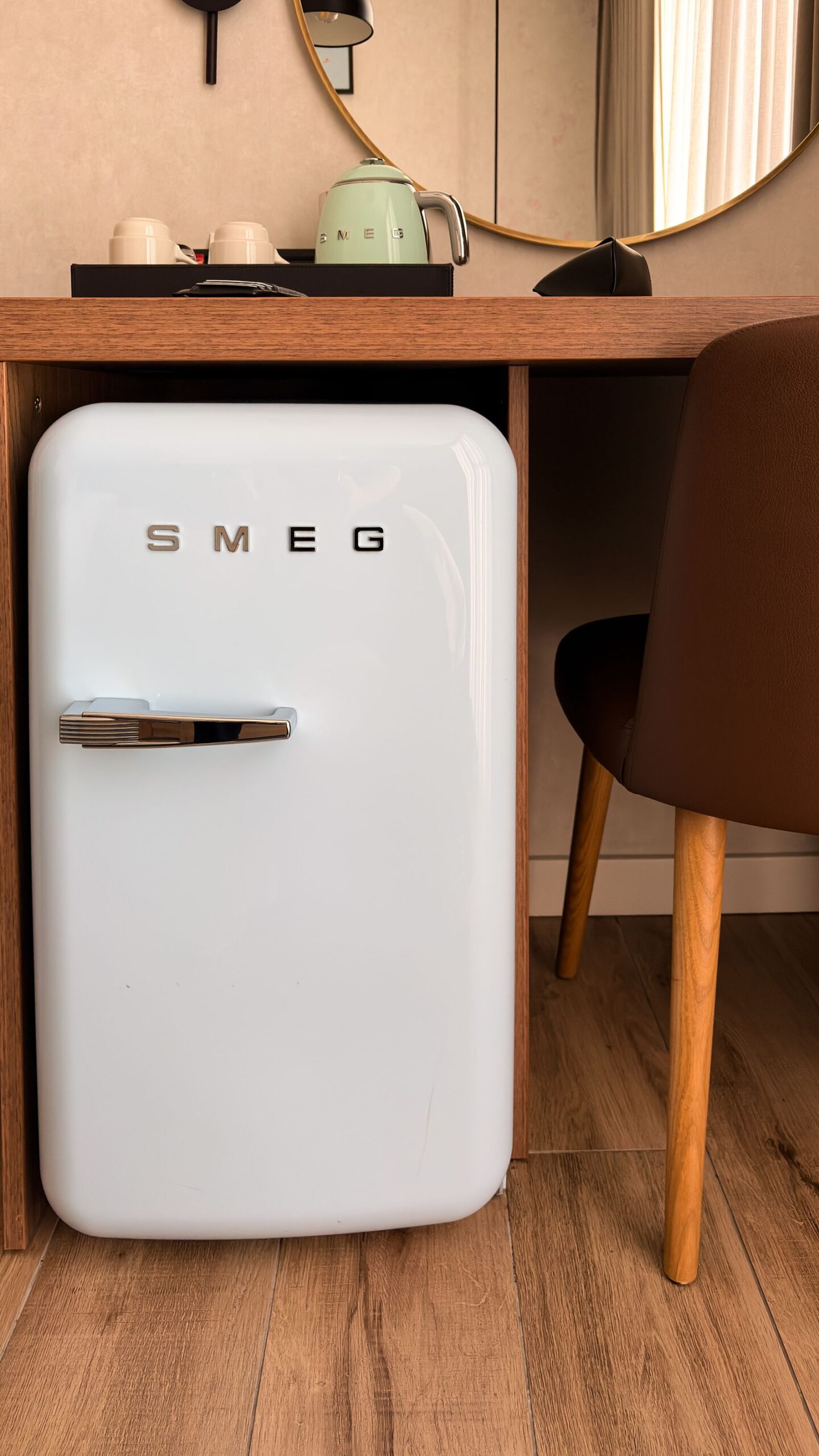
Answer: Never infer cooking access from the word “kitchenette.” Ask whether the room has a refrigerator, freezer compartment, hob, microwave, pans, knife, chopping board, plates, utensils, kettle, and cleaning supplies. A fridge and kettle support breakfast; a hob and cookware support actual meal independence. Confirm whether the equipment is private or shared.
Kitchen levels
- Full kitchen: hob or stove, refrigerator, cookware, sink, utensils, and food-preparation space.
- Basic kitchenette: fridge, microwave, kettle, and perhaps limited crockery.
- Breakfast setup: fridge or minibar and kettle, but no safe cooking surface.
- Shared kitchen: useful, but check access hours, cleaning, storage, and cross-contact.
- No kitchen: acceptable when food is abundant nearby and the cancellation plan is strong.
Questions that prevent disappointment
- Is the refrigerator full-size, and can guests use the freezer?
- Is there a hob, microwave, toaster, or only a kettle?
- Are pans, knives, chopping boards, plates, and utensils supplied?
- Can the hotel provide a mini-fridge if the room type does not include one?
- Can food be stored safely, and is there a shared-fridge label system?
- Are there restrictions on cooking, strong smells, or outside food?
For an allergy-sensitive trip, ask about cleaning and shared equipment rather than assuming a private kitchen is contamination-free. A room can be vegan-useful without being allergen-free.

How do you verify a vegan hotel breakfast?
Answer: Ask for named items, ingredients, and preparation details. “We have vegetarian options” is not a vegan confirmation, and “plant-based milk” does not tell you whether the cereal, bread, spread, pancakes, potatoes, or cooking surface are vegan. A reliable breakfast answer identifies at least two complete foods and the serving conditions.

What to ask about
- Oat, soy, almond, or other non-dairy milk, and whether it is kept separately.
- Bread, toast, jam, nut butter, cereal, granola, fruit, beans, mushrooms, and potatoes.
- Egg wash, butter, honey, milk powder, whey, gelatin, fish sauce, or animal stock.
- Separate toaster, pan, tongs, knives, and serving spoons.
- Whether a vegan plate can be prepared on request and at what time.
- Whether breakfast is included in your exact rate or sold separately.
Breakfast decision rule
If the hotel cannot name a reliable meal, do not pay a large breakfast supplement for the word “included.” Book the room if the location works, then map a café, grocery, or packed breakfast nearby. The travel-app guide explains how to save a food list and offline map before arrival.
What should you ask a hotel before booking?
Answer: Send one short written message with the dates, room type, dietary requirements, and questions that affect your decision. Written confirmation is easier to show at check-in and gives you a record if a call is misunderstood. Ask for facts, not a general “can you accommodate vegans?” promise.
Copy-and-send hotel message
Hello. I am considering booking [room type] from [date] to [date]. I eat vegan food and do not eat meat, fish, seafood, egg, dairy, honey, fish sauce, oyster sauce, shrimp paste, or animal stock. Could you confirm: (1) the exact kitchen or fridge equipment in this room, (2) two breakfast items that are vegan, (3) whether food is prepared separately, (4) the nearest grocery or suitable restaurant, (5) accessibility or quiet-room details I requested, and (6) the cancellation deadline in the property’s local time? Thank you.
When to contact the hotel directly
- The listing uses vague dietary language.
- You have allergies, mobility requirements, sensory needs, or medical equipment.
- The booking platform and hotel website show different facilities or rates.
- You need a late check-in, early breakfast, airport transfer, or luggage storage.
- The room photo does not show the equipment you need.
How to interpret the reply
A useful reply answers each question specifically and identifies the room or date. A vague reply is not a rejection; it is a signal to choose a more transparent property or to book with a stronger food backup.
How do you choose the right hotel location?
Answer: Choose location by the routes you will repeat, not by the city label. Plot the hotel, first meal, grocery, main activity, transport stop, and airport or station. A hotel that is 15 minutes farther from a landmark but beside reliable food may save more time and money than a “central” room that requires a taxi for every meal.
Map five points
- Arrival: airport, station, ferry, or bus terminal.
- Food: at least two meal options and one grocery or market.
- Activity: your main venue or sightseeing cluster.
- Transport: the real stop, pickup point, or parking entrance.
- Fallback: a route that still works if rain, fatigue, or closure changes the day.
Location trade-offs
- City centre: walkable attractions and late options, but more noise and higher rates.
- Residential district: better sleep and kitchens, but fewer late meals.
- Near the airport: useful for an early flight, poor for a food-led city break.
- Beach or island resort: scenic and calm, but limited grocery and restaurant depth.
- Transit hub: efficient for day trips, but check noise and accessibility.
Use the travel-updates checklist to refresh transport, opening hours, weather, and local rules before you lock in a remote property.
How should you check accessibility and room requirements?
Answer: Treat accessibility as a room-specific requirement, not a property badge. Booking.com’s accessibility statement advises travellers with questions about wheelchair access, walk-in baths, or similar needs to contact the service provider directly. Ask for measurements and route details when they matter: entrance steps, lift dimensions, bathroom layout, bed height, shower threshold, and distance to breakfast.
Ask for concrete details
- Step-free route from street to reception, lift, room, and breakfast.
- Door width, bathroom turning space, grab rails, shower or bath access.
- Bed height, room for medication or mobility equipment, and power sockets.
- Quiet-room location away from lifts, bars, road traffic, or kitchen equipment.
- Visual alerts, hearing support, service-animal rules, and emergency procedures.
- Whether the accessible room is guaranteed or only requested.
Do not rely on a photograph
Room photography rarely shows thresholds, noise, lighting, or the route from the room to breakfast. Save the hotel’s written reply and confirm again if the property changes your room type.
How do you compare the total cost of a hotel?
Answer: Compare the complete stay, not the headline nightly rate. Add taxes, resort or destination fees, breakfast, parking, transfers, cleaning, kitchen supplements, city tax, exchange-rate cost, and the meals or rides created by a poor location. A room with a slightly higher rate can be cheaper when it removes daily transport and emergency food spending.
| Cost line | Question | Why vegans should check it |
|---|---|---|
| Room rate | Is the displayed price per room, night, or guest? | Occupancy and meal plans can change the total |
| Breakfast | Is it included, optional, and genuinely usable? | An unusable buffet is not a food saving |
| Kitchen | Is equipment included or a paid upgrade? | Cooking access may decide the trip’s food budget |
| Transport | What will daily rides or parking cost? | A remote room can create a taxi-heavy itinerary |
| Flexibility | What deposit, deadline, tax, and fee apply? | Changing a food or ferry plan can otherwise become expensive |
Simple total-cost formula
Total stay cost = room + taxes and fees + breakfast + parking or transfers + realistic food and transport backup. Write the calculation before comparing properties. This is especially important for islands, festivals, remote national parks, and airport hotels.
How do hotel cancellation and payment terms work?
Answer: Read the exact rate conditions before paying. Booking.com explains that cancellation and prepayment policies vary by accommodation and room type, and its consumer guidance notes that refundable windows are often property-specific and may use the hotel’s local time. Treat “free cancellation” as a deadline to record, not a permanent promise.
Record these details
- Last date and exact local time for free cancellation.
- Whether the deadline is based on the property’s time zone.
- Deposit, prepayment, no-show, and partial-refund rules.
- Whether changing dates creates a new rate or cancels flexibility.
- Whether taxes, service fees, or booking fees are refundable.
- Who handles the cancellation: hotel, platform, or travel agent.
When flexible rates are worth paying for
Flexible rates are valuable when ferries, weather, visas, health, or a multi-stop route can change. They may not be worth the premium for a short city stay with fixed flights and several comparable properties. Compare the flexibility premium with the cost of a backup night.
How should you read hotel reviews as a vegan traveller?
Answer: Search reviews for operational evidence, not only stars. Booking.com says guest subscores can cover location, cleanliness, staff, comfort, facilities, value, and Wi-Fi. Look for recent comments about the exact room type, breakfast response, noise, lift, kitchen equipment, check-in, and how staff handled requests.
Useful review searches
- “vegan,” “plant-based,” “allergy,” “breakfast,” “oat milk,” and “kitchen.”
- “noise,” “quiet,” “lift,” “stairs,” “accessible,” and “bathroom.”
- “fridge,” “microwave,” “cooking,” “parking,” and “late check-in.”
- “closed,” “renovation,” “construction,” “changed,” and the current year.
Review limitations
One guest’s “vegan breakfast” may mean fruit and coffee; another’s may mean a cooked meal. Reviews can also refer to a different room, season, or management team. Use them to generate questions, then ask the property directly.

Should you book a hotel, apartment, hostel, or house sit?
Answer: The best accommodation type depends on how much food independence, privacy, and support you need. Hotels are convenient but may have limited kitchens; apartments offer more control but can have stricter check-in and cleaning rules; hostels reduce cost but add shared-equipment uncertainty; and house sitting can provide a kitchen but requires a different commitment and screening process.
| Accommodation | Best for | Check first |
|---|---|---|
| Hotel | Service, reception, predictable arrival | Breakfast, fridge, room-specific facilities, fees |
| Serviced apartment | Kitchen, longer stay, food independence | Equipment, cleaning, deposits, check-in, location |
| Hostel | Budget and social travel | Shared kitchen hygiene, storage, quiet hours, privacy |
| House sit | Home kitchen and longer stays | Screening, duties, dates, transport, and pet care |
If you are considering a house sit, compare the food and transport trade-offs in the TrustedHousesitters review before treating it as a hotel substitute.
How should you plan the arrival day?
Answer: Design the first evening so it works even if check-in is late, a flight is delayed, or the nearest restaurant is closed. Save a grocery or takeaway option, carry one meal or substantial snack, confirm luggage storage, and send your dietary note before arrival. This prevents a tired search for food in an unfamiliar area.
- Before departure: save the hotel address, check-in instructions, food list, and emergency contact offline.
- On the route: keep a snack, water, medication, and phone charger with you.
- At reception: confirm the room equipment, breakfast arrangement, and any food storage rules.
- Before dinner: verify opening hours and the route back to the hotel.
- If the plan fails: use your grocery, room, or no-cook backup rather than taking an unsafe food risk.
The vegan packing guide covers the physical backups that make a hotel plan more resilient.
What hotel-booking mistakes should vegans avoid?
Answer: The costliest mistakes are vague assumptions: assuming breakfast is vegan, a kitchenette can cook, a central address is convenient, or a flexible rate stays flexible after a date change. Turn every assumption into a written question and every important answer into an offline note.
- Booking by “vegan-friendly” label alone: ask for named dishes and preparation details.
- Confusing a kettle with a kitchen: request the complete equipment list.
- Ignoring the exact room type: facilities can vary within one property.
- Choosing the cheapest room far away: add daily rides, food delivery, and time.
- Skipping the cancellation deadline: record the local date and time immediately.
- Relying on old reviews: check the current menu, room photos, and hotel reply.
- Not confirming accessibility: ask for measurements and a guaranteed room type.
- Arriving without food: prepare a first-night backup before leaving home.
- Paying for unusable breakfast: compare the supplement with a nearby vegan meal.
Frequently asked questions
What makes a hotel vegan-friendly?
A vegan-friendly hotel gives clear answers about food, ingredients, breakfast preparation, room facilities, nearby food, and dietary communication. The label itself is less important than specific, current evidence.
Should vegans book a hotel with a kitchen?
A kitchen is especially useful for islands, rural areas, long stays, allergies, early departures, and destinations with uncertain food access. For a central city break, a fridge and reliable nearby food may be enough.
How do I know if hotel breakfast is vegan?
Ask for named items, ingredients, preparation surfaces, serving utensils, and whether the exact rate includes breakfast. Fruit and coffee alone may not be a complete meal for your trip.
What should I ask a hotel about allergies?
List every ingredient you avoid and ask whether the hotel can prevent cross-contact. Request a written reply, but remember that a hotel kitchen is not automatically allergen-free.
Is a hotel or apartment better for vegan travel?
Apartments usually provide more food control, while hotels provide reception, housekeeping, and easier arrival. Compare the actual kitchen, location, total cost, cancellation, and support rather than choosing by category.
Are flexible hotel rates worth the extra cost?
They can be worth it when transport, weather, health, visas, or multi-stop plans may change. Compare the flexibility premium with the cost of a backup room and the likelihood you will use the option.
How far should a vegan hotel be from restaurants?
Choose a route you can repeat when tired or carrying food, not simply the shortest map distance. Check the walk, hills, weather, late-night transport, and at least one grocery backup.
Can I request vegan food at any hotel?
You can ask, but a request is not a guarantee. Contact the property early, ask for named dishes and preparation details, and keep an independent food backup.
How do I compare hotel prices fairly?
Add room rate, taxes, fees, breakfast, parking, transfers, exchange costs, and likely food or rides caused by the location. Compare the total stay, not only the nightly headline price.
What should I do if the hotel does not honour the room or breakfast promise?
Show your written confirmation, ask for the duty manager, document the issue, and contact the booking platform promptly. Keep receipts and use your backup meal or room plan while the problem is resolved.
Final summary and key takeaways
A reliable hotel booking for vegan travel is a small research project. Compare real food access, room equipment, exact location, accessibility, total cost, reviews, and cancellation terms. Contact the property when the listing is vague, save the answer offline, and plan an arrival-day backup that does not depend on a perfect check-in or restaurant opening.
- Choose the hotel that solves your hardest daily constraint.
- Verify kitchens and breakfast with named details.
- Map food, grocery, transport, arrival, and backup routes.
- Ask accessibility questions at room level.
- Calculate the complete stay cost.
- Record the local cancellation deadline.
- Carry a first-night food backup.
Before you confirm, use the travel-app setup guide to save the hotel, food, and transport offline, then use the travel-updates checklist to refresh your plan before departure.
Sources and Verification
Checked 25 October 2026. Hotel facilities, breakfast menus, accessibility, prices, taxes, cancellation terms, and availability vary by property, room type, dates, and booking channel. Confirm the exact rate and room before paying.
- Booking.com accommodation filters for kitchen facilities, accessibility, parking, air conditioning, meal plans, and cancellation filters.
- Booking.com: How we work for review subscores, provider policies, payments, cancellation, and overbooking guidance.
- Booking.com cancellation guidance for refundable versus non-refundable rates and local-time deadlines.
- Booking.com accessibility statement for contacting the property directly about room-specific accessibility needs.
- Booking.com cancellation, deposit, and prepayment policies for examples of flexible and non-refundable structures.
- Always verify the hotel’s own current menu, room facilities, dietary policy, accessibility information, fees, and cancellation terms for your exact reservation.
Next step: shortlist three properties, send the same question message to each, score the answers, and book the stay that makes your food and arrival plan easiest to execute.