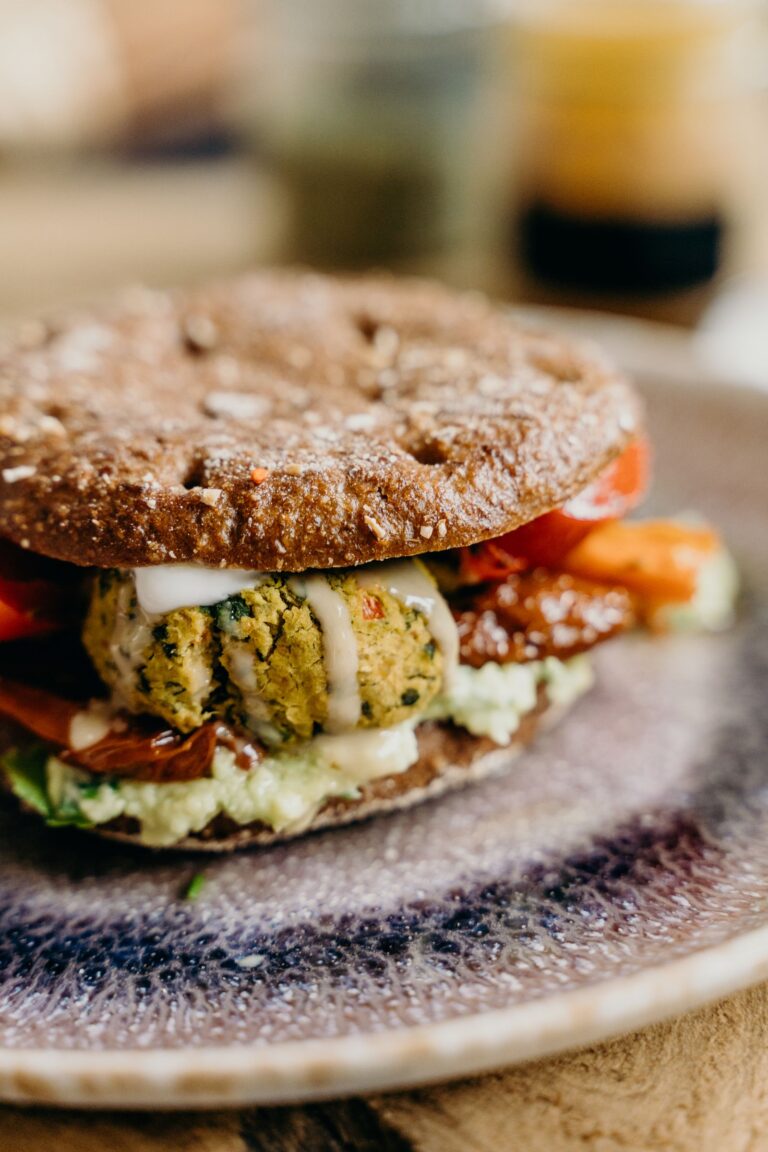
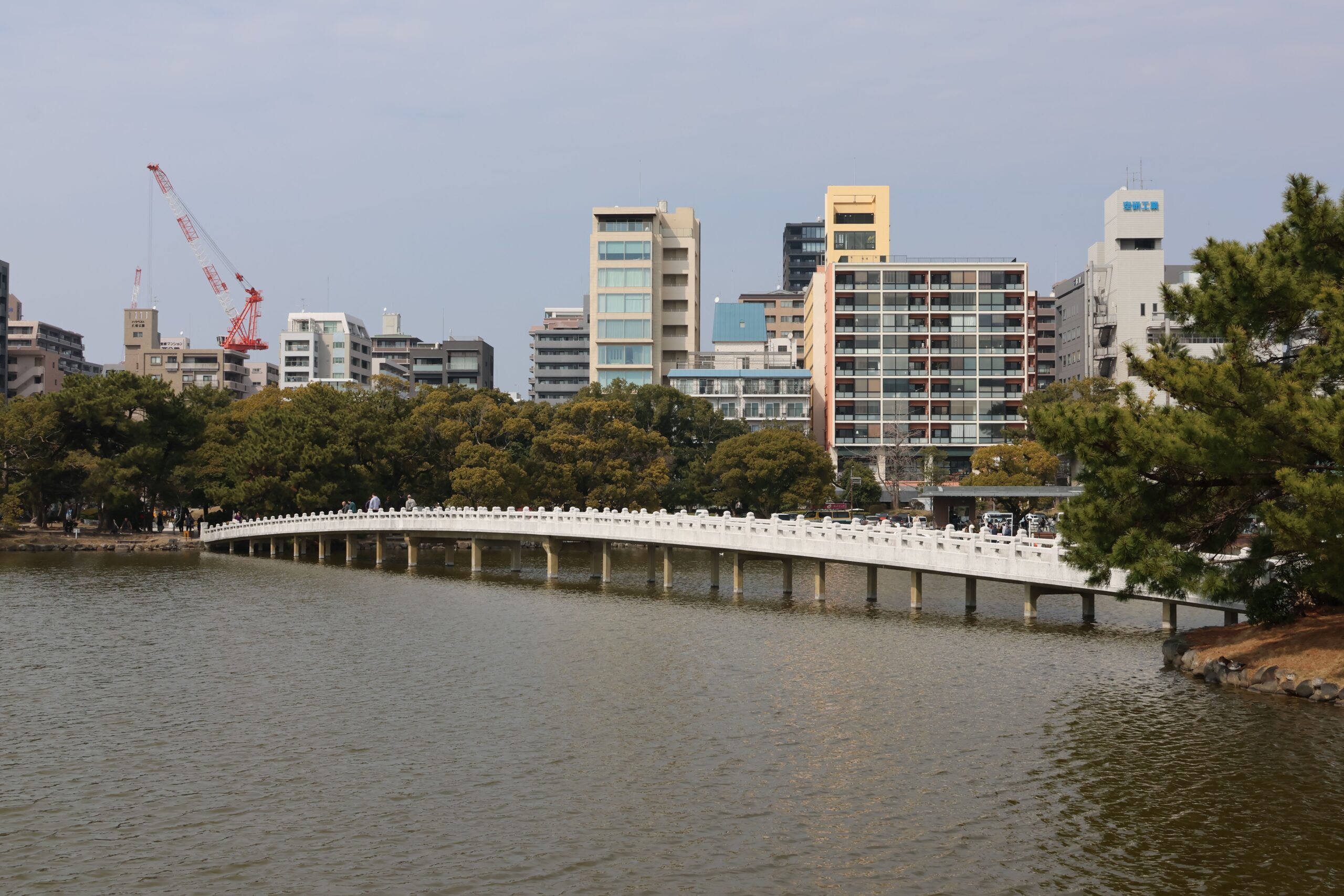
Kyushu Japan Vegan Travel Guide: Fukuoka, Beppu and Practical Routes
Updated 26 October 2026 · Practical field guide · Verify changing details before you travel
What you’ll find in this guide
Start with the route-shape comparison, then plan Fukuoka food time, Beppu and onsen stays, Japanese vegan-food checks, rail and buffer planning, and the booking checklist.
1. Choose the right Kyushu route
Kyushu is Japan’s large south-western island, not one walkable destination. Fukuoka, Beppu, Kumamoto, Nagasaki, Kagoshima and rural areas have different transport patterns and food access. A route that looks short on a map can involve a limited-express train, a local bus, stairs at a station and a long gap between shops.
For a first visit, decide which experience matters most. A city-and-food trip favours Fukuoka. A hot-spring break can add Beppu, but accommodation meals need advance discussion. A scenery route may include Aso or another rural area, where a packed meal and weather backup are sensible.
| Trip style | Good starting shape | Vegan-planning priority |
|---|---|---|
| Food and city time | 3–4 nights in Fukuoka | Current menus, groceries and a late-arrival meal |
| Fukuoka plus onsen | Fukuoka then 2 nights in Beppu | Ryokan/onsen meal confirmation and return transport |
| Scenery and countryside | One regional base after Fukuoka | Food packed before leaving the city |
| Many Kyushu cities | Only with generous transfer days | Luggage, reservations and a meal at every change |
2. Use Fukuoka as your food base
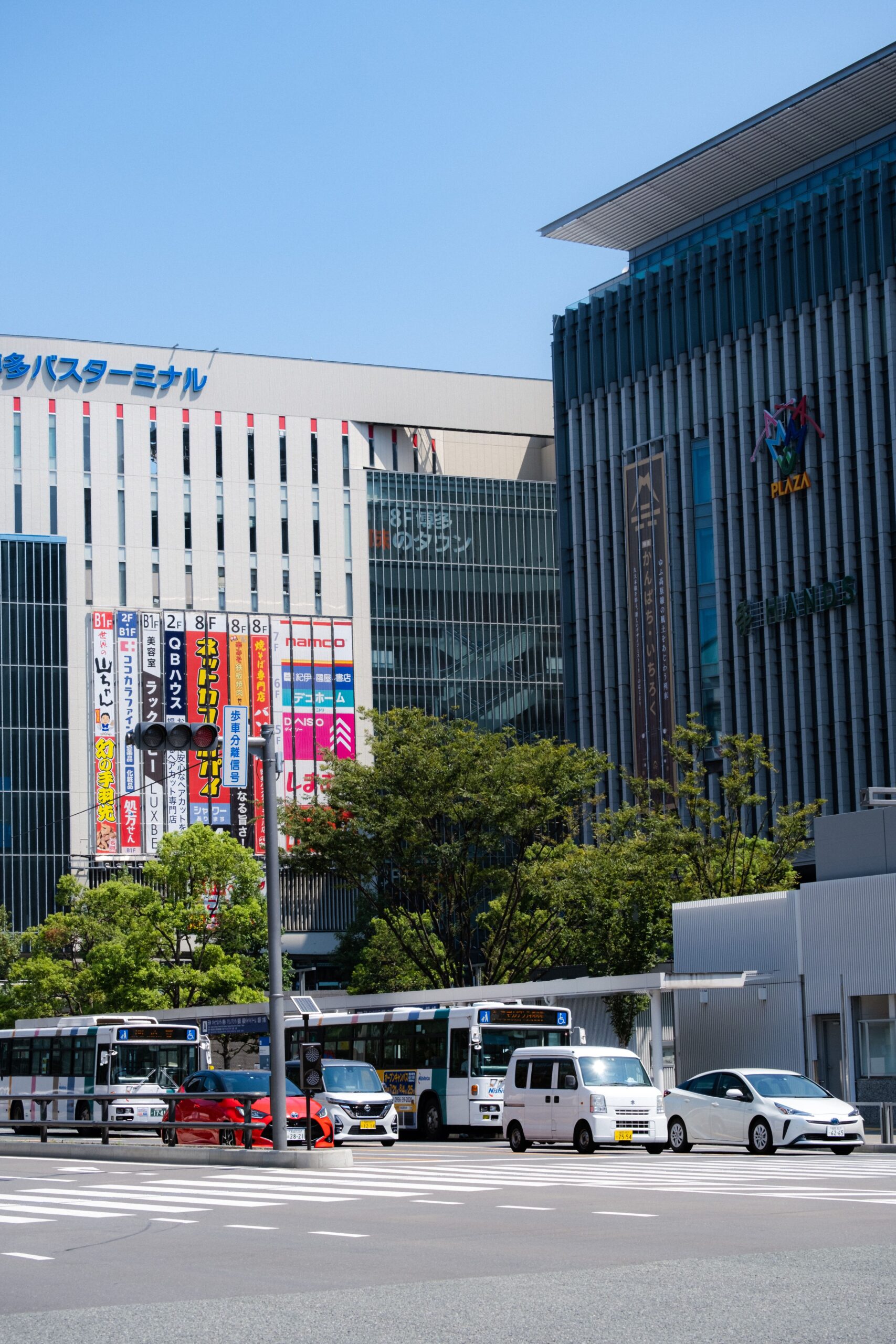
Fukuoka is a practical start or finish because Hakata is a major rail hub and the city has more restaurants, supermarkets and accommodation choices than a small hot-spring town. The Fukuoka City official tourist guide currently highlights vegan, vegetarian and mixed restaurants, including some venues with clearly described vegan menus. Treat that as a useful starting list, not a guarantee: menus, opening hours and kitchen practices change.
Choose a neighbourhood based on the rest of your day. Hakata is convenient for trains and airport connections; Tenjin and Daimyo are useful for central city exploring; the waterfront and western districts can make sense if that is your main activity. Before booking, check the walking route, luggage access and what is open after arrival.
How to choose a vegan meal in Fukuoka
- Prefer a venue with a current menu and a clear statement that the dish is vegan.
- Ask about dashi, bonito, fish sauce, egg, dairy, meat-based seasoning and shared fryers.
- For an important meal, message the venue in advance and save the reply.
- Keep one supermarket or convenience-store backup near the hotel.
3. Plan Beppu and the onsen days
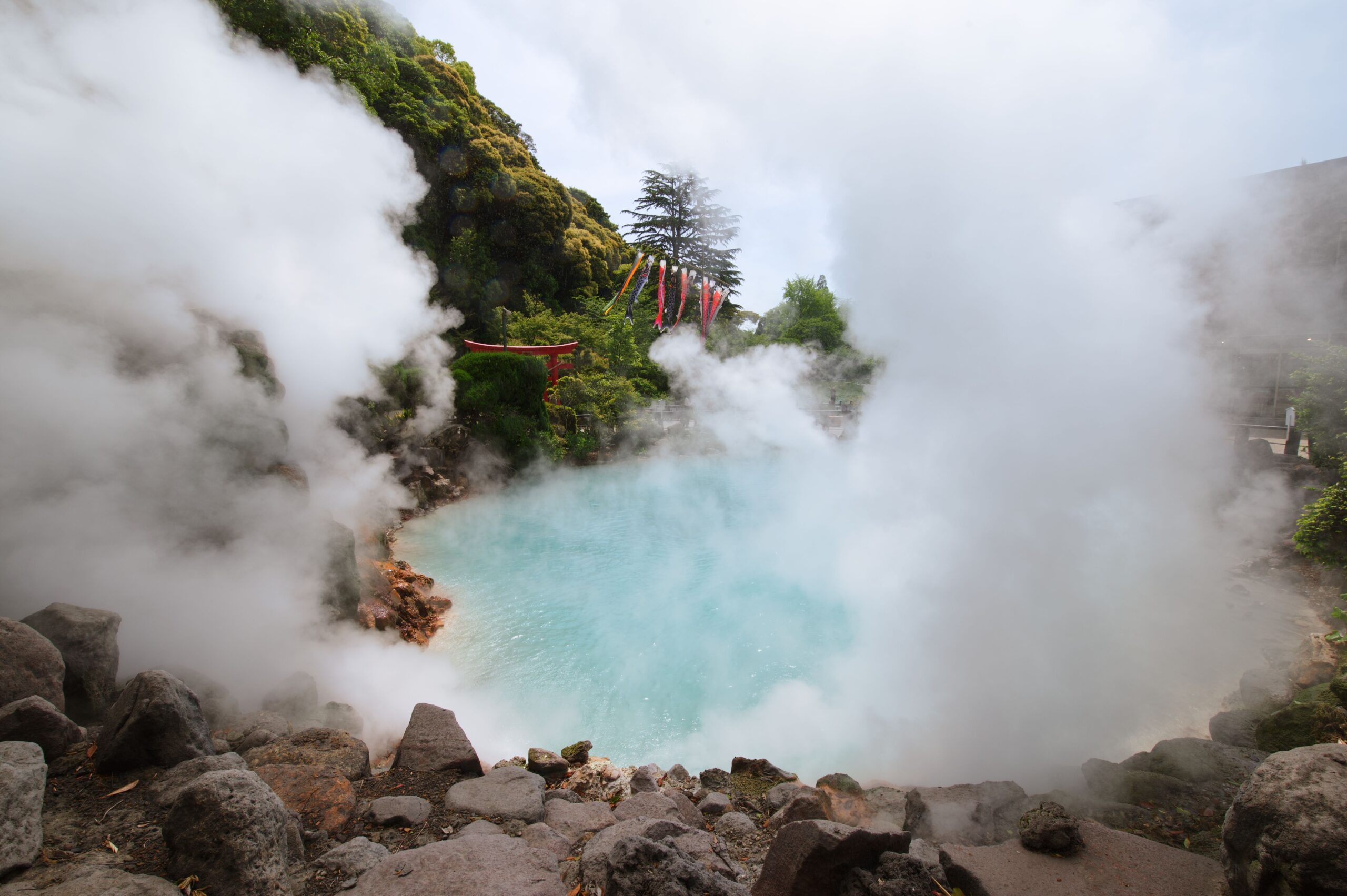
Beppu is famous for its hot springs and its eight onsen areas. The Japan National Tourism Organization’s Beppu Onsen guide describes public baths, sand baths and nearby onsen experiences, while Visit Oita’s car-free itinerary shows that Beppu and Yufuin can be approached without assuming a car.
Beppu is not automatically easy for vegan dining. A ryokan may serve a fixed multi-course menu, and “vegetarian” may still include fish stock, egg or dairy. Ask the property exactly what it can provide, how much notice it needs, whether breakfast is included, and what is open nearby. If the answer is uncertain, book room-only accommodation close to food or choose a property with a kitchen or refrigerator.
For a relaxed day, visit one or two onsen areas rather than trying to collect every attraction. Confirm bathing rules, tattoo policies, towel arrangements, steps and bus connections. Keep dinner near your accommodation if you have an early train the next morning.
4. Verify vegan food in Japan
Japan’s vegetarian and vegan vocabulary is improving, but labels are not interchangeable. The JNTO vegetarian and vegan guide explains that official stickers and specialist organisations can help, while still encouraging travellers to communicate clearly.
Ask about stock
“Is there fish, bonito or animal-based dashi in the soup, sauce or rice?”
Ask about the whole dish
Check egg, dairy, meat, seafood, honey and hidden ingredients, not only visible toppings.
Ask about cross-contact
For allergies, discuss shared pans, fryers and utensils separately from vegan preference.
Carry a short written Japanese dietary note and a translation tool, but use them as support rather than proof that a kitchen has understood. If staff cannot answer a key question, choose sealed food or a venue with current, specific information. Never present a mixed or plant-forward restaurant as fully vegan without confirmation.
5. Use trains, passes and buffers
JR Kyushu’s official site lists current trains, reservations and passes. The Limited Express Sonic is the relevant official reference for the Hakata–Beppu corridor, and the JR Kyushu Rail Pass page explains the Northern, Southern and All Kyushu areas. Coverage, prices, eligibility and reservation rules can change, so compare the live official page with your exact dates.
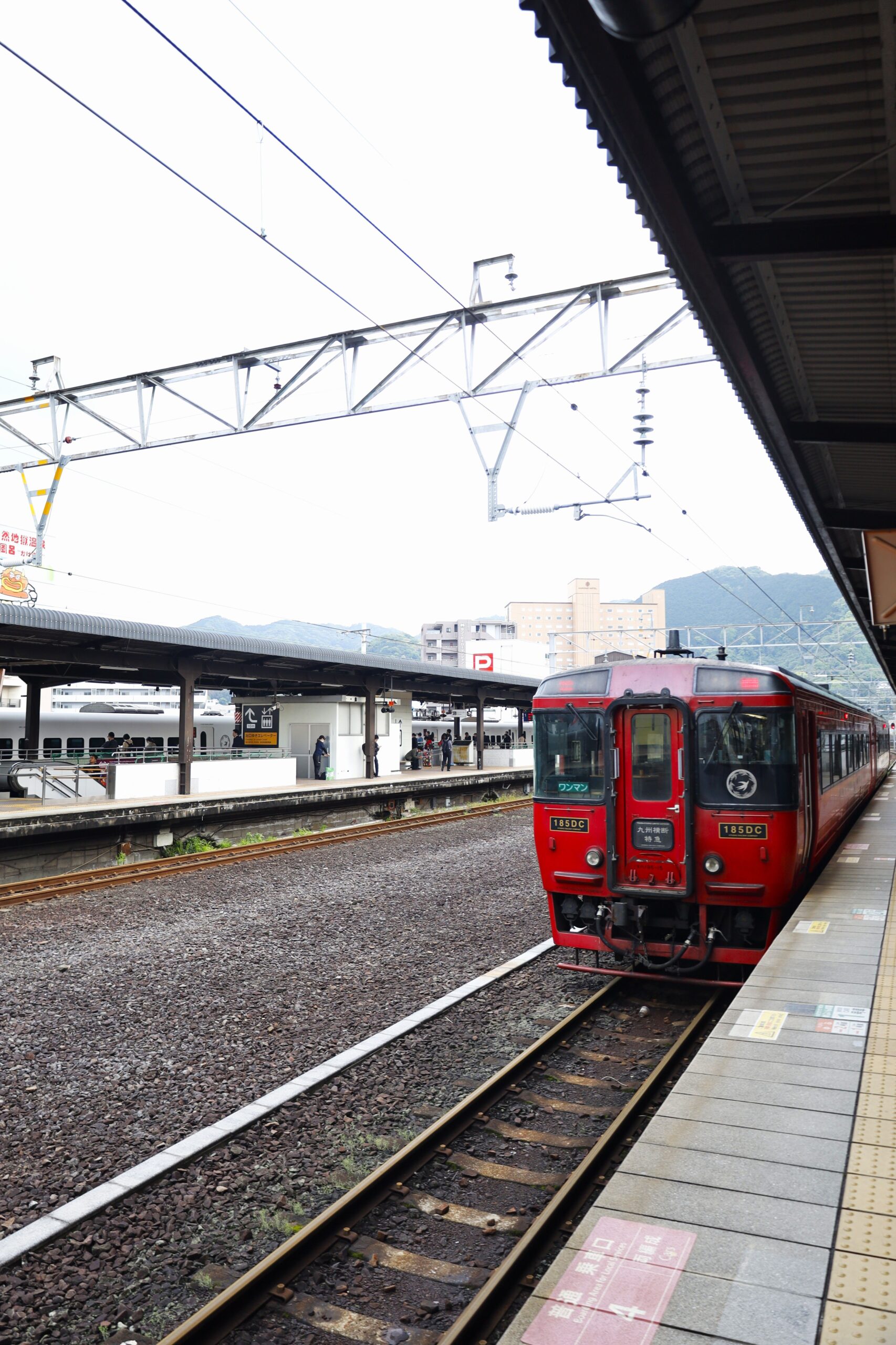
Do not book a restaurant immediately after a tight connection. Allow time for platforms, luggage, stairs, missed trains and finding the correct bus stop. Save tickets, maps, hotel details and food backups offline. A rail pass is a calculation, not a requirement: compare its live price and coverage with the individual journeys you actually need.
6. Three practical route shapes
| Route | Best for | Food and transport note |
|---|---|---|
| Fukuoka only, with day trips | First visit or short break | Highest flexibility; return to the same food base each night. |
| Fukuoka → Beppu → Fukuoka | City plus onsen | Use the Sonic corridor; confirm Beppu dinner and breakfast before paying. |
| Fukuoka → Beppu/Yufuin → Aso or another regional stop | Slower scenery trip | Pack meals, check local buses and keep a weather alternative. |
For most vegan travellers, the second shape is the easiest balance. Add a third base only when you have checked the exact transport and food plan for that stop.
7. Weather, seasons and regional days
Kyushu can be hot, humid, rainy or affected by storms depending on the season and location. Check the Japan Meteorological Agency forecast and local operator notices close to travel. Weather can close a trail, delay a bus or turn a scenic day into a food-and-museum day.
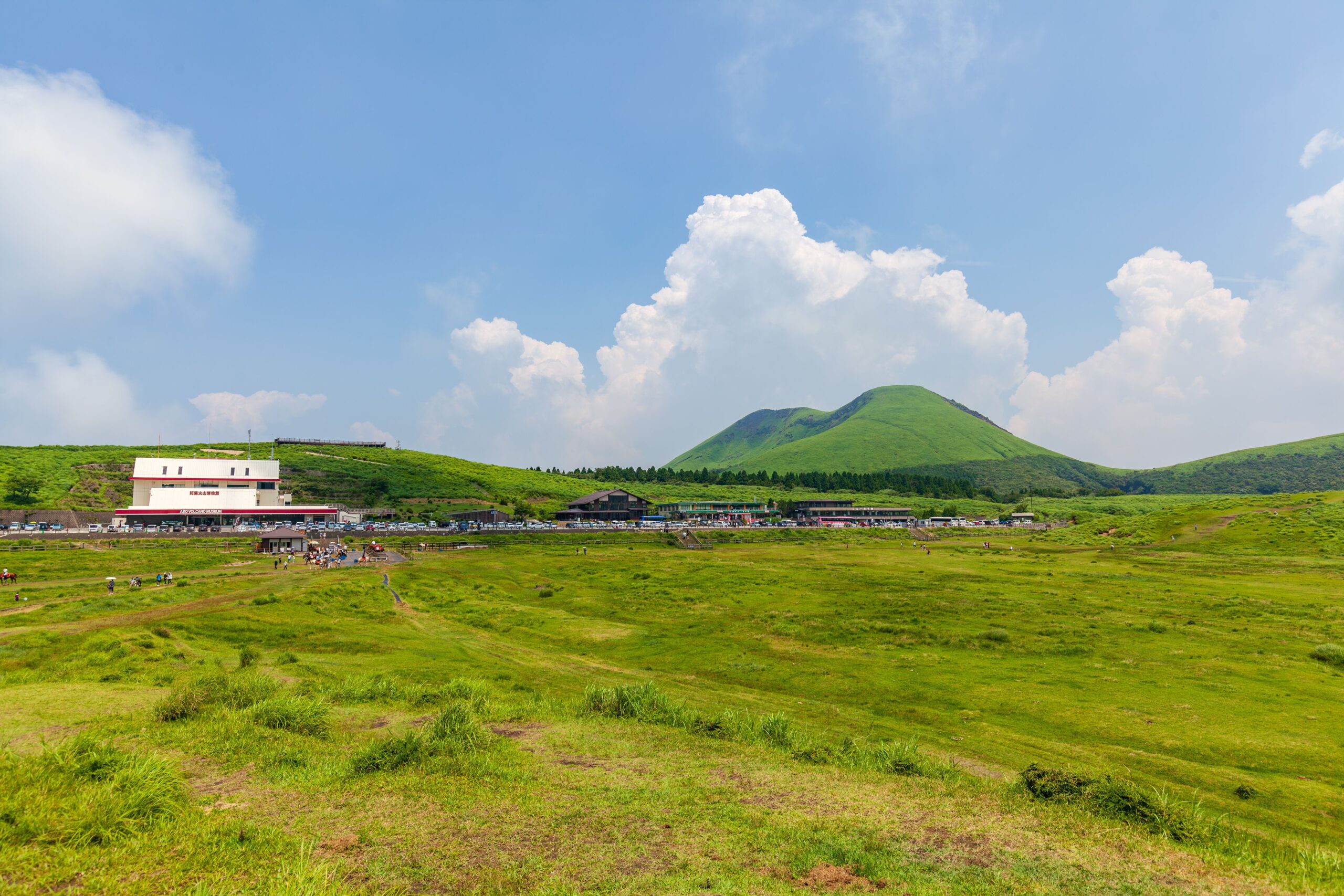
On an Aso or rural day, eat before leaving the city, carry water and snacks, and check whether the attraction, bus and nearby shops are open on your date. Do not assume a viewpoint or onsen town has a vegan meal available when you arrive.
8. A comfortable seven-day outline
- Days 1–2: Fukuoka. Arrive, settle near your transport route, and try one confirmed vegan meal. Keep the first evening simple.
- Days 3–4: Beppu. Travel after breakfast, check in, and enjoy a modest onsen plan. Use a pre-arranged meal or your own backup.
- Days 5–6: one regional day or overnight. Choose scenery only after checking weather, buses and food. Pack lunch.
- Day 7: return and depart. Leave a buffer for the airport or next city. Do not put a distant restaurant between your hotel and departure.
Shorten the route before you add stress. Fewer bases usually mean more time for food, rest and local experiences.
9. Booking and packing checklist
- Confirm the hotel’s vegan meal policy, notice period and late-arrival options in writing.
- Save a current menu, restaurant address, opening hours and one nearby backup.
- Check the exact JR service, reservation requirement, pass coverage and luggage plan.
- Pack sealed snacks, breakfast for early departures, water and a small waste bag.
- Carry a Japanese dietary note; list allergies separately from vegan preference.
- Check weather and operator notices again 24–48 hours before a regional day.
- Keep cash and a working data connection for rural buses and last-minute changes.
10. Sources and verification
Checked 26 October 2026. Official sources were used for transport, tourism and general travel guidance. Structural comparison reviewed JapanTravel, Visit Fukuoka, Kyushu Journeys, Hey Roseanne, and Rakuten Travel for route framing, venue specificity, itinerary structure, and verification cues; wording and claims were not copied. Restaurant status, menus, prices, hours, pass products and accommodation policies are time-sensitive and are not guaranteed by this article.
- Fukuoka City Official Tourist Guide: vegetarian-friendly fare.
- JR Kyushu: Limited Express Sonic and JR Kyushu Rail Pass.
- Visit Oita: car-free Beppu and Yufuin itinerary.
- JNTO: Beppu Onsen and JNTO: vegetarian and vegan guide to Japan.
- Japan Meteorological Agency for current forecasts and warnings.
11. Related vegan travel guides
Bottom line: Base yourself in Fukuoka for dependable choices, add Beppu when the accommodation and meal plan are confirmed, and treat every rural or weather-sensitive day as a packed-food, buffer-first journey.