What to Do When a Vegan Order Goes Wrong
Short answer: Stop eating as soon as you notice the problem. Decide whether it is an ordinary vegan-order error or a possible allergy emergency, then tell staff exactly what you ordered and what appears wrong. Ask for a verified fresh remake, a clearly identified alternative, removal from the bill, or a refund. If an allergy may be involved, follow your medical plan and seek urgent help before discussing the complaint.
Updated 27 October 2026. Restaurant policies, consumer remedies, food labeling rules, and reporting routes vary by country, so verify the local rules that apply to the purchase.
What you’ll find in this guide
Separate a vegan mistake from a medical risk · Use the decision table · Document delivery problems · Write a fair complaint · Use situation-specific scripts · Read the FAQs
Direct answer: what should you do when a vegan order goes wrong?
You do not need to prove bad intent, debate veganism, or inspect the entire kitchen. Your immediate goals are to protect your health, prevent another bite, communicate the specific mismatch, and decide whether the business can credibly correct it. This guide complements the wider vegan restaurant guides for travel cluster and does not claim first-hand testing of any restaurant, delivery platform, dish, or complaint process.
Is this a vegan order mistake or a medical risk?
A vegan mistake and an allergic reaction can involve the same ingredient, but they require different responses.
A diner may reject dairy, egg, meat, fish, honey, or another animal-derived ingredient for ethical reasons without having an allergy. That mistake still matters: the food is not what was requested or represented. However, the correct response is normally to stop eating, notify the business, and seek a replacement or refund.
A person with a diagnosed food allergy faces a potentially urgent medical risk. A “vegan” label does not automatically mean a food is free from milk, egg, fish, shellfish, or other allergens. The UK Food Standards Agency explains that vegan labeling describes intentional ingredients, while cross-contact can still occur. The U.S. FDA explains that food-allergy controls and labeling address allergen hazards separately. People with allergies should check allergen information separately and follow professional medical advice.
If you develop symptoms that may indicate anaphylaxis or another serious reaction, use your prescribed emergency medication according to your medical plan and contact emergency services. Do not wait for a manager, receipt, ingredient list, or refund discussion before seeking help.
What should you do first? A quick decision table
The best option depends on certainty, hunger, time, medical needs, and the restaurant’s response. A remake is not automatically the safest choice if staff remain confused about the original error.
What should you do in the first five minutes?

1. Stop eating and keep the plate intact
Put down the food as soon as something seems wrong. Continuing to eat while investigating makes it harder to limit exposure and can complicate a factual complaint. Do not remove every suspicious component before speaking to staff. Leaving the plate substantially intact helps the business see what was served.
If you are traveling with other people, ask them not to taste the questionable food on your behalf. Their opinion may not establish the ingredients, and sharing food can blur what happened.
2. Check the simplest explanation
Before assuming the worst, look for information already available:
- Does the receipt show the correct item and modification?
- Is there a label, flag, sticker, handwritten note, or meal code?
- Could the unfamiliar item be a plant-based substitute?
- Did two diners receive each other’s plates?
- Does the menu describe a garnish, sauce, or side that was easy to miss?
This is not an instruction to talk yourself out of a legitimate concern. It is a quick way to make the conversation precise. “I ordered the vegan burger without cheese, but the receipt shows the standard burger” identifies a different failure from “the receipt is correct, but this slice appears to be dairy cheese.”
3. State the problem without guessing
Use observable facts:
I ordered the vegan version, and this dish appears to contain cheese. Please take it back and check the ticket and ingredients before remaking it.
If you do not know what the item is, say so:
I cannot identify this sauce, and I need to confirm whether it contains dairy, egg, fish sauce, meat stock, or another animal-derived ingredient before I eat it.
Avoid claiming that a food definitely contains an ingredient unless you have confirmation. Visual appearance alone can be misleading because plant-based meats, cheeses, creams, and egg substitutes are designed to resemble animal-derived products.
4. Clarify whether allergy procedures are required
If an allergy is involved, say “allergy,” name the allergen, and explain the required precautions. Do not rely only on “I’m vegan.” Staff may interpret vegan as a preference and may not activate the restaurant’s allergen process.
A useful statement is:
I have a milk allergy, not only a vegan preference. Please involve the person responsible for allergen information and tell me whether a safe replacement can be prepared without cross-contact.
The restaurant may be unable to guarantee an allergen-free meal. That answer may be disappointing, but it is more useful than false confidence. Choose another option or leave if the risk cannot be managed.
5. Ask for one clear remedy
Choose the remedy you actually want:
- A fresh remake with the order read back
- A different, simpler dish
- A sealed item with an ingredient label
- Removal of the dish from the bill
- A refund to the original payment method
- Cancellation of the remaining order
Do not accept a replacement merely because it is offered. If confidence has been lost, a refund or simpler alternative may be more appropriate.
How to Ask for a Credible Remake
A remake should be new food, not the same plate with cheese, meat, egg, or another ingredient picked off. Removal does not reverse contact with sauces, melted ingredients, cooking surfaces, utensils, or crumbs. This is especially important for allergies, but it also matters when the corrected dish is supposed to match a vegan order.
Ask the staff member to confirm:
- The exact menu item and required modification
- Which ingredients were wrong in the first dish
- Whether a new ticket will be sent to the kitchen
- Whether the new dish will be made from the beginning
- Whether the sauce, garnish, bread, dressing, and sides are included in the check
- Whether allergy cross-contact procedures are available, if medically relevant
A short read-back prevents another vague request. For example:
Please remake the bean tacos with no cheese, no sour cream, and no animal-based sauce. Could you confirm whether the tortillas, beans, and rice are prepared without animal fat or stock?
Do not create an endless interrogation if the venue cannot answer. An inability to verify is itself decision-useful information.
What to Do When You Already Ate Some
Accidentally eating an animal-derived ingredient can be upsetting. The practical response is to separate health, evidence, and emotion.
Address health first
If you have a diagnosed allergy, follow your clinician-provided plan. Serious symptoms require urgent medical attention. If you are unsure whether symptoms are medically significant, contact an appropriate medical service rather than seeking reassurance from restaurant staff or social media.
Food poisoning is a separate issue from whether a dish was vegan. If illness develops, follow local public-health advice and seek medical care when symptoms are severe, persistent, or associated with higher-risk circumstances.
Record what you know
Write down:
- Restaurant name and location
- Date and approximate time
- Ordered item and requested modification
- What the receipt or app shows
- What was served
- What staff later confirmed
- Names or roles of staff, if voluntarily provided
- Photos of the plate, label, packaging, and receipt
- Any symptoms and medical care received
Keep the account factual. “The server said the sauce contained butter after I had eaten two bites” is stronger than “they poisoned me on purpose” when intent is unknown.
Give yourself permission to be upset
For many vegans, accidental consumption is not merely a disliked flavor. It may conflict with a deeply held ethical commitment and can cause disgust, guilt, anger, or loss of trust. The mistake does not mean you intentionally abandoned your values. Focus on the next safe decision rather than punishing yourself for information you did not have.
When the Staff Response Is Good
A constructive response usually includes several of these behaviors:
- The food is removed promptly.
- Staff listen without debating whether the ingredient “really matters.”
- The ticket and recipe are checked.
- A manager or kitchen lead becomes involved when needed.
- The error is explained without inventing certainty.
- A fresh dish is offered only when it can be prepared credibly.
- The incorrect item is removed from the bill or refunded when appropriate.
- Staff consider how to prevent the same ticket or labeling mistake.
You can accept a sincere correction without minimizing the error. If the restaurant handles the incident responsibly, factual feedback can acknowledge both the mistake and the recovery.
Warning Signs That a Remake May Not Be Reliable
Consider declining another dish when:
- Staff repeatedly confuse vegan with vegetarian.
- They suggest scraping, rinsing, or picking the ingredient off.
- Different employees give incompatible ingredient answers.
- Nobody can identify the sauce, stock, bread, or garnish.
- The original ticket did not record the modification.
- Staff dismiss an allergy as a preference.
- A plate returns suspiciously quickly and looks rearranged rather than remade.
- The kitchen is closing and staff say they cannot start again.
- Communication is too limited to establish what will be prepared.
Leaving can be the most sensible decision. Pay for items that were correctly supplied, request correction of the disputed charge, and move to your backup meal.
The Vegan Travel Checklist can help you prepare portable food and arrival-day alternatives before a trip. A backup is not an admission that restaurants cannot be trusted; it is protection against ordinary operational failures.
Handling Common Types of Mistake
Dairy cheese appears on a vegan dish
Do not assume a slice or sprinkle is dairy solely from appearance. Ask staff to identify it and check the kitchen ticket. If it is dairy, request a completely fresh dish rather than removal, especially when melted cheese has contacted the food.
If milk allergy is involved, explain the allergy explicitly and ask whether the venue can manage cross-contact. Vegan cheese can also contain allergens such as nuts or soy, so “plant-based” does not answer every allergy question.
A plant-based burger looks like meat
Modern substitutes can closely resemble meat. Check the marker, packaging system, skewer, plate position, and staff confirmation. Ask how the kitchen distinguishes patties. Do not rely on color alone.
If staff cannot distinguish the products after cooking, choose another dish. The guide to ordering safely at a mixed-menu restaurant explains how to verify patties, fryers, toppings, and modifications before ordering.
The soup, beans, rice, or sauce contains hidden animal ingredients
The visible dish may be plant-based while a component uses stock, fish sauce, shrimp paste, lard, butter, cream, egg, gelatin, or another animal-derived ingredient. Ask about components rather than requesting a single yes-or-no judgment.
If the menu description or staff originally represented the item as vegan, ask the business to correct the menu, staff notes, or ordering system. The immediate refund matters, but preventing repetition may matter more.
The drink contains dairy milk
Stop drinking and keep the cup label. Coffee and bubble-tea orders often involve several handoffs. Ask whether the remake will use a new cup and clean equipment appropriate to the stated need. For a severe milk allergy, shared steam wands, jugs, blenders, and splash contact require a separate risk assessment.
The side dish was cooked with animal products
A vegan main can arrive with fries cooked in shared oil, vegetables finished with butter, bread brushed with egg, or rice cooked in stock. Shared equipment is an individual vegan decision when no animal ingredient is deliberately added; an allergy makes it a medical question. State your standard before the remake so the restaurant does not solve the wrong problem.
The delivery order belongs to someone else
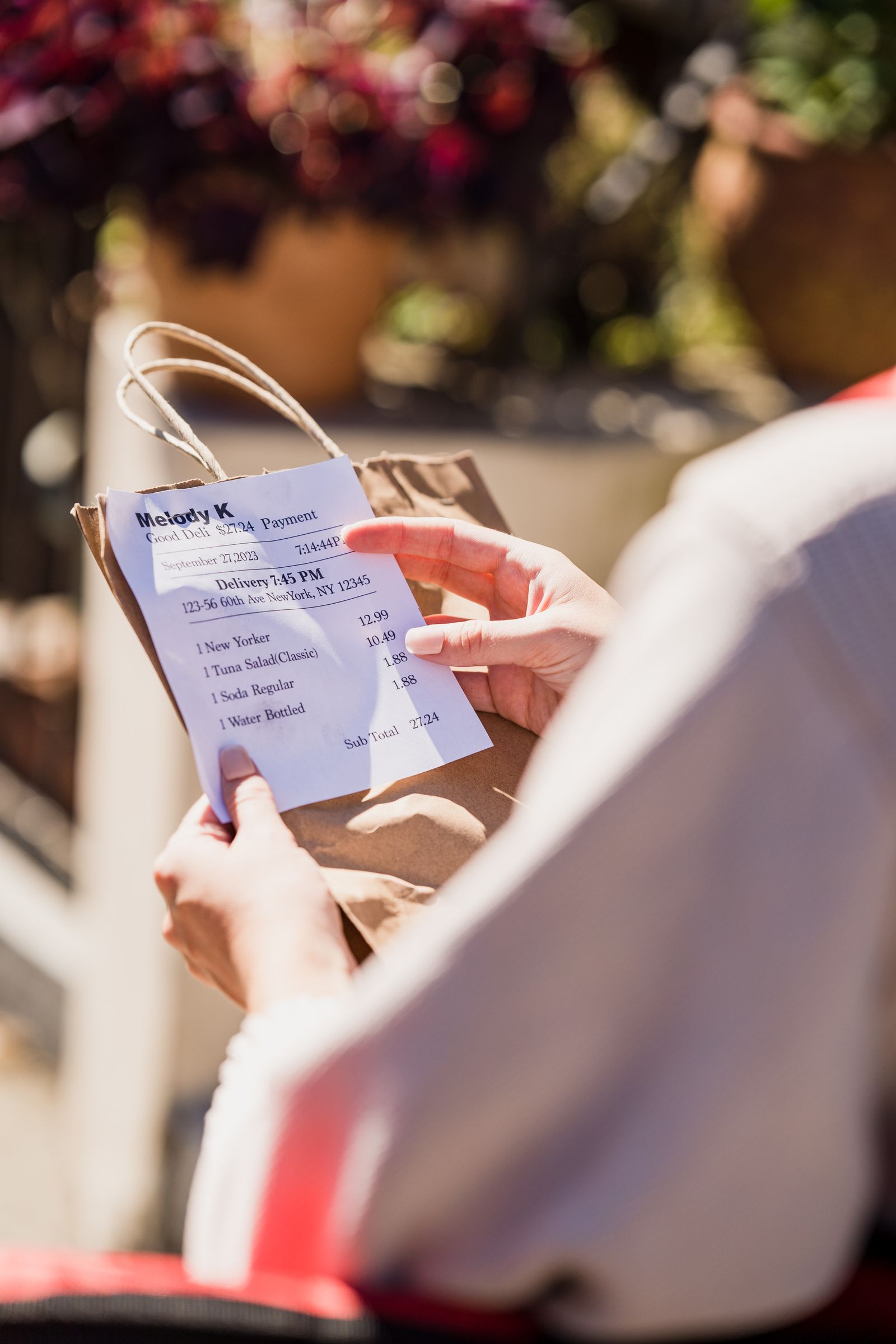
Do not eat an item simply because it may be vegan. Verify the name, order number, tamper seal, and contents. Contact the restaurant or platform through the order record. Keep photos of the external bag, internal labels, receipt, and food.
Delivery drivers may not be authorized to issue refunds or take food back. Use the platform’s support channel, but contact the restaurant directly as well when ingredient safety needs an immediate answer.
Delivery and Takeaway: Build a Strong Evidence Trail

Delivery complaints are easier to resolve when the evidence shows both the request and the result.
Capture:
- The menu listing and vegan label
- Selected modifications
- Checkout confirmation
- Digital receipt
- Bag seal and labels
- The incorrect item before alteration
- Support messages and case number
Use concise language:
I ordered the item shown as vegan and selected “no dairy cheese.” The receipt records that request, but the delivered dish contains cheese that the restaurant has confirmed is dairy. I am requesting a refund for the incorrect item.
Do not threaten a public campaign to obtain a routine refund. Escalate through the documented process and retain the response. If a platform offers credit instead of a refund, read the applicable terms and decide whether that is acceptable to you.
When and How to Complain in Writing
A written complaint is useful when the immediate response was incomplete, the charge remains unresolved, the menu may mislead other diners, or the incident involved a serious allergen failure.
Include:
- Purchase date, location, order number, and amount
- Exact item and representation
- Exact modification requested
- What was received
- What staff confirmed
- What remedy was offered
- What resolution you want
- Relevant photos and receipts
Keep the request proportionate. Suitable outcomes can include a refund, written clarification, correction of a menu label, retraining, or confirmation that an ordering-system issue was fixed.
Avoid publishing an employee’s personal information. Describe roles where possible. Do not state that a business committed a crime, deliberately deceived you, or caused a medical condition unless competent evidence supports that claim.
Should You Leave a Review?
A review can help other diners when it is specific, current, and fair. Wait until the business has had a reasonable chance to respond unless an urgent public-safety issue requires a different route.
A useful review distinguishes:
- What you ordered
- What arrived
- How the problem was verified
- How management responded
- Whether a replacement or refund was provided
- Whether you would trust the process again
Avoid broad claims based on one event. “My order on 12 September included dairy cheese despite the no-cheese modification shown on the receipt; the manager refunded it but could not explain the ticket error” is more useful than “nothing here is vegan.”
Update the review if the business later resolves the issue. Do not offer to remove a truthful review in exchange for money beyond an ordinary refund.
When to Report the Incident Beyond the Restaurant
Most wrong orders are service failures resolved with the business. External reporting may be appropriate when there is evidence of misleading labeling, an unresolved allergen-information problem, repeated misrepresentation, food-safety concerns, or a serious reaction.
The correct authority depends on location. Possibilities include a local food-safety team, environmental health department, consumer protection agency, trading standards service, or the delivery platform’s safety team. Use an official government directory rather than sending sensitive information to an unofficial complaint website.
In the United Kingdom, the Food Standards Agency provides routes for understanding food labeling and finding local food-safety contacts. In the United States, food-service oversight is usually local or state-based; the FDA generally regulates packaged food labeling, while restaurants often fall under state and local authorities.
Report facts, attach evidence, and explain whether the issue concerns allergens, labeling, hygiene, illness, or payment. Different departments handle different problems.
Preventing the Next Error Without Blaming Yourself
The business remains responsible for supplying what it accepts as an order. Still, a few habits can reduce ambiguity.
Read the entire menu description
Look beyond the item title. Sauces, buns, toppings, dressings, stock, and sides can change the status of a dish. The menu-reading guide provides an ingredient-by-ingredient workflow for unfamiliar menus.
Ask one complete question
Instead of making several scattered modifications, summarize the requirement:
I need this prepared without meat, fish, dairy, egg, honey, animal stock, and fish sauce. Which listed dish can the kitchen verify?
Adapt the list to the cuisine. A translation card can help, but it does not replace an ingredient discussion. See How to Say “I’m Vegan” in Another Language for a fuller communication method.
Ask for the order to be read back
At a counter, listen for the exact item and modifications. In an app, review the basket before paying. Save the digital receipt until the meal is finished.
Prefer positive menu choices over complex subtraction
A dish designed as vegan is often easier to execute than a non-vegan dish with five removals and two substitutions. This does not guarantee correctness, but it reduces handoff complexity.
Use meal anchors and backups
When the meal is time-critical, choose a venue whose current menu clearly supports the order and keep a second option nearby. The guide to building an itinerary around meals explains how to place dependable food around transport, tours, and closing times.
A Script for Different Situations
Dine-in, no allergy
Excuse me, I ordered the vegan version, but this appears to contain a non-vegan ingredient. Could you check the ticket and recipe? I would like a fresh remake from the beginning if the kitchen can verify it; otherwise, please remove it from the bill.
Dine-in with an allergy
I have a diagnosed the allergen allergy. I ordered the dish and explained the allergy, but I may have been served the allergen. I am stopping eating now. Please involve the manager responsible for allergen information while I follow my emergency plan.
Meal Delivery: Verify Timing and Storage
Order the order number was listed and ordered as vegan, but the delivered item contains or appears to contain a non-vegan ingredient. The receipt shows the requested modification. I have kept the labels and photos. Please confirm the ingredient with the restaurant and issue a refund if the item is not as ordered.
Language barrier
I cannot eat meat, fish, dairy, eggs, honey, animal stock, or fish sauce. This food may contain a non-vegan ingredient. Please do not remove it from the same plate. Can the kitchen make a new dish without those ingredients?
Use a translated written card when possible. Keep sentences short and confirm the response rather than assuming a polite nod means the details were understood.
Emotional Recovery After an Accidental Non-Vegan Meal
Accidents can feel disproportionately heavy because food connects to identity, ethics, trust, and bodily autonomy. A practical recovery can include:
- Acknowledge that you made a reasonable decision using the information available.
- Separate accidental consumption from intentional choice.
- Eat a safe meal when you can; do not respond by skipping food as punishment.
- Write down the lesson while it is fresh.
- Make one proportionate change, such as asking for a ticket read-back.
- Avoid replaying an unknowable question such as whether every previous meal was perfect.
Veganism does not require impossible control over every supply chain and human error. The useful question is whether your next action reduces harm and improves your ability to make an informed choice.
Summary: stop, verify, document, resolve
Key takeaways:
- Stop eating and separate an ethical order error from a possible medical emergency.
- Describe the mismatch using observable facts instead of guessing at intent or ingredients.
- Do not accept a remake unless the kitchen can explain how it will be prepared safely.
- For delivery, keep the order record, packaging, labels, photos, and support case number.
- Ask for a proportionate remedy: a verified replacement, bill adjustment, refund, correction, or formal escalation.
What should you do next?
Use the short script in this guide, save the evidence before discarding the food or packaging, and choose the safest realistic meal. For future trips, pair this article with the Vegan Travel Checklist and the language guide for explaining vegan requirements abroad.
Related Guides
Frequently asked questions
What should I say when a restaurant gives me non-vegan food?
State what you ordered, identify the observed problem, and request a specific remedy. For example: “I ordered the vegan pasta, but the server has confirmed this sauce contains dairy. Please remove it and either prepare a new verified vegan dish or refund it.”
Should I ask for a remake or a refund?
Choose a remake when staff understand the error and can credibly prepare a fresh dish. Choose a refund when confidence is lost, the kitchen cannot verify ingredients, time is limited, or an allergy risk cannot be managed.
Can a restaurant just remove the meat or cheese?
That does not create a fresh vegan dish, and it does not address allergen cross-contact. Ask for a new preparation. If the restaurant cannot do that, select another item or request a refund.
What if I cannot tell whether the food is plant-based meat or real meat?
Do not judge only by appearance. Ask how the kitchen identifies the products, check the order marker, and request confirmation from someone who can verify the preparation. If staff cannot distinguish it reliably, do not continue eating it.
Is food labeled vegan safe for a milk or egg allergy?
Not automatically. Vegan labels concern intentional animal-derived ingredients, while allergen cross-contact can still occur. Check allergen information and follow your medical plan.
What if I ate animal products accidentally but have no allergy?
Stop when you notice, document the mistake, seek a correction, and eat something suitable. Accidental consumption does not mean you intentionally stopped being vegan.
Should I report every wrong vegan order to authorities?
Usually no. Start with the restaurant or platform. Consider an official report when there is a serious or repeated allergen, labeling, hygiene, illness, or consumer-protection concern that the business does not resolve.
Can I demand compensation beyond a refund?
Rights and remedies differ by jurisdiction and circumstance. Request the direct remedy first and use official local consumer guidance for any larger claim. This article is not legal advice.
How do I complain without harming a small business unfairly?
Use facts, provide evidence, request a proportionate remedy, and give the business a chance to investigate. If you publish a review, include how the restaurant responded and update it if the issue is corrected.
What should I keep after a delivery mistake?
Keep the receipt, order screen, menu listing, packaging, labels, photos, support messages, and case number until the complaint is resolved.
UK Food Standards Agency: Vegan food and allergens: https://www.food.gov.uk/safety-hygiene/vegan-food-and-allergens
UK Government: Understanding food labelling: https://www.gov.uk/understanding-food-labelling
U.S. FDA: Food allergies: https://www.fda.gov/food/food-labeling-nutrition/food-allergies
FARE: Dining out with food allergies: https://www.foodallergy.org/resources/dining-out
NHS: Anaphylaxis: https://www.nhs.uk/conditions/anaphylaxis/
International Association for Food Protection: Food allergy risk communication in restaurants: https://www.foodprotection.org/publications/food-protection-trends/archive/2016-09-food-allergy-risk-communication-in-restaurants/