

Vegan Airline Meal Codes Explained
Short answer: The main vegan airline meal code is VGML, commonly used for a vegan or vegetarian-vegan meal. It is intended to exclude meat, fish, dairy, eggs, and other animal products, but it is a request category rather than a guarantee. Select it early, confirm it for every operating-carrier segment, check the airline’s current definition, and carry backup food.
Updated 27 October 2026. Airline codes, deadlines, routes, menus, and allergy policies can change, so verify the live airline page before every trip.
What you’ll find in this guide
Code comparison · How to request VGML · Codes to avoid confusing · Backup food · Connections · Checklist · FAQs
Direct answer: what is the vegan airline meal code?
VGML is the clearest standard starting point for a vegan meal request, but the operating airline’s current definition and booking record control what you should expect.
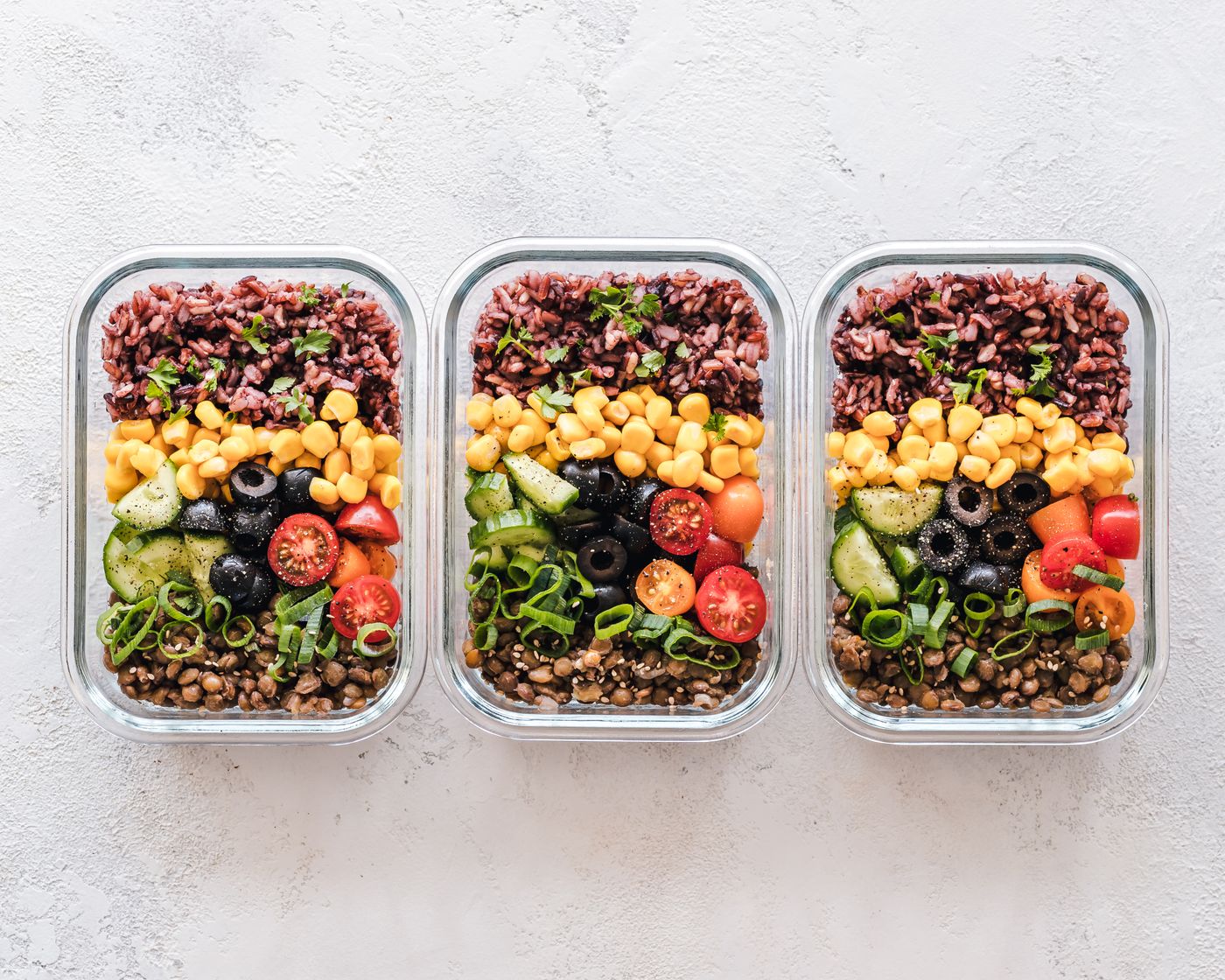
Featured image credit: Generic in-flight meal tray illustrating airline special-meal planning; the contents are not necessarily vegan. Photo: Go Journal via Pexels.

Vegan and Vegetarian Meal Codes at a Glance
Meal-code names are useful shorthand, but the airline’s live description takes priority. Airlines can add, remove, rename, or restrict meals, and partner-operated flights may follow a different system.
What VGML normally means
Airline descriptions commonly define VGML as a plant-based meal without meat, poultry, fish, dairy, eggs, or animal products. Air Canada states that its VGML is prepared for vegan-vegetarian passengers and contains no animal products or by-products, eggs, or dairy. United describes VGML as plant-based and prepared without meat, poultry, fish, dairy, eggs, or animal products.
That sounds straightforward, but three different questions remain:
- Was VGML available for this flight? Short routes, basic-economy services, overnight segments, codeshares, and stations with limited catering may not offer it.
- Was the request transmitted and loaded? A selection shown in one app does not prove the catering station received it.
- Does vegan also mean allergy-safe? Usually not. Shared kitchens, shared equipment, substitutions, and cross-contact can matter.
Treat VGML as the correct administrative request, then verify the operating details.
How to Request a Vegan Meal Correctly
Step 1: Identify the operating airline
The airline that sold the ticket may not operate every segment. A booking can show one airline’s flight number while the aircraft, crew, and catering come from a partner. Look for wording such as “operated by.”
Check the special-meal rules of the operating carrier for each segment. If an itinerary includes two airlines, a meal request attached to the first airline’s record may not transfer cleanly to the second. Contact the ticketing airline when the booking interface is unclear, then confirm with the operating airline where possible.
Step 2: Check whether a meal is included
Not every flight includes a meal, and not every buy-on-board menu accepts advance special-meal requests. A VGML choice may appear only on eligible long-haul or premium-cabin segments. If the airline provides only snacks for purchase, investigate the current menu but still bring backup food.
Step 3: Select VGML during booking
When the option appears, choose VGML for every eligible passenger and every eligible segment. Do not choose “vegetarian” without checking its code, because the default vegetarian category may be VLML and contain dairy or egg.
Take a screenshot or save the confirmation page. Record the date and the exact code rather than relying on a generic meal icon.
Step 4: Add it to an existing booking promptly
If the ticket is already issued, use Manage Booking, the airline app, customer service, or your travel agent. The practical guide to requesting a vegan meal on a flight covers the booking workflow in more detail. Many airlines require special meals at least 24 to 48 hours before departure, but deadlines differ. Some routes require more notice, and some meals cannot be added online.
Do not treat “24 hours” as a universal rule. Follow the current deadline stated by the operating airline for your exact flight.
Step 5: Confirm before the deadline
Open the booking and look for “VGML,” not merely “special meal requested.” If the code is absent, contact the airline while there is still time to fix it. Ask the agent to read back the meal code for each flight segment.
A useful question is:
Please confirm that VGML is attached to passenger [name] on flight [number and date], including the return segment. What is the final deadline for changes?
Step 6: Check at the airport without waiting until boarding
At check-in or the airline service desk, ask whether VGML appears in the booking. Gate agents may have limited ability to solve catering issues, but discovering a missing request before boarding gives you more time to buy food.
Use calm, precise language. The vegan travel language-cards guide can help you prepare wording for the airport and cabin crew. “I requested VGML, the vegan special-meal code” is more actionable than “I need the vegetarian meal.”
Step 7: Confirm with cabin crew after boarding
Once service permits, tell a crew member that you preordered VGML and state your seat. Do not demand that the meal be served immediately; the goal is to confirm that it is on the manifest and loaded.
If the tray label is missing or displays a different code, ask before eating. Crew may be able to check a catering label or ingredient sheet, but information availability varies.
Why a Confirmed Meal Can Still Go Missing
Special meals pass through several systems: reservation, ticketing, operating carrier, departure station, caterer, aircraft loading, cabin manifest, and seat assignment. This is one reason the broader vegan travel planning guide treats food, transport, and backup decisions as one connected system. Problems can arise when:
- The request was added after the cutoff.
- A schedule change created a new flight segment.
- The operating carrier changed.
- The passenger changed flights or was rebooked.
- A seat change separated the passenger from the meal notation.
- The departure station does not stock that meal.
- Catering substituted or failed to load the item.
- The code was attached to only one direction of travel.
- The travel agent’s note did not become a confirmed special-service request.
- The flight has no included meal service.
This is why a screenshot is useful but not magical. It helps explain what was requested; it cannot create a meal that was never loaded.
Codes Vegans Commonly Confuse
VLML: vegetarian lacto-ovo
VLML excludes meat and fish but may include milk, cheese, yogurt, butter, and eggs. It is not a fallback for strict vegan requirements. If a flight attendant offers “the vegetarian pasta,” ask whether it is VGML or VLML and whether the ingredient information is available.
AVML: Asian vegetarian
AVML often centers on Indian-style vegetarian food. Some airline definitions exclude meat, fish, eggs, and dairy; others may permit dairy or use dishes containing paneer, yogurt, cream, butter, or ghee. Even when an airline currently describes its AVML as vegan-compatible, do not generalize that definition to another carrier.
Choose AVML only after reading the operating airline’s current definition. VGML remains easier to communicate as a vegan request.
VJML: vegetarian Jain
VJML follows airline interpretations of Jain dietary rules and may exclude root vegetables as well as animal-derived foods. Some versions may contain dairy because not all Jain diets are vegan. It can also be quite restrictive, which may result in a simpler tray.
Do not use VJML merely because an online forum calls it a “safer vegan meal.” Verify the airline’s definition and request it only if it matches your actual requirements.
VOML: vegetarian Oriental
VOML is often described as an East Asian-style vegetarian meal built around rice or noodles, vegetables, and tofu. Some carriers define it without animal products. Still, sauces in ordinary East Asian food can contain fish, oyster, shrimp, egg, or meat stock, so the code’s airline-specific specification matters.
If your carrier explicitly defines VOML as vegan-compatible, it may be an alternative. It is not a universal substitute for VGML.
RVML: raw vegetable meal
RVML may contain raw vegetables, salads, and fruit. It can be useful when available, but it may be low in energy and protein for a long journey. Dressings and packaged accompaniments still need checking. Raw food can also be unsuitable for some travelers with medical restrictions.
FPML: fruit platter
FPML is usually a selection of fruit. It may work as a snack or simple breakfast, but it is not necessarily a balanced long-haul meal. Availability and contents vary, and travelers managing blood sugar or other health concerns may need a different strategy.
Medical Codes Are Not Vegan Codes
A special meal usually accepts one main code. That creates a problem for passengers who need both vegan and gluten-free, low-sodium, nut-aware, or another medically important restriction.
GFML, for example, addresses gluten-related ingredients but can contain meat, dairy, or egg. VGML addresses vegan ingredients but may contain wheat, soy, sesame, nuts, or other allergens. Selecting one does not automatically add the protections of the other.
Contact the airline before booking if a medically necessary diet is involved. Ask:
- Can the system record both requirements?
- Which single meal code will be catered?
- Does the airline guarantee allergen-free preparation?
- Are ingredients or allergen details available?
- Is food prepared in a shared facility?
- Can I bring suitable food and any necessary medication?
Most airlines publish limitations around allergies and cross-contact. For severe allergy or celiac disease, use medical advice and the airline’s accessibility or medical-assistance process rather than relying on a general vegan guide.
Vegan Does Not Mean Allergen-Free
A VGML can contain common allergens, including:
- Wheat or gluten
- Soy
- Peanuts
- Tree nuts
- Sesame
- Mustard
- Celery
- Lupin
- Sulphites
It may also be prepared in a facility that handles dairy, egg, fish, shellfish, or other allergens. A “no animal ingredients” specification and an “allergen-free environment” are different promises.
If cross-contact could cause a serious reaction, read the airline’s current allergy policy, notify the carrier through its required process, carry prescribed medication in hand luggage, and follow your clinician’s advice. Do not assume cabin crew can identify every ingredient from appearance.
How to Inspect the Meal Without Creating Conflict
When the tray arrives:
- Check the printed meal code on the foil, lid, sticker, or tray card.
- Confirm it says VGML rather than VLML or a generic vegetarian abbreviation.
- Keep packaged labels until you finish eating.
- Ask about unlabelled butter, creamer, dressing, bread, dessert, or chocolate.
- If an item is clearly different from the specification, set it aside and ask politely.
- If reliable information is unavailable, eat your backup food.
Common ambiguous items include margarine, bread rolls, salad dressing, creamy sauces, cake, chocolate, yogurt-style pots, and coffee creamer. A vegan main dish does not prove every side item is vegan.
Avoid asking the crew to “just remove the cheese” from a meal if allergy cross-contact matters. Removal does not undo contact, and the underlying sauce or side may also contain animal ingredients.
A reliable backup-food plan
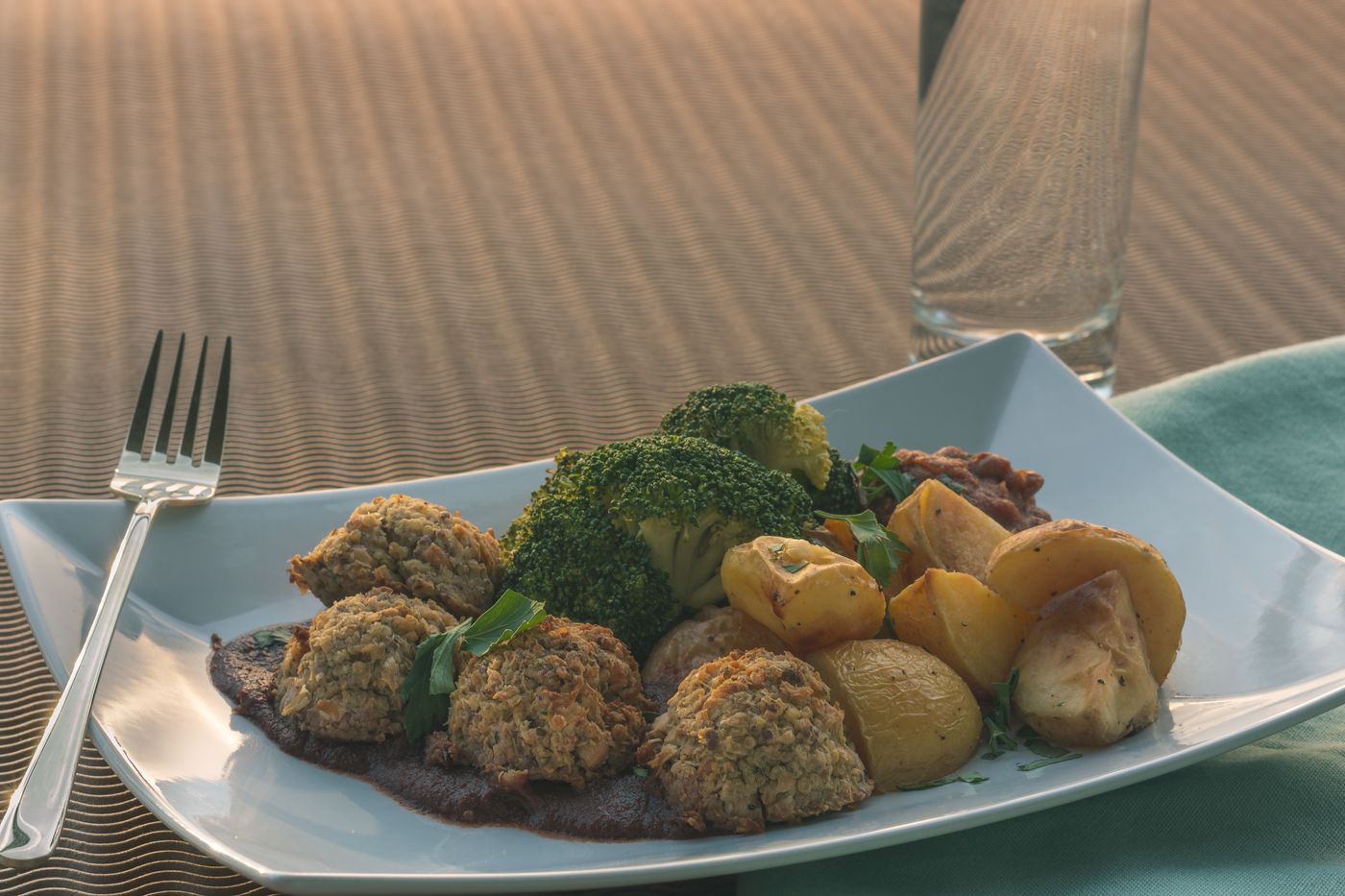
Bring enough food to cover a missed meal, a delay, and possibly a late arrival. The ideal backup is compact, familiar, reasonably filling, and compliant with airport security and destination customs rules.
Before Security: Check Food and Liquids
Check the airport authority’s rules for liquids, gels, pastes, and spreadable foods. Hummus, nut butter, yogurt alternatives, sauces, soups, and dips may be treated as liquids or gels in cabin baggage. Rules differ by country and screening authority.
Practical solid options
- Sandwich or wrap prepared for near-term eating
- Plain bagel, bread, or crackers
- Protein or cereal bars with verified ingredients
- Nuts and dried fruit where permitted and allergy-appropriate
- Roasted chickpeas
- Oatcakes or rice cakes
- Whole fruit for consumption before customs, where permitted
- Dry instant oats to prepare after security when hot water is available
- Shelf-stable packaged food allowed by the destination
Customs and biosecurity
Food allowed through security is not automatically allowed across the border. Fresh fruit, vegetables, seeds, nuts, grains, and homemade food may need declaration or may be prohibited. Check the destination government’s rules and declare items when required. Dispose of restricted food before entering customs areas.
The vegan travel checklist can help organize food safety and medication planning beyond the flight itself.
Airport Food Strategy Before a Long Flight
A pre-flight meal is often more dependable than hoping the tray will be large enough. After security, look for a meal containing a carbohydrate, protein, and produce rather than collecting only snack food.
Possible combinations include:
- Bean burrito bowl without cheese or sour cream
- Hummus wrap plus fruit
- Tofu and rice bowl with verified sauce
- Lentil soup plus bread
- Porridge made with plant milk and nuts
- Falafel plate with verified sauces
- Pasta with tomato sauce after checking for egg and cheese
Airport menus change, outlets close, and early or late flights may have reduced options. Check the airport’s current directory, but still keep a portable backup.
Special Meals on Connecting Itineraries
Connections create extra failure points. Review every segment separately.
Same airline, multiple flights
A meal request may attach to the long-haul sector but not the shorter connection. That may be correct because no meal is served on the short flight. Check the service type rather than assuming an error.
Codeshare connection
Record locators can differ between the ticketing and operating airlines. Ask for the partner confirmation code and check the booking on the operating carrier’s website. If VGML appears only in one system, contact the airline before the cutoff.
Rebooking after disruption
When staff move you to another flight, ask them to re-request VGML. A special meal from the cancelled flight may not transfer to the new departure, especially at short notice. Immediately assess airport food and buy backup supplies.
Overnight connection
Do not assume airport restaurants stay open. Check hours on the airport’s official site and consider landside versus airside access, terminal changes, visa rules, and security reopening times.
For official links and trip-planning tools during disrupted travel, use the vegan travel resources guide to manage bookings, food checks, and airline contacts.
Children and Family Bookings
Children’s meals are not automatically vegan, and a child-meal code can take precedence over VGML in some reservation systems. If a child needs vegan food, ask the airline which code should be attached and whether the portion and ingredients are appropriate.
Pack familiar backup foods in permitted forms. Use the no-cook vegan travel meals guide and vegan travel snacks guide for practical options that do not depend on an aircraft kitchen. Delays, sleep disruption, unfamiliar flavors, and small portions can make even a correctly loaded vegan tray impractical for a child. Caregivers should follow age-appropriate choking, allergy, and nutrition guidance.
What to Do When No Vegan Meal Is Available
If the airline does not offer VGML for your route:
- Check whether food is included at all.
- Review the current buy-on-board menu, but do not rely on it as your sole plan.
- Eat a substantial meal before boarding.
- Carry a compliant backup meal and snacks.
- Ask cabin crew about sealed products with ingredient labels.
- Avoid guessing about unlabelled sauces, pastries, or sandwiches.
- Plan food for arrival, especially if landing late.
Cabin crew may be able to assemble fruit, bread, salad, or snacks, but they are not obligated to create an off-menu vegan meal. Treat any assistance as a helpful contingency rather than the plan.
A Booking-to-Boarding Checklist
When booking
- [ ] Identify the operating airline for every segment.
- [ ] Check whether a meal is included.
- [ ] Read the airline’s current VGML definition.
- [ ] Select VGML for each eligible passenger and segment.
- [ ] Save confirmation.
Several days before departure
- [ ] Confirm VGML still appears after schedule or seat changes.
- [ ] Check the request deadline.
- [ ] Contact the airline if any segment is unclear.
- [ ] Review allergy policy if relevant.
- [ ] Check airport food options and hours.
The day before travel
- [ ] Prepare permitted backup food.
- [ ] Check security liquid rules.
- [ ] Check destination customs and biosecurity rules.
- [ ] Pack medication and essentials in hand luggage.
- [ ] Download the booking and screenshots for offline access.
At the Airport: Verify Food and Timing
- [ ] Confirm VGML at check-in.
- [ ] Buy water after security where needed.
- [ ] Eat before boarding if the timing makes sense.
- [ ] Buy an additional backup if disruption is likely.
On board
- [ ] Tell crew your seat has a VGML request.
- [ ] Check the tray code.
- [ ] Inspect separately packaged sides.
- [ ] Ask rather than guess.
- [ ] Use backup food if the meal cannot be verified.
Common Travel Mistakes to Avoid
Requesting “vegetarian” instead of VGML
Vegetarian often means VLML, which may contain egg and dairy. Always request by code when possible.
Trusting an old airline-meal blog post
Route coverage, deadlines, and definitions change. Use third-party guides to understand the system, then verify with the operating airline.
Waiting until check-in to request a meal
Catering is usually arranged before departure. Airport staff may be unable to add a special meal after the cutoff.
Forgetting the return flight
Meal requests can be segment-specific. Confirm both directions and every connection.
Assuming business class guarantees vegan food
A premium cabin may offer more menu choice, but an unrequested vegan meal is not guaranteed. Preorder when the airline requires it.
Confusing lactose-free with vegan
A low-lactose or non-lactose meal can contain meat, fish, or egg. It addresses lactose, not vegan ethics or ingredients.
Packing only snack bars
Bars are useful, but a long disruption may require a proper meal. Add a sandwich, wrap, substantial crackers, or another filling option that meets travel rules.
Frequently asked questions
What is the vegan meal code on airlines?
VGML is the most widely used vegan special-meal code. Airlines commonly define it as excluding meat, fish, dairy, eggs, and animal products. Always read the operating airline’s current definition.
Is VGML always completely vegan?
It is intended to be vegan, but mistakes, substitutions, missing labels, and cross-contact can occur. Verify the tray code and ask about ambiguous side items. Passengers with allergies need the airline’s allergy process in addition to VGML.
What is the difference between VGML and VLML?
VGML is intended for vegan food. VLML is lacto-ovo vegetarian and may contain dairy and eggs. The one-letter difference represents a major dietary difference.
Is AVML vegan?
Sometimes an airline defines AVML without meat, fish, egg, or dairy; other implementations may include dairy such as paneer, yogurt, butter, or ghee. Check the specific carrier’s definition. Do not assume AVML is vegan worldwide.
Is VJML vegan?
Not necessarily. Jain vegetarian requirements and vegan requirements are not identical, and some airline versions may contain dairy. VJML may also exclude root vegetables. Verify the airline’s live description.
How far in advance should I order VGML?
Airlines commonly require advance notice, often at least 24 or 48 hours, but there is no universal deadline. Some routes or meal types require different timing. Request it when booking and confirm before the carrier’s stated cutoff.
Can I request vegan and gluten-free at the same time?
Many reservation systems accept one meal code. VGML is not automatically gluten-free, and GFML is not automatically vegan. Contact the airline before travel and carry medically appropriate backup food.
Can I bring my own vegan meal on the plane?
Often yes, but security restrictions apply to liquids, gels, dips, and spreads, while customs rules apply at the destination. Check official airport screening and border guidance. Keep perishable food within safe time and temperature limits.
What if my vegan meal is not on board?
Ask crew whether another sealed suitable item is available, but do not rely on an improvised meal. Use your backup food and keep any evidence if you plan to send factual feedback to the airline afterward.
Do budget airlines offer VGML?
Some do not include meals and instead sell snacks or meals on board. Others allow pre-ordering on selected routes. Check the specific flight’s service rather than judging by the airline category.
Does a VGML request cover drinks and snacks?
Not necessarily. Creamer, snack mixes, chocolate, pastries, and buy-on-board products may be provisioned separately. Check labels or ask for ingredient information.
Related Guides
Air Canada special meals: https://www.aircanada.com/ca/en/aco/home/plan/special-assistance/special-meals.html
United Airlines special meals: https://www.united.com/en/us/fly/travel/inflight/special-meals.html
Delta special meals: https://www.delta.com/us/en/onboard/food-and-beverage/special-meals
Singapore Airlines meal requests: https://www.singaporeair.com/en_UK/us/travel-info/requests/meals
TSA food guidance: https://www.tsa.gov/travel/security-screening/whatcanibring/food
USDA APHIS traveler guidance: https://www.aphis.usda.gov/traveling-with-ag-products
FDA food allergy guidance: https://www.fda.gov/food/food-labeling-nutrition/food-allergies