
Best Vegan Travel Snacks
Short answer: The best vegan travel snack is the one that fits the journey you actually have: safe for the expected temperature, easy to carry and eat, suitable for your dietary needs, and allowed through the relevant security and customs checks. Build three layers: something to eat soon, a substantial delay meal, and a sealed shelf-stable reserve.
What you’ll find in this guide
Choose by travel job · Use the decision table · Build three layers · Compare snack types · Read labels · Separate allergy checks · Check airport security · Check customs · Protect food safety · Match the travel mode · Choose a scenario kit · Read FAQs
The best vegan travel snacks are the foods that fit your route, remain safe without refrigeration, survive the bag, meet your dietary needs, and pass the relevant security and customs rules. For most journeys, pack three layers: something easy to eat soon, something more substantial for a long delay, and a sealed reserve you can keep until the final leg.
Useful categories include bars with verified ingredients, roasted pulses, crackers, nut or seed packs where suitable, dried fruit, sturdy fresh fruit when permitted, shelf-stable sandwiches for short windows, instant foods that need only hot water, and electrolyte or drink products chosen for the actual conditions. No single product is “best” for every traveler. Allergies, chewing needs, medical conditions, climate, trip length, border controls, and access to water change the answer.
This guide is research-based and does not claim first-hand testing, taste rankings, current prices, or permanent product formulations. Always read the package you are buying in the relevant market. Brands can change ingredients, factories, sizes, allergen statements, and certification.
Affiliate disclosure: This article may contain affiliate links in the future. If you buy through a clearly identified affiliate link, Vegan Journey Map may earn a commission at no extra cost to you. Commercial relationships do not replace ingredient, allergy, security, customs, or suitability checks, and no product is presented as personally tested unless that is explicitly and truthfully stated.
Updated 27 October 2026. Recheck ingredient labels, allergen statements, airport security rules, customs restrictions, refrigeration needs, and product formulations before travelling.
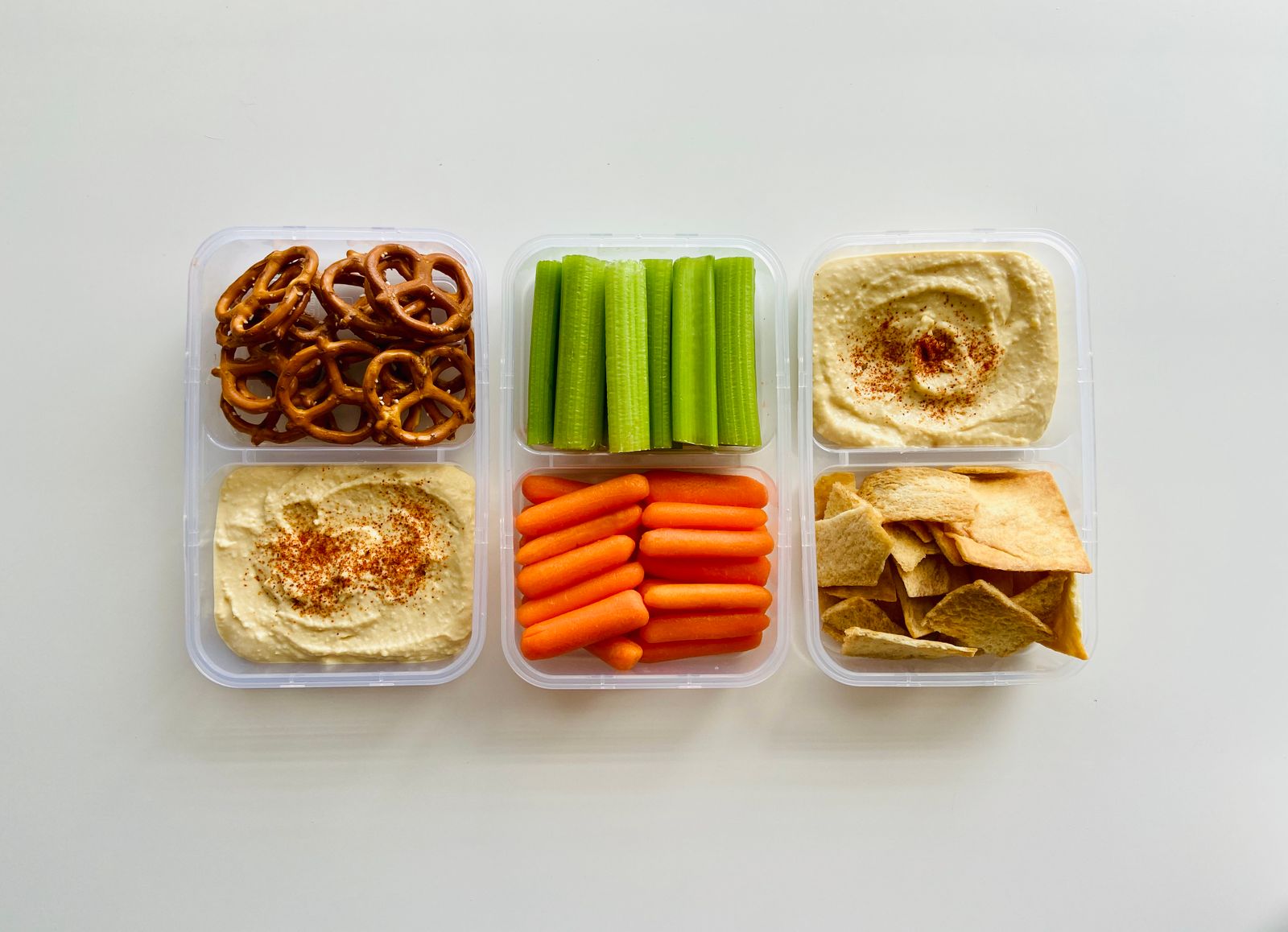
Featured image credit: Vegan packed snack platter for travel planning. Photo: Bora C via Pexels.
Choose Snacks by Job, Not Hype
A travel snack should solve a specific problem. “Healthy,” “natural,” “plant-based,” “high protein,” and “energy” are broad marketing terms, not complete decision criteria. Before buying, decide what the food needs to do.
You may need:
- A small item for the security queue
- A breakfast for an early train
- A substantial backup when an airline meal fails
- Food that can sit in a hot day bag
- A quiet snack for a museum or coach
- A low-mess option for children
- A product with a clearly documented allergen profile
- A compact calorie source for hiking
- An arrival-night reserve when shops may be closed
The correct choice for one job may be poor for another. A fragile rice cake can work at a desk but become crumbs in a backpack. A nut-heavy bar may be compact but unsuitable for an allergy or a shared environment with specific restrictions. A refrigerated wrap may be satisfying but inappropriate after hours without safe temperature control.
Vegan Travel Snack Decision Table
| Travel need | Practical snack type | Check before packing |
|---|---|---|
| Short flight or train | Bar, crackers, roasted pulses, dried fruit | Ingredient label, allergens, liquid-like fillings |
| Long delay backup | Dense bar, nut or seed pack, dry sandwich components, instant cup food | Enough calories, access to water, hot-water availability |
| Road trip | Portion packs, fruit, sandwiches, cooler foods when safely chilled | Vehicle heat, mess, driver-safe eating, cooler temperature |
| Hiking or active day | Compact carbohydrate plus protein and salty option | Energy needs, water, heat stability, packaging waste |
| Early breakfast | Oat cup, bar, cereal portion, bread with sealed spread | Plant milk or hot water, spoon, liquid limits |
| Allergy-aware travel | Products with clear current labels and suitable facility statements | Cross-contact, market-specific formulation, medical plan |
| International arrival | Commercially packaged, declared food when required | Destination agriculture, customs, and biosecurity rules |
| City sightseeing | One immediate snack plus one reserve | Bag policy, melting, noise, crumbs, waste disposal |
The table is a planning tool rather than a product endorsement. Check every item against your route.
Build a Three-Layer Snack Kit
Layer 1: eat first: Vegan Travel Food Planning
This is the item you expect to consume within the first part of the journey. It can be more perishable if you understand the safe time and temperature limits and will eat it promptly. Examples include a homemade sandwich, cut vegetables, or a fresh bakery item.
Keep it accessible. Do not bury the food under electronics or place it in checked baggage. Use a container that prevents crushing and leakage.
Layer 2: delay meal: Vegan Travel Food Planning
The delay meal should be substantial enough to replace a missed meal, not merely distract from hunger. Combine carbohydrate, protein, fat, and fluid access according to your needs. A practical combination might be crackers, a sealed pulse snack, dried fruit, and a bar, or a bread product with an allowed spread portion.
Choose items you will genuinely eat. A nutritionally impressive product has little value if its texture or flavor makes you avoid it during a stressful delay.
Layer 3: reserve: Vegan Travel Food Planning
The reserve stays sealed until the final stage or arrival. It should be shelf-stable, compact, and compliant with destination rules. Commercial packaging can make ingredient and origin information easier to inspect, but it does not guarantee admission through customs.
If you eat the reserve early, replace it at the next suitable shop. The system works because each layer has a purpose.
Strong Snack Categories and Their Trade-Offs
Snack bars: Vegan Travel Food Planning
Bars are compact, portioned, and easy to keep in a day bag. They vary widely in ingredients and function. Some are mainly oats and syrup; others use nuts, seeds, soy, pea protein, dried fruit, chocolate, or fortified ingredients.
Check:
- Whether the package explicitly identifies the product as vegan or has a recognized certification
- Milk, whey, casein, egg, honey, gelatin, shellac, or other ingredients relevant to your definition
- Allergen warnings and shared-facility statements
- Protein and fiber if those matter to the role
- Added caffeine or sugar alcohols
- Whether chocolate or coating will melt
- Whether the bar becomes very hard in cold conditions
Do not assume every flavor in a range has the same formulation. Check the exact wrapper each time.
Roasted chickpeas, broad beans, peas, and other pulses
Roasted pulses can add crunch and protein without requiring refrigeration. They are often more resistant to heat than chocolate-coated foods. However, seasoning blends can contain dairy ingredients, honey, or ambiguous flavorings, and the texture may not suit everyone.
Reseal or portion them to limit spills. Consider noise and crumbs in shared spaces. Drink adequate water, especially if the snack is salty or high in fiber and you are not accustomed to it.
Nuts and seeds: Vegan Travel Food Planning
Nuts and seeds are compact and energy-dense. Individual packs can be convenient for portioning. They are not appropriate for everyone, and allergy policies may apply in a vehicle, school group, tour, or household.
Check coatings carefully. Flavored nuts can contain milk powder, honey, shellac, or non-vegan seasoning carriers. Plain products reduce ingredient complexity but still require an allergen assessment.
International border controls may regulate nuts and seeds, particularly raw, in-shell, or unprocessed products. Check and declare rather than assuming plant food is unrestricted.
Dried fruit: Vegan Travel Food Planning
Dried fruit travels well and provides carbohydrate in a small space. It can be sticky, high in concentrated sugars, or difficult to chew. Some products include coatings, preservatives, added sugar, or processing aids that you may wish to investigate.
Pairing dried fruit with a protein or fat source can create a more substantial snack. Portion it before travel rather than carrying a large open bag that is awkward in transit.
Crackers, pretzels, rice cakes, and crispbreads
Dry carbohydrate snacks are widely available and often easy to digest. They can form part of a delay meal with a suitable spread or pulse snack. Ingredient lists may include milk powder, cheese flavor, whey, butter, honey, or animal-derived flavorings.
Choose robust packaging or a hard container if crushing matters. Very salty snacks increase the importance of water access.
Popcorn: Vegan Travel Food Planning
Plain or clearly labeled flavored popcorn can be light and useful for road trips or longer journeys. It is bulky for the calories it provides, creates crumbs, and may be noisy in quiet spaces. Butter-style flavoring is not automatically dairy-free or vegan; verify the exact ingredients and manufacturer claim.
Fresh fruit and vegetables
Bananas, apples, oranges, grapes, carrots, and other produce can work well when eaten before a controlled border and stored appropriately. Choose sturdy items and protect them from bruising.
Fresh produce is one of the categories most likely to face agricultural restrictions. The U.S. Customs and Border Protection guidance, for example, requires travelers to declare agricultural products and explains that restrictions protect against pests and disease. Other countries and territories apply their own rules. Consume, surrender, or declare food as required. Never hide it because it is “only fruit.”
Sandwiches and wraps: Vegan Travel Food Planning
A homemade or purchased sandwich can function as a real meal. Choose fillings that remain safe and appealing for the expected time and conditions. Avoid overly wet ingredients that make bread soggy or cause leaks.
Security screening may allow solid food while border controls restrict particular ingredients or fresh produce. If traveling internationally, plan to eat the sandwich before arrival unless the destination authority clearly permits its components.
Food safety depends on ingredients, time, temperature, and handling. Use an insulated bag and fully frozen cold pack where permitted when refrigeration is necessary, and discard food that has not remained safely stored.
Nut or seed butter portions
Single-serve spread packs can turn crackers, bread, or oats into a more substantial snack. At airport security, creamy spreads may be treated as liquids or gels. The U.S. TSA food list applies the 3-1-1 liquid rule to larger liquid or gel foods in carry-on baggage. Use the screening authority for your actual airport.
Spreads also raise allergy concerns. Select a seed-based alternative only after checking the traveler’s needs and the environment’s policy.
Instant oats, soup, noodles, and dry cup meals
Foods that need only hot water can be useful in airports, trains, hotels, or offices, but access to safe hot water is not guaranteed. Airline cabin crew may be unable or unwilling to fill a passenger’s container, and transport operators may restrict open hot liquids.
Read ingredients for milk, egg, fish sauce, meat flavoring, honey, and ambiguous seasoning. Carry an appropriate utensil. Avoid assuming a terminal café must provide free water or that a room kettle is suitable for every preparation.
Seaweed snacks: Vegan Travel Food Planning
Seaweed packs are light and often shelf-stable. They can be fragile, salty, and low in calories, so they are better as a flavor or crunch component than the only delay food. Seasoned versions need ingredient verification.
Travelers with medical reasons to monitor iodine or sodium should follow individualized professional advice rather than using a general travel list.
Jerky-style vegan snacks: Vegan Travel Food Planning
Plant-based jerky can be compact and savory. Products may use soy, wheat gluten, mushrooms, pea protein, or other bases. Check allergens, sodium, certification, and exact formulation. Texture varies considerably, so buy a small amount before committing to a multi-day supply, without treating that personal preference as an objective product rating.
Sweets, chocolate, and comfort food
A small comfort item can make a delay easier. Vegan chocolate and sweets still require label checks for milk ingredients, gelatin, shellac, beeswax, confectioner’s glaze, carmine, or honey. Heat can make chocolate impractical, while very cold conditions can make some bars difficult to eat.
Comfort food should supplement rather than displace the substantial backup if the journey is long.
Read the Label for Vegan Status
Start with the exact package in your hand. Manufacturer websites are useful, but the package may reflect a newer, older, or market-specific formulation.
Look for a clear vegan claim
A recognized certification can reduce uncertainty. The Vegan Society Vegan Trademark describes a scheme in which its team checks product applications with manufacturers and suppliers. V-Label distinguishes vegan and vegetarian categories. Confirm which category appears.
A generic leaf, green color, or “plant powered” slogan may be a brand graphic rather than third-party certification.
Read the ingredient list: Vegan Travel Food Planning
Ingredients that commonly require attention include milk, whey, casein, lactose, butter, ghee, egg, albumen, gelatin, honey, beeswax, shellac, carmine or cochineal, meat stock, fish sauce, and animal-derived flavoring. Ingredient naming and legal requirements vary by market.
Do not assume an item is vegan because the allergen box does not mention milk or egg. Allergen labeling highlights regulated allergens, not every animal-derived ingredient. Honey and gelatin, for example, are not identified simply because a product lacks major allergen warnings.
Check the current market: Vegan Travel Food Planning
A product can be vegan in one country and different elsewhere. Package sizes, factories, suppliers, fortification, and flavor recipes may vary. Avoid copying a claim from an overseas website onto a local version.
Contact the manufacturer when needed
Ask about the exact product name, flavor, size, barcode, and country. Keep the response date. A general statement that a brand offers vegan products does not classify every item.
Separate Vegan Checks From Allergy Checks
Vegan labeling and allergen management answer different questions. A vegan product may contain peanuts, tree nuts, gluten, soy, sesame, mustard, lupin, or other allergens. It may also be made on shared equipment.
The U.S. Food and Drug Administration food-allergy information explains federal major-allergen labeling and related consumer information. Other countries have their own regulated allergen lists and wording.
If an allergy could cause a serious reaction:
- Read the current package every time
- Understand the labeling law in the purchase market
- Assess “may contain” and facility statements according to medical advice
- Carry prescribed medication
- Keep an emergency plan and translated information where useful
- Do not rely on a travel article, app, or certification as individualized medical clearance
A product recommendation from another vegan traveler is not evidence of allergy safety.
Balance the Snack Kit: Vegan Travel Food Planning
For a journey long enough to replace a meal, combine roles rather than packing several versions of the same sweet bar.
A flexible pattern is:
- Carbohydrate: crackers, bread, oats, fruit, cereal, pretzels
- Protein: roasted pulses, suitable nuts or seeds, soy snack, protein bar
- Fat: nuts, seeds, seed butter, or another appropriate source
- Flavor or comfort: chocolate, sweets, seasoned snack
- Fluid plan: refillable bottle used according to security and local water guidance
This is not a medical prescription or fixed nutrition target. Needs differ with age, health, medication, pregnancy, activity, temperature, and journey length. Seek qualified advice for clinical requirements.
Avoid introducing large amounts of unfamiliar high-fiber or sugar-alcohol products on travel day. Gastrointestinal tolerance is personal, and access to toilets may be limited.
Airport Security: Solids, Liquids, Gels, and Powders
Rules depend on the country and airport. The U.S. TSA states that solid food can generally travel in carry-on or checked bags, while liquid and gel food in carry-on baggage must comply with liquid limits. It also notes that officers can request separation of food or powders for screening and make the final checkpoint decision.
Current screening reminder: Airport security and border customs are separate checks. The current TSA food table distinguishes solid foods from liquid or gel foods and notes that officers may require food or powders to be separated for screening. Use the authority for your departure and transfer airports, then check destination customs separately.
Foods commonly treated as liquid or gel-like can include:
- Hummus and dips
- Nut or seed butter
- Jam
- Yogurt alternatives
- Soup
- Sauce
- Pudding
- Soft spreads
- Smoothies
Do not infer another airport’s rules from TSA guidance. Check the authority responsible for your departure airport and any transfer screening. Packaging must also meet airline baggage and safety rules.
Keep food organized and accessible in case security asks to inspect it. Avoid unmarked powders where possible; retain labels or use original packaging when practical.
Customs and Biosecurity: Vegan Does Not Mean Unrestricted
Border controls protect agriculture and ecosystems. Plant-based items can be restricted because of pests, seeds, soil, processing, origin, or disease risk.
The U.S. Customs and Border Protection guidance on agricultural products requires travelers to declare food and agricultural items and explains that an inspector determines admissibility. Australia, New Zealand, island territories, and many other jurisdictions publish similarly important biosecurity rules, but the details differ.
Before international travel:
- Check the destination customs or agriculture authority.
- Check transit points if you collect baggage or clear customs there.
- Identify fresh fruit, vegetables, seeds, nuts, grains, homemade food, and plant material.
- Keep commercial packaging when it helps identify ingredients and origin.
- Declare everything required.
- Be prepared to surrender an item without argument.
A sealed package is not automatic permission. “For personal use” may still be regulated.
Food Safety and Temperature
Shelf-stable food is simplest when refrigeration is uncertain. Perishable sandwiches, cooked grains, cut produce, dairy-free yogurt, tofu dishes, and similar foods require appropriate handling.
Use official food-safety guidance in your country and follow package storage instructions. An insulated bag slows temperature change but does not guarantee safety indefinitely. Cold packs must remain effective, and some security authorities apply specific screening rules to gel packs.
Vehicle interiors can become much hotter than outdoor air. Do not leave food or medication in a parked car unless the manufacturer or medical guidance confirms the storage conditions are acceptable.
When in doubt about food that has spent too long at an unsafe temperature, discard it. Avoid using smell or appearance as the only safety test.
Pack for the Mode of Travel
Flights: Vegan Travel Food Planning
Prioritize compact, low-mess, quiet foods. Pack enough to cover a missed special meal and a delay, but check security and arrival-country rules. Order an airline meal when available, then verify it in the booking record and still carry backup food. The Vegan Journey Map guide to vegan airline meal codes explains common special-meal terminology.
Trains: Vegan Travel Food Planning
Train travel may allow more flexibility, but café service can be absent, closed, cashless, or depleted. Check the operator’s official onboard-service page. Avoid relying on tight station connections for food purchases.
Buses and coaches: Vegan Travel Food Planning
Rest stops may be short and facilities unpredictable. Choose tidy foods that do not require preparation. Be considerate of odors, noise, and shared space. Keep water available within the operator’s rules.
Road Trips: Pantry and Resupply Basics
Use a cooler for foods that genuinely need chilling, secure containers, and plan safe rest stops. The driver should not unwrap difficult food or handle spill-prone items while moving. Keep a small bag in the cabin and the larger reserve in an accessible place, not buried under luggage.
Hiking and outdoor days: Vegan Travel Food Planning
Match food to duration, exertion, weather, water, and emergency planning. Protect food from wildlife according to park rules. Carry out wrappers and avoid products that melt or become impossible to eat in the expected conditions.
Pack With Less Waste: Vegan Travel Food Planning
Low-waste packing is useful only when it remains hygienic and compliant.
- Use a washable hard container for crushable foods.
- Portion snacks from larger packs when labeling and border needs allow.
- Carry reusable cutlery where security and venue rules permit.
- Use a refillable bottle, emptying it before security when required.
- Avoid carrying excessive food that will be discarded at a border.
- Retain original packaging for international travel when ingredient or origin identification may matter.
Reusable silicone pouches or containers can reduce disposable packaging, but an unlabeled homemade mixture may be harder to explain at security or customs. Choose the method suited to the route.
Snack Kits for Common Scenarios
Two-hour domestic journey
Pack one bar or savory snack and water access. Add a sandwich if the trip overlaps a meal. No elaborate emergency pantry is needed unless disruption, medical needs, or local access justify it.
Long-haul flight: Vegan Travel Food Planning
Pack an immediate meal, a substantial shelf-stable delay kit, and a sealed reserve. Include both savory and sweet options, verify the airline meal, and plan what must be eaten before customs.
Weekend city break: Vegan Travel Food Planning
Carry one day-bag snack and one arrival-night reserve. Restock locally after checking labels. Avoid hauling several days of food into a city with strong grocery access unless dietary restrictions make that necessary.
Road trip with a cooler: Vegan Travel Food Planning
Separate chilled meals from dry snacks. Use leakproof containers, keep the cooler closed, and replenish ice safely. Store an independent dry reserve in case cooling fails.
Allergy-aware journey: Vegan Travel Food Planning
Use familiar products with current labels, keep emergency medication accessible, retain packaging, and carry a translated allergy card where appropriate. Pack more redundancy because substitute products may be difficult to verify.
Family travel day: Vegan Travel Food Planning
Offer several familiar textures in small portions, plus an adult-managed reserve. Avoid creating choking risks and follow age-appropriate food guidance. Pack wipes and a rubbish bag, but do not introduce unfamiliar products simply because they are marketed for travel.
Common Snack-Packing Mistakes
Packing only sweet bars: Vegan Travel Food Planning
Flavor fatigue can arrive quickly. Include a savory item and something substantial.
Buying by front-of-pack claims
“Plant-based” or a leaf image is not enough. Read the exact ingredients, allergen statement, and certification.
Forgetting that spreads are gels
Hummus, nut butter, jam, and similar foods may fall under carry-on liquid limits.
Carrying fresh produce across a border
Eat it before arrival or check, declare, and follow the destination authority’s decision.
Relying on an airline meal
Requests can be missed or changed. Verify the booking and carry backup food.
Ignoring heat: Vegan Travel Food Planning
Chocolate melts, bars soften, and perishable food becomes unsafe. Match the item to storage conditions.
Overpacking: Vegan Travel Food Planning
Heavy, excessive food creates waste and can complicate customs. Pack for realistic gaps and restock where dependable.
Assuming vegan means nutritionally complete
A packet of sweets may be vegan but will not function like a meal. Build a balanced delay option appropriate to your needs.
Frequently Asked Questions
What are the best vegan snacks for flying?
Choose compact solid foods with clear labels, such as suitable bars, crackers, roasted pulses, dried fruit, or nuts and seeds where appropriate. Add a substantial backup for long flights. Check liquid or gel rules and destination customs requirements.
Can I take hummus through airport security?
Hummus is commonly treated as a liquid or gel. At U.S. checkpoints it must comply with carry-on liquid limits; other airports set their own rules. Check the relevant security authority before travel.
Can I bring fruit on an international flight?
You may be able to carry or eat fruit during travel, but bringing it through the destination border can be restricted. Check the destination agriculture or biosecurity authority and declare food when required.
How do I know whether a snack is vegan?
Read the exact current package, look for a clear vegan claim or recognized certification, review the full ingredient list, and contact the manufacturer when wording is unclear. Check the local-market version.
Are “may contain milk” products vegan?
A precautionary allergen statement usually addresses cross-contact rather than an intentional ingredient, but individual vegan organizations and consumers may make different choices. For milk allergy, the medical risk is separate and requires appropriate professional guidance and label assessment.
How much food should I pack for a flight?
Pack for the scheduled journey plus a realistic delay based on route, connections, dietary restrictions, and terminal access. Include at least one substantial backup when a missed meal would be difficult to replace.
What vegan snacks are good without nuts?
Depending on other allergies, possibilities include roasted chickpeas or peas, seed-based bars, crackers, pretzels, dried fruit, popcorn, soy snacks, or homemade foods. Check every label for ingredients and cross-contact.
Should I keep snacks in original packaging?
Original packaging is useful for ingredient, allergen, origin, and customs questions. For domestic trips, reusable portions may be practical. For international travel, retain enough labeling to identify the food and still declare it when required.
Can I bring protein powder?
Rules for powders and screening vary. Keep it clearly labeled, check the departure security authority and destination customs rules, and consider a smaller original package. The guide to vegan protein powder for travel covers verification and packing in more detail.
Useful Sources And Verification
Product formulations and travel rules change. Read the current package and use the official authority for every airport, border, airline, and destination on your route.
– Transportation Security Administration food guidance and TSA snacks guidance for U.S. screening examples covering solid food, liquids, gels, and checkpoint discretion.
– U.S. Customs and Border Protection agricultural-products guidance for declaration and admissibility principles; use the destination’s own customs or biosecurity authority elsewhere.
– U.S. Food and Drug Administration food-allergy information for U.S. major-allergen labeling information; consult the regulator for the market where the product is sold.
– The Vegan Society Vegan Trademark and V-Label for certification-scheme information.
– Current manufacturer ingredient, allergen, storage, and local-market product pages, checked against the physical package.
– Official airline, rail, coach, park, airport, and accommodation information for onboard service, baggage, hot water, wildlife-safe storage, and local restrictions.



One Comment
Comments are closed.