

Vegan Protein Powder for Travel: Pack, Fly & Verify
Short answer: For travel, choose a familiar vegan protein powder in its original, clearly labeled packaging, preferably in a portion size you can carry and finish. Check the exact ingredients, allergens, vegan evidence, quality certification, airport powder rules, customs guidance, water, storage, and a food-based backup. There is no universal best powder for every traveler.
What is the best vegan protein powder for travel?
The best vegan protein powder for travel is the product you already tolerate, can verify as vegan, can carry within your route’s screening and customs rules, and can mix safely with the water and equipment available at your destination. For many travelers, that means a clearly labeled single-serve sachet or a small amount of a familiar powder in its original packaging. The most portable product is not automatically the best: a powder with unfamiliar sweeteners, allergens, stimulants, or unclear testing can create more problems than it solves.
Updated 26 October 2026. Recheck ingredients, allergen statements, testing information, prices, availability, and current transport or customs rules before travelling.
What you’ll find in this guide
Choose the format · Compare products · Read the label · Plan airport screening · Check customs · Mix and store safely · Use the FAQs
Featured image: Vegan protein powder being added to a shaker. Photo: Krzysztof Biernat via Pexels.
Choose in this order:
- Decide whether you need powder: use it to fill a predictable gap, not because vegan travel automatically requires a supplement.
- Choose a familiar formula: prioritize something you have already tolerated at home.
- Verify the label: check vegan evidence, ingredients, allergens, serving size, and relevant quality testing.
- Plan the route: confirm carry-on screening, checked-bag, and customs rules for every country.
- Pack a backup: bring a food-based option or destination shopping plan in case the powder is delayed, confiscated, damaged, or unavailable.
Protein powder can be convenient during a long transfer, hiking route, work trip, or group tour with limited food choice. It is not a complete meal plan and should not replace varied food, enough energy, fluids, fiber, and micronutrients. If you have kidney disease, a metabolic condition, a serious allergy, are pregnant, take medication, have an eating disorder, or have been told to change protein intake, seek individualized advice from a qualified clinician or registered dietitian.
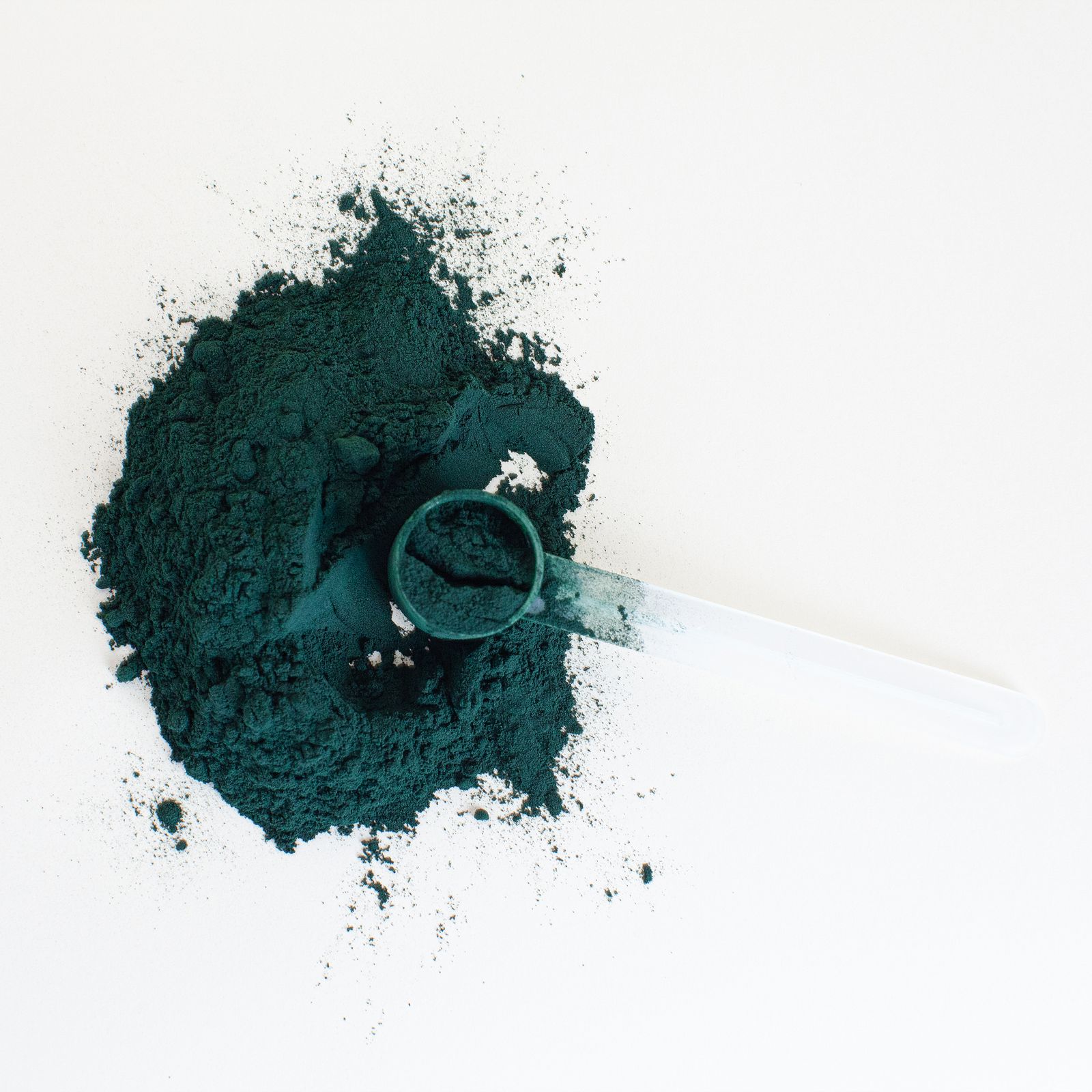
Image credit: Pexels source page. General supplement illustration; verify current licensing and attribution requirements before publication.
Do you need protein powder for your trip?
Start with the itinerary, not a product ranking. Ask whether you will have regular access to substantial vegan meals, whether breakfast is predictable, whether you are training, and whether a destination grocery shop can meet your needs. A short city break with reliable restaurants may need no powder. A remote work assignment, endurance event, fixed-menu tour, or self-catered route may justify a small, verified supply.
Food can often solve the same problem. Depending on the route and local rules, useful options may include beans, lentils, chickpeas, tofu, tempeh, soy milk, nuts, seeds, seed butter, oats, quinoa, fortified foods, and ready-to-eat snacks. Not every option fits a cabin bag or border crossing, so make the decision around what is actually legal, available, and safe for your itinerary.
How to compare vegan protein powders
Compare products by decision criteria rather than marketing language. A useful travel shortlist records the exact product name, flavor, serving mass, protein grams, ingredients, allergens, vegan evidence, quality testing, lot or batch information, storage, and package format. This is more reliable than choosing the tub with the largest front-of-pack number.
Protein source
Common plant protein bases include pea, soy, rice, hemp, pumpkin seed, sunflower seed, and blended formulas. Each product can differ in texture, flavor, digestibility, protein density, and allergen profile. Do not assume that every pea or soy powder is interchangeable. If you already tolerate one source, travel is usually a poor time to switch to an unfamiliar blend.
Protein amount and serving mass
Compare grams of protein with grams of total powder. A large scoop does not automatically mean a better product. Check the number of servings, serving definition, calories, carbohydrates, fat, sodium, and added nutrients that matter to your plan. Scoops are not standardized measuring tools; if the amount matters, use the label’s gram weight rather than guessing by volume.
Flavor and digestive tolerance
Flavor is personal, and a powder that works at home may be unpleasant when mixed only with water. More importantly, unfamiliar gums, sugar alcohols, fibers, enzymes, probiotics, herbs, caffeine, or high-dose vitamins can be difficult for some travelers. Test the exact flavor and formula before departure. Do not make your first serving on a flight day or before an event.
Vegan evidence
Look for a current product-level vegan certification or a clear manufacturer statement that covers ingredients and processing. Check the exact flavor and country version. A product can have a plant-based protein source while still requiring verification of flavor carriers, vitamin D, enzymes, amino acids, or other additions.
Independent quality verification
Vegan certification and supplement-quality certification answer different questions. Vegan evidence addresses animal-derived ingredients or processing under that certifier’s standard. A quality or sport certification may evaluate manufacturing controls, identity, contaminants, or prohibited substances under its own program. Neither seal is a universal guarantee of suitability, and neither replaces reading the current label.
Protein sources: practical travel tradeoffs
This table is a planning aid, not a ranking. Protein quality, digestibility, taste, and suitability vary by product and person. If a source is important to your health plan, use the exact current package and professional guidance.
Read the label in five minutes
1. Confirm product identity
Record the product name, flavor, package size, country of sale, lot or batch information, and best-before date. Flavored and unflavored versions may differ in sweeteners, allergens, and certification. A retailer listing is useful for finding stock but should not be your only source for ingredients.
2. Check the complete ingredient list
Look beyond the protein base. Additions may include flavors, cocoa, sugar, stevia, monk fruit, sugar alcohols, gums, oils, salt, vitamins, minerals, enzymes, probiotics, caffeine, herbs, or performance ingredients. A short list is not automatically better, but a simple familiar formula may be easier to carry through borders and easier to tolerate while traveling.
3. Check allergens and cross-contact
Read the current allergen declaration and precautionary statements. Soy, peanuts, tree nuts, sesame, wheat, and other ingredients may matter depending on the product and destination. Vegan does not mean allergen-free. If you have a severe allergy, follow medical advice and the manufacturer’s current allergen controls rather than inferring safety from a vegan logo.
4. Compare nutrition panels
Check protein grams per serving, serving mass, calories, carbohydrates, fat, fiber, sodium, and added nutrients relevant to your needs. Be cautious with products that combine protein with high-dose vitamins, stimulants, herbs, or creatine unless those additions are part of a plan you already understand. Do not use a supplement label as a personalized nutrition prescription.
5. Confirm vegan status
Check the current certification directory where available, or look for a direct manufacturer statement covering the exact product. Potentially unclear ingredients can include vitamin D3, flavor carriers, enzymes, amino acids, and processing aids. If the answer is unclear, choose another product rather than guessing.
6. Check quality testing
Third-party testing can provide information about identity, manufacturing, contaminants, or prohibited substances, depending on the program. Look up the seal in the certifier’s own directory and confirm that it applies to the exact product, not merely the company or a different line. A logo copied onto a retailer page is not enough evidence.
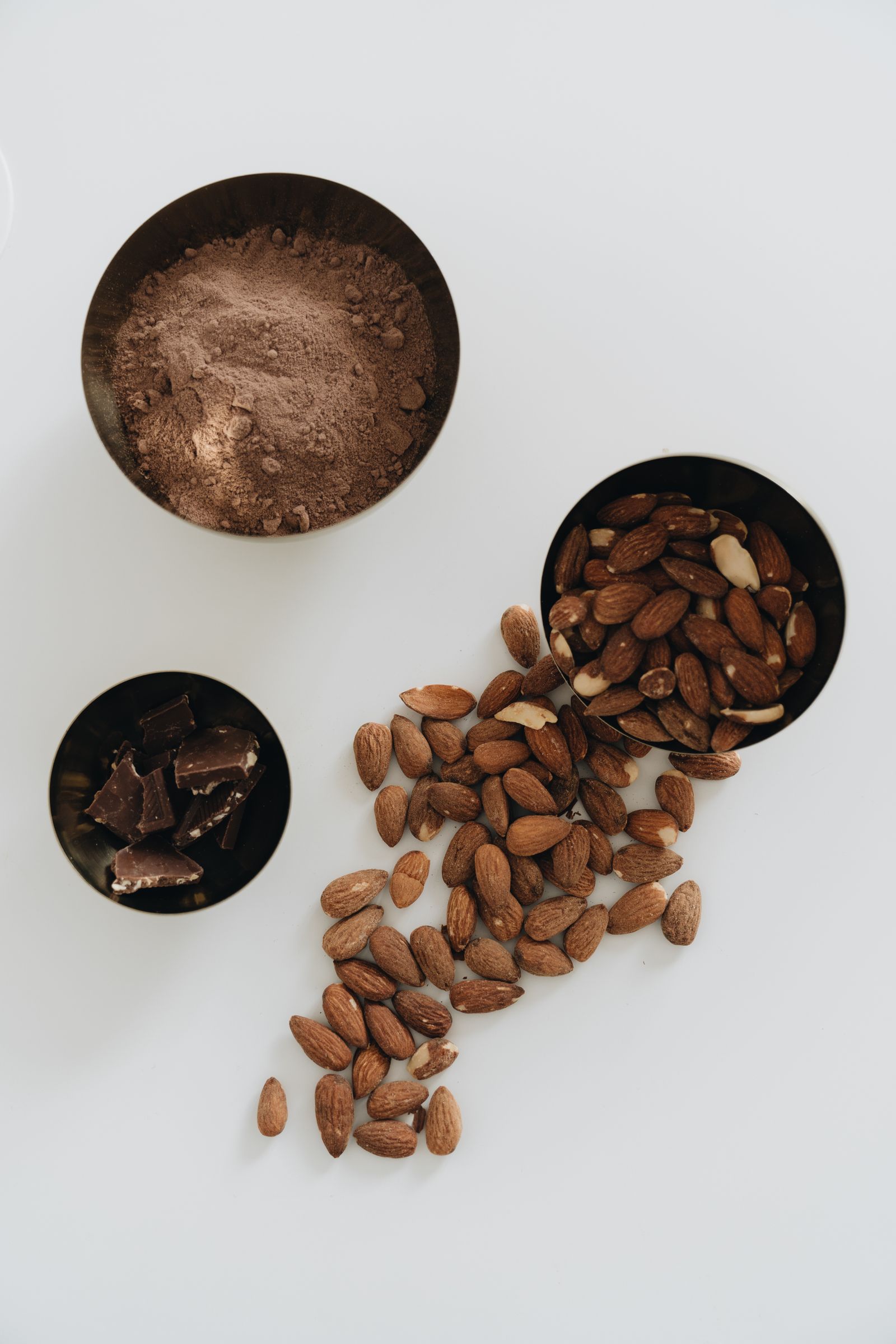
Image credit: Pexels source page. General food-planning illustration; verify current licensing and attribution requirements before publication.
Flying with vegan protein powder
Carry-on screening rules are route-specific. For departures from the United States, TSA advises that powder-like substances over a stated threshold may require additional screening and that travelers may be asked to remove them from carry-on bags. Check the current TSA guidance before departure, and check the equivalent security authority for every other airport.
Practical packing steps:
- Keep the powder in its original, clearly labeled packaging whenever possible.
- Prefer sealed single-serve packets or a small labeled container over an unmarked bag.
- Do not combine several powders in one unlabeled pouch.
- Keep the ingredient list, certification information, and lot details accessible.
- Expect that security officers may inspect or test powders, even when the product is permitted.
- Pack a non-powder backup meal or snack in case screening delays the supplement.
Do not describe a powder as “TSA-approved” based only on a seller’s marketing. Screening decisions are made by the relevant authority at the checkpoint. A brand’s travel packaging can reduce mess, but it cannot override an airport’s rule.
Customs and international border planning
Airport security and customs are separate systems. A powder may pass a security checkpoint but still require declaration or face import restrictions in another country. Rules can depend on ingredients, animal-derived components, agricultural controls, package size, commercial labeling, and whether the product is opened.
Before an international trip:
- Check the destination customs and biosecurity authority.
- Use the original sealed package with a readable ingredient panel.
- Keep the product name and manufacturer information visible.
- Do not decant the powder into a food bag without a label.
- Do not assume a vegan product is exempt from import rules.
- Have a plan to buy a compliant product after arrival if the rule is unclear.
When the consequences of a mistake are high, a destination purchase may be less convenient but more reliable than carrying a large tub across a border. Record the official rule and access date because customs guidance can change.
Mixing and storing powder on the road
Use clean, potable water and a clean bottle or shaker. If water quality is uncertain, use a sealed source that is appropriate for drinking. Follow the product’s mixing directions and avoid leaving a mixed shake unrefrigerated for long periods. A dry powder can be easier to store than a prepared shake, but it still needs protection from moisture, heat, and contamination.
- No shaker: use a clean bottle with enough space to mix, or choose a format that can be stirred into oats or another suitable food.
- Shared accommodation: wash and dry equipment immediately; do not leave protein residue in a communal sink or bottle.
- Hot or humid destination: keep the powder sealed and dry. Moisture can change texture and make measuring unreliable.
- Opened tub: retain the original label and close it firmly. Do not assume an opened product has the same shelf life as a sealed one.
- Prepared shake: make only the amount you can use safely and follow the product’s directions.
For a low-equipment breakfast, pair a verified serving with foods from the hotel room vegan recipes guide. For a broader backup plan, use the best vegan travel snacks guide rather than treating powder as your only food.
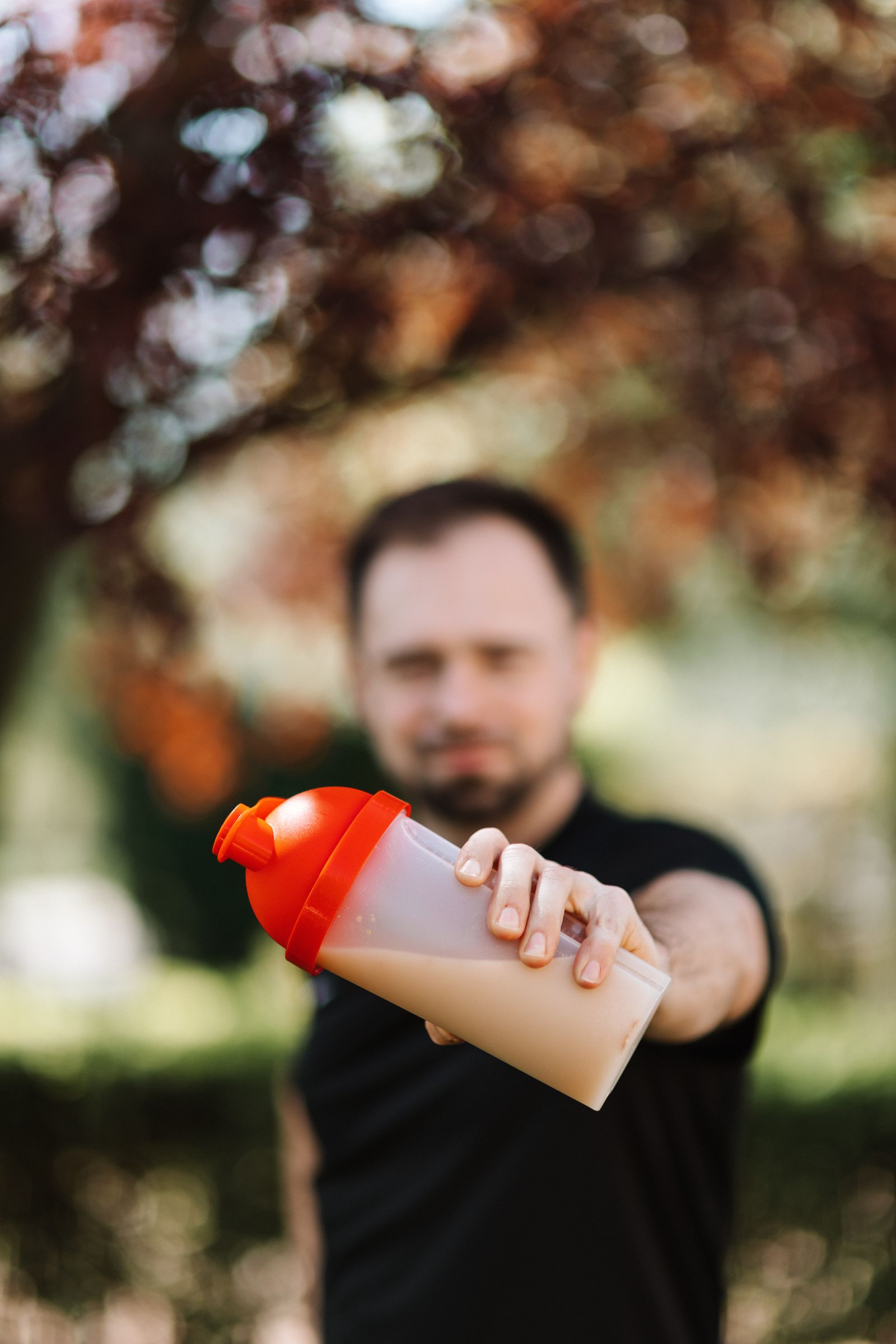
Image credit: Pexels source page. General supplement-packing illustration; verify current licensing and attribution requirements before publication.
Should you buy protein powder abroad?
Buying at the destination can reduce baggage and border uncertainty, but it creates label and availability questions. Use it when you have reliable access to a grocery, pharmacy, sports-nutrition store, or official retailer and can read the local label. Check the product’s vegan evidence, allergens, serving size, quality certification, seal, lot number, and storage before purchase.
Packing from home may be better when you need a known formula, have a serious allergy, require a specific certification, or will be far from reliable shops. A hybrid plan often works well: carry enough for the first travel day and identify a verified replacement route at the destination.
Current travel-format examples to verify
These are examples of official product pages with travel-relevant formats, not universal winners or personal recommendations. Formulas, prices, certifications, sizes, and availability can change. Open the exact regional page and package before relying on a product.
Orgain Organic Plant-Based Protein Powder
The official page shows a 10 single-serve packet option alongside larger sizes. Verify the selected variant, current label, allergens, and regional availability before buying.
Momentous 100% Plant Protein 10-Travel Packs
The official page presents 10 single-serving packets and identifies a pea-and-rice formula. Verify the current flavor, ingredient panel, certification scope, and destination rules.
Common mistakes to avoid
Choosing a new formula on departure day
Travel is a poor time to discover that a sweetener, gum, fiber, or protein source does not suit you. Test the exact flavor and serving method at home.
Using an unmarked bag
An unlabeled powder is harder to verify at security, customs, or during an allergy check. Keep the original package or use a clearly labeled travel portion with the relevant information.
Confusing vegan certification with supplement testing
One may address animal-derived ingredients; the other may address manufacturing, contaminants, or banned substances. Check what the specific certification actually covers.
Assuming more protein is always better
The useful amount depends on the person’s needs and total diet. More servings can add cost, digestive problems, calories, or unnecessary supplement exposure.
Relying on powder as a complete meal
Protein powder may help fill a gap but may not provide enough energy, fiber, fats, vitamins, or minerals. Pair it with an appropriate meal or snack when needed.
Frequently Asked Questions
Can I bring vegan protein powder in carry-on luggage?
Often, but the answer depends on the departure authority, powder amount, packaging, and route. For U.S. departures, check current TSA powder guidance. Keep the product labeled and accessible for inspection, and verify rules for every other airport.
Is all plant-based protein powder vegan?
No. Check the exact product’s ingredients, processing statement, and current vegan certification or manufacturer declaration. Plant-based marketing alone is not enough.
Is pea protein a complete protein?
Do not use a single category label as a complete nutritional assessment. Compare the full amino-acid and nutrition context of the product and the rest of your diet. Individual needs vary.
Should I pack protein powder in its original container?
Original, clearly labeled packaging is usually easier to identify at security, customs, and allergy checks. If you use travel portions, retain the product label and lot information rather than relying on an unmarked bag.
Can protein powder replace meals while traveling?
It may fill a specific gap, but it is not automatically a complete meal. Travel plans still need enough energy, fluids, fiber, and varied nutrients. Use powder as a backup or supplement unless a qualified professional has given you a specific plan.
What is the best flavor for travel?
The best flavor is one you have already tolerated and can drink with the water and foods available on your route. Unflavored or lightly flavored products may be more flexible, but taste remains personal.

One Comment
Comments are closed.