Best Vegan Cheese Brands: Compare Melt, Flavor & Use
Short answer: There is no single best vegan cheese brand for every meal. Choose the format first, then compare the exact product’s current ingredients, allergen statement, storage needs, melt or spread behavior, and local availability. For a quick starting shortlist, investigate Violife, Daiya, Follow Your Heart, Miyoko’s, and regional supermarket brands without treating any one name as a universal winner.
Which vegan cheese brands are best?
The best vegan cheese brand depends on the format and job: slices for sandwiches, shreds for pizza, blocks or wheels for a board, spreads for crackers, or a sauce for pasta. There is no reliable single winner across every category. Start with the meal you are making, then compare the exact product’s current ingredients, allergen statement, storage directions, cooking guidance, and availability.
Updated 24 October 2026. Recheck ingredients, allergen statements, storage directions, prices, availability, and manufacturer guidance before buying.
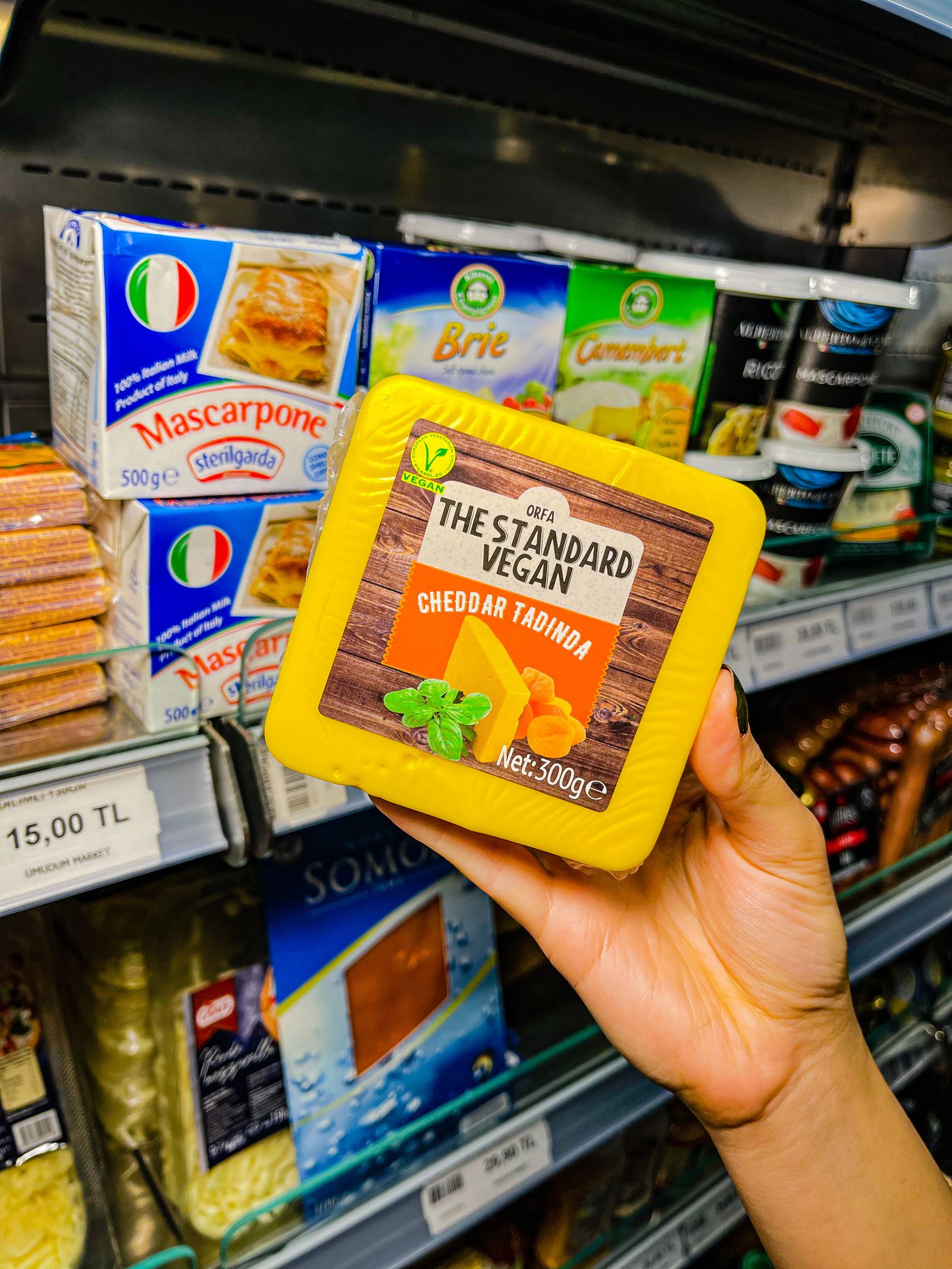
Featured image: Vegan cheddar cheese block. Photo: Enesfilm via Pexels.
For a practical starting shortlist, investigate Violife, Daiya, Follow Your Heart, and Miyoko’s, then add regional brands or supermarket options that meet your needs. Treat those names as research starting points rather than rankings. A brand can make several products with different bases, textures, allergens, and storage requirements. The package in your hand and the manufacturer’s current product page are more useful than a generic brand reputation.
What you’ll find in this guide
Use these text links to jump to the parts that match your decision: comparison criteria, formats, brand research cards, melt testing, storage and allergy checks, and the five-minute buying scorecard.
If you want a quick decision, choose by use case:
Restaurant GuidesPacking GuideItinerary Around Meals
- Everyday slices or shreds: compare the exact format, package storage, and local availability of mainstream brands such as Violife, Daiya, or Follow Your Heart.
- Spreadable or cultured styles: investigate Miyoko’s and other brands whose current product pages match the texture you need.
- Allergy-sensitive shopping: begin with the allergen statement, not the front label. Vegan does not mean free from nuts, soy, wheat, or cross-contact risk.
- Travel: choose the product that fits your refrigeration, serving, and backup plan, even if another product sounds more exciting.
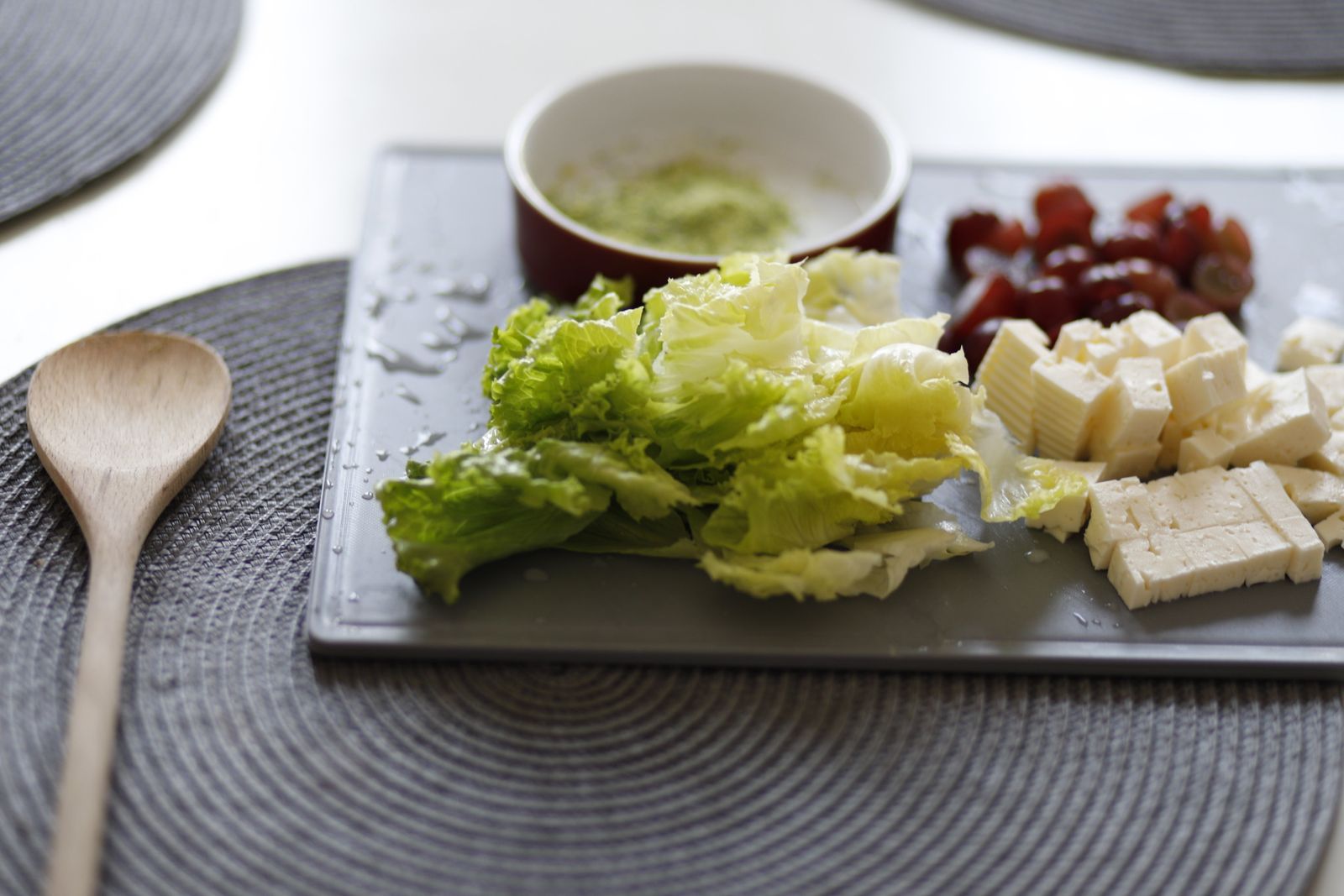
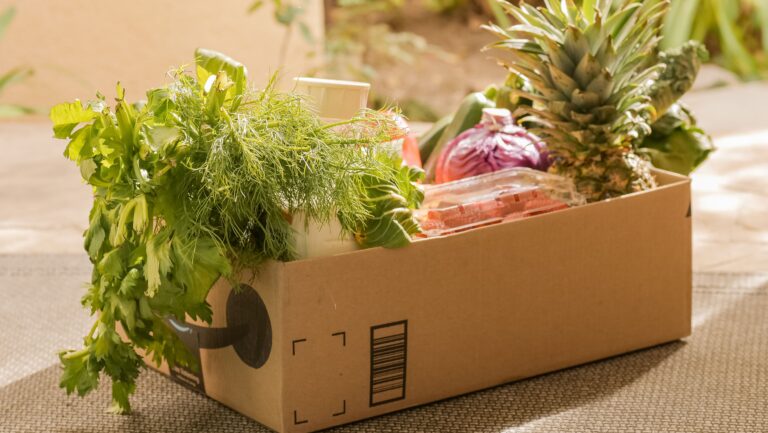
Image credit: Pexels source page. Image used as a general food illustration; verify current licensing and attribution requirements before publication.
How to compare vegan cheese brands fairly
Most “best vegan cheese” lists mix different products and different standards. One brand may perform well as a cold slice while another is designed for melting. A soft cultured spread should not be judged by the same test as a shredded mozzarella-style product. Fair comparison means keeping the format and use case consistent.
Do not convert personal taste into a universal score. If you have not tested the products yourself, say so. If a source reports a taste test, treat that as the tester’s experience rather than a permanent fact. For this guide, the useful promise is a repeatable selection method: match product format to meal, check the current label, and plan storage before buying.
Choose the format before the brand
Vegan slices
Slices are convenient for sandwiches, toasties, burgers, wraps, and quick portions. They are easy to count and pack, but a slice designed to soften in a pan may not be the best cold sandwich slice. Compare firmness, package size, storage, and whether the official product page describes a heated use. For travel, protect slices from heat and crushing, and keep them within the package’s stated temperature guidance.
Vegan shreds
Shreds are designed for coverage over pizza, pasta, casseroles, nachos, and bowls. Their performance depends on moisture, heat, pan size, topping load, and cooking time. “Melts” is not one universal outcome: some products soften, some stretch, some brown, and some work better blended into a sauce. Read the current cooking guidance and test the exact product if the meal is important.
Blocks, wheels, and wedges
Blocks and wheels make sense for snack boards, slicing, grating, or serving a group. They can be more flexible than pre-cut slices, but they may require a knife and dependable refrigeration. Compare the package’s serving instructions, firmness, and opening directions. Do not assume a product marketed as a wheel is shelf-stable or suitable for a long journey.
Spreads and soft cheeses
Soft products work well with crackers, toast, bagels, sandwiches, and grazing boards. Their texture can be very different from a slice or shred, so do not use a soft spread as a substitute for a melt test. Nuts, seeds, soy, coconut, and other bases can matter for allergies. Check whether the product must remain refrigerated and how quickly it should be used after opening.
Sauces and liquid formats
Liquid or ready-made cheese sauces can be useful for pasta, nachos, bowls, and simple accommodation meals. They also create leak, portion, and opening concerns. Check the seal, storage requirement, serving size, and post-opening instructions. A sauce can be a smart option when you have no grater or oven, but it is only travel-friendly if your container and cold-storage plan support it.
What the main ingredient families can tell you
Ingredient families are clues, not quality scores. Two products using the same base can have very different flavors and textures because the rest of the formula, fermentation, starches, salt, fat, and moisture differ. Use ingredient information to screen for dietary needs and likely handling issues, not to promise a taste result the label cannot prove.
Coconut-based formulas
Coconut can contribute richness and a firm or creamy texture. It may be unsuitable for someone avoiding coconut, and warm conditions can change the texture of a refrigerated product. Check the full ingredient list and storage instructions. Do not infer that every product from a coconut-based brand has the same formula.
Cashew, almond, and other nut-based formulas
Nut-based products can appear as cultured spreads, soft wheels, blocks, or sauces. They may be useful for a board or spread, but they are not appropriate for nut-free groups unless the manufacturer’s allergen and cross-contact information supports that decision. A retailer title or recipe blog is not enough evidence for allergy planning.
Soy, pea, chickpea, and other protein ingredients
Protein ingredients can affect texture, flavor, nutrition, and allergen screening. Check the current Nutrition Facts panel if protein content matters, because serving sizes differ. Soy is a major allergen in many labeling systems, and a plant-based product can still require careful separation in a shared kitchen.
Potato, tapioca, and other starches
Starches often help a product soften, stretch, thicken, or hold its shape. They do not tell you whether a cheese will taste good or melt exactly as expected. If you avoid a particular starch or have a medically relevant restriction, read the complete current label and use the relevant authority’s guidance.
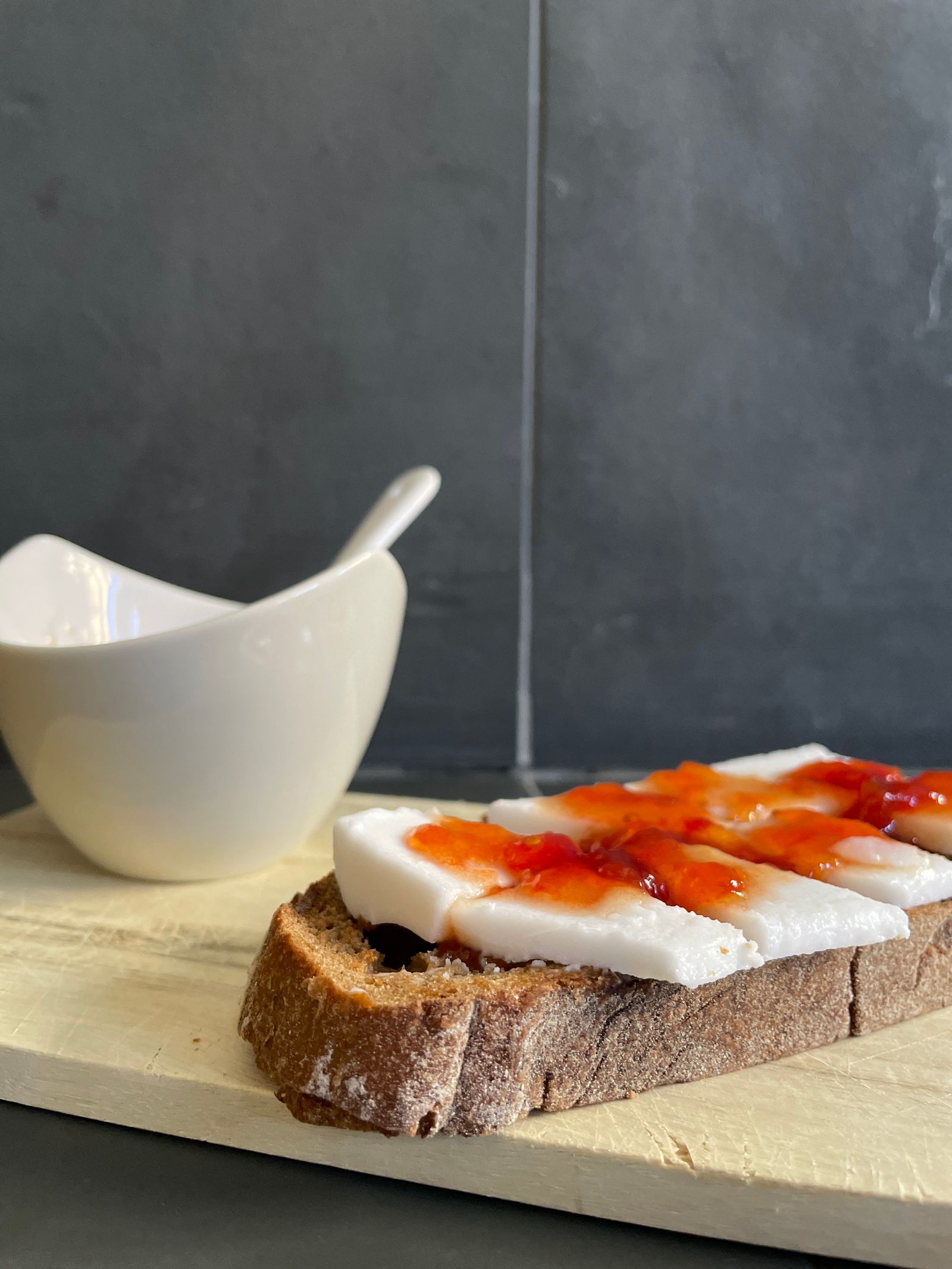
Image credit: Pexels source page. General illustration only; verify current licensing and attribution requirements before publication.
Vegan cheese brands to investigate by use case
The brands below are a research shortlist, not a ranking. Product ranges, formulas, certifications, and distribution can change by country. Open the official product page for the exact item and check the package before purchase.
These are research starting points, not rankings. Product ranges, formulas, certifications, and distribution can change by country. Open the official product page for the exact item and check the package before purchase.
Violife
Investigate Violife when you want several plant-based formats and need to compare slices, shreds, blocks, or specialty styles. Its regional product pages are useful for checking the exact formula, free-from statements, intended use, and current package details.
Daiya
Investigate Daiya when mainstream retail access and multiple formats matter. Do not assume every product has the same ingredients or cooking behavior. Check the exact product page and local stock before planning pizza, sandwiches, or a casserole around it.
Follow Your Heart
Follow Your Heart offers several cheese-style formats. Compare the exact slice, shred, block, or specialty product rather than judging the brand as one formula. Its current shredded-cheese guidance is a useful example of why format-specific cooking instructions matter.
Miyoko’s
Miyoko’s is worth investigating for cultured, spreadable, or specialty-style products. Compare soft or cultured products with their closest format, not with shredded pizza cheese. Confirm the current product family, allergen statement, refrigeration, opening guidance, and availability in your market.
Regional and supermarket brands
Local supermarket brands or smaller regional producers may be the most practical choice for a destination. Use the same scorecard for every candidate: use case, format, ingredients, allergens, storage, package size, and purchase backup.
Which vegan cheese melts best?
There is no dependable universal answer because melting depends on the product, recipe, heat, moisture, surface area, and cooking time. A product can soften without stretching, stretch without browning, or blend smoothly into sauce without behaving like a pizza topping. If melt is your priority, compare products within the same format and use a small test before serving guests.
- Use the exact product and the same portion size for each candidate.
- Keep the bread, tortilla, pasta, pizza base, or sauce method consistent.
- Record softening, spread, stretch, browning, oil separation, and flavor separately.
- Test the product again after refrigeration if it will be used while traveling.
- Choose the result that fits your meal, not the product with the most impressive marketing phrase.
For a travel meal, a dependable spread or shelf-stable backup can be more useful than a product that melts beautifully but requires equipment and strict refrigeration. Link your cheese choice to the rest of your plan with the hotel room vegan recipes guide or the printable vegan grocery list for travel.
Storage, allergens, and travel handling
Most refrigerated vegan cheese should be treated as a refrigerated food unless the package clearly says otherwise. A cooler, insulated bag, or hotel refrigerator is not automatically enough: follow the product’s own instructions and the food-safety guidance relevant to your destination. Keep packaging available so you can recheck the label after opening.
- Before buying: confirm the exact product, package size, current label, and storage instruction.
- During transport: keep refrigerated items protected from heat and direct sun, and avoid leaving them in a parked car.
- At the destination: identify a refrigerator, cooler, or nearby replacement before opening the package.
- For allergies: read the current allergen and cross-contact statement every time, especially when formulas or countries change.
- For groups: label the product and use clean utensils rather than assuming a shared board is safe.
- For backups: pack a non-cheese option from the vegan travel snacks guide in case the product is unavailable or storage fails.

Image credit: Pexels source page. General planning illustration; verify current licensing and attribution requirements before publication.
A five-minute vegan cheese buying scorecard
Use this scorecard when comparing two or three candidates. It prevents a persuasive front label from replacing the information you actually need.
A simple note with those five answers is more useful than a long unsourced ranking. If two products pass, choose based on price, package size, taste preference, and convenience only after the safety and storage checks are complete.
Common mistakes when buying vegan cheese
Assuming the brand tells you everything
Brand familiarity cannot replace the exact product label. A manufacturer can sell several formats with different bases and allergen profiles. Save the product name and check the current regional page.
Using a retailer title as the ingredient source
Retailer listings can be shortened, outdated, or missing cross-contact information. Use them to locate stock, then verify the product through the package and official source.
Calling a product allergy-safe because it is vegan
Vegan describes the absence of animal-derived ingredients in the product’s intended formula. It does not automatically mean nut-free, soy-free, gluten-free, or safe from cross-contact. Use the relevant medical and regulatory guidance for your situation.
Testing only the cold texture
A good cold slice may disappoint in a sauce, while a shred that looks ordinary may work well under a broiler. Match testing to the meal you will actually serve.
Planning the cheese but not the storage
Refrigeration is part of the buying decision. If you cannot store the product safely, choose a different meal or a backup that fits your route. The vegan travel gear guide can help with containers and cooling equipment.
Frequently Asked Questions
What is the best vegan cheese brand overall?
There is no universal best brand. Choose the exact product that fits your format, meal, ingredient restrictions, storage access, and local availability. Use the shortlist in this guide as a starting point, then verify the current package.
Which vegan cheese is best for pizza?
Compare shredded or pizza-specific products using the same oven and recipe. Melting, browning, stretch, and moisture are separate results, so test the exact product when the outcome matters.
Is vegan cheese safe for people with dairy allergies?
Many vegan cheeses are made without dairy ingredients, but you must read the current label and cross-contact statement. Vegan does not automatically guarantee suitability for a medically diagnosed allergy.
Does vegan cheese need refrigeration?
Follow the package directions. Many refrigerated products require a cold chain before and after opening. Do not infer shelf stability from the word “vegan” or from a retailer listing.
Can vegan cheese travel?
Yes, if the product’s storage requirements match your route. Plan cooling, serving time, utensils, and a backup meal before packing it. For broader planning, see vegan travel planning tips.
How do I compare two brands fairly?
Compare the same format and use case, then record current ingredients, allergens, storage, cooking behavior, package size, and availability. Avoid treating a reviewer’s personal rating as a permanent product fact.