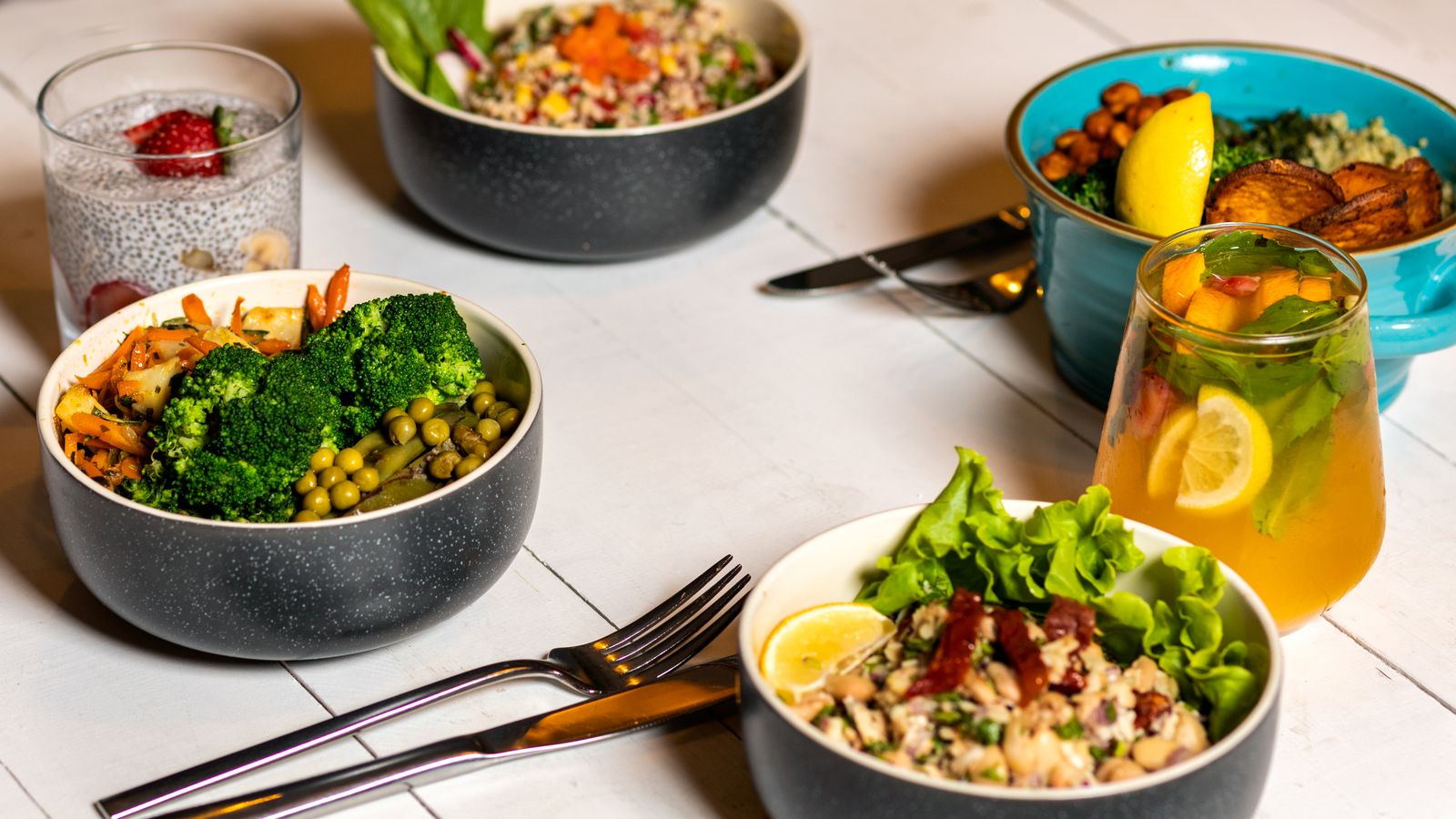
7 Vegan Food Guides for Travel, Meals, and Backups
Short answer: Use this hub to plan one dependable meal, one realistic backup, and one low-effort food option for each travel day. Start with the route, then verify menus, groceries, labels, transport rules, and accommodation access before you leave.
Vegan food guides for travel work best when they solve a decision. A traveler needs to know where the next meal can come from, what to buy when plans change, how to check ingredients, and what to carry when reliable food is far away. This hub connects those decisions instead of treating restaurants, groceries, snacks, and products as separate subjects.
The practical goal is not to plan every bite. It is to create one dependable meal, one realistic backup, and one low-effort food option for each travel day. That structure gives a traveler confidence without removing flexibility.
Updated 24 October 2026. Image sources and article links were checked before publication. Featured photo: Farhad Ibrahimzade/Pexels. Menus, labels, prices, opening hours, and local availability can change, so recheck important details with the current provider.
What you’ll find in this guide
Choose the part of the trip you need to solve, then jump directly to that section.
- City meals and restaurant verification: find candidates, verify the current menu, and keep a nearby backup.
- Flights, trains, and long transfers: request food early and carry a rules-aware backup.
- Accommodation and groceries: protect breakfast, late arrivals, and simple room meals.
- Products and labels: compare ingredients, storage, materials, and local availability.
- Dietary risk and allergies: separate vegan suitability from allergy and cross-contact questions.
- Focused VJM guides: open the detailed restaurant, packing, itinerary, resources, menu, and recipes guides.
What this vegan food travel hub covers
Vegan food planning has several layers. Restaurant research helps with planned meals. Grocery research protects early arrivals, long transfers, and remote stays. Product guidance helps with labels and storage. Packable food fills the gaps between those options. A useful system connects all four.
| Travel problem | Best starting point | What to verify |
|---|---|---|
| A planned meal in a city | Restaurant and menu guides | Hours, current menu, vegan preparation, booking rules |
| A late arrival or closed kitchen | Grocery and pantry planning | Store hours, storage, cooking access, local labels |
| A long transfer or road route | Travel snacks and drinks | Shelf life, packaging, security or customs rules |
| A product purchase | Product verification checklist | Ingredients, materials, warranty, return terms |
Key takeaways for planning vegan food on the road
- Choose food anchors near places already included in the route.
- Keep a second meal option within a realistic distance.
- Use official menus and labels for confirmation, not just directory tags.
- Carry a small backup that matches the transport and destination rules.
- Separate vegan suitability from allergy safety and cross-contact questions.
- Recheck time-sensitive details shortly before departure.
Match the food plan to the trip
The right amount of research depends on how easy it will be to replace a missed meal. Use this quick fit check before you start saving links.
| Trip profile | Minimum dependable plan | Add when the risk is higher |
|---|---|---|
| City break | One verified meal zone and one nearby backup. | Grocery stop for breakfast or late arrival. |
| Flight or train transfer | Confirmed meal request and compact food for delays. | Check security, customs, and station or terminal access. |
| Road trip | Mapped grocery or fuel stops with shelf-stable food. | Cool storage, route closures, and a second stop. |
| Camping or remote stay | Packable meals, water, preparation method, and storage plan. | Extra food for weather, access, or delayed transport. |
| Allergy or strict dietary need | Written food brief and direct provider confirmation. | Separate cross-contact questions and a safer fallback. |
1. Start with the route, not a restaurant list
The route determines when food decisions matter. A traveler arriving at an airport after midnight needs a different plan from a traveler spending a full afternoon in a dense restaurant neighborhood. A road trip needs planned grocery stops and storage. A rural stay may need accommodation confirmation before booking. Start by marking transport changes, sleep locations, long gaps, and places where replacement food will be difficult.
Then choose one realistic meal zone for each important part of the route. A meal zone can be a neighborhood, station area, market, supermarket cluster, or hotel district. It is more useful than saving dozens of pins across a whole city. The Trip Planning guide explains how to place those food zones inside a flexible itinerary.
2. Find vegan restaurants and verify the details
Discovery tools are useful for finding possibilities, but they are not proof that a restaurant is open or fully vegan. Look for the current official website, current menu, booking channel, phone number, and recent operating information. Compare those details with a reliable map listing or recent independent evidence. When the sources disagree, treat the venue as uncertain.
Verification should match the risk. A missed lunch in a central city may be inconvenient. A missed meal before a remote transfer may disrupt the entire day. Give more attention to the restaurant that anchors a difficult travel segment. The Vegan Restaurant Guides guide organizes discovery, ordering, menu reading, and backup planning in one place.
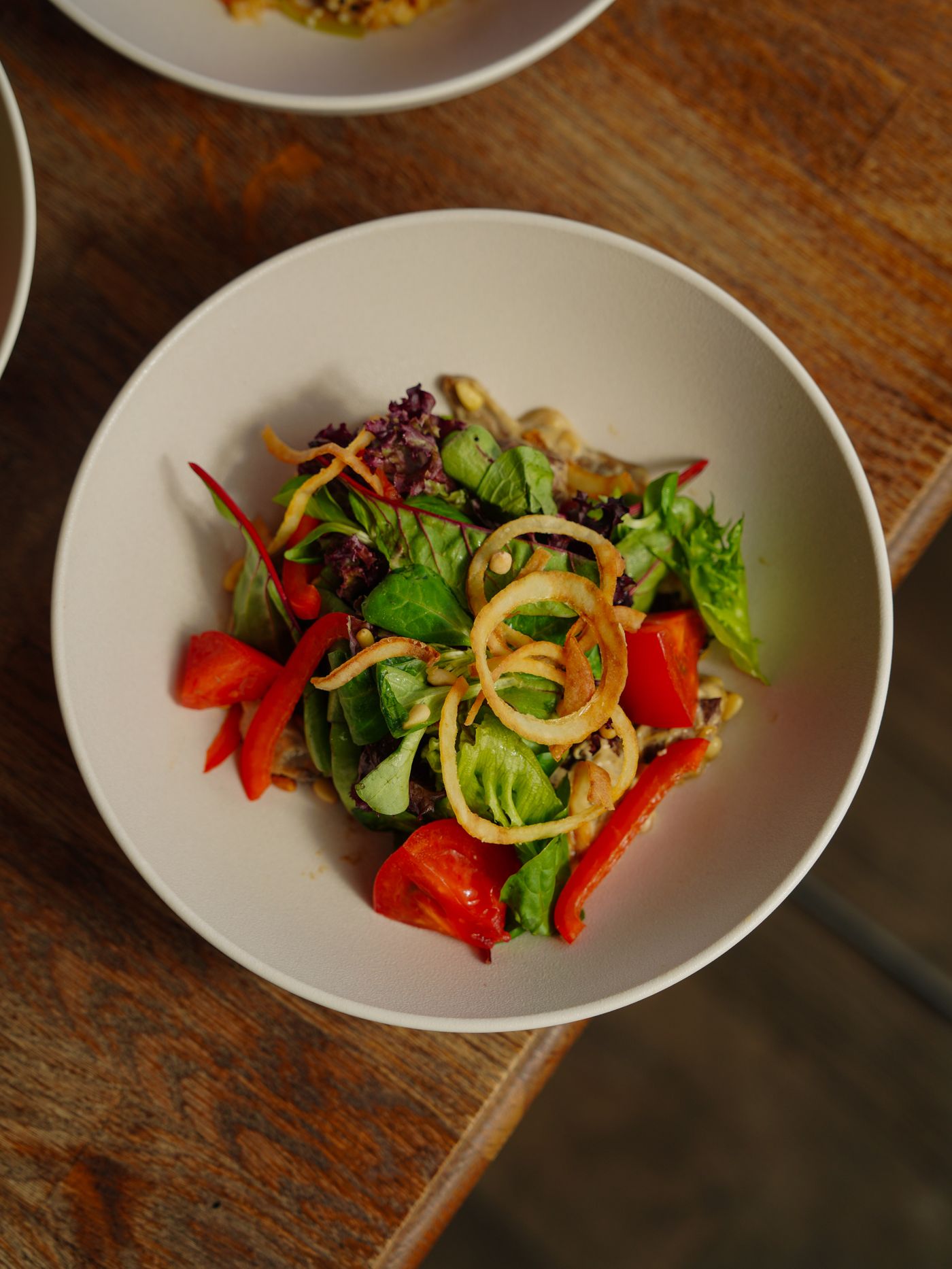
3. Read menus beyond the word vegan
A menu can use plant-based language without answering every question a vegan traveler has. Check sauces, stocks, dressings, toppings, marinades, breads, desserts, and cooking methods. Terms such as vegetable, garden, vegetarian, dairy-free, or meat-free may have a narrower meaning than a traveler expects.
Ask focused questions instead of giving a long list that staff cannot answer. A useful question identifies the ingredient or preparation risk: whether a sauce contains dairy, whether a broth contains fish, whether a dish is cooked in butter, or whether a shared grill is used. The menu-reading guide provides a detailed process for this work.
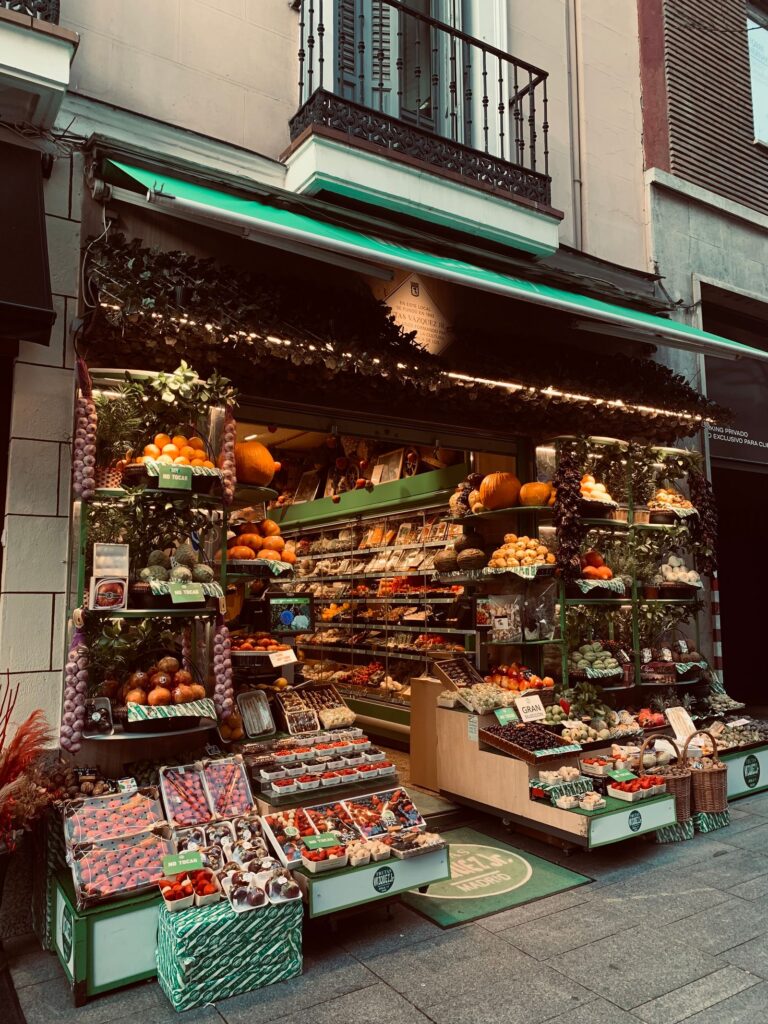
4. Use grocery stores as a planning tool
Grocery shopping is not only an emergency measure. It can provide breakfast, transit food, hydration, ingredients for a simple room meal, and a backup when restaurant hours do not match the itinerary. Before relying on a store, check its location, opening hours, payment options, refrigeration access, and the amount of food that can be carried safely.
Packaged food still needs label checking. Read the ingredient list rather than relying only on a front-of-pack claim. Check allergen statements and country-specific labeling. If the product is important to the trip, photograph the label or save the official product page while online.
5. Build a shelf-stable backup without overpacking
A backup should be small enough to carry and useful enough to prevent a bad decision. Good options depend on the route, personal needs, heat, storage, and local restrictions. A traveler might choose sealed snacks, instant foods that match available hot water, dry breakfast items, or a small grocery kit for a room with a refrigerator.
The right quantity depends on the gap being covered. A two-hour transfer does not need the same food plan as a full day in transit. Avoid packing products that melt, leak, crumble, or require equipment that may not be available. The Vegan Travel Packing List helps place food inside the wider packing system.
6. Plan drinks, caffeine, and hydration
Drink planning is often overlooked because travelers focus on meals. Coffee, tea, milk alternatives, electrolyte products, and safe water access can affect comfort and timing. A traveler who depends on one specific drink should confirm whether it is available locally or carry a flexible alternative.
Do not treat a plant-based drink as a guarantee that the preparation is vegan. Ask about syrups, powders, toppings, whipped products, and shared equipment when those details matter. The same verification habit applies to smoothies, desserts, cocktails, and packaged beverages.
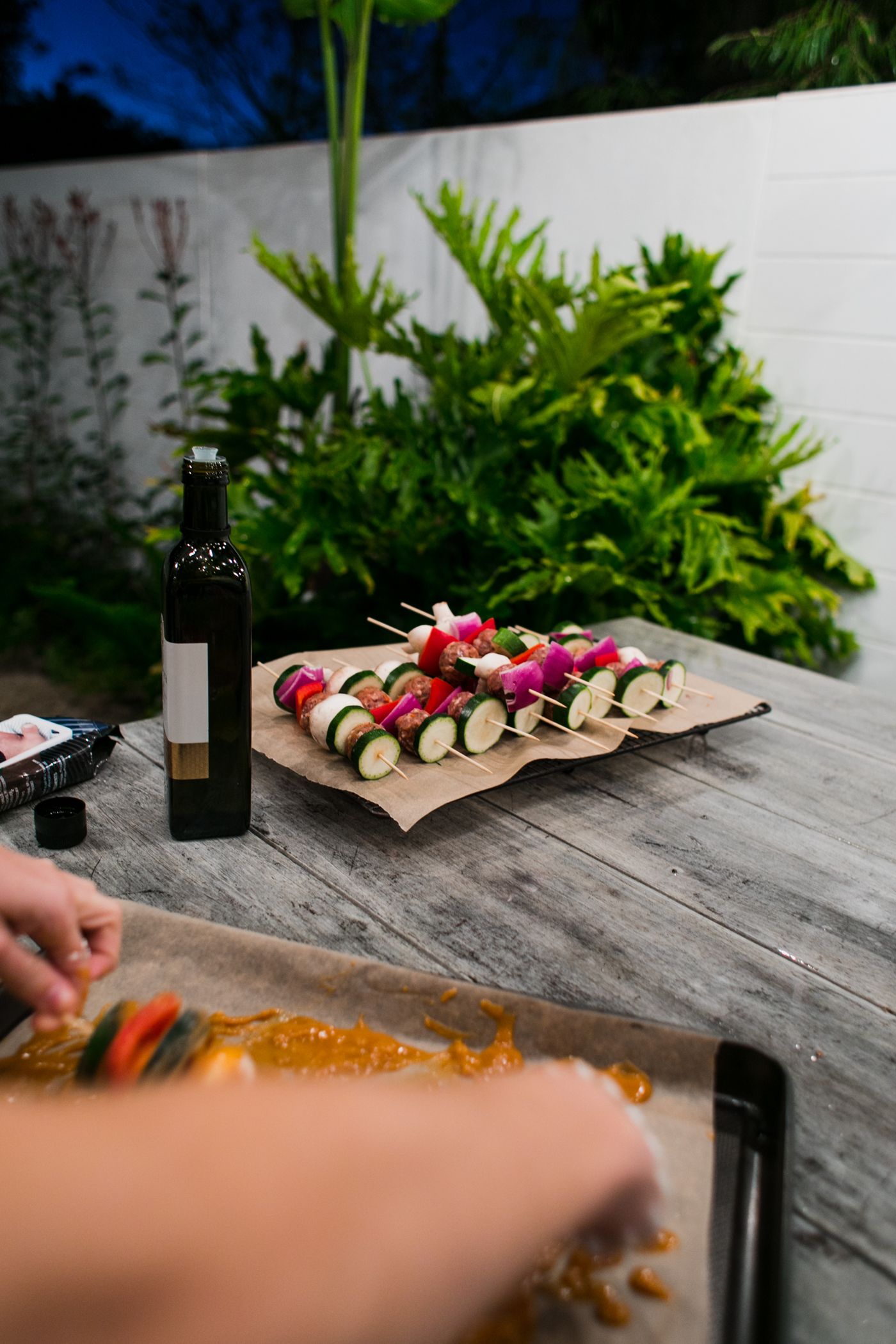
7. Compare products by travel job
A travel product should have a clear job. A leak-resistant container protects food in a bag. A compact utensil set reduces dependence on disposable items. A shelf-stable product fills a known meal gap. A grocery list reduces decision fatigue in an unfamiliar store. Start with the problem, then compare products.
For food products, check ingredients, allergens, package size, storage temperature, expiry date, and country availability. For equipment, check dimensions, weight, materials, cleaning, warranty, and return terms. Do not assume that a vegan label covers every component, adhesive, lining, or accessory.
8. Separate vegan suitability from allergy safety
Vegan and allergy questions overlap, but they are not identical. A dish can contain no animal ingredients and still be unsafe for someone with an allergy because of shared equipment or cross-contact. A traveler with a diagnosed allergy should communicate the medical risk clearly and use current provider guidance.
When the consequence of a mistake is serious, use a written explanation, confirm the response, and choose a venue or product with a process that matches the risk. Do not make a broad safety claim based on one menu symbol or a staff member’s quick reply.
9. Plan food around accommodation
Accommodation changes what food is practical. A room without refrigeration limits storage. A kitchenette may have a refrigerator but no oven. A hostel kitchen may have shared equipment and limited space. A hotel may provide breakfast but not confirm the ingredients. Ask specific questions before booking if the room’s facilities are central to the food plan.
Choose food that fits the actual equipment. A no-cook plan is more reliable than buying ingredients that need a full kitchen. If a refrigerator is promised, confirm its size and access. If a delivery is important, check address coverage, payment, arrival windows, and the process for a missed delivery.
10. Create a day-by-day food backup map
For each difficult day, write down the primary meal, backup meal, grocery option, and carried snack. Include the address, opening window, route time, and the point at which the traveler should switch to the backup. This turns a vague worry into a simple decision rule.
A backup map should stay flexible. A restaurant may be full even when it is open. A train may be late. A market may close for a local holiday. The purpose is not to predict every event. It is to make the next safe food decision obvious when the original plan changes.
How to check food information before departure
- Save the current official menu, product page, or store details.
- Record the date you checked the information.
- Confirm location, hours, booking rules, and payment method.
- Note the question that still needs an answer.
- Prepare a backup that does not depend on the same uncertain detail.
Common mistakes in vegan travel food planning
The most common mistake is confusing availability with reliability. A search result may show a restaurant, but it does not confirm today’s hours. Another mistake is planning only the ideal meal and ignoring the transfer between cities. Travelers also overpack food that is difficult to store, assume vegetarian means vegan, and wait until arrival to solve a language or ingredient problem.
A better process is deliberately boring. Verify the important meal, choose a nearby alternative, save a grocery route, carry a modest backup, and recheck details before leaving. That process reduces both stress and waste.
Frequently used internal guides
These focused guides turn the hub into an actionable next step. Each card explains when to use it and gives you a direct route into the detail.
Vegan Restaurant Guides
Use this when you need restaurant discovery, menu verification, ordering questions, and a backup venue.
Vegan Travel Resources
Use this for source checking, travel tools, transport information, and provider policies.
How to Read Menus When You Are Vegan
Use this when a menu says plant-based but the ingredients, sauces, or shared preparation are unclear.
Vegan Travel Packing List
Use this for snacks, containers, drinks, food storage, and a backup that fits the route.
Itinerary Around Meals
Use this to place food anchors, grocery stops, and realistic buffers inside each day.
Vegan Travel Recipes
Use this for simple accommodation meals, transit food, and practical ideas when restaurant access is limited.
Choose food tactics by transport type
| Transport setting | Food risk | Practical response |
|---|---|---|
| Airport or flight | Delays, security limits, missing meal service | Request early, carry compliant backup food, and save the confirmation offline |
| Train or bus | Short stops and limited onboard choices | Eat before boarding, check station options, and keep compact food ready |
| Road trip | Long distances and closed services | Map grocery and fuel stops, use a cooler when suitable, and plan a shelf-stable fallback |
| Ferry or boat | Fixed departure times and limited vendors | Confirm meal service, pack before boarding, and protect food from heat or leakage |
Keep a written food brief
A short food brief helps when several people are making decisions. It can list the traveler’s dietary requirement, allergy information if relevant, foods to avoid, preferred staples, and the questions that need an answer. Keep the brief factual and easy to translate. A written note does not replace a conversation, but it reduces the chance that an important detail is forgotten during a rushed transfer.
Save the brief with the booking details, accommodation address, and emergency contacts. If the trip crosses borders, review whether any packaged food can be carried into the destination. Rules vary, and a product that is allowed through one checkpoint may be restricted at another. When uncertain, use official customs or transport guidance rather than a social post.
Make the plan easy to update
Food information changes often enough that a static list can become misleading. Keep a simple review date beside each important restaurant, grocery store, or product page. Recheck the meal that anchors a transfer, not every possible option. If the primary choice changes, update the backup at the same time. This keeps the plan useful without creating a second job.
Turn the food plan into a simple travel worksheet
For each difficult day, write the arrival point, primary meal, backup venue, grocery option, carried food, storage need, and the date each detail was checked. This worksheet helps a traveler act quickly without reopening every search result. It also makes it clear which option depends on a restaurant, which depends on a store, and which option remains available when both fail.
Keep the worksheet short enough to use offline. Add a note for the question that still needs an answer, such as a sauce ingredient, store opening window, or customs rule. The point is not to collect more information. It is to identify the next safe and realistic food decision.
Make food research proportional to the trip
A short city stay does not need the same research as a remote route, a group trip, or a journey with a strict arrival time. Match the effort to the consequence of failure. For an ordinary lunch, a current menu and nearby backup may be enough. For a late arrival, medical diet, long transfer, or limited-service destination, confirm more details and carry more support.
Use a simple priority order: first protect meals that are hard to replace, then prepare grocery and carried-food support, then research optional choices. This order keeps the planning useful when time is limited. It also prevents a traveler from spending hours comparing restaurants while leaving the first arrival meal uncertain.
Keep food evidence easy to update
Save the official menu, store page, product label, or provider response with the date checked. Add a short note about what the source actually confirms. A page may confirm opening hours but not vegan preparation. A product page may confirm ingredients but not local stock. Precise notes prevent one source from being treated as evidence for a different claim.
At the end of each day, update only the decisions that changed. Remove closed venues, revise the backup, and note which food was useful. A smaller current plan is safer than a large archive of old links.
Frequently Asked Questions
What is the best first step for planning vegan food while traveling?
Start with the route and the hardest meal gap. Identify where the traveler will sleep, change transport, or arrive outside normal opening hours. Then choose one dependable meal, one nearby backup, and one carried option for that segment.
Should travelers rely on vegan restaurant apps?
Apps are useful discovery tools, but their listings can become outdated. Use them to find candidates, then confirm current hours, menus, address, and vegan preparation through the restaurant or another current source.
How much vegan backup food should a traveler pack?
Pack enough to cover the most difficult realistic gap, not every possible delay. Consider route length, storage, heat, security rules, customs rules, and whether a grocery store will be available after arrival.
Is vegetarian food always safe for vegans?
No. Vegetarian dishes may contain dairy, eggs, butter, honey, fish sauce, or animal-based stock. Ask about the full preparation and do not treat a vegetarian label as a vegan confirmation.
How can travelers check whether packaged food is vegan?
Read the current ingredient list and allergen statement. Check the manufacturer’s local product page when formulations may differ by country. If an ingredient is unclear, choose a product with simpler labeling or contact the manufacturer.
What should a traveler do when the planned vegan meal fails?
Switch to the preselected backup rather than spending the entire day searching. Use a grocery or carried-food option when necessary, then record what changed so the next day can be adjusted.
Conclusion
Reliable vegan food planning is a small system of verified choices. Build meals around the route, confirm the details that matter, use groceries as a normal planning tool, carry a proportionate backup, and leave enough flexibility for real travel. The strongest plan is not the longest restaurant list. It is the plan that still works when one part changes.
Useful Sources And Verification
Use these first-party sources to confirm changing rules, transport details, food safety information, and provider policies before travel. The article gives a planning framework, not a permanent guarantee.
- U.S. Transportation Security Administration food guidance for checking what food can travel through U.S. security screening.
- U.S. Food and Drug Administration food labeling guidance for checking current ingredient and allergen labeling information.
- European Union Your Europe travel rules for checking food and baggage rules for journeys involving the EU.
- CDC Travelers’ Health for reviewing destination-specific health information before departure.