Things to Do in Santiago, Chile for Vegan Travelers: A Practical City Guide
Updated 26 October 2026 · Practical city guide · Verify changing details before travel
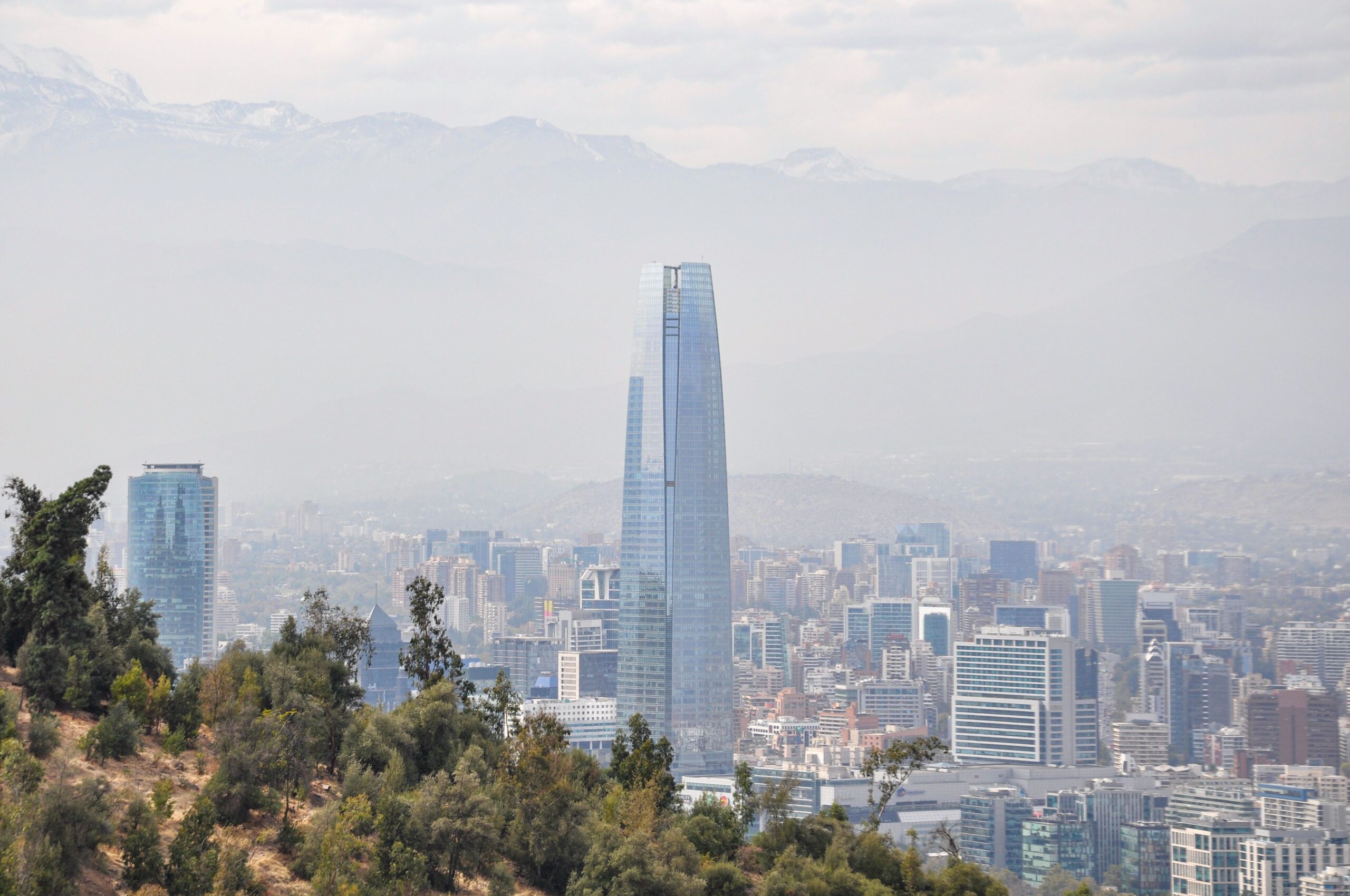
Featured image credit: Santiago skyline with the Andes Mountains. Photo: Nikolai Kolosov/Pexels.
What you’ll find in this guide
Start with neighbourhood route planning, then compare Santiago viewpoints, dependable vegan food, museums and culture, city transport, day trips, and safety and comfort checks.
1. How should you plan Santiago by area?
For a first visit, think in clusters rather than isolated attractions. The historic centre, Cerro Santa Lucía, Lastarria and Bellas Artes can make one walkable culture day. Bellavista and Cerro San Cristóbal can make a viewpoint-and-neighbourhood day. Providencia and Las Condes work well for modern-city views, shopping, and a planned meal.
| Day shape | Good fit | Vegan-planning check |
|---|---|---|
| Historic and cultural | Plaza de Armas, La Moneda area, museums, Lastarria | Book or verify lunch before you leave the centre. |
| Views and walking | Cerro San Cristóbal, Bellavista, or Santa Lucía | Check weather, walking effort, water, and a nearby meal. |
| Modern Santiago | Providencia, Costanera Center, Sky Costanera | Use current transport and ticket information. |
| Flexible food day | Barrio Italia, markets, cafés, groceries | Keep a sealed-food backup if menus are unclear. |
2. Which Santiago viewpoints are worth planning?
Cerro San Cristóbal
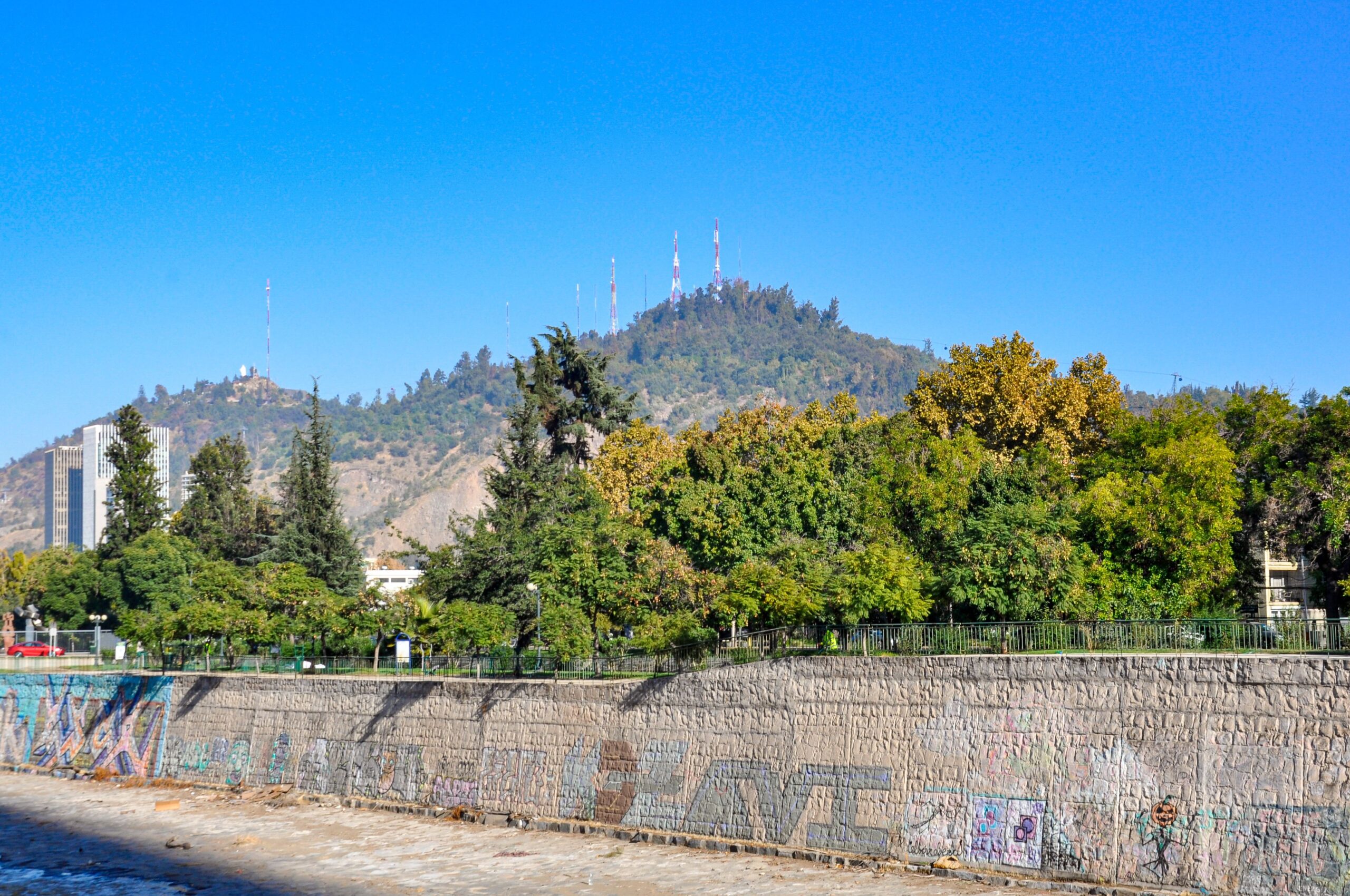
Plan Cerro San Cristóbal as part of a Bellavista or Parque Metropolitano day, not as a quick photo stop guaranteed to fit between unrelated bookings. The route may involve walking, the funicular, the cable car, or other local transport. Check current operating information and weather close to the visit.
Sky Costanera
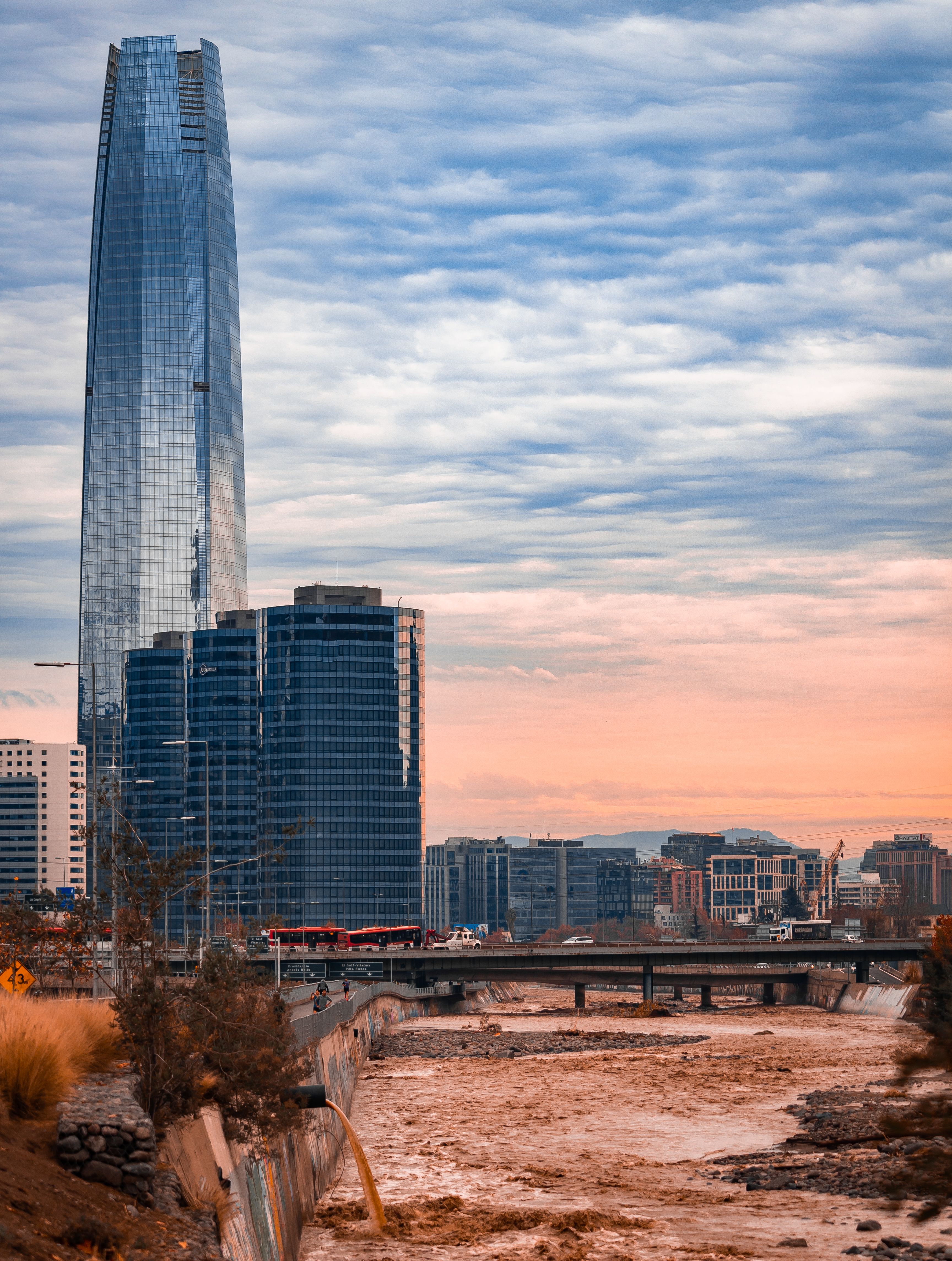
Sky Costanera’s official site describes a 360-degree observatory at 300 metres in the Gran Torre Costanera and directs visitors to check climate conditions. Its official FAQ says standard hours are normally 10:00–21:00 for the viewpoint, with holiday variations, so verify the live page before booking. It is a useful weather-flexible alternative, not a substitute for checking visibility.
3. Which neighbourhoods work well for a vegan day?
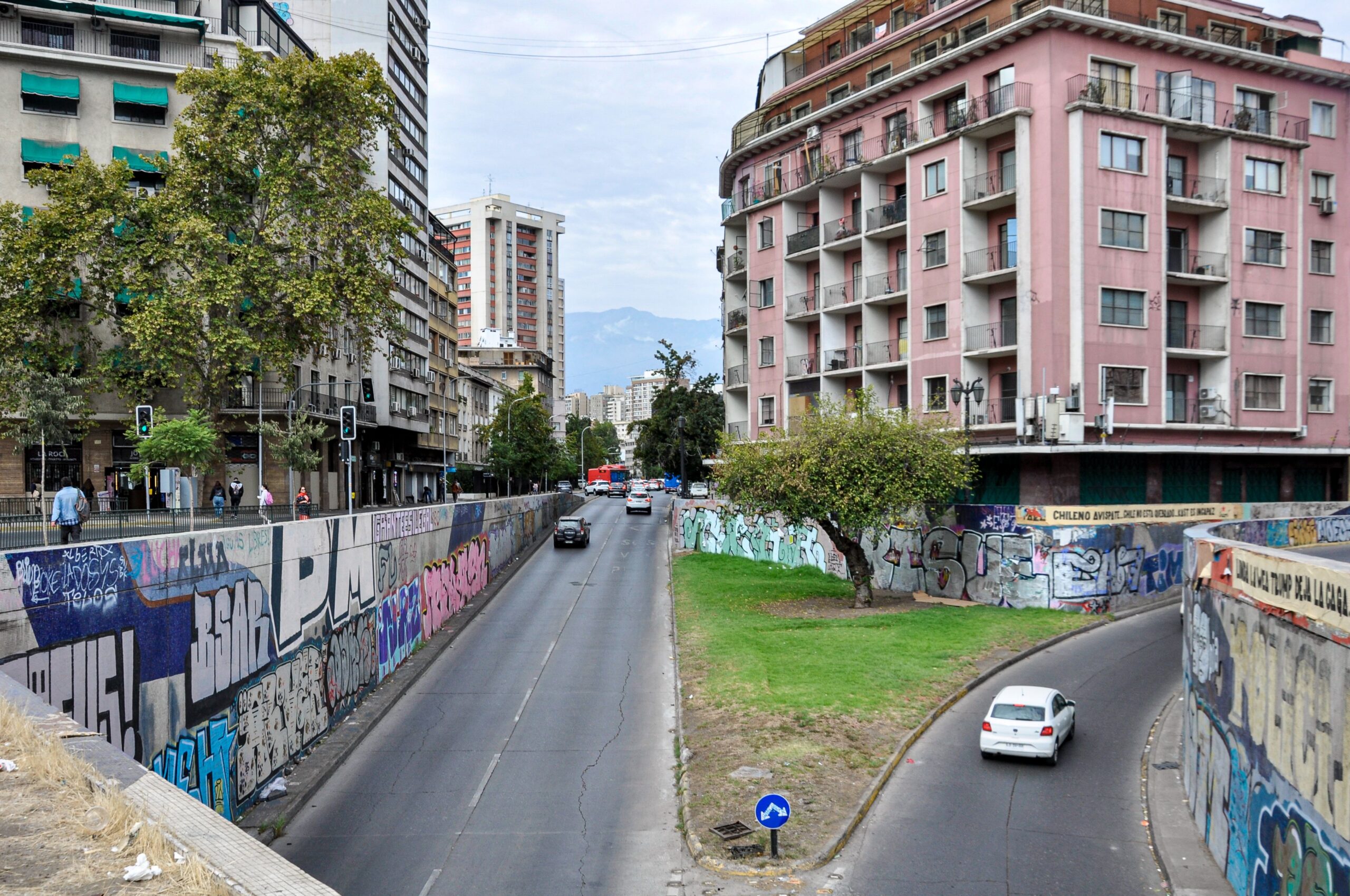
Lastarria and Bellas Artes
Good for galleries, museums, cafés, bookshops, and a compact walking day. Verify restaurant hours because popular areas can change quickly.
Bellavista
Useful for street art, nightlife, and access toward Cerro San Cristóbal. Plan the return route and keep valuables discreet in crowded areas.
Barrio Italia and Ñuñoa
Better for a slower food-led day, independent shops, cafés, and groceries. Use current venue information rather than an old list.
4. How can you find dependable vegan food in Santiago?
A current Santiago vegan food guide lists fully vegan examples across areas including Barrio Italia, Providencia and Bellavista, but it also shows why details need checking: menus and prices are presented as observations for a specific period, not permanent guarantees. Use discovery guides to shortlist, then check the venue’s current menu, social page, booking channel, or direct message.
- Ask whether the venue is fully vegan, vegetarian with vegan options, or mixed.
- Check stock, sauces, bread, cheese, egg, honey, desserts, and shared fryers.
- For allergies, ask about cross-contact separately from vegan preference.
- Save one grocery or supermarket option near accommodation.
- For day trips, eat before departure or pack a complete meal rather than relying on an uncertain stop.
5. What museums and cultural stops fit the route?
For a central culture day, consider the historic centre, Plaza de Armas, the La Moneda area, Lastarria, Bellas Artes, and one museum that matches your interests. For a memory and history-focused day, check the current details for the Museum of Memory and Human Rights and leave time for a quieter meal afterwards. Do not turn a serious museum visit into a rushed checklist.
| Interest | Route idea | Before you go |
|---|---|---|
| History and civic Santiago | Plaza de Armas and La Moneda area | Check official opening and security information. |
| Art and architecture | Bellas Artes, Lastarria, Parque Forestal | Verify exhibitions, hours, and nearby food. |
| Modern history | Museum of Memory and Human Rights | Allow emotional space and a flexible meal plan. |
6. How should vegans get around Santiago?
Use the official Red Movilidad trip planner for current route information. The network’s official overview explains that buses, Metro, and the Nos train are integrated, and that Metro has seven lines. These details are more useful than copying an old fare table into a travel article.
Leave margin for walking between stations, queues, stairs, and a wrong platform. For late dinners, check the practical last connection rather than assuming a map app’s fastest daytime route will still work.
7. Which Santiago day trips need extra planning?
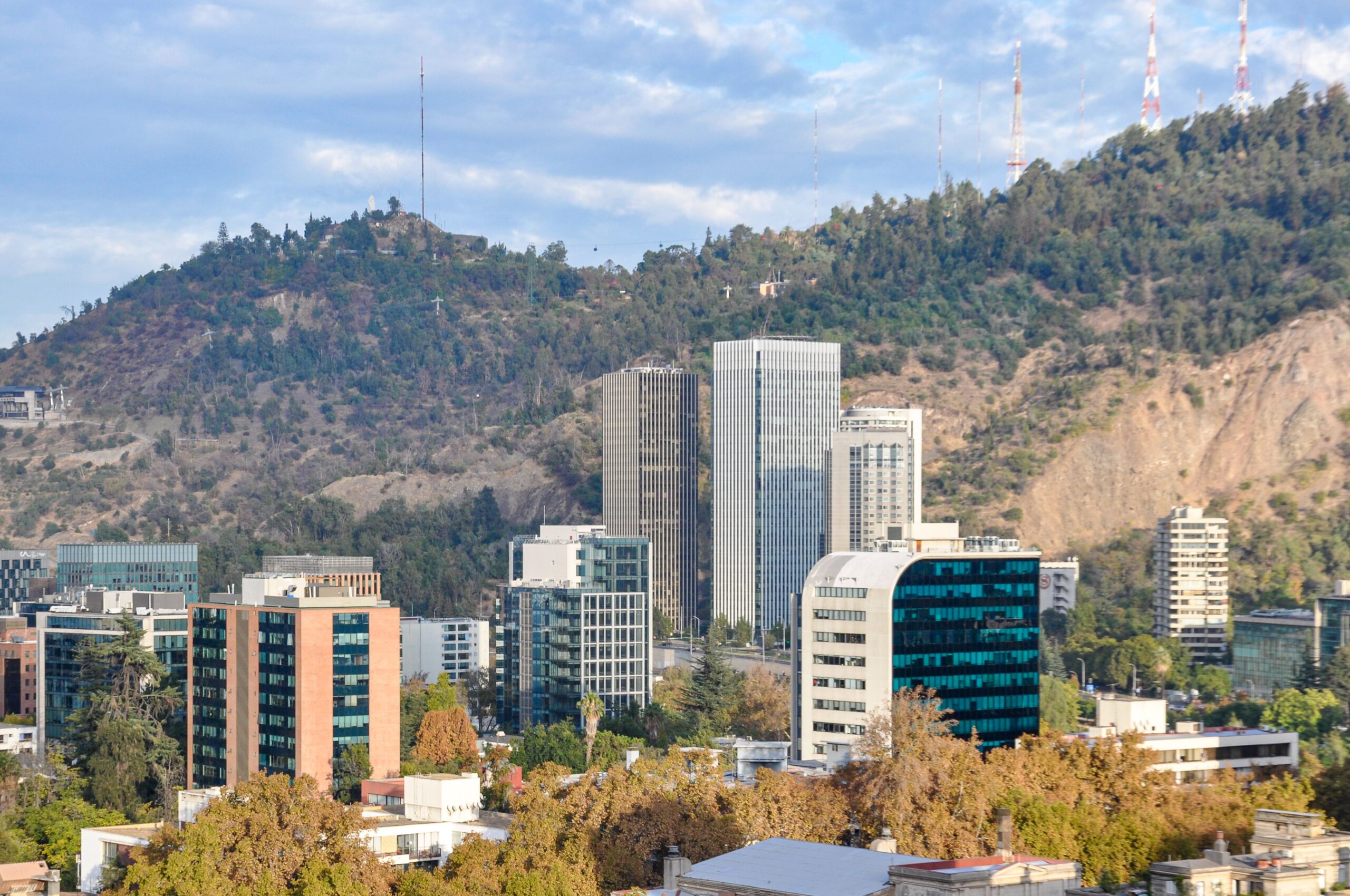
Chile Travel’s current day-trip guide lists options including Cajón del Maipo, El Yeso Reservoir, El Morado, and La Campana National Park. These are not interchangeable: travel time, effort, food access, weather exposure, and tour logistics differ. Carry food when the destination may not have a reliable vegan stop, and do not book a tight return before a flight or special dinner.
8. What is a practical five-day Santiago itinerary?
- Day 1: Arrive, settle near accommodation, buy breakfast and snacks, and choose a simple verified dinner.
- Day 2: Walk the historic centre, Lastarria, and Bellas Artes. Place one current vegan meal near the route.
- Day 3: Choose Bellavista and Cerro San Cristóbal, or use Sky Costanera if that better fits the weather and energy level.
- Day 4: Take a day trip only after checking transport, weather, food, and return timing. Otherwise use Barrio Italia, Ñuñoa, or a museum backup.
- Day 5: Keep the route flexible, revisit a favourite area, shop for food, and protect departure logistics.
9. What safety, weather and comfort checks matter?
The Government of Canada’s Chile advice highlights petty crime in larger cities including Santiago and advises travellers to monitor changing regional conditions. The U.S. State Department’s Chile advisory also discusses demonstrations, theft, air quality, and natural hazards. Check the advice that applies to your nationality close to travel.
- Check current weather and air-quality conditions before viewpoints or strenuous outdoor days.
- Carry water, layers, sun protection, and a small snack.
- Keep phones and valuables secure in crowded transport and tourist areas.
- Save accommodation, transport, food, and emergency information offline.
- For access needs, ask attractions and transport providers about lifts, surfaces, toilets, seating, and queues.
10. Frequently asked questions
Is Santiago good for vegan travellers?
Yes, it can work well when you distinguish fully vegan venues from mixed restaurants, confirm current menus, and keep grocery or accommodation backups. Food access is easier when the day is planned by neighbourhood.
How many days do you need in Santiago?
Three days can cover central neighbourhoods and one viewpoint. Five days allow museums, a food-led area, a flexible day, and one carefully checked day trip.
Should you visit Cerro San Cristóbal or Sky Costanera?
Cerro San Cristóbal suits an outdoor neighbourhood day; Sky Costanera offers a paid observatory experience with official ticket and climate information. Choose based on weather, energy, budget, and route.
What should vegans pack for Santiago day trips?
Pack a complete meal or substantial snacks, water, a written dietary note, offline addresses, and a backup plan for a delayed return. Do not assume a rural destination will have a vegan lunch.
11. What are the key takeaways and next steps?
- Cluster the day: combine historic-centre sights, Lastarria, Bellas Artes, Bellavista, Providencia, or Barrio Italia instead of crossing the city for every stop.
- Choose views by conditions: compare Cerro San Cristóbal with Sky Costanera based on weather, energy, budget, and current operating information.
- Protect food access: distinguish fully vegan venues from mixed restaurants, confirm the current menu, and carry a complete meal or snacks for day trips.
- Leave margin: save return routes, weather and air-quality checks, and a museum, grocery, or accommodation backup before committing to a tight schedule.
Next step: Before booking, open the official attraction, transport, and travel-advice links below, then build a neighbourhood-by-neighbourhood plan around the dates and energy level you actually have.
12. Sources and verification
Checked 26 October 2026. Official sources support transport, attractions, destination planning, and travel-safety guidance. Structural comparison reviewed My Vegan Travels, A Vegan Visit, Vegan Digital Nomad, World Vegan Travel, and Live the World for neighbourhood framing, attraction sequencing, vegan-food specificity, and practical caveats; wording and claims were not copied. Menus, prices, opening hours, ticket availability, tour operations, air quality, and local conditions can change.
- Sky Costanera official site and its official FAQ for observatory access and climate checks.
- Red Movilidad official trip planner and network overview.
- Chile Travel, including its Santiago day-trip guide and climate guidance.
- Government of Canada travel advice for Chile and the U.S. State Department advisory.
- Independent Santiago vegan-food guide used for discovery only; confirm every venue directly.
Bottom line: Santiago is easiest when you group activities by area, verify vegan food before leaving, use official transport and attraction information, and keep one flexible backup for weather, air quality, or last-minute closures.