Causeway Coast Vegan Road Trip: Route, Stops and Food Planning
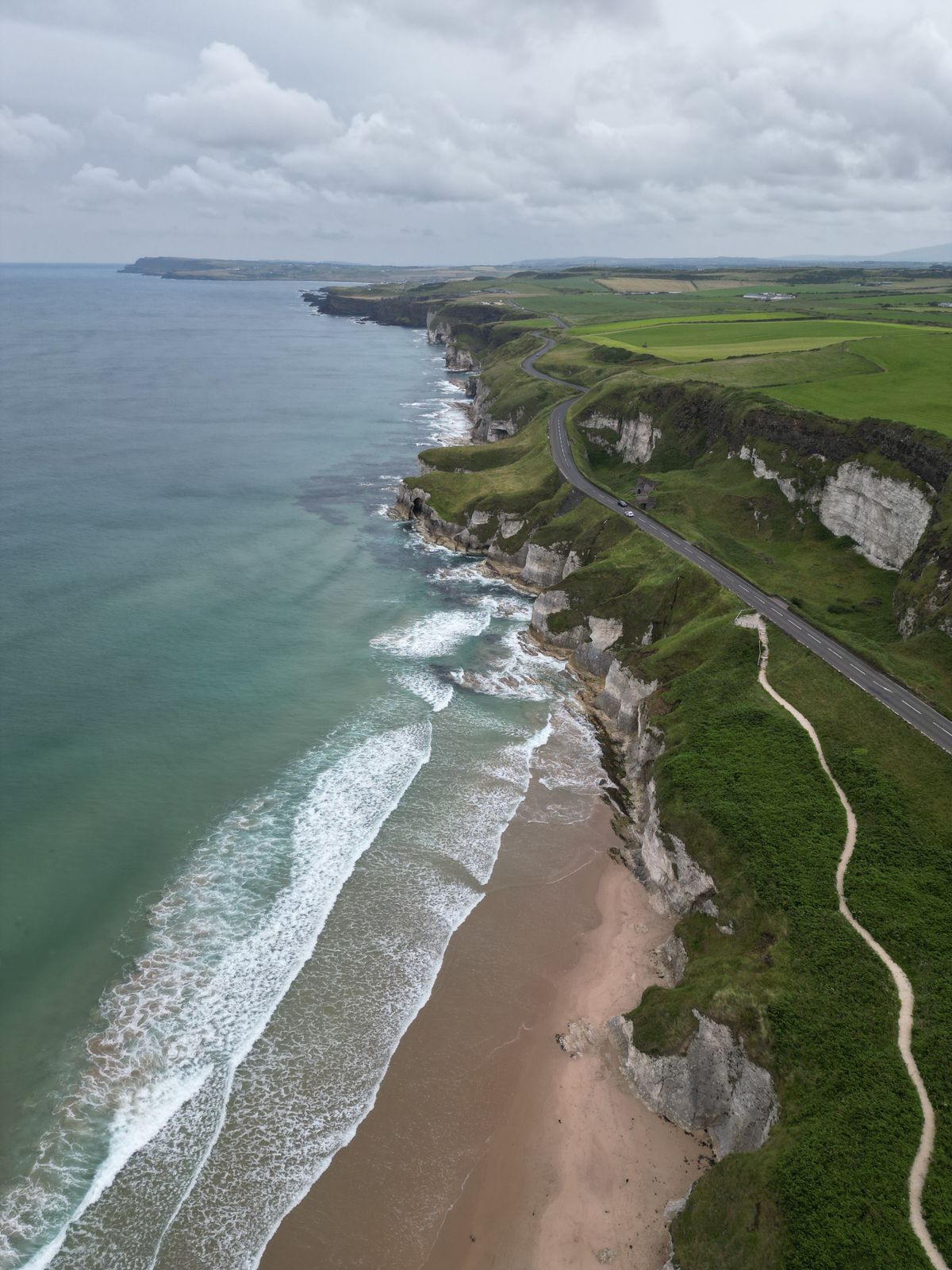
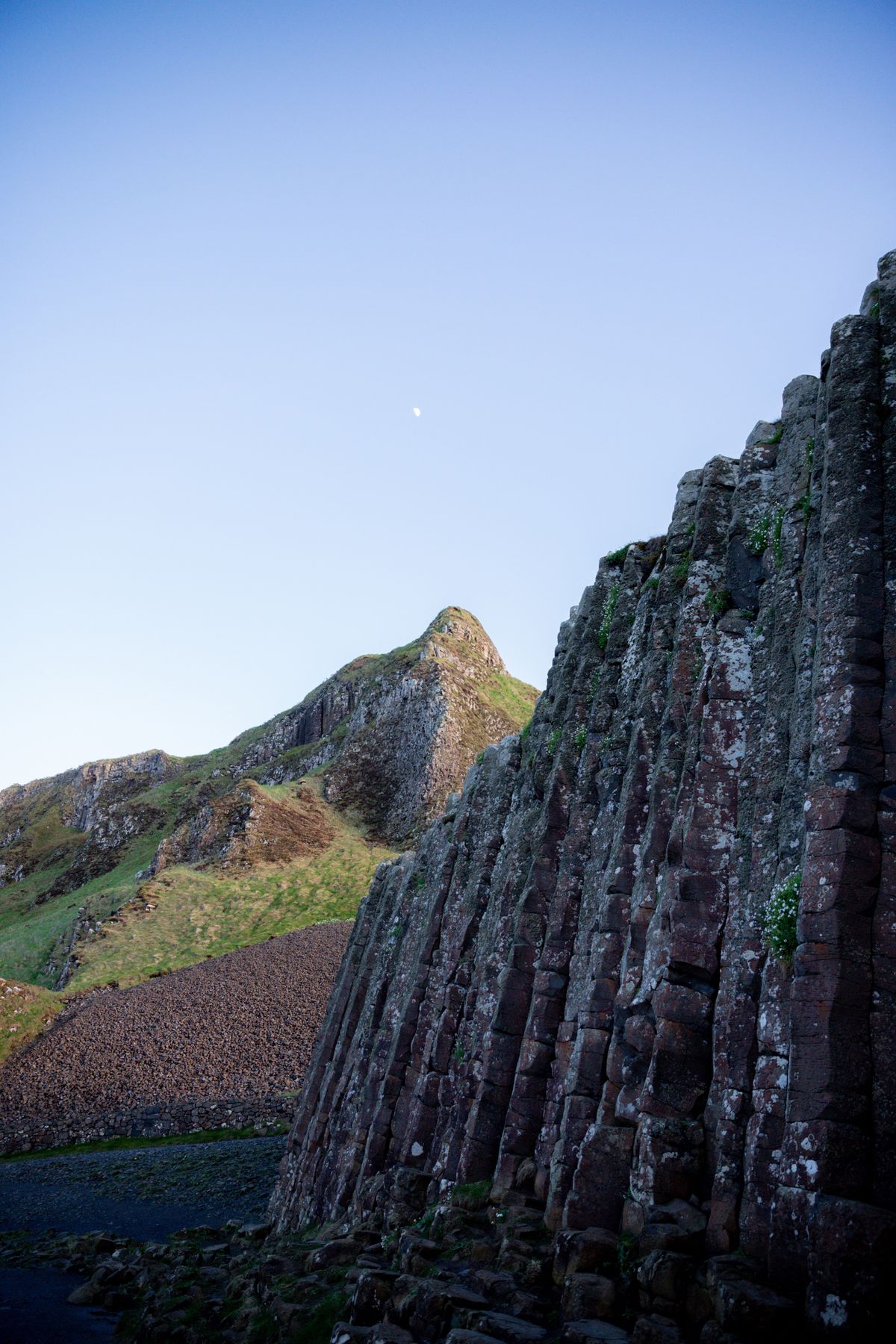
Updated 25 October 2026. Planning note: This is a route-planning guide, not a promise that every coastal stop has a vegan meal or that every attraction stays open in poor weather. Recheck official visitor, booking, transport, and access pages close to departure. Featured photo: Fabesh/Pexels.
What you’ll find in this guide: route shapes and base choices, Giant’s Causeway planning, Carrick-a-Rede booking and access, food and cooler backups, and weather-proof alternatives.
Giant’s Causeway
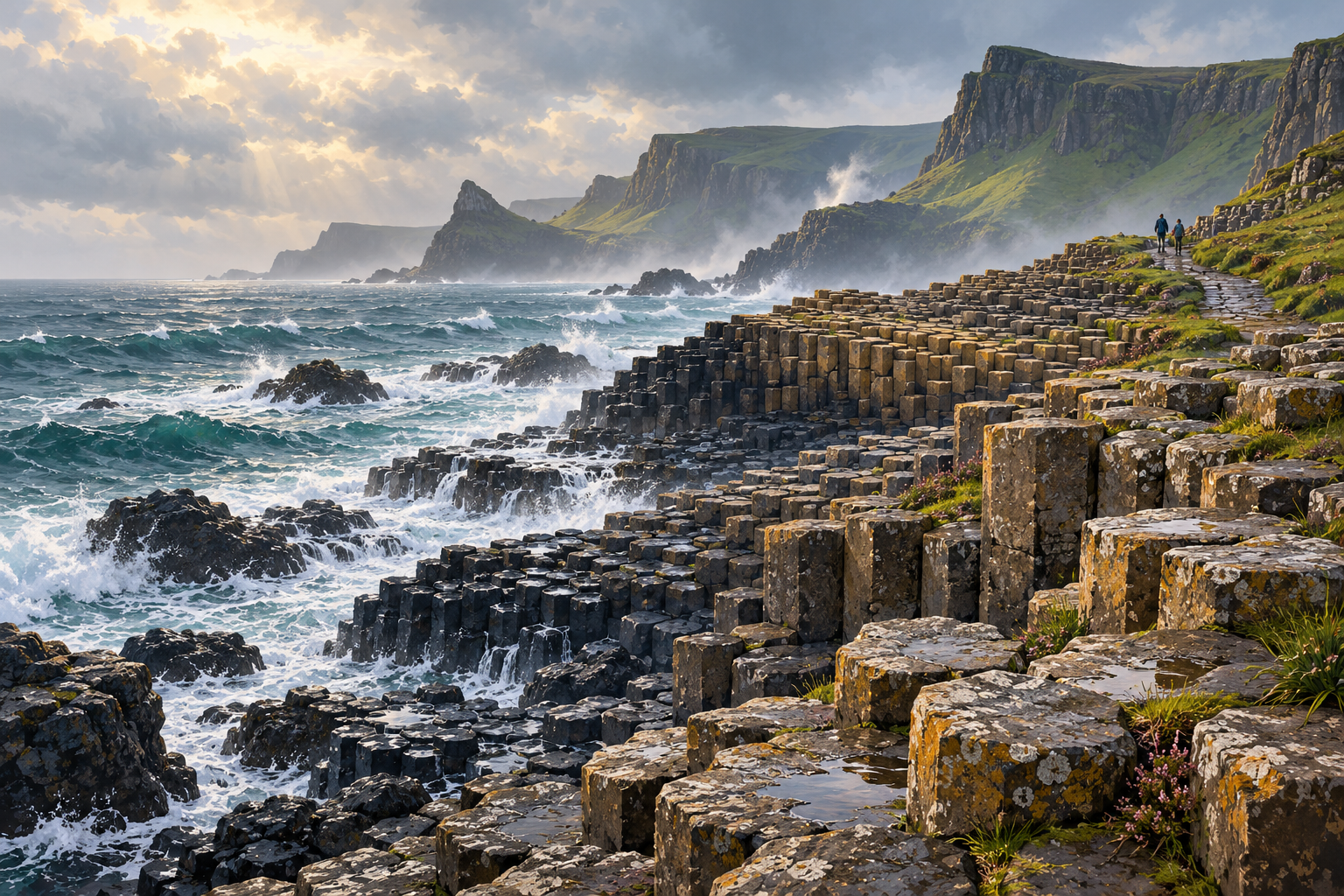
Plan around the Visitor Experience, parking or Park and Ride, the walk to the stones, and a meal that does not depend on the on-site café. Pre-book or recheck the official visitor guidance before travelling.
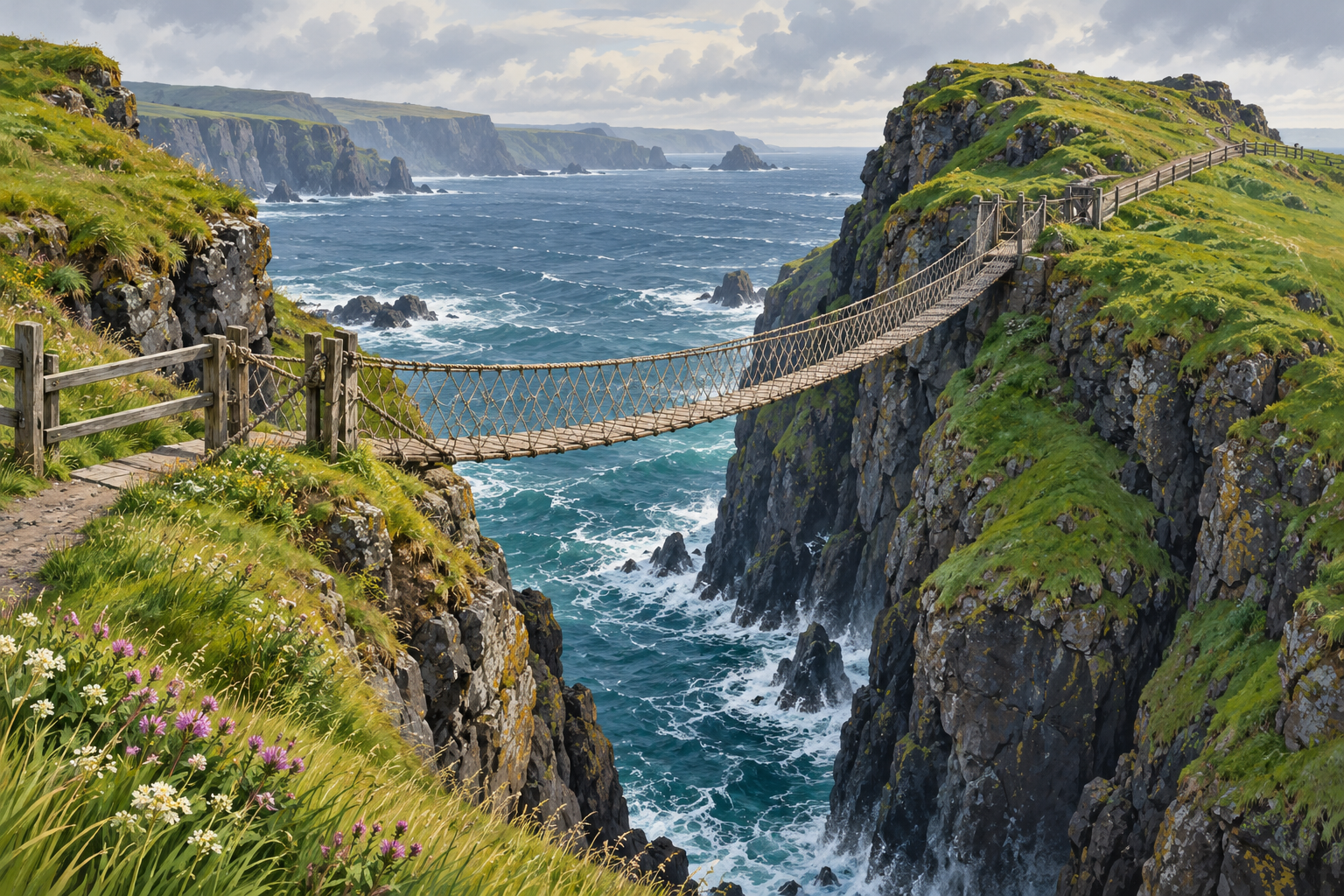
Carrick-a-Rede Rope Bridge
Make this the timed attraction of the day: pre-book, allow about 90 minutes on site, and keep a viewpoint or harbour backup if high winds close the bridge. The first coastal section is more accessible than the steeper approach.
How should you structure a Causeway Coast road trip?
The official Discover Northern Ireland route guide presents the Causeway Coastal Route as a journey between Belfast and Derry~Londonderry, combining coastline, castles, towns, and food experiences. You can drive the whole line, but a slower trip usually works better when you choose one section and stay two or three nights. The route is about sequencing, not collecting every viewpoint.
Start by deciding whether your priority is Giant’s Causeway and Bushmills, the east-coast section around Ballycastle and Carrick-a-Rede, or a west-coast finish around Portrush, Portstewart, and Derry~Londonderry. Then place food, accommodation, and fuel stops on the same line. A vegan road trip is easier when you do not need to detour across the region for every meal.
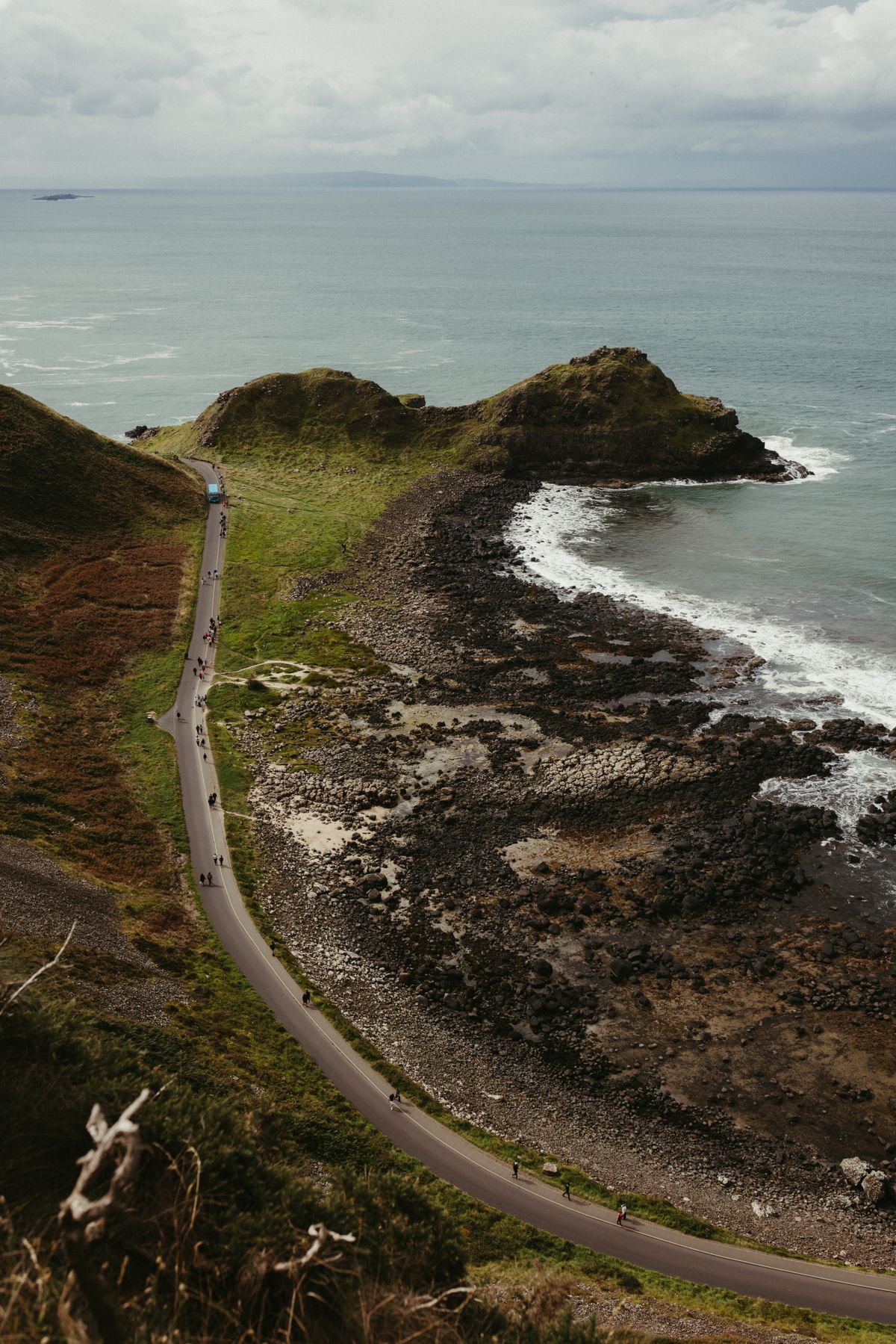
Which Causeway Coast route shape fits your trip?
Use the table to choose a trip shape before booking accommodation. Distances and timings depend on traffic, weather, parking, walking, and stops.
| If you want | Build around | Verify first |
|---|---|---|
| A first-time highlights trip | Giant’s Causeway, Bushmills, and one nearby coastal stop | Timed entry, parking, route conditions, and food after the visit |
| A dramatic east-coast day | Carrick-a-Rede, Ballintoy, Ballycastle, and a short coastal walk | Bridge booking, wind closures, steps, and return route |
| A beach and town weekend | Portrush, Portstewart, Castlerock, and local food backups | Tides, parking, seasonal opening hours, and weather |
| A car-free or low-driving trip | One base linked to Translink services | Journey Planner, last service, walking connections, and luggage |
How do you plan a Giant’s Causeway visit?
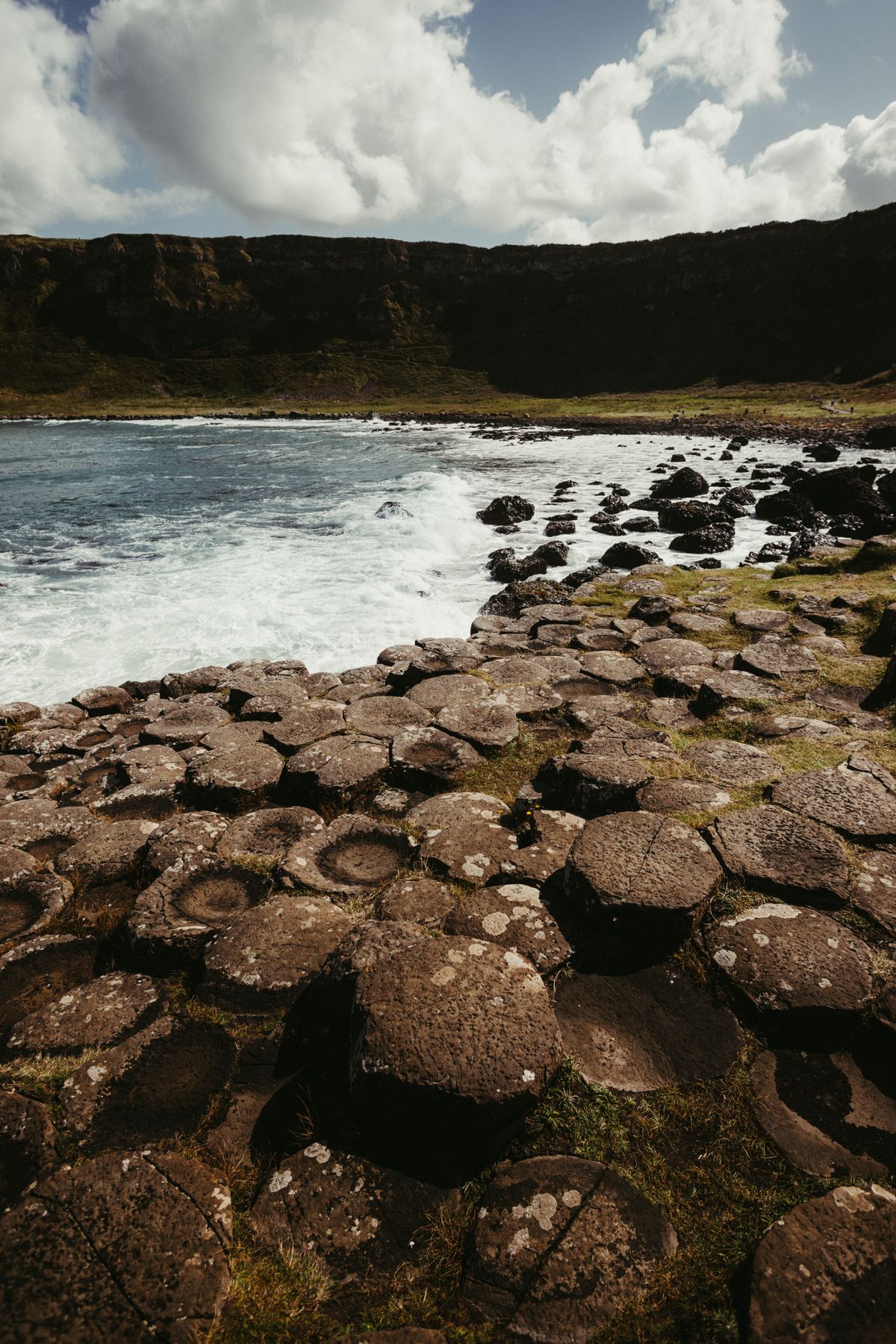
The National Trust lists Giant’s Causeway at 44 Causeway Road, Bushmills, County Antrim. Its visitor guidance says most visitors spend about two hours at the site and explains parking, Park and Ride, public transport, and current visitor arrangements. Treat that estimate as a planning baseline, not a promise: queues, weather, walking pace, and photography can extend the visit.
Pre-book or check the current visitor information before leaving. The National Trust says Translink services connect to the area and points visitors to Translink for routes and timetables. If you are driving, note where the current car park or Park and Ride directs you, and do not assume a viewpoint stop has unrestricted roadside parking.
For a dedicated landmark page, see Visiting Giant’s Causeway with vegan travel tips. For broader rural planning, compare the UK countryside guide.
What should you know before visiting Carrick-a-Rede?
The National Trust says it is essential to pre-book to cross Carrick-a-Rede Rope Bridge. Its booking guidance notes that high winds can close the bridge and that the first 0.5 km of coastal path is accessible, while steeper slopes and long steps continue toward the bridge. That makes Carrick-a-Rede a timed attraction with a real weather and mobility decision, not a casual roadside photo stop.
Check the bridge status and booking terms on the day. If the bridge closes, keep the coastal viewpoint or a nearby harbour as the alternative rather than forcing the original plan. A visitor who cannot use the steps can still ask about the accessible first section and viewing points, but should not assume the full route is step-free.
Which towns make practical Causeway Coast bases?
Bushmills is useful for Giant’s Causeway access, while Ballycastle works well for the east-coast section and Rathlin connections. Portrush and Portstewart offer beaches, town services, and a broader base for a west-coast weekend. Coleraine can be practical for rail connections and supplies. The official destination guide treats these places as distinct parts of the route rather than one interchangeable resort.
Choose a base by the next morning’s route and food access. A smaller coastal village may be beautiful but limited for late vegan meals. A town with a supermarket, kitchen accommodation, and more than one café can reduce stress even if it is less scenic from the bedroom window.
For comparable UK route planning, see the Rothbury Northumberland guide or the Hope Cove Devon guide.
How should vegans plan food on the Causeway Coast?
Plan food before the driving day. The Vegan Society travel guidance recommends planning ahead, checking whether plant milk and suitable options are available, and carrying practical food for uncertain journeys. On the Causeway Coast, a café may close early, a coastal stop may have limited options, and a detour can turn a planned lunch into a late dinner.
- Contact accommodation about vegan breakfast, plant milk, kitchen access, fridge space, and packed lunches.
- Check menus directly and ask about dairy, egg, honey, fish, meat stock, and shared preparation.
- Carry food that can survive a day in the car without needing a restaurant or refrigeration.
- Identify a supermarket or grocery stop in Bushmills, Ballycastle, Portrush, Coleraine, or your chosen base.
- Keep one full backup meal, not only snacks, for a late arrival or closed kitchen.
- If gluten-free requirements matter, use Coeliac UK guidance and ask about cross-contamination.
Road-trip food-safety note: Keep perishable food at 40°F/4°C or below in a properly iced cooler. Discard perishables left out for more than two hours, or more than one hour when the temperature is above 90°F/32°C. For a long coastal day, choose shelf-stable food or use a cooler rather than leaving a packed meal in a warm car. FoodSafety.gov road-trip guidance explains the cooler and time limits.
The vegan packing guide covers portable food and travel essentials. A town-based fallback can be planned with the York vegan guide model: use a base with more food choice when the coast itself is unpredictable.
How should you handle driving, parking, and timing?
Road-trip time is not just wheel time. Add time for narrow roads, pull-ins, parking queues, walking from a car park, and returning to the vehicle. Keep the day to one major timed attraction and one or two flexible stops. The route will feel slower than a map suggests when weather or visitor numbers are heavy.
| Trip moment | Add a buffer for | Food action |
|---|---|---|
| Morning departure | Fuel, weather check, roadworks, and breakfast | Leave with a packed meal or confirmed first stop |
| Major attraction | Parking, booking, queues, and walking distance | Carry water and a snack; do not rely on the visitor café |
| Scenic detour | Narrow roads, photography, and turning around | Keep the next meal flexible, not tightly timed |
| Return to base | Traffic, fatigue, and early closing times | Use the supermarket or self-catering backup if needed |
How do weather and coastal conditions change the plan?
Check the Met Office forecast and local attraction updates before setting out. Coastal wind, rain, spray, slippery rocks, and reduced visibility can change the experience quickly. The National Trust specifically warns that high winds can close Carrick-a-Rede, and the Countryside Code advises checking conditions, preparing for hazards, and changing plans when necessary.
Build a low-level or indoor alternative into every day. A town walk, visitor centre, museum, café, bookshop, harbour, or short sheltered section can keep the trip enjoyable without turning unsafe conditions into a challenge. Do not climb barriers or walk onto wet rocks for a photograph.
How can mixed-ability travellers plan the coast?
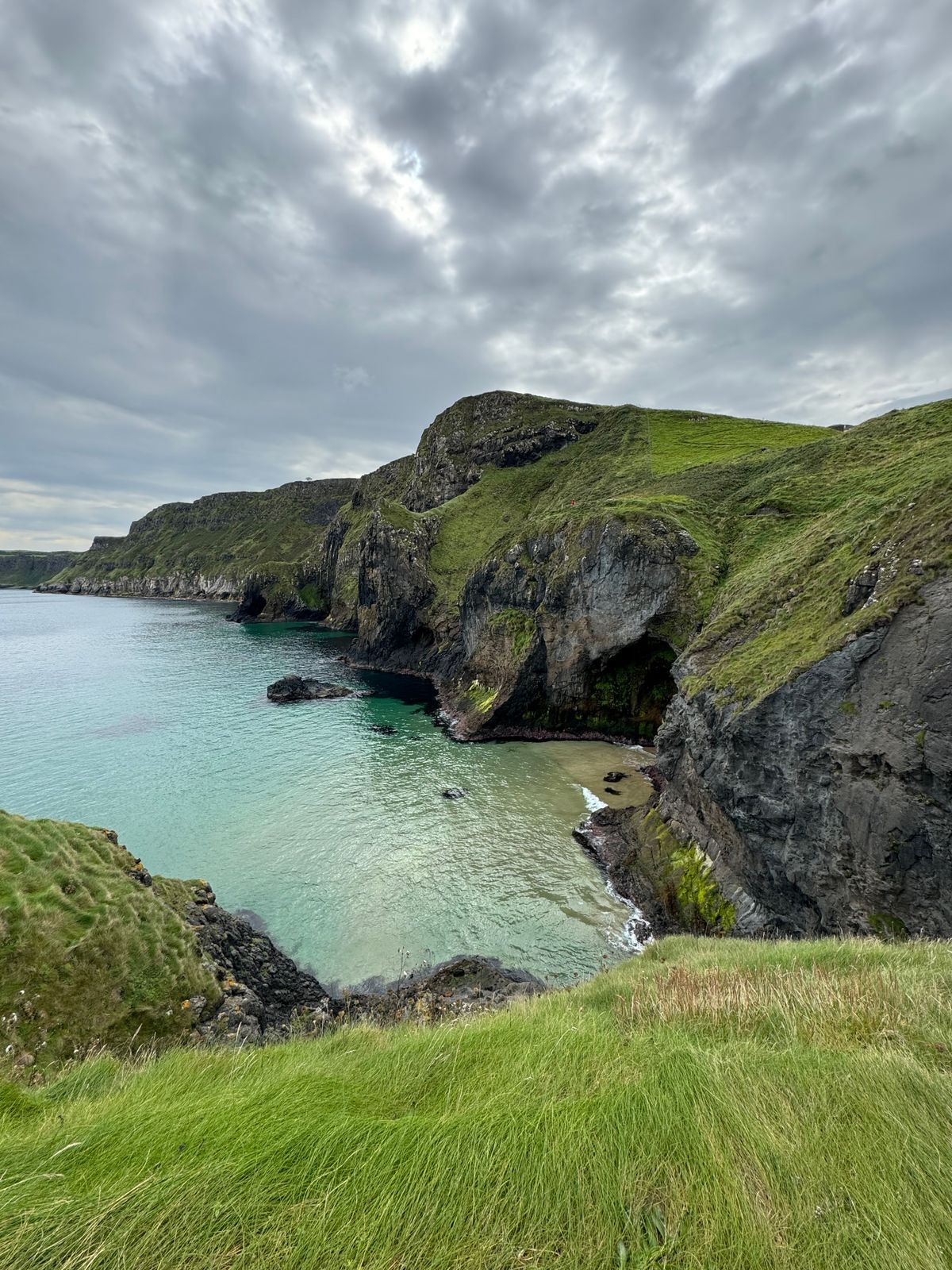
Ask for the exact surface, slopes, steps, toilets, seating, parking, and distance rather than using a broad “accessible” label. At Carrick-a-Rede, the first 0.5 km of coastal path is described as accessible, but the route toward the bridge includes steeper slopes and long steps. At Giant’s Causeway, use the current visitor guidance and ask about transport or route alternatives.
For groups with different energy levels, split the day around a common base: one person can take the longer path while another uses the visitor centre, café, harbour, or a shorter viewpoint. Plan the meeting point and time before separating, because mobile signal can vary along the coast.
What could a flexible two- or three-day itinerary look like?
Two days: Base near Bushmills, Ballycastle, or Portrush. Use day one for Giant’s Causeway and one nearby town or coastal stop. Use day two for Carrick-a-Rede if pre-booked, then Ballintoy or Ballycastle, with a weather-proof alternative ready.
Three days: Add a slower west-coast day around Portrush, Portstewart, Castlerock, or Derry~Londonderry. The extra night reduces pressure to complete every attraction in one drive and gives you room to move a bridge booking or coastal walk when conditions change.
For a different northern route, compare the UK countryside guide. For another compact route-based trip, see the vegan road-trip planning guide and vegan travel planning guide.
What should you carry?
- Waterproof outer layer, warm layer, and shoes with grip.
- Offline map, charging cable, power bank, and accommodation details.
- Water and a full vegan backup meal or substantial snacks.
- Reusable container and cutlery for takeaway or self-catering.
- Small first-aid kit and any medication needed by the group.
- Booking confirmations for Giant’s Causeway, Carrick-a-Rede, accommodation, and ferry or activity slots.
- Cash or a payment backup for parking, small shops, or signal interruptions.
Frequently asked questions about a vegan Causeway Coast road trip
How long should I spend on the Causeway Coast?
Two days can cover a focused highlights route, while three days gives more space for weather, food stops, and town time. The right length depends on whether you are driving the full Belfast-to-Derry~Londonderry route or exploring one section.
Do I need to book Carrick-a-Rede?
Yes. The National Trust says pre-booking is essential to cross the bridge. Check current closure information too, because high winds can stop crossings.
How long should I allow for Giant’s Causeway?
The National Trust says most visitors spend approximately two hours at the site. Allow additional time for parking, walking, queues, weather, and your chosen visitor experience.
Can vegan travellers rely on coastal cafés?
Do not rely on one café without checking. Menus and hours can be seasonal. Carry food, confirm the accommodation setup, and identify a supermarket or self-catering backup.
Can I do the Causeway Coast without a car?
Parts of the coast are reachable by Translink services, and the National Trust points visitors to Translink for routes and timetables. Choose a base with a workable connection and check the last service before setting out.
What if the weather closes a coastal attraction?
Switch to the town, visitor centre, indoor stop, or lower-level walk planned in advance. Do not force an exposed route or cross barriers in high winds.
Useful Sources and Verification
Checked 25 October 2026. Route, attraction, booking, public-transport, access, and food-planning details were checked against official or specialist sources. Timetables, parking, closures, access, menus, and opening hours can change; recheck before departure.
- Discover Northern Ireland Causeway Coastal Route for route structure, towns, attractions, and trip planning.
- National Trust Giant’s Causeway and its planning guidance.
- National Trust Carrick-a-Rede and bridge booking and access guidance.
- Translink, the Countryside Code, and the Met Office forecast.
- Visit Causeway Coast & Glens vegan food suggestions for regional food examples, alongside Vegan Society travel guidance and Coeliac UK eating-out guidance.
- FoodSafety.gov road-trip food-safety guidance for cooler temperatures and time limits on perishables.
Related Guides
Next step: Choose one Causeway Coast section, book any timed attraction, confirm a vegan food fallback, and leave space for weather before you set out.