
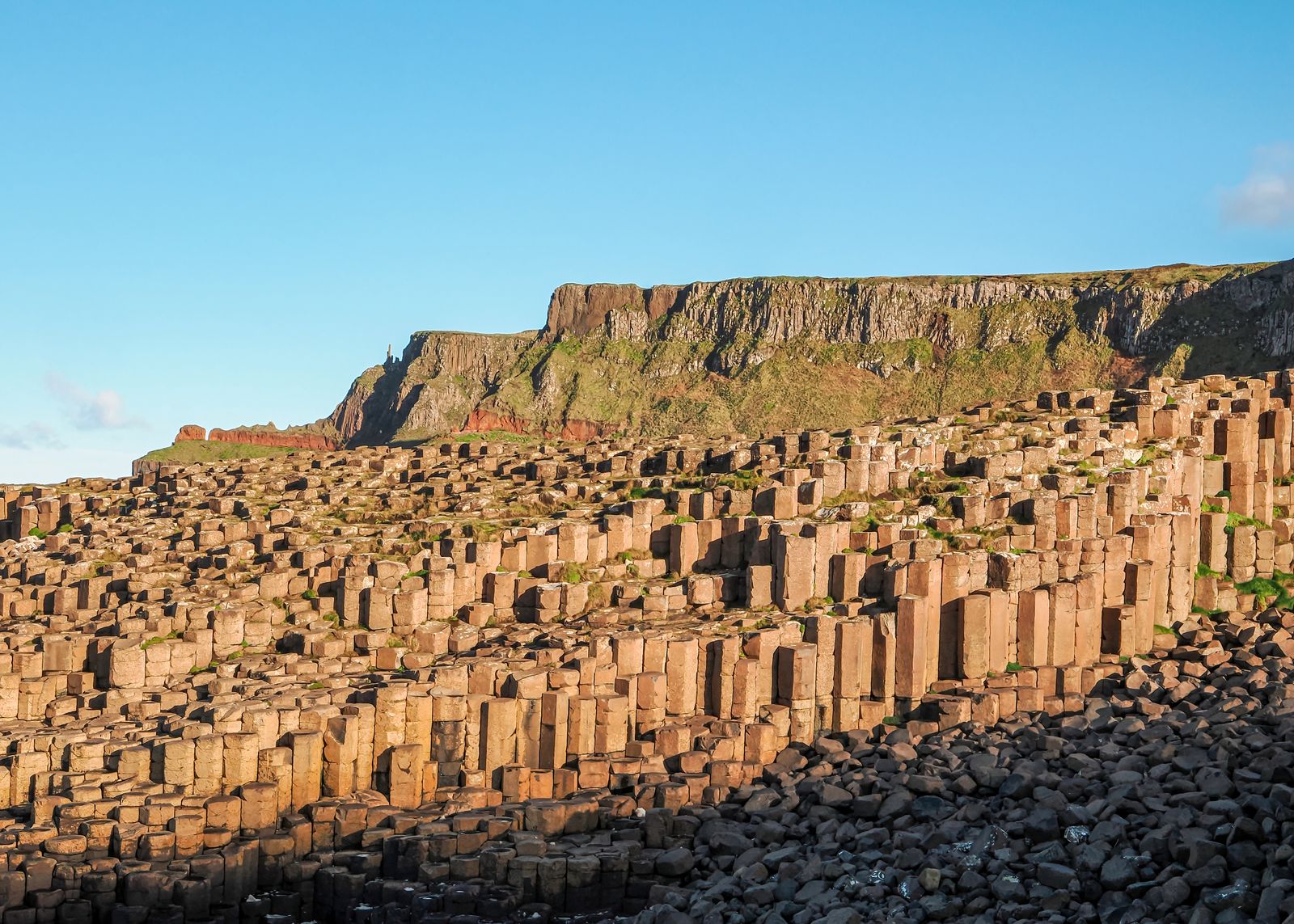
Visiting Giant’s Causeway: Tickets, Walks and Vegan Travel Tips
Short answer: Giant’s Causeway is worth visiting for the basalt columns, UNESCO status, clifftop views, and short-to-moderate coastal walks. Pre-book the National Trust Visitor Experience if you want reserved parking, the guided interpretation, audio guides, café, and facilities. You can walk to the stones for free via the public right of way, but parking, food, weather, and cliff safety still need planning.
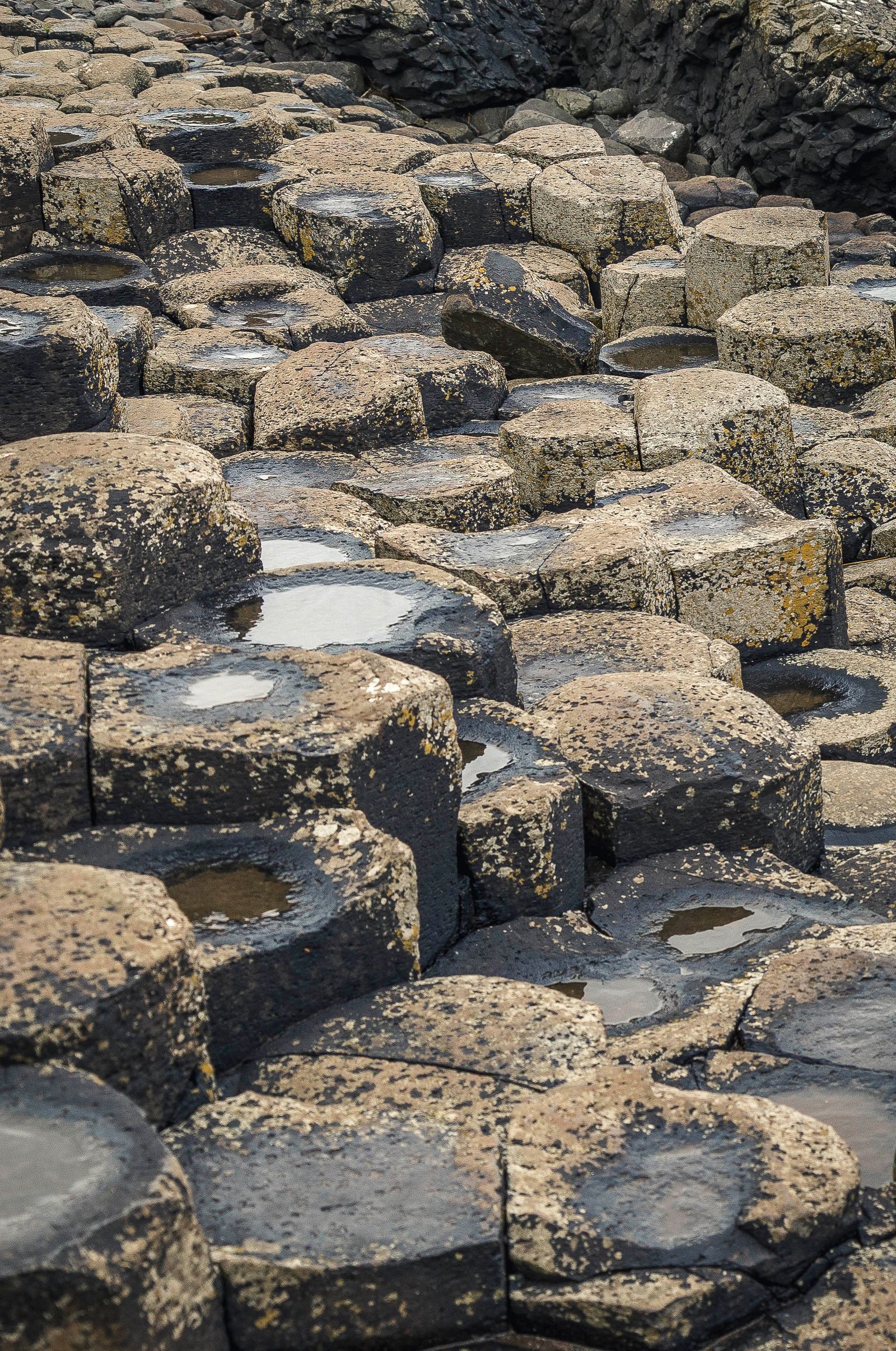
Updated 25 October 2026. Opening arrangements, tickets, access routes, weather, coastal conditions, transport, and nearby food options can change, so check current official details before travelling. Featured photo: Gottapics via Pexels.
What you’ll find in this guide
Use the section that matches your visit, then return to the final checks before booking:
Decide whether the Causeway fits, choose free access or the Visitor Experience, plan parking or Park & Ride, match a trail to your mobility, visit the basalt safely, build the vegan food backup, check public transport, choose a workable time, shape the day, and check access needs.
Plan vegan food
Use the packing guide
Save offline maps
Check Translink routes
Free stones or full facilities?
The public right of way reaches the stones, while the Visitor Experience adds reserved parking, interpretation, audio guides, café, shop, and facilities.
Pick the trail for your group
Green is the accessible route section; Red is steep and exposed; Yellow extends the coast; the guided Clifftop Experience is a longer five-mile walk.
Protect the food plan
Café recipes and allergen information can change. Carry a sealed vegan backup and use Bushmills or the wider Causeway Coast for a second meal option.
Giant’s Causeway is not just a photo stop. It is a working visitor site on an exposed coast, with timed ticketing, limited parking, uneven rocks, steep steps, changing weather, and a café whose recipes and allergen information can change. Vegan travellers can make the day easy by choosing the right access option, carrying water and a backup meal, and treating the coast like a walk rather than a theme-park queue.
Is Giant’s Causeway worth visiting?
Answer: Yes, especially if you enjoy geology, dramatic coastlines, short walks, and places where the landscape is the main attraction. The National Trust describes Giant’s Causeway as Northern Ireland’s iconic World Heritage Site. It is less suitable if you need a guaranteed sunny day, a flat route to every viewpoint, or a fully vegan café menu without checking ingredients.
Reasons to go
- Distinctive geology: the interlocking basalt columns are genuinely different from an ordinary beach or cliff viewpoint.
- Several ways to experience it: free walking access, the standard Visitor Experience, short trails, and a guided clifftop hike.
- Strong wider itinerary: Bushmills, the Causeway Coast Way, Dunseverick, and nearby coastal attractions make the journey worthwhile.
- Good for mixed groups: people can choose the stones, café, trails, visitor centre, or a shorter viewpoint without everyone doing the same walk.
Reasons to rethink it
- You dislike exposed cliffs, wind, uneven rock, or steep steps.
- You expect to park beside the stones without pre-booking.
- You need a complete vegan meal with no ingredient uncertainty.
- You are planning a tight airport or train connection after the visit.
- The forecast includes high winds, poor visibility, or heavy rain and you cannot move the date.
Do you need a Giant’s Causeway ticket?
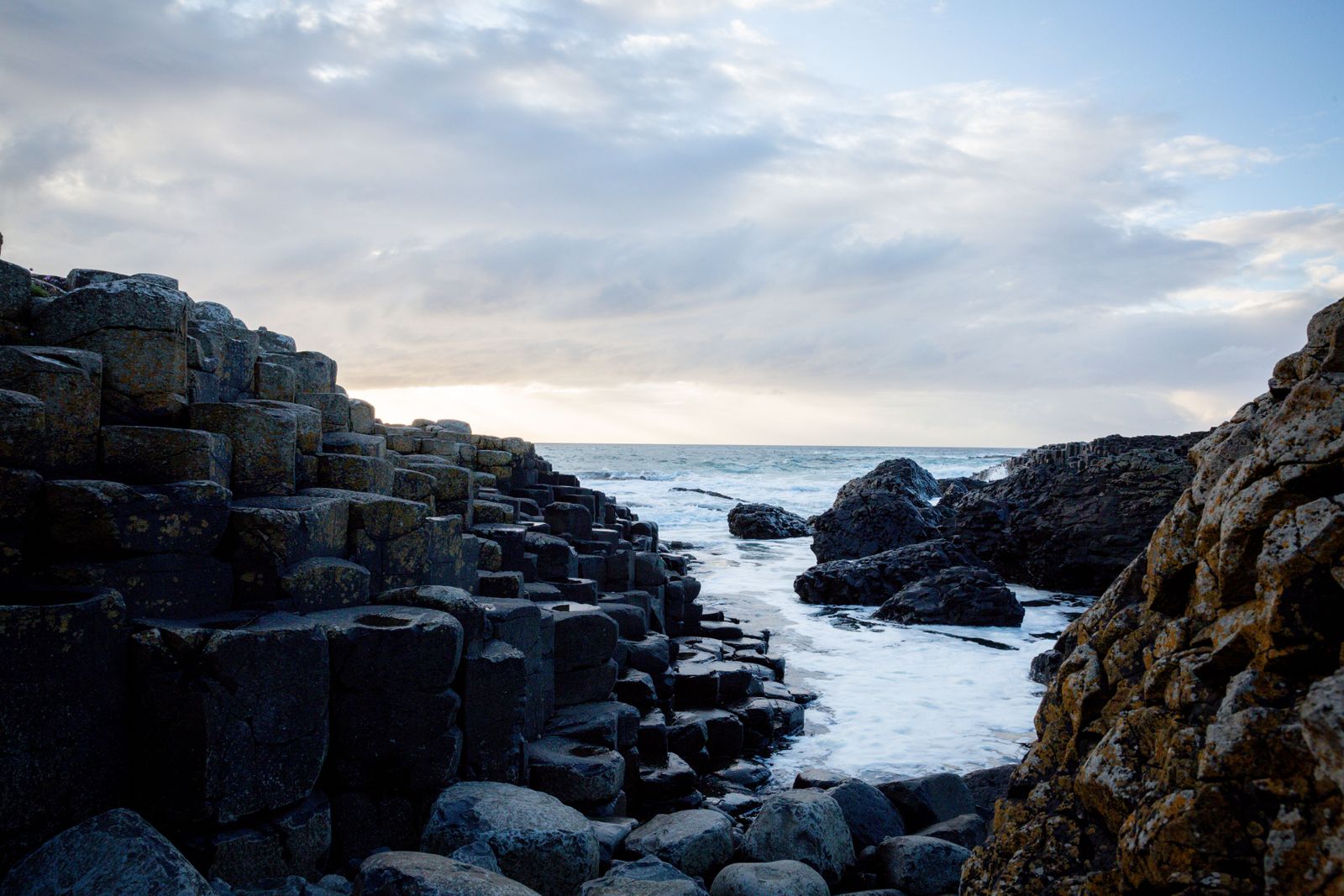
Answer: No ticket is required to walk to the stones via the public right of way, but that does not include on-site parking or the National Trust Visitor Experience facilities. A pre-booked Visitor Experience ticket includes reserved parking, guided interpretation, audio guides, the exhibition area, café, shop, and facilities. Choose based on what you need, not on the assumption that the rocks themselves are ticketed.
| Access option | What it gives you | Best for |
|---|---|---|
| Public right of way | Free walking access to the stones | Walkers who arrange separate parking and food |
| Standard Visitor Experience | Reserved parking, guided interpretation, audio guide, exhibition, café, shop, facilities | First visits, families, mixed groups, and planned comfort |
| Park & Ride / Green Ticket | Bushmills parking, Translink bus fare, and Visitor Experience entry when available | Larger vehicles or visitors avoiding on-site parking |
| Clifftop Experience | A guided five-mile coastal hike ending at the stones | Fit walkers wanting a longer, structured route |
The National Trust strongly recommends pre-booking for the best rates and to spread visitor numbers. Check the official ticket page for the current price, time slot, parking conditions, and seasonal changes.
How do parking and Park & Ride work?
Answer: Visitor Experience tickets include reserved on-site parking for eligible vehicles that fit a standard car-parking space of 4.8m x 2.25m. Walkers can use the Causeway Coast Way Car Park at Innisfree Farm, which the National Trust currently lists at £12 per vehicle, open 5am–8pm and payable via JustPark (current location ID 77819); it is first-come, first-served and does not allow overnight parking. Larger vehicles should use the Bushmills Park & Ride arrangement rather than assuming an online car-space booking will fit.
- Standard car: pre-book the Visitor Experience if you want reserved on-site parking.
- Walker without Visitor Experience: use the designated walker car park and walk via the public route.
- Campervan or motorhome: check the current size rules; larger vehicles may need Bushmills Park & Ride.
- Park & Ride: purchase the current Green Ticket at the Bushmills Visitor Information Centre when the seasonal service is operating.
- Overnight: do not assume any of these car parks allow overnight parking.
Screenshot the official parking instructions before leaving signal. Do not block the Causeway Road, residential entrances, passing places, or emergency access while searching for a space.
Which Giant’s Causeway trail should you walk?
Answer: Choose the trail by distance, surface, weather, and mobility. The Red Trail is a short but demanding clifftop option with steep steps and exposure; the Green Trail is the most accessible link; the Yellow Trail extends the coastal walking experience from Runkerry Head; and the guided Clifftop Experience is a five-mile route for fit walkers aged 12 and over.
| Trail or route | Current reference | Choose it if… |
|---|---|---|
| Green Trail | Accessible link to the stones and visitor area | You want the simplest, most accessible approach |
| Red Trail | 0.8 miles; 30 minutes to 1.5 hours; 162 steep steps | You can manage steep steps, exposed cliffs, and uneven surfaces |
| Yellow Trail | 1.8-mile clifftop trail from Runkerry Head to Hamilton’s Seat | You want a longer coastal walk beyond the stones |
| Clifftop Experience | Five-mile guided hike, about 3.5 hours, age 12+ | You want a guided, full coastal walk and have suitable fitness |
Red Trail
The Red Trail gives clifftop views and a more demanding perspective on the Causeway. The National Trust warns about unfenced cliff edges, high winds, rock falls, steep steps, and the danger of the Grand Causeway rock outcrop in high winds. Treat the route as a proper walk, not a quick paved viewpoint.
Green Trail
The Green Trail is the key accessible route section for prams and wheelchairs, but ask about the exact route and shuttle on your date. Accessibility equipment, including all-terrain wheelchairs and mobility scooters, is available for eligible Visitor Experience visitors and members according to the National Trust’s planning guidance.
Yellow Trail and Causeway Coast Way
The Yellow Trail extends the coastal experience from Runkerry Head. The wider Causeway Coast Way continues through dramatic coastline toward Dunseverick and beyond, so check the official map, weather, and return transport before turning a site visit into a long walk.
How do you visit the basalt stones safely?
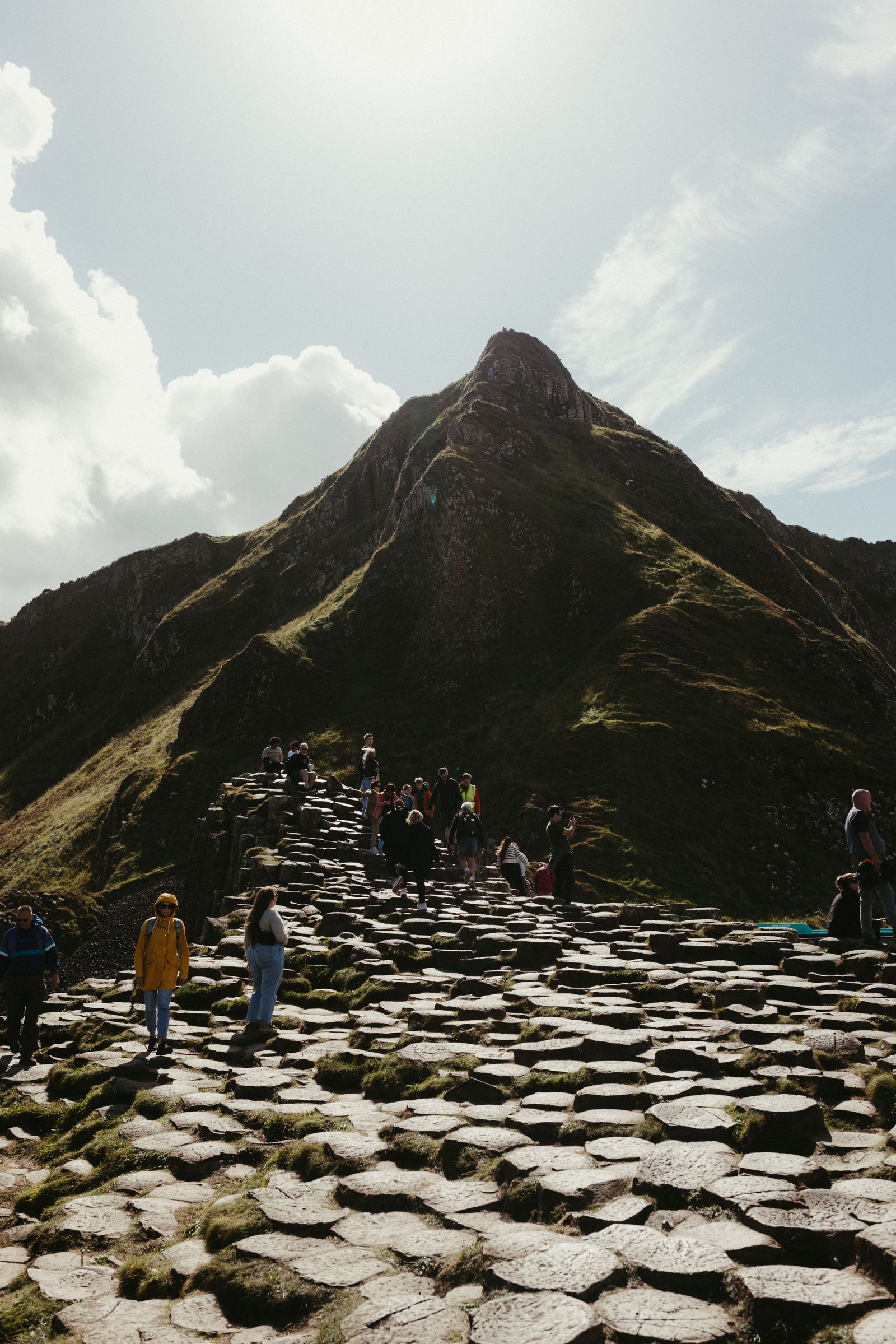
Answer: Stay on the permitted route, use both hands when needed, and assume the rocks are slippery. The National Trust specifically warns about high winds, unfenced cliff edges, rock falls, and the danger of the Grand Causeway in high winds. Do not climb beyond signed areas, stand with your back to waves, or treat a dry-looking surface as safe.
- Check wind, rain, swell, and visibility before you leave the visitor centre.
- Wear shoes with real grip and keep hands free on steep or wet sections.
- Keep children close and away from cliff edges and wave channels.
- Do not sit on unstable edges or cross barriers for photographs.
- Leave space for other visitors and follow ranger instructions.
- Carry your phone and medication in a waterproof pouch.
- Turn back when conditions deteriorate; the rocks will still be there on a safer day.
Is there vegan food at Giant’s Causeway?
Answer: The National Trust café currently lists several dishes that may suit vegan travellers, but recipes, ingredients, and allergen information change. Its current eating guide lists curried cauliflower pasties, mixed bean chilli, chickpea curry one pots, and chickpea sausage rolls among the food range, while warning that food is prepared on site and cannot be guaranteed completely allergen-free. Ask staff about the current ingredients and carry a backup meal.
At the Visitor Centre café
Ask which dishes are vegan today, whether sauces or pastry contain dairy or egg, and whether cross-contact matters for your needs. The National Trust advises visitors to speak to the team because recipes can change. Bring a sealed sandwich, snack, or packed lunch if you cannot risk uncertainty.
In Bushmills
Bushmills gives you more opportunity to plan a meal before or after the site. The Bushmills Inn is listed by the local tourism board as catering for special dietary requirements with vegan options, but confirm its current menu and booking availability. Do not assume a restaurant’s vegan option is available all day.
Water and food timing
Carry water for the walk, especially if you choose the Red Trail or a longer clifftop route. Eat before the busiest period or reserve time after the visit; the café may be busy when tour groups arrive.
Use the vegan food guides hub for wider Northern Ireland planning and the mixed-menu guide for ingredient questions. If you are connecting this stop to a longer trip, check the vegan travel apps guide before you lose signal.
How do you get to Giant’s Causeway without a car?
Answer: The National Trust lists regular train services from Belfast or Londonderry to Coleraine, followed by a bus connection, and current Translink information lists date-specific bus services and seasonal routes. Check Translink for the actual date because frequencies and seasonal services change.
- From Belfast: allow time for the train to Coleraine and the onward bus connection.
- From Derry/Londonderry: check the direct or connecting Translink options through Coleraine.
- From Bushmills: Park & Ride or local bus connections can be practical, especially for larger vehicles.
- From a tour: compare the included time at the stones, food plan, and return schedule rather than only the headline price.
Do not schedule a tight same-day airport connection after a coastal visit. Weather, traffic, waiting for a bus, and walking back from the stones can all add time. Check the vegan travel updates hub for changing travel conditions and use the vegan hotel booking guide when choosing a Bushmills base.
When is the best time to visit Giant’s Causeway?
Answer: The best time is a day with workable wind, visibility, and rain, plus an early arrival or a pre-booked time slot. Midday is often the busiest period because coach and day-trip groups overlap. A quiet sunrise or late-day visit can be beautiful, but only if transport, daylight, and opening arrangements work for you.
- Early morning: better for a calm approach, parking, and photographs.
- Midday: more facilities open, but more visitors and less room on the rocks.
- Late afternoon: potentially quieter; check your return bus, parking closing time, and light.
- Windy days: trails, cliffs, and rocks become more hazardous even without heavy rain.
- School holidays: pre-book and expect higher demand for parking and food.
What is a practical Giant’s Causeway day itinerary?
Answer: Allow a full day if you want the Visitor Experience, a trail, a vegan food break, and a nearby Bushmills stop. Start with your booked arrival, walk the accessible or Red route that suits the group, eat before the café peak, and keep the late afternoon flexible for weather and transport.
- Arrival: park or take the bus, confirm your ticket, and check the current weather and trail notices.
- Visitor Centre: use the exhibition, audio guide, facilities, and café only if they support your plan.
- Stones: walk to the Causeway and explore within the marked safe areas.
- Trail: choose Green for accessibility, Red for a short demanding clifftop walk, or Yellow for a longer route.
- Food: use a confirmed vegan café option or your packed meal.
- Bushmills: add a meal or short village stop only if the return transport allows.
- Departure: leave a buffer for buses, Park & Ride, traffic, and changing coastal conditions.
What should you pack?
Answer: Pack for a wet, windy coastal walk rather than a normal sightseeing day. Bring grippy walking shoes, waterproof layers, a warm mid-layer, hat, water, sunscreen, a dry bag, medication, and a vegan lunch or snacks. The stones and clifftop trails are exposed even when Bushmills feels calm.
- Waterproof jacket and trousers or a reliable rain layer.
- Walking shoes with grip and secure laces.
- Warm layer, hat, gloves, sunglasses, and sunscreen.
- Water bottle and sealed vegan food backup.
- Dry bag or waterproof phone case.
- Offline ticket, route, bus times, and accommodation details.
- Small first-aid kit, medication, and blister care.
- Bin bag for food packaging and wet clothing.
Use the practical vegan packing guide and the winter packing list for the wider trip and season.
Is Giant’s Causeway accessible for families and disabled travellers?
Answer: Yes, parts of the experience are designed for different mobility needs, but not every trail or rock section is accessible. The National Trust identifies the Green Trail as the DDA-compliant trail section and offers accessibility equipment such as all-terrain wheelchairs and mobility scooters for eligible visitors and members. Ask about the current shuttle and route conditions before arrival.
- Choose the Green Trail and accessible shuttle when appropriate.
- Do not describe the Red Trail as accessible: it includes steep steps and uneven surfaces.
- Ask about disabled parking, Changing Places, lockers, seating, and weather cover.
- For families, bring snacks, layers, and a realistic walking plan; the stones are not a stroller-friendly playground.
- For sensory needs, download or plan the audio guide and choose a quieter time slot.
What mistakes should visitors avoid?
Answer: Most Giant’s Causeway problems come from confusing free access with free parking, underestimating wind and rocks, and assuming the café can guarantee a vegan or allergy-safe meal. Book the right option, check the trail, and keep a food and transport backup.
- Arriving without checking parking: Visitor Experience parking, walker parking, and Park & Ride have different rules.
- Buying a tour without checking time at the stones: some itineraries rush the main experience.
- Wearing smooth shoes: basalt and wet steps need grip.
- Climbing for a photograph: unfenced cliffs, rock falls, and high winds are real hazards.
- Assuming the vegan café item is permanent: recipes and allergen information change.
- Skipping water because the visit looks short: add a trail, queue, or transport delay and the day lengthens.
- Booking a late connection: buses, weather, and coastal walking do not run to a tight flight schedule.
- Ignoring seasonal Park & Ride dates: check whether the service is operating on your date.
Frequently asked questions
Do you need tickets to visit Giant’s Causeway?
No ticket is needed to walk to the stones via the public right of way, but on-site parking and the National Trust Visitor Experience require their own arrangements. Pre-booking is recommended.
What does the Visitor Experience ticket include?
It includes reserved parking for eligible vehicles, guided interpretation, audio guides, the exhibition area, shop, café, and visitor facilities.
Can you park for free at Giant’s Causeway?
Do not assume so. Visitor Experience parking is tied to the ticket, while walker parking and Park & Ride have separate conditions and charges.
How long is the Red Trail?
The National Trust lists the short Red Trail at 0.8 miles, taking roughly 30 minutes to 1.5 hours, with 162 steep steps and exposed cliff hazards.
Is the Green Trail accessible?
The National Trust identifies the Green Trail as the DDA-compliant trail section. Confirm current shuttle and equipment arrangements before travelling.
Is there vegan food at Giant’s Causeway?
The café lists plant-based possibilities including chickpea, bean, and cauliflower dishes, but recipes change and the National Trust cannot guarantee food is allergen-free. Ask staff and bring a backup.
Can you walk to Giant’s Causeway for free?
Yes, via the public right of way. Free walking access does not include on-site parking.
How long should you spend at Giant’s Causeway?
The National Trust says most visitors spend about two hours at the site. Plan roughly two to three hours if you are adding a short trail and food; allow a full day for the Clifftop Experience, Bushmills, or a longer Causeway Coast walk.
Is Giant’s Causeway safe in high winds?
High winds increase risk around cliffs, steps, rock falls, and the stones. Check conditions and follow National Trust closures and staff instructions.
Can children walk the Clifftop Experience?
The current National Trust Clifftop Experience is for children aged 12 and over and requires good health and fitness.
How do you get to Giant’s Causeway by public transport?
Train to Coleraine followed by a Translink bus connection is the main public-transport pattern. Check the date-specific timetable before booking.
Final summary and key takeaways
Giant’s Causeway is a high-value North Coast visit when you treat it as a geological site and coastal walk, not a quick photo stop. Choose the access option that matches your parking and mobility needs, pre-book when useful, pack a vegan meal backup, and respect wind, cliffs, rocks, and changing recipes.
- Pre-book the Visitor Experience if you want reserved parking and facilities.
- Free walking access is possible, but parking is separate.
- Choose Green, Red, Yellow, or Clifftop routes by ability and conditions.
- Ask the café about current vegan ingredients and allergens.
- Wear grip, carry water, and check wind before stepping onto the rocks.
- Use Bushmills and the wider Causeway Coast for food and a longer itinerary.
- Leave a generous buffer for buses, Park & Ride, queues, and weather.
For a wider North Coast plan, combine the Causeway Coast road-trip guide with the UK countryside guide and the Hope Cove coastal guide for another practical cliff-and-coast comparison.
Sources and Verification
Checked 25 October 2026. Ticket prices, parking rules, Park & Ride dates, trail conditions, café recipes, bus timetables, weather, and closures can change. At this check, the official ticket portal lists Park & Ride through the end of November 2026, followed by a winter closure. Verify the exact date and access option before travelling.
- National Trust: Giant’s Causeway for official visitor information, booking, location, and facilities.
- National Trust: Planning your visit for free walking access, parking, Park & Ride, accessibility, and shuttle guidance.
- National Trust: Red Trail for distance, steps, cliff hazards, access, and public transport context.
- National Trust: Green Trail and Yellow Trail for current route distances and accessibility notes.
- National Trust: Clifftop Experience for the guided five-mile route, duration, age, and equipment requirements.
- National Trust: Eating and shopping for current café dishes and allergen cautions.
- Visit Causeway Coast & Glens: Bushmills Inn for local dining and vegan-option confirmation.
- Translink for current public-transport times and seasonal services.
Next step: choose between the Visitor Experience, free walking access, and Park & Ride, then check the official weather and trail notices before setting out.