
Dairy-Free Yogurt for Vegan Travel: How to Choose, Pack, and Store It
Updated 25 October 2026. Recheck labels, cold-chain conditions and destination rules before travelling.
Short answer: The best dairy-free yogurt for vegan travel is the one whose label, nutrition, pack size and storage needs fit your route. Start with a verified vegan or plant-based claim, then compare protein, calcium, vitamin D, added sugar, allergens, live-culture wording and serving size. Soy often offers more protein than coconut or almond options, but fortification varies by product. Keep chilled yogurt cold, check airport and border rules, and carry a shelf-stable or locally bought backup.
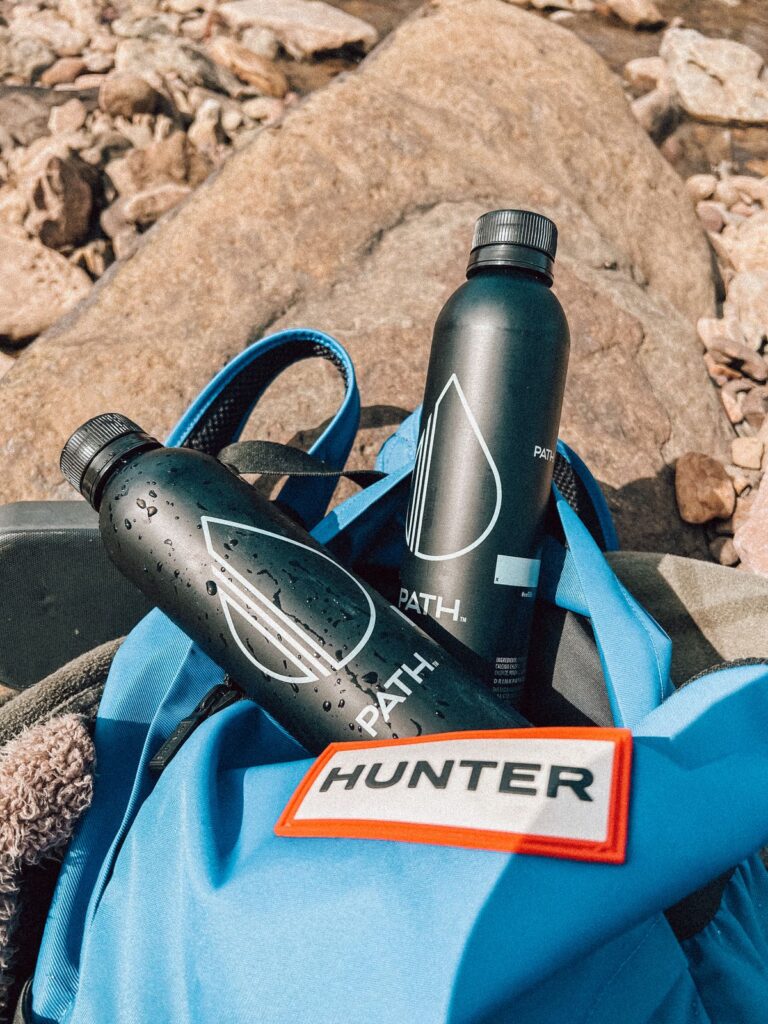
Featured image credit: Taryn Elliott via Pexels.
What you’ll find in this guide
Choose a yogurt for your route, compare plant bases, match your nutrition and packing priority, check the label, plan around airport rules, keep it cold, and check destination rules.
Quick decision guide
If you only have a minute, match the yogurt to the journey before comparing brands. The safest choice is a sealed, clearly labelled product that can stay within its required temperature range and that you can eat before the storage window becomes uncertain.
| Your situation | Best starting point | Why |
|---|---|---|
| Hotel breakfast with a refrigerator | Small sealed cup bought locally | Less luggage, no airport liquid question and easier temperature control. |
| Road trip or train journey | Single-serve cups in an insulated bag | Portions are easier to keep cold and less likely to be wasted. |
| Long-haul flight | Buy after security or use a shelf-stable backup | Carry-on yogurt is restricted by the liquid rule; destination and customs rules still apply. |
| Allergy-sensitive travel | Product with a short, familiar ingredient list | It is easier to check allergens, shared-facility statements and local-language labels. |
Which dairy-free yogurt base is best for travel?
There is no universal winner because plant-based yogurt nutrition varies with the base, recipe and fortification. FDA guidance says plant-based alternatives can differ widely in nutritional content, while a peer-reviewed analysis of 150 plant-based yogurts found meaningful differences across coconut, almond, cashew, oat and soy categories. Treat the base as a starting clue, not a guarantee.
| Base | What it may suit | What to verify |
|---|---|---|
| Soy | Travellers prioritising protein or a thicker, neutral option. | Protein, calcium and vitamin D; soy allergen statement; whether the product is certified vegan. |
| Coconut | Rich texture and dessert-style breakfasts. | Added sugar, saturated fat, low protein and fortification. Coconut is not a protein substitute by default. |
| Almond or cashew | Nut-based flavour and often a lighter texture. | Tree-nut allergen labelling, protein, calcium and the risk of cross-contact. |
| Oat | Travellers avoiding soy or nuts who want a mild flavour. | Gluten-free status where relevant, added sugar, protein and calcium fortification. |
Use the nutrition panel rather than the front of the tub. The FDA notes that an almond- or oat-based product may contain calcium yet still not have the overall nutritional profile of dairy or fortified soy beverages. For a breakfast that needs to keep you full, pair a lower-protein yogurt with oats, nuts or seeds only when those foods fit your allergy and border plan.
Which yogurt fits your nutrition or packing priority?
There is no universal best base. Choose one priority first, then verify the exact product label because recipes and fortification vary by brand and flavour.
| Your priority | Start by looking for | Still verify |
|---|---|---|
| More protein | Soy or a clearly labelled Greek-style or protein-fortified product. | Protein grams per serving, serving size, added sugar and soy or other allergens. |
| Lower added sugar | Plain or unsweetened yogurt, then add fruit or oats if they fit your route. | Total and added sugar on the current label; flavour names can hide different formulas. |
| Allergen simplicity | A short ingredient list and an easy-to-read “contains” statement. | Shared-facility and “may contain” warnings, especially for nuts, soy and gluten. |
| Easiest travel day | A small sealed cup you can finish, or a product explicitly labelled shelf-stable. | Storage instructions, airport limits, customs rules and whether you can keep it cold. |
How do you check a vegan yogurt label?
Read the label in three passes: identity, nutrition and safety. “Dairy-free” describes the absence of dairy ingredients, but it is not automatically the same as a vegan certification. FDA material on plant-based alternatives stresses that similar names and formats can have different nutritional attributes, so the current ingredient list matters more than the product category.
1. Confirm the product is actually vegan
Look for a clear vegan or plant-based statement, then scan ingredients for milk, whey, casein, lactose, honey, gelatin and other animal-derived ingredients. If you are travelling with a severe allergy, also read the “contains” and “may contain” statements. A vegan label does not replace your own allergy assessment.
2. Compare the nutrition panel
Record protein, calcium, vitamin D, added sugar, saturated fat and serving size. Fortification is optional and brand-specific. A small pot may look low in sugar only because its serving is smaller, while a large tub may be less practical to finish before the journey ends.
3. Check live-culture wording without overpromising
Some plant-based products use live-culture language, but the exact culture statement and storage instructions belong to the product label. Do not claim a probiotic benefit from the word “cultured” alone. If live cultures matter to you, photograph the label and follow the manufacturer’s storage directions.
Can you take yogurt through airport security?
In the United States, TSA lists yogurt as allowed in carry-on bags only in containers of 3.4 ounces or 100 millilitres or less; larger containers are allowed in checked bags. TSA also says the final decision rests with the screening officer. That rule is only one part of the journey: airport security, airline handling, destination customs and agricultural restrictions can all differ.
For an international trip, the least risky plan is usually to eat the yogurt before security or buy a suitable product after the checkpoint. If you carry one, keep it sealed, easy to remove and within the stated limit. Check the departure airport’s official guidance rather than relying on a social-media post or an old packing list.
How do you keep yogurt cold while travelling?
Plant-based yogurt is still a perishable chilled food unless the package explicitly says it is shelf-stable. USDA food-safety guidance treats refrigeration as a key control for perishable foods. For a road trip, use an insulated bag or cooler with enough frozen cold packs to keep the food cold, minimise opening it and return it to refrigeration as soon as you arrive.
Hotel or apartment
Ask whether the room has a working refrigerator before buying a multi-serve tub. Mini-fridges may be too warm, too small or reserved for paid items. If the temperature is uncertain, buy a single portion and eat it promptly instead of storing it overnight.
Road trip or train
Pack sealed cups upright inside a leak-resistant bag. Put them next to, not on top of, frozen packs and keep the cooler out of direct sun. Add a spoon and napkin before leaving. If the yogurt warms substantially, do not “reset” the clock by chilling it again and assuming it is safe.
Which format works best for a trip?
Packaging is a practical decision, not just a shopping preference. Choose the smallest amount you can finish while it is properly chilled, and avoid transferring yogurt into an unlabelled container when you need ingredient or allergen information.
| Format | Best use | Trade-off |
|---|---|---|
| Single-serve chilled cup | Breakfast in a hotel, short road trip or picnic with a cooler. | More packaging, but easier portions and less leftover risk. |
| Large chilled tub | Apartment stays with a reliable refrigerator and several servings planned. | Heavier, leakier and more difficult to finish safely while moving. |
| Frozen or semi-frozen portion | Short road journeys where it can stay cold in an insulated bag. | Texture may change after thawing; follow the package directions. |
| Shelf-stable alternative | Flights, hikes or destinations where refrigeration is uncertain. | Availability and texture vary; verify that the product is vegan and safe to store unopened. |
What changes at borders and destinations?
Food-import rules are destination-specific. A dairy-free product may avoid dairy restrictions yet still be regulated as a processed food, seed-containing food or packaged plant product. GOV.UK, for example, publishes separate rules for bringing food into Great Britain, and other countries use their own customs and agricultural systems. Check the official authority for your destination before packing food across a border.
When in doubt, buy locally after arrival. Save the product name and key allergens in the local language, ask accommodation staff where a supermarket is, and keep a non-refrigerated backup that you have already checked for vegan status.
Common mistakes to avoid
- Assuming “dairy-free” means vegan without checking the ingredients.
- Choosing coconut yogurt for protein without reading the nutrition panel.
- Taking a full-size tub through airport security in carry-on baggage.
- Leaving yogurt in a hot car, train vestibule or sunny backpack.
- Relying on an old product formula, discontinued flavour or outdated customs rule.
- Using a generic container that removes the label needed for allergy checks.
FAQs about dairy-free yogurt for vegan travel
Is soy yogurt the best vegan travel yogurt?
It can be a strong starting point when protein matters, but compare the actual label. Soy products vary in protein, sugar and fortification, and soy is a major allergen for some travellers.
Is coconut yogurt healthy for travel?
It can fit a travel breakfast, especially for texture and flavour, but many coconut yogurts are relatively low in protein and may be higher in saturated fat. Check the nutrition panel and pair it with another protein source when appropriate.
Can I take yogurt on a plane?
In the United States, TSA allows yogurt in carry-on bags in containers of 3.4 ounces or 100 millilitres or less. Larger containers can go in checked bags, but airline, security and destination rules should be checked separately.
How long can vegan yogurt stay out of the fridge?
Follow the product label and local food-safety guidance. Do not treat plant-based yogurt as shelf-stable merely because it contains no dairy. If it has warmed and you are unsure how long it was out, the safer choice is to discard it.
What is the best non-refrigerated vegan yogurt option?
Look for a product explicitly labelled shelf-stable or suitable for ambient storage until opened. “Dairy-free” alone does not tell you how it should be stored.
Should I pack yogurt or buy it after arrival?
Buy after arrival when you face airport liquid limits, border restrictions, uncertain refrigeration or a long journey. Pack it when you have a short route, a reliable cooler and a product whose label and storage instructions you can verify.
Useful Sources And Verification
Checked 25 October 2026. FDA guidance supports comparing plant-based products by their actual nutrition rather than assuming equivalence. TSA provides the current U.S. yogurt carry-on limit, while USDA provides refrigeration guidance. Destination food-import rules are country-specific and should be rechecked before departure.
- FDA: Plant-Based Milk and Animal Food Alternatives for nutritional variation and label context.
- TSA: Yogurt for U.S. carry-on and checked-bag rules.
- USDA FSIS: Refrigeration and Food Safety for chilled-food handling.
- Vegan Anj, Eleat Sports Nutrition, Make It Dairy Free, and VegNews were reviewed for label checklists, nutrition comparisons, allergy caveats, and format-specific buying guidance. This article keeps the recommendations route-first and uses original wording.
- Peer-reviewed comparison of plant-based and dairy yogurts for category-level nutrition evidence.
- GOV.UK: Bringing food into Great Britain as an example of destination-specific import rules.
Next step: choose your route first, then pick the smallest clearly labelled vegan yogurt that fits its cold-storage and border rules. If those conditions are uncertain, plan to buy locally and keep a shelf-stable backup.