Vegan Travel Planning Tips: Food, Transport & Backup Decisions
Short answer: The best vegan travel plan starts with the route, not a giant restaurant list. Identify the difficult food gaps, choose accommodation that supports recovery, confirm transport and arrival details, save one primary meal and two backups, then recheck the time-sensitive parts before departure.
Updated 26 October 2026. Transport, entry rules, opening hours, menus, weather, health guidance, and accommodation details can change. Use current first-party information for the exact trip.
What you’ll find in this guide
Choose a route shape · Build food anchors · Check accommodation · Protect transport days · Prepare communication · Build backups · Use the checklist
Choose the route shape before researching food
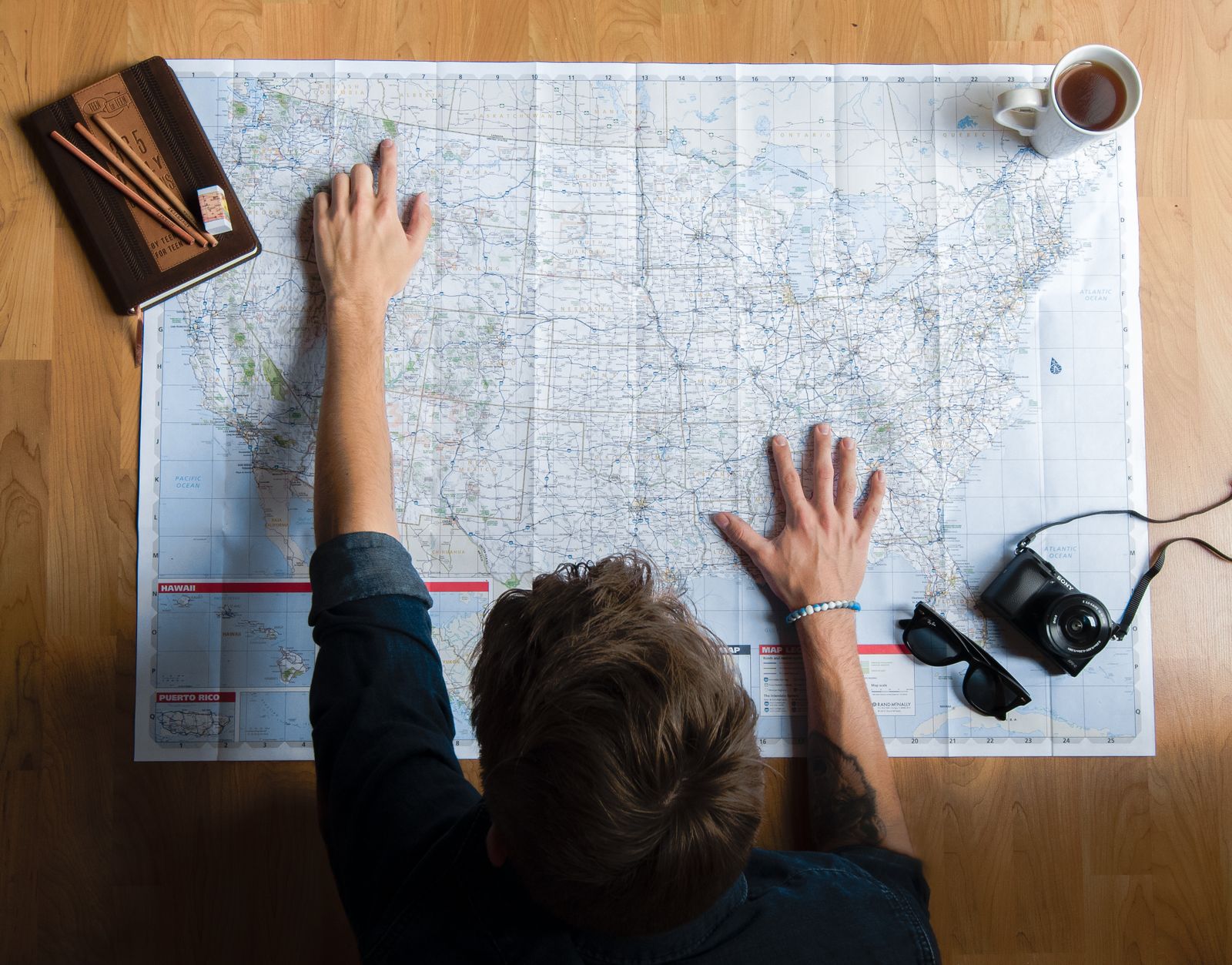
A short city break, a road trip, a remote stay, and a multi-country journey create different food and transport risks. Write the route in order, including arrival time, accommodation, longest transfer, border crossing, and departure day. Then mark the parts that would be difficult to replace.
| Route shape | Main planning risk | First decision |
|---|---|---|
| City break | Food is spread across neighborhoods and opening times | Choose a food zone near accommodation and transport. |
| Multi-city route | Transfer days create rushed meals | Protect the first meal after each arrival and carry a compact backup. |
| Road trip | Long stretches without reliable food or storage | Map grocery, fuel, rest, refrigeration, and replacement stops as a supply chain. |
| Remote or seasonal stay | Few venues, early closures, and limited delivery | Buy supplies before the last well-served town and check cooking access. |
| Multi-country trip | Language, rules, payment, and transport systems change | Keep a separate verification note for each country and major transfer. |

Build food anchors instead of a restaurant marathon
A food anchor is a dependable meal or supply decision connected to the route. Examples include breakfast near accommodation, lunch near an attraction, dinner near the station, or groceries before a remote transfer. Plan the meals that are difficult to replace first; leave flexible windows for spontaneous choices.
For each difficult segment, save one primary option, one nearby alternative, and one grocery or carried-food fallback. Check the current menu, opening window, payment, booking requirement, location, and how the option fits the next transport leg.
Use a small evidence record
Record the source link, date checked, exact claim, contact response, and next review date. Mark each option as confirmed, likely, or unverified. This is more useful than saving dozens of old listings without context.
Choose accommodation for food access
Accommodation affects breakfast, storage, late arrivals, and how easily you can recover when a venue closes. Before booking, check the distance to realistic meal areas and groceries, refrigerator or freezer access, kitchen equipment, kettle, breakfast details, late-arrival process, and whether the property can answer dietary questions clearly.
Do not choose a distant property only because it is cheaper if every meal requires a long detour. Compare the total time, transport cost, food access, and backup options. If the address changes, repeat the food-zone check.
Protect transport and arrival days
Transport days need more buffer than sightseeing days. Check the exact station, terminal, ferry port, transfer time, platform or gate access, baggage process, and the last realistic food stop before departure. Keep the meal that is hardest to replace protected from delay.
For flights, confirm the operating carrier, meal request, terminal, connection, security process, and first meal after landing. For road trips, estimate the longest gap between supply stops and plan storage, water, fuel, and rest alongside food. For ferries or seasonal routes, check the service date and buy food before the last dependable supply point.
Prepare language and communication
Prepare a short statement that explains vegan requirements and the ingredients to avoid. Save the local words for dairy, egg, fish, meat, broth, butter, honey, gelatin, and common sauces. Ask focused questions about shared cooking surfaces, stock, toppings, and substitutions.
For allergies or medical risk, communicate the allergy separately and follow the relevant safety process. A generic translation card is useful for routine requests but is not a substitute for professional advice or a provider’s confirmed procedure.
Pack for the actual route
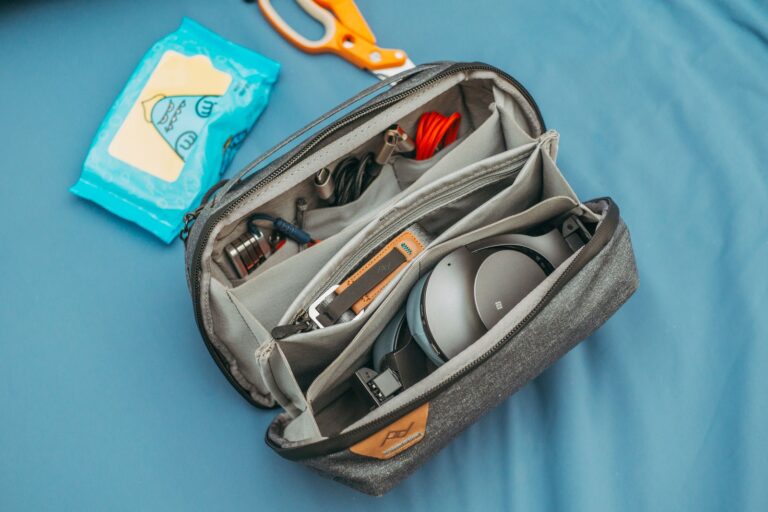
Packing should solve known constraints, not every theoretical problem. Match food storage, clothing, documents, medication, chargers, and personal comfort items to the forecast, transport, accommodation, and activities.
- City break: a day bag, compact snack, and room for groceries.
- Road trip: cleanable storage, cooler plan, water, utensils, and supply stops.
- Flight: security-aware backup, meal confirmation, and arrival food.
- Remote stay: shelf-stable food, cooking plan, and last-town replenishment.
Use the Vegan Travel Packing List for a fuller packing framework and adjust it to the route.
Build a two-layer backup system
| Backup layer | Examples | Best use |
|---|---|---|
| Nearby replacement | Second venue, grocery, market, hotel breakfast, or takeaway | The primary option is closed, full, sold out, or unclear. |
| Independent backup | Carried food, shelf-stable meal, or supplies bought before departure | A missed connection, strike, storm, late arrival, or remote route. |
Backups should be accessible, practical, and legal for the specific route. Check current security, customs, agriculture, and transport rules for the departure, connection, and arrival points. A backup is not a failure of planning; it is what keeps one disruption from controlling the whole day.

Plan for changes without losing the trip
Decide in advance what can move. A restaurant can usually move to another day; a fixed transport connection may not. Mark the non-negotiables, flexible meals, optional attractions, and replacement stops.
Use a short review at three moments: when the route is chosen, when bookings are confirmed, and shortly before departure. During the trip, review only the next difficult segment: first meal, transport, weather-sensitive activity, and backup.
Use tools by role
Keep your travel tools simple. Use one discovery tool for food, one map for saved places and live directions, one offline map for weak-signal areas, and one translation tool with an offline food note. The tool does not verify a venue for you, so pair listings with current menus, official pages, or direct confirmation.
Pre-departure vegan travel checklist
- Have you written the route in order with arrival and departure times?
- Have you identified the longest food gap and the hardest meal to replace?
- Is the accommodation near realistic food and grocery access?
- Have you checked refrigerator, kitchen, breakfast, storage, and late-arrival details?
- Have you saved one primary meal, one nearby replacement, and one independent backup?
- Have you checked transport, border, entry, health, and weather information?
- Have you prepared language and ingredient questions for each country?
- Does your carried food fit current security, customs, and storage rules?
- Have you protected the first meal after arrival?
- Have you recorded the source and review date for changing details?
Frequently asked questions
How far ahead should I plan a vegan trip?
Start when the route becomes real. Confirm the hardest accommodation, transport, entry, and food decisions first, then recheck changing details close to departure.
How many restaurants should I save?
Save a small, useful set: one primary option, one nearby alternative, and one grocery or carried-food fallback for each difficult segment. A large unverified list creates noise.
What should I check before booking accommodation?
Check food and grocery distance, fridge or kitchen access, breakfast details, late arrival, payment, and whether the property can answer dietary questions clearly.
How can I avoid overplanning meals?
Use food anchors. Protect the meals that are hard to replace, then leave flexible windows for markets, local recommendations, weather, and changes in energy.
What is the most important backup for a remote route?
Carry enough food for the next realistic gap and buy supplies at the last dependable stop. Confirm storage and cooking access before leaving the main town.
How can a travel plan stay current?
Record the source and date checked, recheck transport and accommodation before departure, and review the next difficult segment during the trip.
What if a planned meal or transport connection fails?
Use the fallback order: check the nearby replacement, use the independent backup, protect the next transport leg, and update the following meal rather than trying to rescue the entire itinerary at once.
Useful Sources and Verification
Checked 26 October 2026. These sources provide starting points for current travel rules, health information, entry guidance, passenger information, and practical vegan travel context. Always check the authority for the exact countries and providers on your itinerary.
- IATA traveler information and Travel Centre
- CDC Travelers’ Health
- UK Foreign, Commonwealth & Development Office travel advice
- European Union Your Europe travel portal
- The Vegan Society international travel guidance
Related Guides
Build the full route
Use a wider planning framework for food, transport, accommodation, language, and backup decisions.
Build an itinerary around meals
Place meals, sightseeing, rest, and transport into a plan that can flex when the day changes.
Prepare for changing travel details
Review routes, rules, weather, opening hours, and accommodation shortly before departure.