Best Cotswold Villages: A Vegan-Friendly Travel Guide
Updated 25 October 2026. The Cotswolds are a large rural region, not one compact attraction. Parking, bus timetables, opening hours, menus, weather and walking conditions change, so verify the detail for your dates.
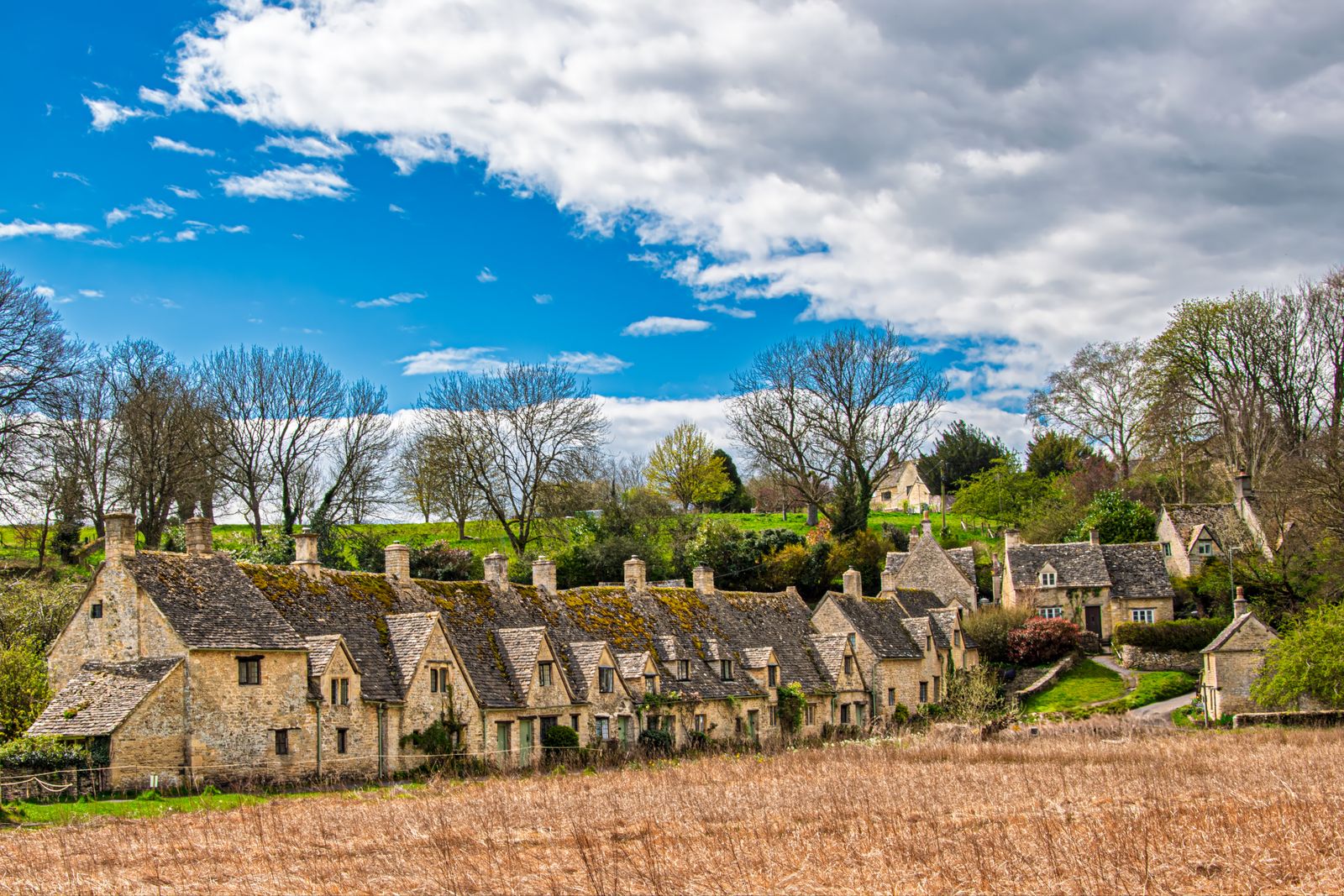
Featured image: historic stone village street in the Cotswolds countryside, photographed by Geert Wil via Pexels. It is illustrative and not a specific photograph of every village named in this guide.
Choose Bourton-on-the-Water, but arrive early and book or pack food because the centre becomes busy.
Use Moreton-in-Marsh as a rail base, then connect by current bus, taxi or a short guided day trip.
Choose Chipping Campden for Cotswold Way access, or Broadway for a shorter escarpment outing.
Reserve one dependable meal, carry a substantial picnic, and check kitchens rather than trusting “vegetarian” labels.
What you’ll find in this guide: choose a village by trip fit, compare the main options, open practical village cards, plan vegan food, travel without a car, handle parking and driving, choose walks responsibly, build a two-day route, and check the FAQs.
Restaurant planningPacking guideItinerary and mealsRoad-trip backup
Which Cotswold village should you choose?
The best choice depends on what you want after the photographs: a walkable centre, rail access, a garden, an escarpment walk, a quiet base, or the strongest chance of finding food without another long drive. Popularity is not the same as suitability.
| Your priority | Start with | Why | Watch for |
|---|---|---|---|
| Classic first impression | Bourton-on-the-Water | River setting, central sights and visitor services | Peak-time crowds and full car parks |
| Short scenic stop | Bibury | Arlington Row, river and nearby countryside | Residential lanes, limited food and parking pressure |
| Views and shops | Broadway | Long high street plus Broadway Tower access | Tower is a separate stop; weather changes the walk |
| History and walking | Chipping Campden | Historic market town and Cotswold Way start | Rail is not in the town; last-mile transport matters |
| Car-free base | Moreton-in-Marsh | Rail station, supplies and bus connections | Check the last bus and Sunday frequency |
| Gardens and quieter lanes | Painswick | Hill-town atmosphere and Rococo Garden | Steep streets and seasonal opening details |
A good day usually combines one busy headline village with one quieter walk or market town. Do not plan five famous stops simply because they appear close together on a map. Narrow roads, parking searches and lunch queues take longer than the map suggests.
What are the best Cotswold villages for a first visit?
Use these as different trip fits rather than a permanent ranking. The Cotswolds tourism guide covers a wide area of villages, market towns, paths, gardens and food businesses, so the most useful route is the one that matches your pace and transport.
Bourton-on-the-Water: the classic first stop
Bourton is the easiest headline village for many first-time visitors because the River Windrush, low bridges, shops and attractions cluster around a walkable centre. It can also work without a car: the official transport guide currently describes a Moreton-in-Marsh connection via Pulhams 801, with a journey of about 30 minutes. Check the live timetable before relying on it.
Arrive early or later in the afternoon, use signed parking, and plan food before hunger hits. For vegan travellers, Bourton is a good place to reserve a meal or buy a picnic, not a place to assume a walk-in café will solve every dietary requirement.
Bibury: a respectful scenic visit
Bibury is best treated as a short, carefully timed stop around Arlington Row, the river and nearby paths. The National Trust provides current visitor information, but the village is residential and the famous lane is not an attraction where visitors can ignore privacy or access.
Keep voices low, do not lean on doors or walls, keep the road clear and park only where permitted. Bring a substantial snack because Bibury is a weaker base for a fully planned vegan day than a larger market town.
Broadway: shops, history and the escarpment
Broadway combines a long honey-coloured high street with independent shops, cafés and access to Broadway Tower. The village and tower are separate stops, so decide whether your day is about browsing, a walk, the tower museum or views across the parkland.
The official Broadway Tower site says the estate includes the tower, grounds, walks and cafés, and that opening hours can change with the season or dramatic weather. Check tickets and conditions before setting out, especially if the tower is your main reason for visiting.
Chipping Campden: history and the Cotswold Way
Chipping Campden is a historic market town and the northern end of the Cotswold Way. The National Trail currently lists the route as 102 miles or 164 kilometres to Bath, with frequent steep climbs even though it is well way-marked.
You do not need to walk the whole trail. Use the official map to choose a short section or circular walk, then plan food and transport around the section you can actually finish. Chipping Campden has no railway station, so Moreton-in-Marsh, a current bus, or a pre-booked taxi may be part of the plan.
Moreton-in-Marsh: the practical transport base
Moreton-in-Marsh is less postcard-like than Bibury, but its station, shops and bus links make it useful for a car-free break. It is a sensible place to buy supplies, sleep near a rail connection and make day trips without changing accommodation every night.
For vegan travellers, practical infrastructure is valuable: a supermarket, a kitchen, or a dependable evening meal can matter more than another photogenic lane.
Painswick: gardens and a hill-town feel
Painswick offers steep stone streets, countryside views and the Painswick Rococo Garden. The garden’s official site advises visitors to check current opening hours and warns that high winds can cause short-notice closures. That is a useful reminder to keep garden visits flexible in changeable weather.
Painswick is a good fit if you want a quieter day with a defined attraction and a walk, but it is less convenient for luggage or mobility needs unless you check gradients, surfaces and parking first.
Lower Slaughter and Upper Slaughter: a walking pair
The Slaughters work best as a half-day walking pair beside the River Eye, not as a guaranteed vegan dining base. Carry water and a packed meal, stay on public rights of way, and confirm how you will return if the weather changes or the path becomes muddy.
Practical Cotswold village cards
Bourton-on-the-Water
Best for: a first visit, river scenery and a walkable cluster of sights. Arrive early and plan lunch or a backup picnic.
Bibury
Best for: Arlington Row and a short scenic stop. Respect residents, avoid blocking lanes and bring food if your needs are strict.
Broadway and Broadway Tower
Best for: shops, cafés, views and a flexible parkland walk. Treat the tower as a separate stop and check weather closures.
Chipping Campden and the Cotswold Way
Best for: history, a market-town base and a chosen section of the National Trail. Check steep climbs and last-mile transport.
Painswick Rococo Garden
Best for: a defined garden visit and a slower hill-town day. Check seasonal hours and weather-related closures.
Moreton-in-Marsh
Best for: rail access, supplies and a practical base for nearby villages. Check buses, taxis and Sunday service before booking.
How vegan-friendly are the Cotswold villages?
The Cotswolds are workable for vegan travellers, but food is spread across villages and opening hours can be narrow. The regional tourism site highlights plant-based and locally sourced food as part of its sustainable dining offer, while directories can provide leads. Neither guarantees a current menu, separate preparation or allergy controls.
Use a three-step rule: check the menu, message the venue, and carry a backup. Ask whether vegetables are cooked in butter, whether chips share a fryer, whether soup uses dairy or stock, and whether breakfast can be made without egg, milk or meat. “Vegetarian” is not the same as vegan.
| Situation | Useful plan | Question to ask |
|---|---|---|
| Village café | Plant milk, toast, fruit, beans or a clearly marked dish | Is the spread dairy-free? Is there a separate toaster? |
| Pub lunch | Book ahead and request a vegan main | Stock, butter, mayonnaise, egg and fryer? |
| Walking day | Packed sandwich, fruit, nuts and water | Where is the next shop or refill point? |
| Afternoon tea | Request vegan service before arrival | How much notice is required, and is it a full vegan menu? |
- Use a market town or self-catering base for the most reliable groceries.
- Carry one complete meal, not only snack bars.
- Keep chilled food cold and follow product storage instructions.
- Save a supermarket, café and accommodation kitchen option offline.
- For allergies or strict cross-contact needs, choose the venue that can answer clearly rather than the prettiest room.
The practical vegan packing guide covers shelf-stable food and travel kit. The non-dairy milk guide covers storage and transport caveats. If you are staying in a cottage, confirm the fridge, oven, pans, supermarket distance and check-in time before arrival.
Can you visit the Cotswolds without a car?
Yes, if you choose a connected base and accept that you will see fewer small villages. The official Cotswolds transport guide lists Moreton-in-Marsh, Cheltenham Spa, Gloucester, Kemble, Stonehouse, Stroud and Ashchurch among the rail gateways. It also describes village connections by local bus and points travellers to current operators such as Great Western Railway, Pulhams and Stagecoach.
| Base or gateway | Useful for | Check before travelling |
|---|---|---|
| Moreton-in-Marsh | Bourton, Stow, Chipping Campden and nearby villages | 801, 802 and 803 timetables, especially Sundays |
| Chipping Campden | Historic town and Cotswold Way access | Bus or taxi from Moreton-in-Marsh |
| Bourton-on-the-Water | Central visitor base and bus connections | Last bus, luggage and return timing |
| More remote villages | Quiet lanes and walks | Taxi availability, food, signal and daylight |
Save the last return connection before leaving your base. A route that works outbound may not run frequently enough for a late dinner. For current schedules, use the official transport guide and linked operator pages rather than an old blog timetable.
What should you know about driving and parking?
A car gives you flexibility, but it also makes the Cotswolds’ narrow lanes, limited parking and residential villages your responsibility. Use signed car parks, do not stop in passing places for photos, and move on if a car park is full instead of circling or blocking homes.
- Download the route and parking location before leaving signal.
- Allow time for a parking search, a walk from the car park and a proper meal.
- Keep water and a food backup in the car, especially for Sundays or late arrivals.
- Check whether a village or attraction has separate parking rules or charges.
- Do not assume a scenic viewpoint is a legal stopping place.
How should you plan walks and responsible visits?
The Cotswold Way National Trail runs from Chipping Campden to Bath for 102 miles or 164 kilometres. The official trail page says it is well way-marked but includes frequent steep climbs. You can choose a short circular or linear section using the trail map rather than treating the full route as a casual village walk.
For shorter village walks, wear shoes with grip, expect uneven surfaces and check daylight. Ask about step-free routes if you need them: a village may be accessible at street level while a river path, field gate or garden is not. Keep to public rights of way, respect private homes and gardens, and leave no food packaging behind.
What is a realistic two-day Cotswolds itinerary?
| Day | Main plan | Why it works | Keep flexible |
|---|---|---|---|
| Day 1 | Base in Moreton-in-Marsh or Bourton; visit Bourton early, then add a booked meal or a short walk. | One headline village plus a food anchor. | Crowds, parking, lunch queues and bus return. |
| Day 2 | Choose Broadway and Broadway Tower, or Chipping Campden with a short Cotswold Way section. | One town-and-view day or one history-and-walk day. | Weather, steep paths and tower or garden opening hours. |
| Optional Day 3 | Use Bibury or the Slaughters as a short scenic visit, then keep a slower afternoon in Painswick or a market town. | Quieter pacing and a weather buffer. | Residential parking, muddy paths and limited food. |
If you are staying near Cheltenham, Gloucester, Oxford or Bath, a day trip can reduce packing and improve evening food choice. If you stay in a village, you gain early and late access but need to plan dinner, parking and transport more carefully.
Where should you stay?
Choose a base around the evening you want. Moreton-in-Marsh is practical for rail and supplies; Bourton is convenient for a first-time visitor who wants a central cluster; Chipping Campden suits history and walking; Painswick suits gardens and a quieter hill-town atmosphere. A self-catering cottage can be more useful than a photogenic room if vegan food, allergies or early walks are central to the trip.
Before booking, ask about fridge space, cooking equipment, parking, late check-in, the walk to dinner, taxi availability and the nearest supermarket. “Kitchenette” does not always mean oven, pans or enough fridge space for a picnic.
When should you visit?
Midweek and early or late in the day are often calmer than weekend midday, but school holidays, events and weather can change the pattern. Summer gives longer daylight but can bring full car parks and higher prices. Shoulder seasons may feel quieter, but some cafés and attractions reduce their hours.
Pack a waterproof layer and shoes that can handle wet grass or uneven paths. Keep one indoor or low-friction alternative, such as a market town, garden, museum or long lunch, so rain does not erase the whole day.
Cotswolds vegan travel FAQs
Which Cotswold village is best for a first visit?
Bourton-on-the-Water is the easiest classic introduction for many visitors. Choose Bibury for a shorter scenic stop, Broadway for shops and views, Chipping Campden for history and walking, Moreton-in-Marsh for rail access, or Painswick for gardens and a quieter hill-town feel.
Can you see the Cotswolds without a car?
Yes, if you base yourself near a rail gateway and accept fewer villages. Moreton-in-Marsh is a useful starting point, but check current buses, last connections, taxi options and Sunday service.
Is Bibury free to visit?
The village streets and public paths are not one single paid attraction, but parking, private attractions and nearby facilities have their own rules or charges. Use the National Trust visitor page and local signs for current details.
Are there vegan restaurants in the Cotswolds?
There are vegan and vegan-friendly leads, but they are dispersed and menus change. Check the current menu, message the venue and ask about stock, butter, egg, dairy, honey and shared fryers.
How many days do you need?
Two full days cover a headline village, a second village and one walk without rushing. Three or four days gives you weather flexibility, a longer walk and better food planning.
What should I do if a village is too busy?
Do not circle residential roads or force a queue. Use the planned alternative, move to a market town, take a quieter walk, or return later in the day. A fit-based route is more enjoyable than a fixed ranking.
Useful sources and verification
Checked 25 October 2026. Recheck transport, parking, opening hours, menus, access, weather, events and walking conditions immediately before travel.
- Visit Cotswolds official tourism guide — regional villages, market towns, walks and food planning.
- Visit Cotswolds train and bus guide — rail gateways, village connections and operator links.
- National Trust Bibury visitor information — Arlington Row, facilities, access and getting there.
- Cotswold Way National Trail — route length, terrain, maps and shorter walk options.
- Broadway Tower official website — tickets, grounds, cafés and weather-sensitive opening information.
- Painswick Rococo Garden — current opening hours, events and closure notices.
- Visit Cotswolds eco-friendly food and drink — plant-based and local-produce context.
- HappyCow — a current vegan-food lead, not a guarantee of hours or kitchen practice.
Related vegan travel guides
Build meal anchors, accommodation checks and backups before departure.
Pack food, documents, medication and adaptable clothing without overloading your bag.
Plan grocery stops, shelf-stable food and route backups for rural travel days.
Next step: choose one base, reserve one dependable vegan meal, download your transport details and pack one substantial backup before leaving for the villages.