

Eat Vegan
Short answer: To eat vegan, build meals around plant proteins, starchy foods, vegetables or fruit, and fortified foods or supplements where needed. Avoid meat, fish, dairy, eggs, honey, and other intentionally animal-derived ingredients. For travel, start with familiar meal structures and verify labels, menus, and local availability.
Updated 27 October 2026. Fortification, labeling rules, product formulas, and travel food access vary by country, so recheck official guidance and product labels.
What you’ll find in this guide
What vegan eating includes · Balanced meal formula · Meal-building table · Key nutrients · Eating out · Travel food · FAQs
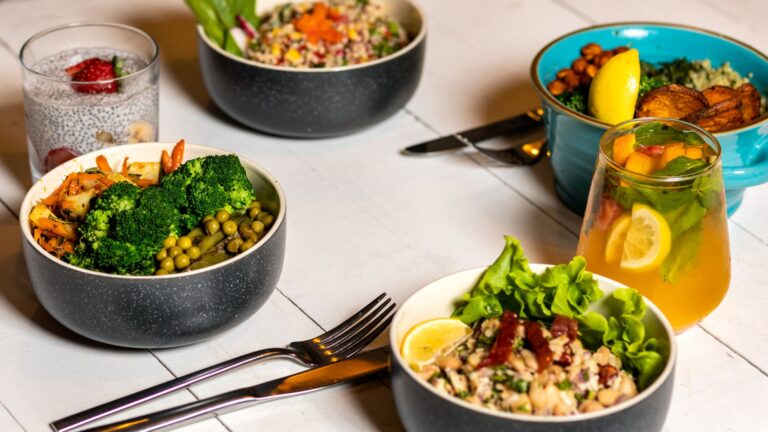
Featured image credit: Colorful vegan salad for everyday plant-based eating. Photo: Nano Erdozain via Pexels.
You do not need a pantry full of specialty products, perfect recipes, or a sudden total lifestyle redesign to eat a vegan meal. Beans, lentils, chickpeas, tofu, tempeh, peas, soy foods, grains, potatoes, vegetables, fruit, nuts, seeds, bread, pasta, and familiar seasonings can form the foundation. Vegan meat, cheese, yogurt, desserts, and ready meals are optional tools rather than requirements.
A varied vegan diet can meet nutritional needs when it is planned appropriately, but this guide is general education, not individualized medical advice. Children, pregnant or breastfeeding people, older adults, athletes, people with allergies, eating disorders, digestive conditions, nutrient deficiencies, limited food access, or other medical needs may benefit from advice from a qualified clinician or registered dietitian familiar with vegan nutrition.
What Vegan Eating Includes and Excludes
Vegan eating is based on foods that do not intentionally contain animal-derived ingredients.
Commonly included foods are:
- Vegetables and fruit
- Beans, lentils, peas, and chickpeas
- Tofu, tempeh, edamame, and other soy foods
- Grains such as rice, oats, wheat, corn, quinoa, barley, and millet
- Potatoes, sweet potatoes, cassava, plantain, and other starchy foods
- Nuts, seeds, and nut or seed butters
- Plant oils
- Herbs, spices, sauces, and condiments without animal ingredients
- Fortified plant milks, yogurts, and cereals
- Vegan alternatives to meat, cheese, egg, and other products
Commonly excluded ingredients include:
- Meat and poultry
- Fish and shellfish
- Dairy milk, cheese, cream, butter, whey, and casein
- Eggs and egg-derived ingredients
- Honey and other bee-derived food ingredients
- Gelatin
- Lard, tallow, and other animal fats
- Meat, fish, or poultry stock
- Fish sauce, oyster sauce, shrimp paste, and anchovy-based seasonings
- Animal-derived ingredients used in some confectionery, baked goods, drinks, and supplements
The word “plant-based” is used inconsistently. A product may emphasize plants without promising that every ingredient is vegan. Read the ingredient list and any clear vegan statement or certification.
The Simplest Balanced-Meal Formula
Use this flexible pattern rather than trying to calculate every meal:
- Protein anchor: beans, lentils, tofu, tempeh, edamame, soy mince, seitan if suitable, peas, or another substantial protein food
- Energy base: rice, pasta, bread, oats, potatoes, tortillas, noodles, couscous, or another grain or starch
- Vegetables or fruit: fresh, frozen, canned, dried, or cooked in the meal
- Flavor and fat: nuts, seeds, tahini, avocado, olive or rapeseed oil, herbs, spices, salsa, curry paste, or sauce
- Nutrient support: fortified plant milk, calcium-set tofu, fortified cereal, or another deliberately selected food; maintain a reliable vitamin B12 plan
Not every plate must display five separate sections. A lentil curry with rice and vegetables already combines protein, starch, produce, flavor, and fat. Oatmeal made with fortified soy milk, fruit, peanut butter, and seeds follows the same logic.

Practical Meal-Building Table
These are templates, not nutritional prescriptions. Portion size and food choices depend on appetite, age, activity, health, culture, and access. For the travel context, the vegan travel planning tips connect meal structure with transport, timing, and backup decisions.
Start by Veganizing Meals You Already Eat
A familiar-meal strategy reduces the number of new skills required at once.
Breakfast Ideas for Vegan Travelers
Replace dairy milk with a fortified plant milk that suits your allergies and nutritional needs. Check cereal, granola, bread, pastries, spreads, and flavored oatmeal for milk, whey, honey, or other animal ingredients.
Familiar vegan breakfasts include:
- Oatmeal with fortified plant milk, fruit, and seeds
- Toast with peanut butter and banana
- Beans on toast, after checking the bread and sauce
- Tofu scramble with potatoes or toast
- Breakfast burrito with beans, tofu, potatoes, salsa, and vegetables
- Fortified cereal with plant milk and fruit
- Chickpea-flour pancake with vegetables
Lunch: Vegan Travel Food Planning
Keep one dependable filling ready:
- Hummus and roasted vegetables
- Mashed chickpea salad
- Lentil or bean spread
- Tofu slices
- Peanut or seed butter
- Leftover curry, chili, soup, or grain bowl
Add bread, wraps, rice, pasta, potatoes, or another energy source. A salad made only from leaves may not be enough for a meal. Add beans, grains, tofu, nuts, seeds, avocado, bread, or a substantial dressing.
Dinner Ideas for Vegan Travelers
Choose one of five repeatable structures:
- Pasta: tomato or vegetable sauce plus lentils, beans, tofu, or vegan mince
- Curry: chickpeas, lentils, tofu, or beans with vegetables and rice or bread
- Tacos or wraps: beans, tofu, soy mince, vegetables, salsa, and avocado
- Stir-fry: tofu, tempeh, edamame, or seitan with vegetables, noodles or rice, and a verified sauce
- Soup or stew: beans or lentils, vegetables, grain or potatoes, and bread
Learn several meals before chasing variety. Repetition is useful while shopping, label reading, and cooking become easier.
Build a Reliable Protein Habit
Protein is available in many plant foods, but a meal is more dependable when a recognizable protein source is included rather than assumed.
Useful options include:
- Lentils
- Chickpeas
- Black, kidney, white, pinto, and other beans
- Split peas
- Tofu
- Tempeh
- Edamame
- Soy milk and soy yogurt
- Textured vegetable protein
- Seitan, if gluten is suitable
- Peanuts, nuts, and seeds
- Quinoa and other grains as supporting sources
- Vegan meat alternatives, with labels checked for nutrition and allergens
You do not normally need to combine two “complementary proteins” at every meal. Eating a varied diet with enough total food across the day is more practical than pairing foods according to a rigid rule. People with higher needs, restricted diets, low appetite, or medical concerns should seek individualized advice.
A common beginner problem is replacing meat with only vegetables. A vegetable sandwich, plain pasta, or salad may be vegan but may not be filling. Add beans, lentils, tofu, tempeh, soy products, seitan, hummus, nuts, seeds, or another meaningful protein source.

Plan Vitamin B12 Deliberately
Vitamin B12 deserves a specific plan because unfortified plant foods are not reliable sources. The Vegan Society states that fortified foods and supplements are the reliable B12 sources for vegans. The NHS also identifies fortified foods and supplements as important considerations.
Do not assume that seaweed, fermented food, mushrooms, soil on vegetables, or “natural” eating will reliably supply B12. Check the label of fortified foods because products differ by country and brand, and formulations can change.
A safe planning workflow is:
- Identify which foods in your routine are actually fortified with B12.
- Read the serving size and amount on the label.
- Decide whether your fortified-food pattern reliably meets current professional guidance.
- If using a supplement, select a suitable product and schedule using guidance from a qualified source or health professional.
- Seek medical advice if you have symptoms, a history of deficiency, absorption conditions, or medication that may affect B12 status.
Do not wait for symptoms before thinking about B12. Deficiency can be serious, and online anecdotes are not a substitute for evidence-based guidance.
Calcium and Vitamin D: Vegan Travel Food Planning
Calcium supports bones and other body functions. Vegan sources can include:
- Fortified plant milks and yogurts
- Calcium-set tofu, when the setting agent and label indicate it
- Some leafy green vegetables
- Beans and pulses
- Tahini and sesame seeds
- Fortified foods
- Bread in countries where flour is fortified
Plant milks vary widely. Compare calcium, protein, vitamin D, vitamin B12, iodine where present, added sugar, allergens, serving size, and intended use. Shake fortified drinks because nutrients can settle.
Vitamin D availability depends on sunlight, season, latitude, skin exposure, food fortification, and individual circumstances. Follow current public-health advice for your country and discuss supplementation with a health professional when needed. Check that a supplement is vegan, because some vitamin D ingredients or capsule materials may be animal-derived.
Iron: Vegan Travel Food Planning
Plant foods can supply iron, but absorption differs from iron in animal foods. Useful sources include:
- Lentils and beans
- Tofu and tempeh
- Fortified cereals
- Whole grains
- Nuts and seeds
- Dried fruit
- Leafy vegetables
Eating a vitamin C source with an iron-rich meal can improve absorption. Examples include citrus, berries, bell peppers, tomatoes, broccoli, or another fruit or vegetable rich in vitamin C. Tea and coffee around meals can reduce non-heme iron absorption for some people; professional guidance can help if iron status is a concern.
Do not self-treat suspected iron deficiency with high-dose supplements without medical advice. Fatigue has many possible causes, and excessive iron can be harmful.
Iodine, Selenium, Zinc, and Omega-3 Fats
These nutrients are manageable, but their food sources and fortification vary by location.
Iodine: Vegan Travel Food Planning
Iodized salt and fortified products can contribute iodine, but not every salt or plant milk contains it. Seaweed iodine levels can be highly variable, and excessive intake can also be harmful. Check labels and use country-specific professional guidance rather than assuming all seaweed is a safe daily solution.
Selenium: Vegan Travel Food Planning
Content in plant foods depends partly on soil. Nuts, seeds, grains, and legumes can contribute, but relying on a single food in large quantities is not automatically safer. Follow local nutrition guidance.
Zinc: Vegan Travel Food Planning
Beans, lentils, tofu, tempeh, seeds, nuts, and whole grains provide zinc. Soaking, sprouting, fermenting, and leavening can affect mineral availability, but a beginner does not need a complex preparation system to start eating vegan.
Omega-3 fats: Vegan Travel Food Planning
Ground flaxseed, chia seeds, hemp seeds, walnuts, and rapeseed or canola oil provide alpha-linolenic acid. Some people consider algae-derived DHA and EPA supplements based on individual needs and professional advice. Check supplement ingredients and suitability.
Read Labels Efficiently: Vegan Travel Food Planning
Label reading becomes faster when you use a consistent order.
Step 1: Look for a clear vegan statement or certification
This can shorten the process, but still check allergens if relevant. Certification standards and legal meanings vary.
Step 2: Read the ingredient list
Watch for obvious and less obvious animal-derived ingredients. Common examples include milk, whey, casein, butterfat, egg, albumen, gelatin, honey, beeswax, shellac, fish sauce, anchovy, lard, and animal stock.
Step 3: Read the allergen statement
Bolded milk or egg indicates an ingredient in many labeling systems. A precautionary “may contain” warning generally concerns possible cross-contact, not an intentionally added ingredient. Vegans make different personal decisions about cross-contact statements; people with allergies need a medical safety decision.
Step 4: Check ambiguous ingredients in context
Some ingredients can be plant-, mineral-, microbial-, or animal-derived. Contact the manufacturer when the answer affects your choice. Do not rely on an undated crowd-sourced list when a current company statement is available.
Step 5: Recheck products you buy repeatedly
Recipes change. A formerly vegan product may add milk or egg, and a previously non-vegan product may be reformulated. Scan the label rather than relying permanently on memory.
The Food Standards Agency’s labeling guidance is a useful official reference for the distinction among vegan, free-from, allergen, and ingredient information in the UK. Use the equivalent authority where you live.
“May Contain” and Shared Equipment
A product can contain no intentional animal-derived ingredients while carrying a precautionary statement such as “may contain milk.” This usually signals possible accidental cross-contact in production rather than milk used as an ingredient.
There is no single rule that every vegan follows about precautionary labels. Some consider the product vegan when no animal ingredient is intentionally used; others avoid it. A milk or egg allergy changes the question because even unintended traces may matter.
Shared fryers, grills, ovens, utensils, and factories raise a similar distinction:
- Vegan ethics question: Was an animal-derived ingredient intentionally included or used as part of the product?
- Allergy question: Could cross-contact create a medical risk?
- Personal standard: What level of shared preparation are you comfortable accepting?
Decide your own standard before ordering so you can ask a focused question.
Eating Vegan at Restaurants
Start with dishes that are designed to be vegan. They usually require fewer kitchen changes than a conventional item stripped of several ingredients.
At a mixed-menu restaurant, check:
- Cooking fats
- Stocks and broths
- Sauces and dressings
- Bread, buns, pastry, and noodles
- Rice and beans
- Garnishes
- Cheese, cream, butter, yogurt, mayonnaise, and egg
- Fish sauce, shrimp paste, oyster sauce, and anchovy
- Shared fryers or grills if relevant to you
Ask staff to check a specific dish rather than asking whether “anything is vegan.” The guide to finding vegan restaurants while traveling covers discovery and verification, while the mixed-menu restaurant guide provides a complete ordering process. How to Read Menus When You Are Vegan helps with unfamiliar terms.
If the order arrives incorrectly, stop eating and seek a fresh verified remake or refund. Removing cheese or meat from the same plate does not restore the original order and is not an allergy-safe remedy.
How to Eat Vegan While Traveling
Travel adds limited kitchens, changing schedules, language barriers, and uncertain product labels. Use a three-layer plan:
- Meal anchors: a few verified restaurants or accommodation meals tied to important days
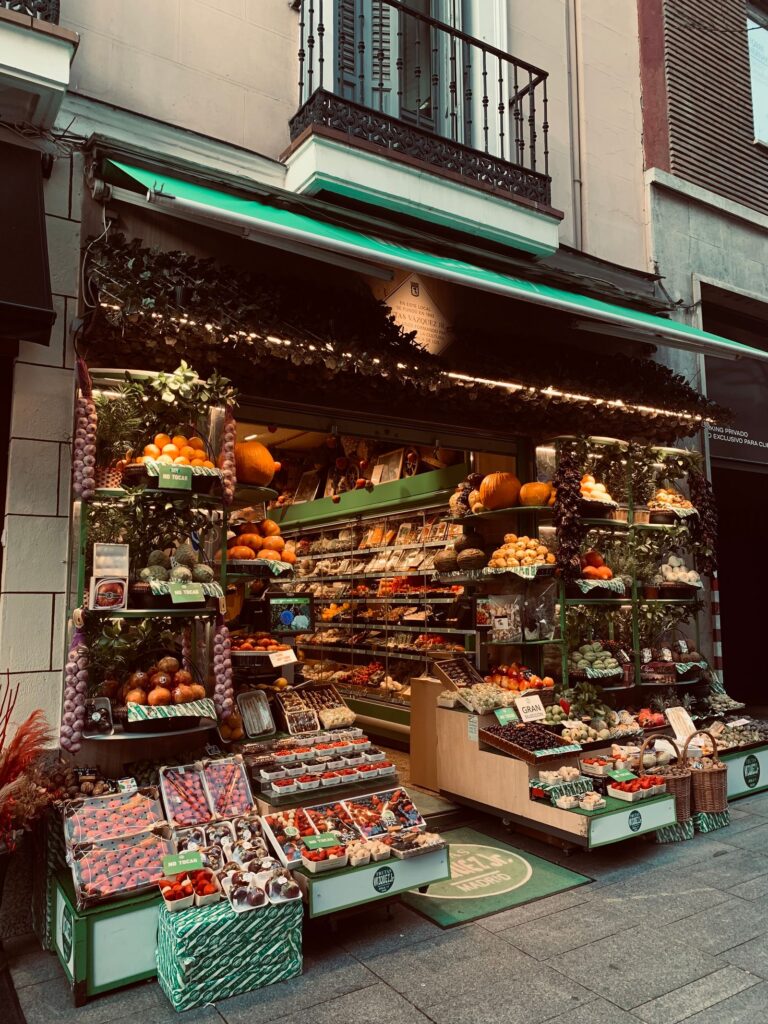
- Flexible options: several saved restaurants or groceries by neighborhood
- Portable backup: food that fits transport, security, customs, storage, and allergy rules
Before departure:
- Research the arrival meal
- Save restaurants near the accommodation
- Check grocery hours
- Learn a complete dietary phrase
- Pack a filling backup, not only a tiny snack
- Request airline meals by the correct code and deadline
- Recheck menus and hours close to the visit
The Vegan Travel Checklist organizes these tasks. For flights, use How to Request a Vegan Meal on a Flight and still bring suitable backup food. The vegan carry-on packing system and no-cook vegan travel meals guide cover portable fallback choices.

Eating Vegan on a Budget: Vegan Travel Food Planning
Vegan eating can be low-cost or expensive depending on the products and local market. Build the budget around staple foods and use specialty products selectively.
Practical strategies include:
- Plan several meals before shopping.
- Compare unit prices, not package price alone.
- Use dried or canned beans and lentils according to time and fuel costs.
- Buy seasonal produce and keep frozen vegetables for reliability.
- Use store-brand staples.
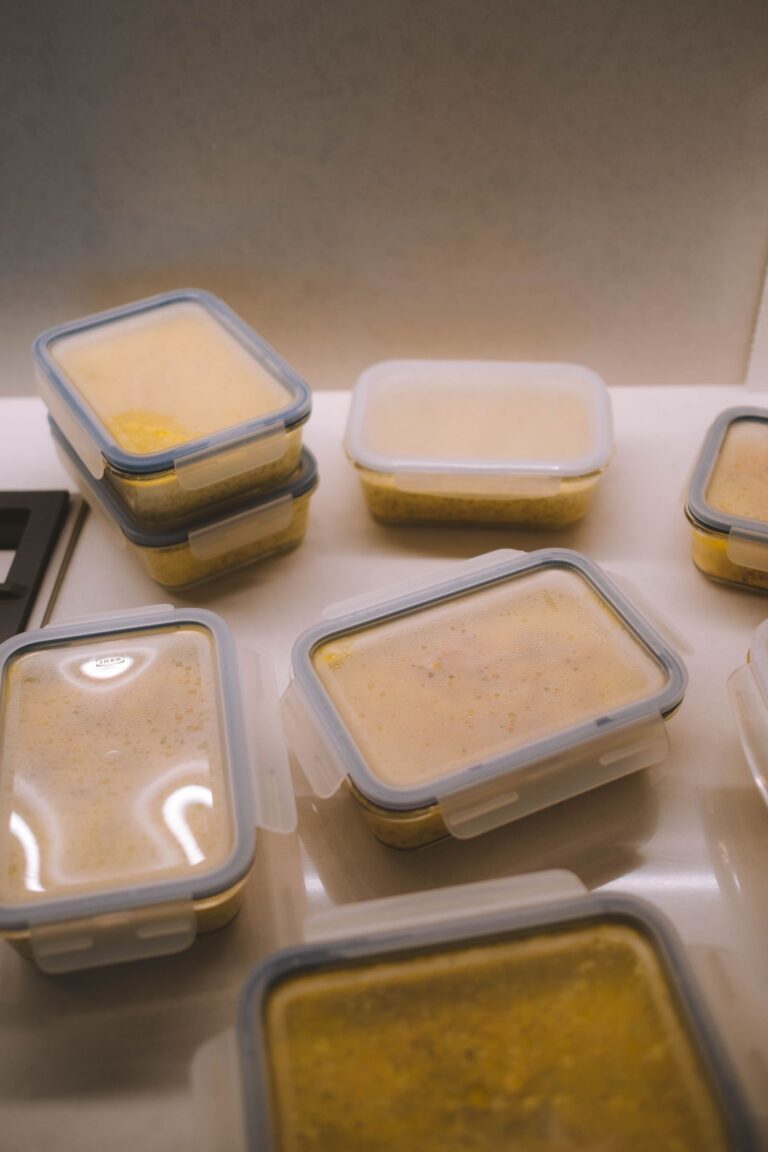
- Cook a base food once and use it in several meals.
- Freeze bread, sauces, cooked beans, and portions before they spoil.
- Choose tofu, textured vegetable protein, beans, or lentils when packaged substitutes are expensive.
- Keep a low-cost emergency meal at home.
- Reduce food waste before buying more.
A cheap basket that does not become meals is not economical. Shop from a plan: beans for chili, lentils for soup, tofu for stir-fry, oats for breakfast, and vegetables that work across the week. The vegan pantry staples guide is useful when you need durable ingredients for home or travel.
Convenience Foods Are Allowed
A sustainable routine must function on busy, tired, ill, or travel-heavy days. Keep several low-effort meals:
- Baked beans on toast
- Canned soup plus bread and hummus
- Microwave rice, ready tofu, and frozen vegetables
- Pasta with jarred sauce and canned lentils
- Peanut butter sandwich with fruit
- Frozen vegan meal plus vegetables
- Instant noodles with tofu and greens, after checking ingredients
- Cereal with fortified plant milk and fruit
Convenience products vary nutritionally. Read labels and balance the overall pattern instead of assigning moral value to every individual meal.
Transition Strategies: Vegan Travel Food Planning
There is no single correct transition speed.
Meal-by-meal: Vegan Travel Food Planning
Make one dependable breakfast vegan, then one lunch, then several dinners. This builds skill with minimal disruption.
Home-first: Vegan Travel Food Planning
Eat vegan at home while learning how to order confidently outside. This works well for people who control grocery shopping but frequently attend social meals.
Immediate switch with preparation
Some people prefer a clear start date. Before it arrives, plan meals, buy staples, arrange B12, identify restaurant options, and decide how to handle gifts, work events, and existing non-vegan food.
Ingredient-by-ingredient: Vegan Travel Food Planning
Replace dairy milk, then meat, then eggs, and so on. Ensure each removal has a practical replacement so meals remain satisfying.
A transition is more likely to last when it focuses on repeatable systems rather than willpower.
Social Situations and Shared Households
Communicate early and offer practical solutions.
For a shared meal:
I eat vegan, so I do not eat meat, fish, dairy, eggs, or honey. I can bring a dish, or we can choose a restaurant with a clearly marked vegan main.
For a host, give examples rather than a long prohibited-ingredient lecture. Offer a recipe or bring food. For a shared household, use common bases such as pasta, curry, tacos, chili, rice bowls, baked potatoes, or stir-fry, then let people add separate toppings.
If cross-contact matters because of allergy, explain the medical requirements separately. Vegan preference language is not a substitute for allergy communication.
Common Beginner Problems and Fixes
“I am hungry all the time”
Check whether meals contain enough total food, protein, starch, and fat. Add beans, tofu, tempeh, grains, potatoes, bread, nuts, seeds, avocado, or oil according to your needs.
“Everything takes too long”
Use canned beans, frozen vegetables, microwave grains, tofu, prepared sauces, simple sandwiches, and batch-cooked food. Not every meal must be cooked from scratch.
“I miss familiar textures”
Try vegan alternatives, tofu preparations, seitan if suitable, mushrooms, lentils, jackfruit used with a protein source, or recipes that recreate the structure of the meal. Preference can change with exposure.
“I made a mistake”: Vegan Travel Food Planning
Read what happened, correct the system, and continue. A hidden ingredient or incorrect restaurant order does not erase your intention or progress.
“My family thinks I cannot get enough nutrients”
Use reputable public-health and professional sources. Show that you have a B12 plan, include protein-rich foods, and seek qualified advice for personal concerns instead of arguing from social media posts.
“Vegan substitutes are expensive”
Treat them as optional. Base routine meals on pulses, grains, potatoes, vegetables, tofu, nuts, seeds, and fortified staples available in your area.
A One-Week Starter Framework
This is a learning structure, not a prescribed diet.
Day 1: Build one breakfast
Choose oats, fortified cereal, toast, tofu scramble, or another familiar option. Check plant milk fortification and bread ingredients.
Day 2: Create a dependable lunch
Make a hummus wrap, chickpea sandwich, lentil soup, or leftover grain bowl. Include enough food to remain satisfied.
Day 3: Learn one bean dinner
Cook chili, curry, tacos, or pasta with lentils. Freeze an extra portion.
Day 4: Learn one tofu or tempeh dinner
Try a stir-fry, curry, baked tofu bowl, or sandwich. Focus on seasoning and texture.
Day 5: Practice label reading
Review five frequently purchased products and identify a verified vegan alternative where needed.
Day 6: Practice eating out
Choose a restaurant with a current clearly marked vegan dish. Read the menu beforehand and ask one precise question.
Day 7: Review the system: Vegan Travel Food Planning
List meals you enjoyed, foods that were not filling, ingredients that were hard to find, and how you will maintain B12 and other nutrient planning. Buy only what supports the next week.
When to Seek Professional Advice
Speak with an appropriate health professional when:
- You are pregnant, breastfeeding, or planning pregnancy.
- You are feeding an infant, child, or teenager.
- You have a diagnosed deficiency or unexplained symptoms.
- You have food allergies, celiac disease, kidney disease, gastrointestinal conditions, or other dietary restrictions.
- You take medication affected by food or supplements.
- You have a history of an eating disorder or highly restrictive eating.
- You are losing weight unintentionally or cannot meet energy needs.
- You need sport-specific or clinical nutrition support.
A qualified professional should work with your vegan commitment rather than dismiss it. Bring a typical food record, supplements, fortified-food labels, medical history, and questions.
Frequently Asked Questions
What do vegans eat in a day?
A practical day might include oatmeal with fortified soy milk and fruit, a chickpea sandwich with vegetables, tofu stir-fry with rice, and snacks such as nuts, fruit, hummus, or fortified yogurt. Many other cultural patterns work.
Is a vegan diet healthy?
A varied and appropriately planned vegan diet can support health. Poorly planned diets of any type can miss nutrients. Vegan eating requires deliberate attention to vitamin B12 and may require planning for vitamin D, iodine, calcium, iron, selenium, zinc, and omega-3 fats depending on the person and local food supply.
Do vegans need vitamin B12?
Vegans need a reliable source of vitamin B12 from fortified foods and/or a suitable supplement. Unfortified plant foods are not reliable sources. Follow current professional guidance for product and schedule choices.
Where do vegans get protein?
Beans, lentils, chickpeas, tofu, tempeh, edamame, soy milk, textured vegetable protein, seitan, peas, nuts, seeds, grains, and vegan meat alternatives can contribute protein.
Is vegan food expensive?
It can be expensive when based heavily on specialty substitutes and restaurant meals. Staple-centered meals using beans, lentils, grains, potatoes, seasonal or frozen produce, and selected fortified foods can be budget-conscious. Local prices vary.
Is plant-based the same as vegan?
Not always. “Plant-based” has no single universal consumer meaning and may describe a product that still contains an animal-derived ingredient. Check the ingredient list and vegan statement.
Can I eat products that say “may contain milk”?
The statement usually indicates possible accidental cross-contact rather than milk used as an ingredient. Vegans make different ethical choices about this. A person with a milk allergy must make a separate medical safety assessment.
Do I need vegan meat and cheese?
No. They can provide convenience, familiarity, enjoyment, or useful nutrition, but beans, lentils, tofu, tempeh, grains, nuts, seeds, vegetables, and other staples can form the foundation.
What is the easiest vegan meal for a beginner?
Choose a familiar structure such as pasta with lentil tomato sauce, bean tacos, chickpea curry with rice, tofu stir-fry, or a hummus and vegetable wrap. The easiest meal is one you can repeat with ingredients available locally.
What if I accidentally eat something non-vegan?
Stop when you notice, learn how the mistake happened, and continue with your next vegan choice. If an allergy is involved, follow your medical plan. An accidental ingredient does not require abandoning the entire effort.
Useful Sources And Verification
Use nutrition guidance that is current and appropriate to your country and life stage. Fortification, supplement products, labeling rules, and dietary recommendations vary. This guide does not provide personal diagnoses or supplement doses.
– NHS: The Vegan Diet — official public-health overview of balanced vegan eating and nutrients requiring attention.
– The Vegan Society: Nutrition Overview — independent vegan-specific planning guidance.
– The Vegan Society: Vitamin B12 — evidence-based explanation of reliable B12 sources and the importance of fortified foods or supplements.
– NIH Office of Dietary Supplements: Vitamin B12 — official United States reference on B12 function, sources, and deficiency.
– NIH Office of Dietary Supplements: Iron — official reference on iron sources, absorption, needs, and supplement caution.
– NIH Office of Dietary Supplements: Calcium and Vitamin D — official nutrient references.
– UK Government and Food Standards Agency: Understanding Food Labelling — official explanation of ingredient, allergen, vegan, and free-from labels.
– Harvard T.H. Chan School of Public Health: Healthy Eating Plate — independent meal-planning framework that can be adapted with vegan protein sources.


One Comment
Comments are closed.