

Vegan Travel in Los Angeles: Neighborhoods, Food & Itinerary
Short answer: Plan Los Angeles by geographic cluster, not by a citywide restaurant wish list. Choose a base around your main priorities, group meals with nearby activities, use Metro where it works, and verify menus, routes, parking, reservations, and access conditions shortly before each outing.
Updated 26 October 2026. Recheck current menus, opening hours, transit, parking, reservations, attraction access, and beach or trail conditions before travelling.
What you’ll find in this guide
Set the scope · Understand the geography · Choose a base · Compare priorities · Build the itinerary · Plan transport · Handle LAX · Verify meals · Read the FAQs
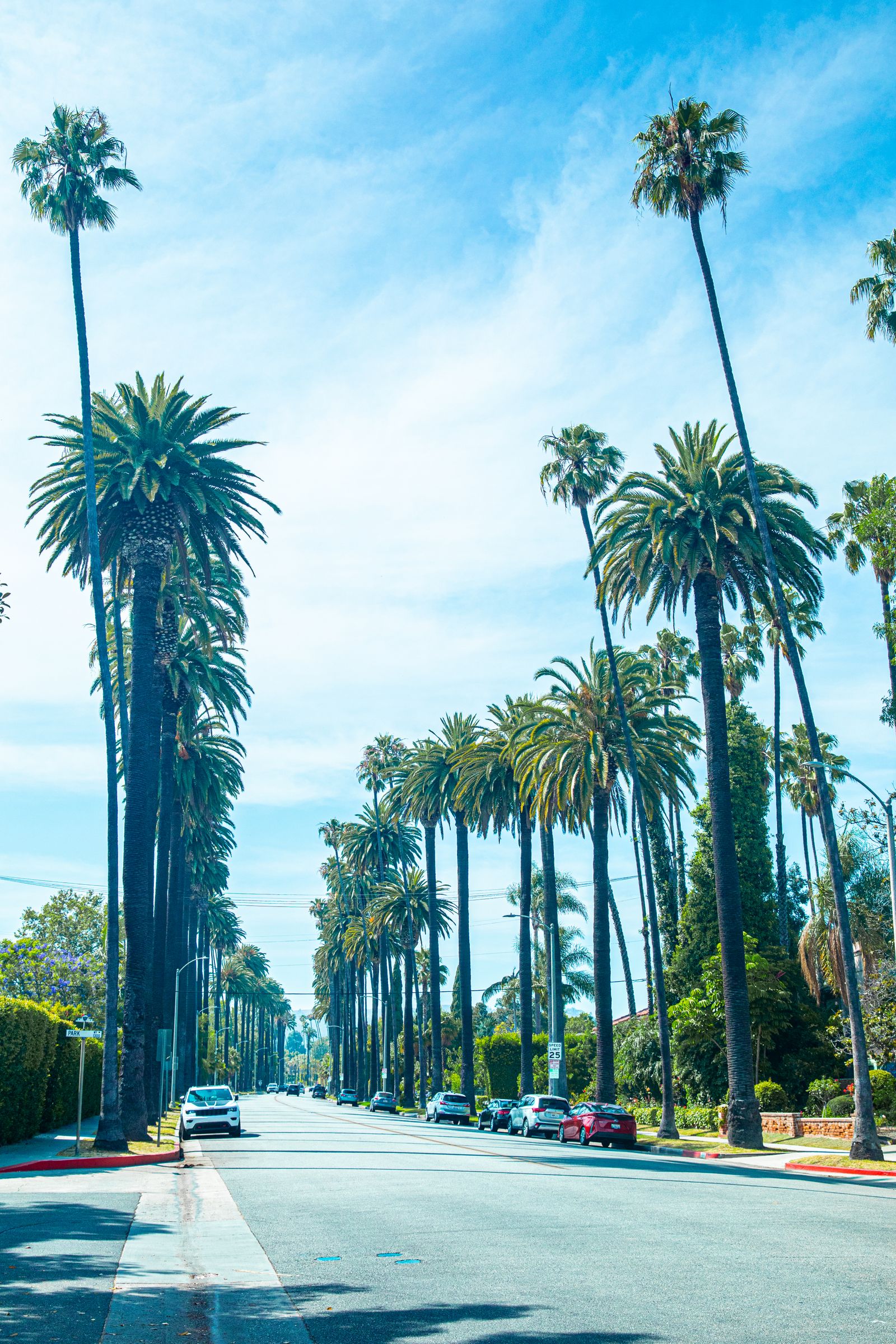
Featured image: Palm-lined Los Angeles street. Photo: Rufina Rusakova via Pexels.
Research basis and experience disclosure: This article provides research-based guidance drawn from official Los Angeles tourism, Metro, LAX, county beach, accessibility, and independent vegan-directory sources. It is not a first-hand travel report. No restaurant, hotel, road route, transit trip, attraction, trail, or beach facility is presented as personally tested. Los Angeles businesses and transport conditions change frequently, so confirm all details through the linked sources before travel.
Commercial disclosure: This published guide contains no paid placement, sponsored recommendation, or affiliate restaurant ranking.
Location: Los Angeles, California
Trip scope: Vegan travel in Los Angeles can include the city and selected Los Angeles County destinations commonly included in a visitor itinerary, including Downtown, Hollywood, the Westside, Santa Monica, Venice, and nearby coastal areas.
Primary airport: Los Angeles International Airport (LAX). Official visitor information: Discover Los Angeles travel information. Official transit information: LA Metro riding and trip-planning information. Airport ground transport: LAX official ground transportation.
Location link: Use the official visitor and transit pages to map your base, airport connection, and daily neighborhood cluster. Exact venue addresses, menus, hours, reservations, beach access, and service alerts should be checked close to travel.
Current Metro check: LA Metro’s current rider page lists a $1.75 base fare, free transfers within two hours, a $5 daily cap, and live trip-planning and service-alert tools. Fares, routes, and service conditions are date-specific, so recheck the official rider page before relying on them.
Featured image credit: Pexels source page. General travel-planning illustration; not a personal photograph.
Is Los Angeles Worth Visiting as a Vegan?

Yes. Los Angeles supports almost every type of vegan trip: casual bowls and tacos, bakeries and cafés, globally inspired cooking, special-occasion restaurants, grocery and farmers-market meals, plant-based versions of regional comfort food, wellness-oriented menus, and businesses that serve both vegan and non-vegan diners. Its cultural range is as important as the number of venues.
The difficulty is not finding possibilities. It is choosing possibilities that fit together. A restaurant in Venice, a museum near Downtown, a walk in Griffith Park, and dinner in West Hollywood may all look reasonable on a regional map. In practice, combining them on the wrong day can mean hours in transit or traffic.
A useful Los Angeles vegan itinerary asks two questions in this order. That geography-first approach is the foundation of vegan travel in Los Angeles:
- Which part of the region am I exploring today?
- Which verified vegan meals fit that area and route?
That order protects the trip from becoming a restaurant commute. For a reusable short-trip framework, use the Vegan Journey Map city-break guide alongside the restaurant discovery and verification guide. This destination guide focuses on how to build the whole journey.
Understand the Shape of Los Angeles Before Booking

“Los Angeles” can refer to the City of Los Angeles, Los Angeles County, or the broader metropolitan region. Visitor attractions commonly grouped under the LA label can be far apart and may lie in different municipalities. Hotel marketing can also use familiar neighborhood names loosely.
Before choosing accommodation for vegan travel in Los Angeles, place your top five priorities on a map. Include the airport, not just attractions. Then identify the part of the region containing the greatest number of your priorities. A central-looking point is not always the most efficient base because mountains, freeway patterns, limited street connections, and traffic alter travel time.
If your priorities divide into two distant clusters, consider either changing hotels once or accepting that one day will involve a longer journey. Do not choose a beach hotel for an inland museum-and-studio itinerary solely because the ocean sounds appealing, and do not choose an inland base if every planned morning begins on the coast.
Where to Stay for Vegan Travel in Los Angeles
Downtown Los Angeles for transit and urban culture
Downtown Los Angeles can work well for visitors interested in museums, architecture, markets, performance venues, Little Tokyo, Chinatown, and Metro connections. It can also provide rail access toward other districts. Downtown changes significantly by block, so study the immediate property surroundings, entrance, parking or transit access, and late-evening route.
A Downtown base is less ideal if the trip revolves around beaches and Westside neighborhoods. Even with rail connections, repeated cross-region journeys can become tiring.
Hollywood, Los Feliz, or Silver Lake for central-north interests
These areas can support itineraries involving Griffith Park, entertainment history, music venues, independent shops, and Eastside or central dining clusters. Rail usefulness varies by exact address. A property marketed under a broad neighborhood name may still require a bus, long walk, or car for most plans.
Los Feliz and Silver Lake can feel more neighborhood-oriented than Hollywood’s busiest visitor corridors. Compare transit, hills, sidewalks, parking, and evening transport rather than choosing on atmosphere alone.
West Hollywood and nearby central-west districts
West Hollywood, Beverly Grove, Fairfax, and adjacent areas can provide access to restaurants, shopping, nightlife, museums, and central-west attractions. Much of this zone relies heavily on buses and road travel rather than rail. That is manageable when most daily plans remain nearby.
Confirm whether a property is inside the City of West Hollywood or merely described as near it, because local transport, parking, and address expectations may differ.
Santa Monica, Venice, or the Westside for a coast-led trip
A coastal base makes sense when beaches, walking, cycling, ocean sunsets, and Westside neighborhoods are the main priorities. Santa Monica has rail and bus connections, while Venice access depends more on buses, cycling, walking, and road transport. Beach weather may be cooler or cloudier than inland forecasts suggest.
A coast-led stay is inefficient for repeated early visits to Downtown, Pasadena, the San Fernando Valley, or far eastern districts. Build at least one full coastal day to justify the location.
Culver City for a mixed itinerary
Culver City can be a compromise for travelers splitting time between the Westside and central Los Angeles. Transit access, studios, dining, and a more compact center can help, but convenience depends on the exact address. Some places using a Culver City mailing identity may not be close to the walkable core or rail station.
Vegan Travel in Los Angeles Decision Table
How Vegan Travel in Los Angeles Stays Reliable
Vegan travel in Los Angeles has enough online content to create false confidence. Old listicles, influencer videos, delivery profiles, and directory entries may remain visible after a business changes concept, moves, reduces vegan options, or closes.
Use independent vegan directories to discover businesses and understand clusters. Read the most recent updates, but do not treat a star score or “open now” label as final proof. Open the business’s own website, reservation platform, or official social account. Match the exact address because businesses with similar names or multiple branches can have different menus.
Check whether the restaurant is fully vegan, vegetarian with vegan items, or mixed-menu. None of these categories automatically guarantees that a specific dish fits your needs. Read the current menu, including sauces and side dishes. If a signature item motivates a long journey, ask the business whether it is available on the planned day.
For mixed kitchens, useful questions include:
- Is the complete dish vegan as served?
- Do tortillas, bread, pastries, noodles, or buns contain dairy, eggs, honey, or animal fat?
- Does the sauce or broth contain fish, shellfish, meat, dairy, or egg?
- Are beans or rice prepared with lard, meat stock, butter, or cheese?
- Is the fryer or grill shared, if that matters to the traveler?
- Can allergy requirements be accommodated separately from vegan preference?
Save the answer along with the date you received it. Reconfirm if the trip is weeks away.
Neighborhood Clusters for Better Planning
Downtown, Little Tokyo, Arts District, and Chinatown
These districts can form an urban day involving museums, architecture, galleries, shops, and meals. They are connected in broad terms, but walking conditions and distances vary. Use Metro or local buses when a direct walk is uncomfortable or impractical.
Little Tokyo requires careful menu verification because vegetable, tofu, noodle, and rice dishes may contain fish stock or other animal ingredients. Chinatown and Downtown’s global restaurants also require ingredient-level questions rather than assumptions.
Hollywood, Los Feliz, Echo Park, and Silver Lake
This broad central-north area can support entertainment history, Griffith Park access, music, bookstores, cafés, and independent shopping. It is not one continuous pedestrian district. Hills, major roads, and limited crossings can make short map distances feel less direct.
Choose two adjacent areas for a relaxed day. If hiking is involved, schedule the meal after the hike close to the exit or return route rather than on the opposite side of the city.
West Hollywood, Fairfax, and Beverly Grove
This is a useful cluster for museums, shopping, nightlife, and dining. Bus and road travel often matter more than rail. A day here benefits from one parked-car location or a deliberate bus corridor rather than repeated short car rides with parking searches.
Check event calendars. Street closures, festivals, demonstrations, premieres, and nightlife traffic can affect access.
Culver City and the Westside
Culver City can pair with studios, galleries, restaurants, and rail connections. Farther west, Santa Monica and Venice support a separate coast-focused day. Trying to combine a relaxed beach afternoon with multiple inland reservations often undermines both.
Koreatown and central Los Angeles
Koreatown is dense, active, and transit-served, but vegan ordering can require detailed questions about broths, fermented ingredients, seafood products, eggs, and grill use. Look for explicit vegan menus or businesses able to explain preparation. Parking can be difficult, so check whether transit is simpler.
A Four-Day Vegan Travel in Los Angeles Itinerary
This framework prioritizes location efficiency. Replace each meal placeholder with a business verified shortly before the trip.
Day 1: Downtown and adjacent districts
Start near your accommodation or a rail stop with a verified breakfast. Choose one Downtown museum or cultural institution as the day’s anchor. Add architecture, public art, a market, or a neighborhood walk around it, but avoid booking several timed attractions with no buffer.
Plan lunch in the same district. Continue to the Arts District, Little Tokyo, Chinatown, or another adjacent area depending on opening hours and your interests. These areas can be combined selectively, not necessarily all in one day.
Have dinner near the final stop or on a direct route back. Check nighttime station entrances and walking directions before leaving the restaurant.
Day 2: Griffith Park and central-north neighborhoods
Visit Griffith Park or another verified outdoor destination early, particularly in warm weather. Review official trail, fire, heat, and access information. Carry more water than a city walk would require and do not depend on finding a suitable meal inside the park.
After the outdoor section, choose Los Feliz, Silver Lake, Echo Park, or Hollywood for lunch and the afternoon. Pick one or two, not all four. A bookstore, cinema, music venue, architecture walk, or café can provide an indoor recovery period.
Dinner should be in the same cluster. If attending an evening event, verify its food policy and eat beforehand unless a suitable option is confirmed.
Day 3: Santa Monica and Venice
Treat the coast as a full-day destination. Begin in Santa Monica, Venice, or another selected coastal zone and move in one direction. Walking and cycling distances should reflect your fitness, weather, and comfort with shared paths.
Check LA County beach information for access facilities and current notices. Ocean conditions, water quality advisories, heat, wind, and marine layer can affect the experience. Beach access does not imply safe swimming.
Choose lunch within the coastal route and carry a snack. Finish with a verified dinner in the same Westside area or near a direct return connection. Do not schedule an inland show immediately after sunset unless generous travel time is available.
Day 4: Central-west museums or a personal-interest district
Use the final full day for central-west museums, West Hollywood and Fairfax, Culver City, Pasadena, the Valley, shopping, a studio-related activity, or another focused interest. These are different geographic plans, not interchangeable add-ons.
If departing that evening, keep the day close to the accommodation or airport route. Leave time to retrieve luggage and account for traffic or service disruption. A final meal should be flexible and easily replaced.
Can You Visit Los Angeles Without a Car?
Yes, but a successful car-free trip must be designed as a car-free trip from the beginning. Los Angeles Metro operates rail and bus services across the county, supported by municipal bus systems in several cities. Rail connects a growing set of visitor areas, while buses fill many gaps.
Choose accommodation near the lines you will actually use, not merely near a station. Check walking distance, street crossings, evening frequency, and the route from station to hotel entrance. A rail map alone does not show hills, heat, sidewalk quality, or the time needed for bus connections.
Metro provides official trip planning, real-time arrival information, schedules, maps, and service alerts. Use those tools on the day. Save critical routes offline, but refresh them before departure.
A car-free traveler should limit each day to one corridor or cluster. Occasional taxis or rideshares can close a difficult gap, but surge pricing, traffic, and pickup restrictions make them a contingency rather than a perfect substitute for planning.
Renting a Car: When It Helps and When It Does Not
A car can help when the trip includes dispersed beaches, trailheads, suburban destinations, the Valley, or several places poorly linked by transit. It can also create parking fees, valet dependence, traffic stress, break-in risk, and time spent searching for a legal space.
Before renting, inspect parking at the hotel and every critical destination. Do not leave luggage or visible items in a parked vehicle. Read street signs carefully because restrictions vary by time, permit, cleaning schedule, event, and neighborhood.
A mixed approach may be better: spend transit-friendly days without a car, then rent one only for a geographically demanding day. Compare the true total, including parking, fuel, taxes, toll-related policies, and insurance choices, using current booking information.
LAX Arrival and Departure Planning
Current LAX check: LAX warns that ground-transport operations and loading areas can change during construction. Check the current airport traffic and ground-transport page, follow terminal signs, and allow extra time for shuttles or changed pickup points.
Los Angeles International Airport is a major gateway with changing ground-transport operations. Official LAX information lists public-transport providers and connections through the LAX/Metro Transit Center, with airport connector shuttle service where applicable. Construction and operational changes can alter pickup points and terminal circulation, so consult the airport website close to travel.
Compare Metro, municipal buses, scheduled transport, licensed taxis, rideshare, hotel shuttles, and rental cars according to arrival time, terminal, luggage, accessibility, and final destination. The right option for Downtown may be different from the right option for Santa Monica or the Valley.
Allow generous departure time. Reaching the airport boundary is not the same as reaching the check-in area. Terminal traffic, shuttle transfers, security, and construction can add uncertainty.
Do not rely on a particular vegan airport meal unless you confirm its terminal, security side, hours, and current menu. Carry a compliant backup snack. International travelers should check agricultural and customs restrictions before packing fresh food.
Beaches, Sun, and Coastal Access
Los Angeles County’s coastline is a major reason to visit, but “beach day” requires current checks. Review official beach pages for parking, access, closures, construction, water quality resources, and facilities. LA County publishes information on access mats and beach wheelchairs at selected locations, with availability and seasonal details that should be confirmed.
Use sun protection that matches your vegan and cruelty-free criteria, but verify labels rather than assuming all mineral products meet them. Bring water, a layer for cooler coastal conditions, and footwear suitable for hot sand or long paved paths.
Wildlife should be observed without feeding, touching, surrounding, or interfering. Follow posted rules and local guidance. A vegan ethic extends to minimizing disturbance, not only avoiding animal products.
Hiking and Heat Safety: Destination Planning
Los Angeles hiking can look like a casual extension of city sightseeing, but exposed trails, steep grades, heat, poor shade, and limited water can create real risk. Check official park information, fire conditions, weather, trail status, daylight, and transport access.
Start early during warm periods, carry adequate water, use sun protection, and turn back before symptoms become serious. Do not follow an old social-media route around a closure. Hills can also affect phone signal and rideshare pickup.
Pair the hike with a meal in a nearby neighborhood. A long cross-city restaurant booking after a strenuous outing adds avoidable pressure.
Budgeting for a Vegan Los Angeles Trip
Use live prices because accommodation, cars, parking, fuel, attractions, and restaurants vary widely. The most important budget decision is often location. A cheaper room that forces several expensive car journeys may cost more overall than a better-positioned room.
Create categories for:
- Accommodation including taxes and mandatory charges.
- Airport transport.
- Local transit or car rental, parking, fuel, and contingencies.
- Food, divided into grocery, casual, and planned dining.
- Attractions, tours, shows, and event parking.
- Emergency buffer for route changes or extreme weather.
Vegan meals can range from grocery staples and taco counters to tasting menus. Do not infer price from cuisine or vegan status. Check a current menu before committing to a destination meal.
Farmers markets and grocery stores can support breakfast, fruit, snacks, and picnic components. Verify market schedules through official organizers, and wash or store food safely.
Accessibility and Sensory Planning
Los Angeles Tourism publishes an accessibility guide, while Metro and individual attractions provide their own access information. Verify the full journey, including sidewalks, station elevators, bus boarding, drop-off zones, seating, restrooms, companion policies, sensory accommodations, and return travel.
LA County’s beach accessibility resources list access mats and beach wheelchairs at selected beaches. Availability can vary, and some equipment may be first come, first served or require a specific process. Contact the responsible agency before making the feature central to the day.
For sensory planning, avoid stacking a busy market, major museum, crowded boulevard, and evening event without recovery time. Los Angeles offers quieter parks, gardens, libraries, cafés, and scenic drives, but their current conditions should be checked.
Ethical Activities and Shopping
A vegan Los Angeles trip can prioritize film and music history, art, architecture, beaches, hikes, human-centered museums, live performance, gardens, and neighborhood culture. Evaluate wildlife attractions, captive-animal experiences, and entertainment involving animals separately. The fact that an activity is famous or family-oriented does not answer an ethical question.
For shopping, ask about leather, suede, wool, silk, down, fur, shell, beeswax, carmine, lanolin, and animal-derived glues. “Clean,” “natural,” and “plant-based” are marketing terms, not complete vegan verification. Cosmetics also require attention to both ingredients and animal-testing policies.
See the vegan trip-planning guide and vegan travel resources guide before departure.
Common Los Angeles Planning Mistakes
Crossing the region for every meal
Save destination meals, but limit them. Most food should fit the day’s geographic cluster.
Choosing accommodation before mapping priorities
A recognizable neighborhood name does not guarantee convenience for your itinerary.
Treating distance as travel time
Traffic, transfers, hills, parking, and pickup rules matter more than straight-line mileage.
Assuming a plant-based label means fully vegan
Read the whole dish and ask about hidden ingredients.
Planning outdoor activity from a generic forecast
Coast, valleys, hills, and inland areas can experience different conditions. Check the specific location.
Depending on one restaurant near closing time
Save a grocery, market, or second restaurant backup in the same area.
Leaving the airport trip to the last minute
LAX access can involve multiple stages. Build a buffer from hotel door to terminal.
Vegan Travel in Los Angeles Meal Verification Checklist
Before traveling to a restaurant:
- Confirm the exact branch and address.
- Check current operating hours on an official source.
- Review the latest menu and vegan labeling.
- Verify the whole dish, including bread, sauce, sides, and garnish.
- Ask about shared equipment if relevant.
- Communicate allergies separately.
- Confirm reservation, parking, valet, or transit details.
- Estimate travel time using current conditions.
- Save one backup in the same district.
Frequently Asked Questions
What is the best area to stay in Los Angeles for vegan travelers?
The best area is the one closest to most of your priorities. Downtown suits urban culture and transit, the Westside suits beaches, central-north neighborhoods suit Griffith Park and entertainment interests, and central-west areas suit museums, shopping, and dining. Vegan availability alone should not determine the hotel.
Do I need a car in Los Angeles?
Not always. A focused itinerary near rail and frequent buses can work without one. A car becomes more useful for dispersed destinations, but parking and traffic create their own costs. Design the trip deliberately for the chosen transport mode.
How many days are enough for a first vegan trip?
Four full days provide a useful structure: Downtown, central-north, coast, and one personal-interest district. Three days can work if you reduce the geographic scope. A week allows a slower pace and distant areas.
Is Los Angeles vegan food expensive?
It covers a wide range. Current menu prices depend on restaurant format, location, and service style. Combine groceries, casual meals, and selected restaurant experiences rather than assuming every meal needs to be a destination dinner.
Can I find vegan food near the beach?
Vegan and vegan-friendly options can be found in coastal areas, but specific businesses and menus change. Verify choices in the exact coastal district and save a second option before starting the beach day.
Is public transport safe and practical for visitors?
Practicality depends on route, time, frequency, walking connections, and individual comfort. Use official Metro tools, stay aware of surroundings, keep devices charged, and choose alternate transport when conditions do not feel right. Consult current local guidance rather than relying on generalizations.
Are farmers markets reliable for vegan meals?
They can provide produce, bread, prepared foods, and snacks, but schedules and vendors change. Confirm the official market schedule and ask each vendor about ingredients.
How do I avoid outdated restaurant recommendations?
Use independent directories for discovery, then confirm the current official menu, address, hours, and reservation information. Recheck on the day, especially before a long journey.
5P Position And Plan
Position: A geography-led Los Angeles guide that helps vegan travelers limit cross-city travel while verifying current venue details.
Plan: Create a 3- to 5-day Los Angeles plan by neighborhood, with one confirmed meal anchor and one backup for each day before departure.
Useful Sources And Verification
Research status: This is researched planning guidance, not personal experience. Verify all changing details with first-party sources.
- Discover Los Angeles for official visitor information and the official accessibility guide.
- Los Angeles Metro: Ride Metro for trip planning, real-time arrivals, alerts, maps, bus, and rail information.
- LAX official ground transportation for current airport connections, pickup information, public transit, and construction-related guidance.
- Los Angeles County Beaches and Harbors, including official beach accessibility information.
- Los Angeles Times food coverage for independent local context; verify current menus, hours, and addresses through each venue’s first-party channel.
- Griffith Observatory official visit information for current hours, access, calendar, and visitor guidelines.
- National Weather Service Los Angeles for current forecasts, hazards, heat, fire-weather, and travel-weather checks.





One Comment
Comments are closed.