Best Non-Dairy Milk for Travel: Cartons, Powder & Storage
Short answer: For most trips, choose the smallest non-dairy milk format you can legally carry, store safely, and finish soon after opening. Small shelf-stable cartons suit short trips, powder or concentrate saves luggage space, and larger cartons work only when reliable refrigeration is available. Choose by route, use, allergies, storage, and backup rather than by a universal “best” brand.
What is the best non-dairy milk for travel?
For most trips, the best non-dairy milk is an unopened, single-serve, shelf-stable carton that fits your dietary requirements, can be carried legally on your route, and can be finished soon after opening. A dry powder or concentrate can be better when luggage space matters, while a larger shelf-stable carton is practical for a road trip or apartment with reliable refrigeration. The right choice is not a universal brand winner. It is the format that matches your journey, meal, storage, and backup plan.
Updated 24 October 2026. Recheck ingredients, allergen statements, storage directions, prices, availability, and transport rules before travelling.
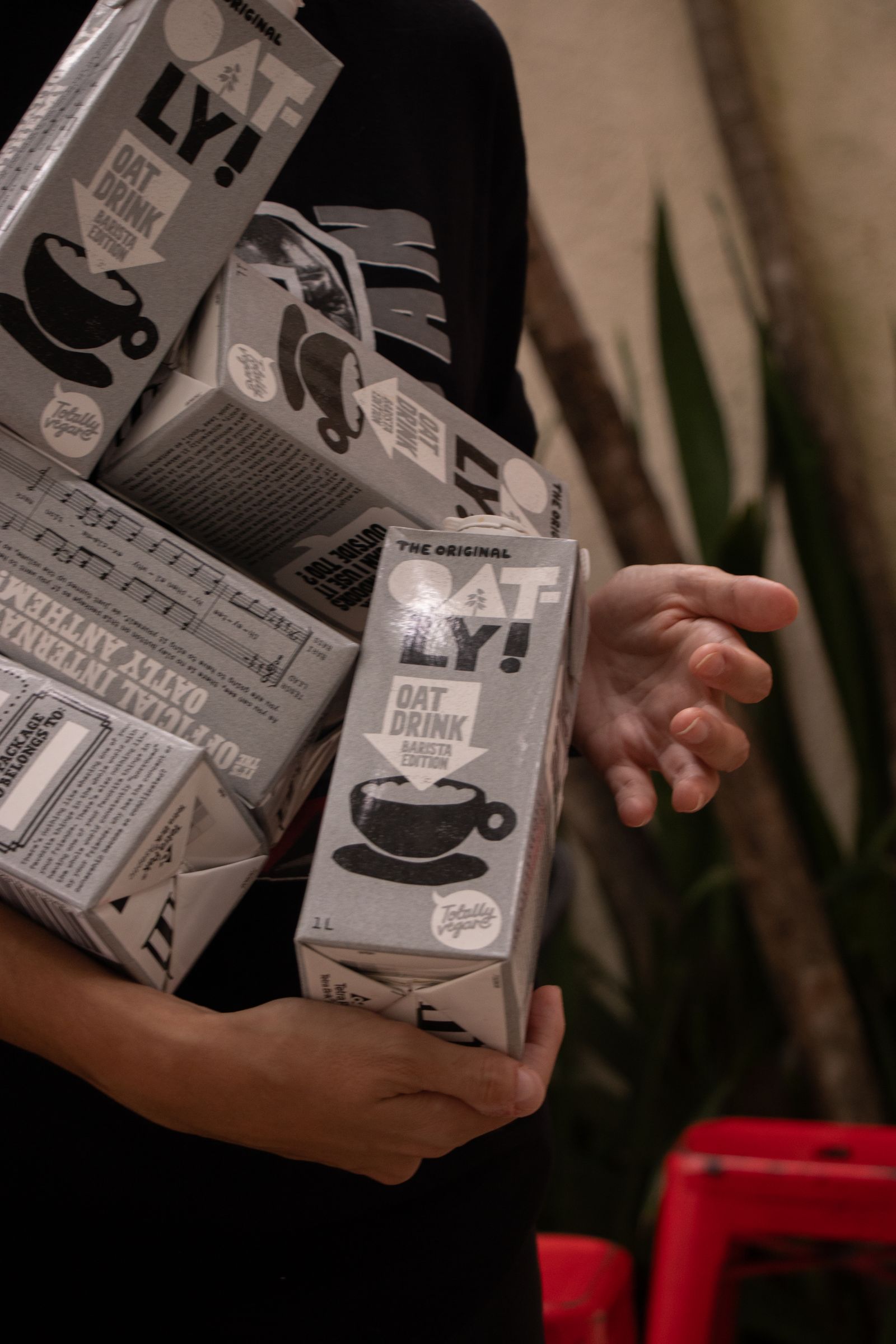
Featured image: Oat milk cartons for travel planning. Photo: Rodrigo Ortega via Pexels.
What you’ll find in this guide
Jump to the five-minute framework, format comparison, milk-type notes, travel scenarios, brand verification, or the pack, buy, and store checklist.
Restaurant GuidesPacking GuideItinerary Around Meals
Use this quick rule:
- One flight or hotel breakfast: choose a small unopened carton or a verified powder, then check transport rules before departure.
- Road trip: choose the size you can protect and refrigerate after opening; pack a cooler only if you can keep it within safe handling guidance.
- Long stay: buy locally after checking the exact label, local stock, and refrigerator access.
- Allergy-sensitive travel: start with the current ingredient and allergen statement, not a brand name or a “plant-based” claim.
- Coffee or cereal: choose based on the use, portion, and whether you can finish the container rather than carrying leftovers.
Always distinguish an unopened shelf-stable product from an opened carton. Ambient storage before opening does not automatically mean room-temperature storage after opening. The package instructions control.
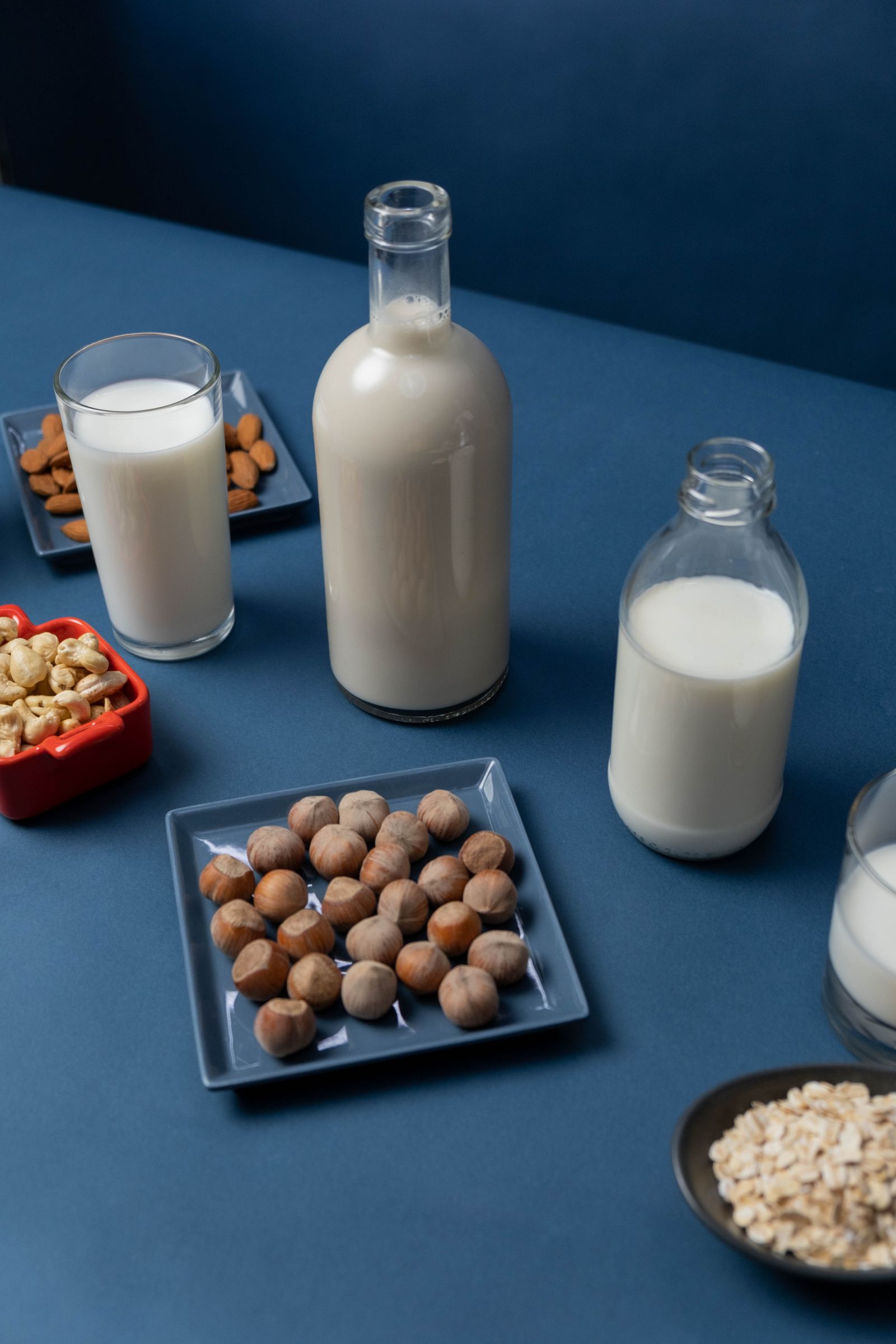
Image credit: Pexels source page. General food illustration; verify current licensing and attribution requirements before publication.
The five-minute decision framework
Before buying, answer five questions. This prevents a familiar carton from becoming an awkward travel item.
1. Where will you use it?
A flight, train, road trip, hostel, hotel, cruise, and apartment create different constraints. A flight may favor a small unopened carton or powder. A road trip may allow a multi-serve carton and cooler. A hotel room may have no refrigerator or only a small one. An apartment may justify a larger carton after you verify a nearby shop and storage.
2. When will you open it?
Plan the first serving before you buy. If you only need milk for one coffee, a large carton creates unnecessary storage and waste. If you need several breakfasts, a multi-serve carton may be sensible only when refrigeration is available. A sealed carton is easier to carry than an opened one because its storage and label remain clear.
3. What are the allergy requirements?
Read the current ingredient list, allergen declaration, and cross-contact language. Oat, soy, almond, cashew, coconut, pea, and other ingredients can matter. A product described as vegan or non-dairy is not automatically suitable for every allergy. For a medically serious allergy, use the manufacturer’s current information and your clinician’s travel plan.
4. What job must it do?
Milk for coffee has different requirements from milk for cereal, oats, smoothies, baking, or a room meal. Barista-style products are made for a particular performance goal, but the label still matters. Powder can work for smoothies or cereal when mixed correctly, while a carton may be easier when you need immediate coffee or breakfast use.
5. What is your backup?
Decide what happens if the product leaks, is confiscated under a transport rule, is out of stock, or cannot be refrigerated. A backup can be another format, a destination grocery stop, a hotel breakfast plan, or a breakfast that does not require milk. The best vegan travel snacks guide can help build the non-milk part of that plan.
Which format works best for travel?
There is no universally superior format. The best format is the one you can transport, open, store, and finish without guessing. A powder that saves space is not a good choice if you cannot mix it hygienically. A small carton is not automatically efficient if you need several servings. Include the complete use cycle in your decision.
Shelf-stable versus refrigerated non-dairy milk
“Shelf-stable” usually refers to a sealed product processed and packaged for ambient storage until the package’s stated date and conditions. Once opened, the storage directions may change. Read the carton rather than relying on a general statement about plant milk.
- Before opening: check the package condition, date, and storage statement. Protect it from crushing, heat, and direct sun.
- After opening: follow the refrigeration and use guidance exactly. If the room has no refrigerator, choose a portion you can finish rather than opening a large carton.
- For a cooler: confirm that the cooler can remain within the relevant food-safety range and that you can monitor or maintain it throughout the journey.
- For a destination purchase: buy as close as practical to the time of use and keep the cold chain short.
Do not present a product’s shelf life, opening window, or storage period as permanent because formulations and packaging change. The official package and current manufacturer page should be the final check.
Choosing by milk type without making universal claims
Milk type can help you build a shortlist, but it cannot guarantee taste, nutrition, or availability. Compare exact products within the same use case. The notes below are general guidance, not promises about every brand or formula.
Oat milk
Oat milk is often considered for coffee, cereal, and oatmeal because many products have a mild, cereal-friendly profile. Travel decisions still depend on the exact formula, carton size, added sugar, storage, and allergy needs. Oats may matter for people avoiding gluten or managing celiac disease, so check the package and relevant certification rather than assuming an oat label answers every question.
Soy milk
Soy milk can be useful when protein or a more substantial breakfast matters, but soy is a major allergen in many labeling systems. Check the exact ingredient statement and nutrition panel. Availability may also vary by country and store type. Do not assume that a soy beverage found at home will be sold in the same format at your destination.
Almond and other nut milks
Nut milks can be convenient and widely available, but they require careful allergen screening. Almond, cashew, hazelnut, and other tree-nut products are not interchangeable. If you are serving a group, do not rely on a vague non-dairy description. Check the full label and cross-contact information.
Pea and blended protein milks
Pea or blended protein milks may appeal to travelers who want a higher-protein option, but the current Nutrition Facts panel is the evidence. Protein content, serving size, oils, gums, and flavorings differ between products. Choose one that fits your taste, allergy profile, and availability rather than assuming the category is uniform.
Coconut milk beverage
Drinkable coconut milk is different from canned coconut cream used for cooking. It may be useful in coffee or cereal, but coconut can be an important ingredient to screen for and the beverage may be less filling than protein-containing alternatives. Check whether the exact product is a beverage, creamer, or cooking product before packing it.
Rice and other grain or seed milks
Rice, hemp, and other grain or seed beverages can be useful alternatives when common nut or soy options do not fit. Their texture and nutrition vary, so review the label for sweeteners, allergens, and serving information. A less common milk can be a smart choice if you have verified the exact package and know where you can replace it.
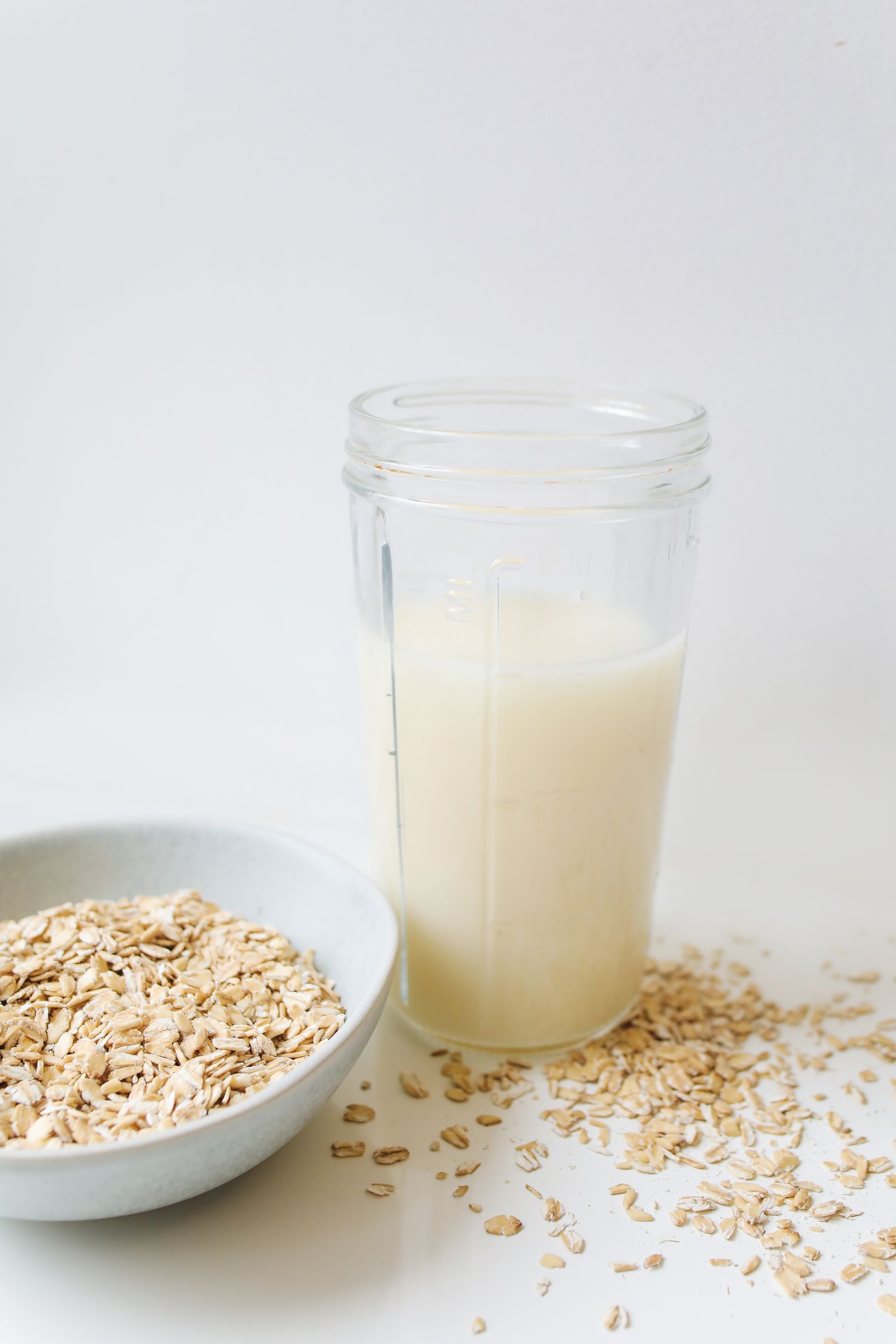
Image credit: Pexels source page. General planning illustration; verify current licensing and attribution requirements before publication.
Travel scenarios and practical choices
Flights and airport connections
Air-travel rules depend on the departure country, airport, security authority, and whether the product is inside or outside your hand luggage. For departures from the United States, liquid restrictions generally apply to carry-on containers under the TSA framework, but you must check the current rule and any exceptions directly before travel. A sealed carton may be easier in checked baggage, but checked-bag temperature and leakage are still concerns. Powder can avoid some liquid-volume problems, but it still needs to comply with the route’s rules and your ability to mix it.
Do not plan around buying a specific milk after security unless the airport’s current shops or cafés confirm it. Availability can change by terminal and time of day. A small sealed carton bought after security, a permitted powder, or a destination grocery stop may be better than carrying an uncertain product through the airport.
Road trips
Road trips give you more flexibility but can introduce heat, long stops, and repeated temperature changes. A multi-serve carton makes sense only if you have dependable cooling and a plan to use it. Keep it away from direct sun and never assume a parked vehicle is safe storage. For a longer drive, buy near the time of use or use a cooler that you can maintain and monitor. Pack a non-dairy breakfast backup in case the carton is damaged or unavailable.
Hotels and short stays
Ask whether the room has a working refrigerator before opening a multi-serve carton. A mini-fridge may not provide the same space or temperature control as a full refrigerator, and some rooms have no fridge at all. Small cartons reduce leftovers. Pair the milk with a simple meal from hotel room vegan recipes, such as cereal, oats, or a packaged snack, but verify any kettle or microwave access rather than assuming it.
Hostels and shared kitchens
Label your carton, use clean utensils, and keep it sealed when not serving. Shared refrigerators can be crowded and may have unclear handling practices. If allergies matter, avoid relying on a communal jug or open container. A single-serve carton may reduce cross-contact exposure and simplify portion control.
International travel
Product names, language, fortification, allergen declarations, package sizes, and import rules can differ across borders. Take a photo or note of the exact ingredients you need, then use local labels and official information at the destination. Do not assume a similar package has the same recipe. If you need a specific nutritional or allergy profile, plan a verified replacement route before departure.
How to choose a brand without pretending to test it
Brand roundups can be useful for discovery, but a brand name is not proof that every product works for your trip. Instead, use a two-stage process:
- Discovery: identify two or three brand families or formats that might fit the route.
- Verification: open the current official product page and the package, then confirm ingredients, allergens, storage, size, and regional availability.
Do not repeat a taste-test score, “clean label” claim, sustainability claim, or availability statement unless the evidence and date support it. If you have not personally tested a product, describe it as a candidate to investigate. That is more useful and more honest than assigning a universal winner.
Manufacturers can change formulas, packaging, certifications, and distribution. Retailer listings can also be incomplete or outdated. Use retailer pages for a current stock check only after you identify the exact product on an official source.
Current product pages worth checking
Oatly
Use the regional product page to confirm formats, ingredients, and whether a carton fits your trip. Do not assume an oat beverage is shelf-stable in every market.
Califia Farms
Check the official range and availability when a destination purchase is more practical than carrying milk. Verify the exact product and local stock.
JOI
JOI is a useful powder and single-serve candidate when low luggage volume matters. Check mixing ratios, water, storage, and the manufacturer’s current facility and allergen information.
Pack, buy, and store checklist
Use this checklist the day before travel:
- Write down the exact milk type, format, and size you need.
- Read the current ingredient and allergen statement.
- Check whether the product is shelf-stable only before opening.
- Confirm the storage requirement after opening.
- Check the transport authority for your departure route, especially for carry-on liquids and powders.
- Protect cartons from crushing and leaks; keep labels visible.
- Plan the first serving and decide how the rest will be refrigerated.
- Identify a destination shop or a second breakfast option.
- Pack clean mixing equipment if using powder or concentrate.
- Record the access date for any changing product or policy information.

Image credit: Pexels source page. General travel-planning illustration; verify current licensing and attribution requirements before publication.
Frequently Asked Questions
What is the easiest non-dairy milk for a hotel room?
A small unopened shelf-stable carton is usually the simplest when you only need one or two servings. Confirm that the room has suitable storage after opening, or choose a portion you can finish immediately.
Can I bring non-dairy milk on a flight?
It depends on the departure authority, container size, security rules, and whether it is in carry-on or checked baggage. Check the current rule for your airport and route before packing. Do not assume that a sealed carton is automatically permitted through every checkpoint.
Is shelf-stable plant milk safe after opening without a fridge?
Do not assume so. Follow the product’s current storage directions. Many shelf-stable products require refrigeration after opening, so use a small serving or plan reliable cooling.
Is oat milk always the best choice for coffee while traveling?
No. Oat milk may suit some coffee uses, but taste, ingredients, allergies, sugar, storage, and availability vary. Choose the exact product that fits your needs and verify it before the trip.
Should I pack milk or buy it at the destination?
Pack it when you need a known product, have a lawful and practical way to carry it, or cannot rely on local availability. Buy locally when the route has reliable shops and you want to avoid carrying a carton. In both cases, keep a backup breakfast plan.
What if I have a serious allergy?
Use the current package and manufacturer’s allergen information, follow your clinician’s travel plan, and do not rely on a generic vegan or non-dairy label. When a product or handling situation is unclear, choose the safer alternative for your circumstances.