Best Vegan Dog Food Brands: A Practical Travel and Home Guide
Updated 25 October 2026. This is an independent product-planning guide, not veterinary advice. Product formulas, stock, prices, shipping areas and feeding directions change, so check the current label and manufacturer page before buying.
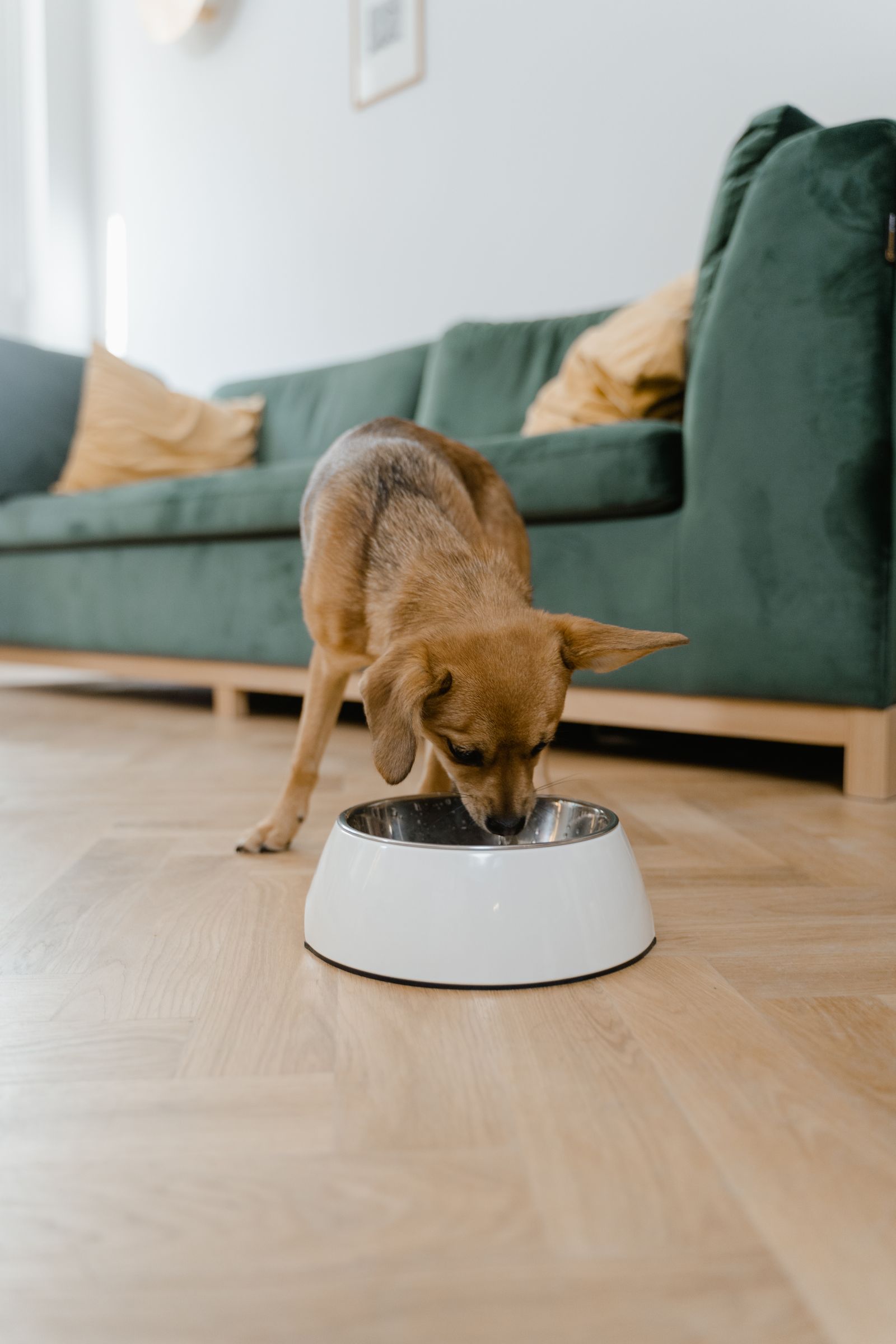
Featured image: dog eating from a bowl, photographed by MART PRODUCTION via Pexels. It is illustrative and does not show a specific vegan product.
What you’ll find in this guide
Safety and veterinary context, complete-and-balanced label checks, brand comparisons, travel formats, switching food safely, packing and storage, what to monitor, FAQs, and sources checked.
“Vegan” is not the same as complete and balanced. Check the life-stage statement, feeding guide and current package before comparing price or ingredients.
Dry food is often easiest to carry, but the best travel food is the complete formula your dog already tolerates. Do not test a new recipe at the airport.
Pack a delay buffer, keep the food in original packaging, and arrange a trusted carer or vet contact if your dog is staying home.
Quick planning links:

Can dogs eat vegan dog food safely?
Some dogs can eat a properly formulated vegan diet, but the choice should be individual and supervised. The BVA’s current policy says it is possible to feed dogs a plant-based diet, while also highlighting the difficulty of balancing essential nutrients and the lack of robust long-term evidence. That is a more useful starting point than either “all vegan diets are unsafe” or “every vegan food is automatically healthy.”
Dogs need a complete supply of energy, amino acids, fatty acids, vitamins and minerals in the right amounts. A product being meat-free, organic, high-protein or marketed as “natural” does not prove that it meets those needs. Choose a commercial food with a clear nutritional-adequacy statement for your dog’s life stage, then discuss the switch with your veterinary team.
Do not use this guide to change the diet of a puppy, pregnant or nursing dog, underweight dog, dog with kidney, liver, heart or gastrointestinal disease, or dog taking medication without veterinary advice. Those dogs may need a more specific nutrient profile or monitoring plan.
What does complete and balanced mean?
“Complete” means the food is intended to provide all required nutrients when fed as the main diet for the stated life stage. In the UK and Europe, look for a statement referring to FEDIAF nutritional guidelines. In the United States, look for the relevant AAFCO nutritional-adequacy statement. “Complementary,” “treat,” “topper” or “for intermittent feeding” foods are not interchangeable with a complete daily diet.
FEDIAF’s 2025 guidelines provide nutrient recommendations for complete and complementary dog food, while the BVA advises owners to choose a complete diet and involve their veterinary team when considering a vegan or vegetarian diet. Do not add supplements such as taurine, carnitine, vitamin B12 or vitamin D to a complete food unless your vet recommends it for your individual dog.
Which vegan dog food brands are worth comparing?
There is no single best brand for every dog. The useful comparison is brand, formula, life stage, format, country and your dog’s response. The table below summarises current manufacturer information checked on 25 October 2026; it is not a veterinary ranking.
These are examples of brands with published nutritional claims, not endorsements. Compare the actual bag in your market, because a company can offer several formulas with different life-stage statements.
A UK/EU-relevant option with dry and wet formats. Check the exact adult, puppy or complementary formula.
Current Maintenance and Performance formulas are useful to compare for US availability and dry-food portability.
Baked and dehydrated formats can suit storage-constrained trips, but check the current adult or senior suitability.
Kibble, mini bites and soft food give you format choices when portion size or texture matters.
What makes Benevo useful to compare?
Benevo is particularly relevant for UK and European shoppers. Its current product information describes adult and puppy foods, dry and wet formats, wheat-free recipes and FEDIAF-based formulation. Check whether the specific product is adult, puppy or complementary before ordering.
What makes Wild Earth useful to compare?
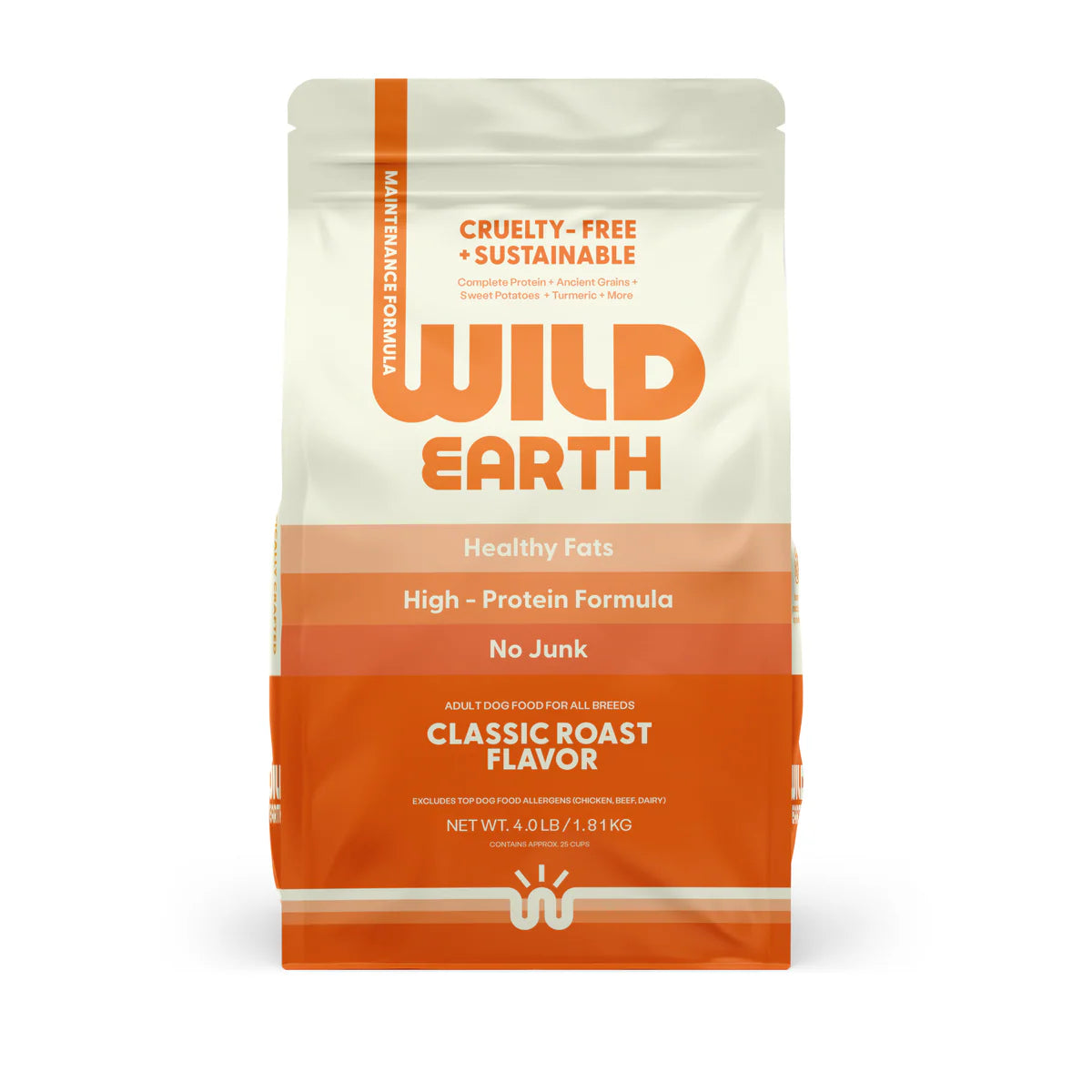
Wild Earth publishes separate Maintenance and Performance formulas and lists crude protein, taurine, L-carnitine and other nutrients on its current product page. The site says both formulas meet AAFCO maintenance profiles, so do not assume either product is automatically suitable for puppies, pregnancy or every medical condition.
What makes Petaluma useful to compare?
Petaluma focuses on baked and dehydrated formats that are shelf-stable. Its current FAQ says adult formulas are optimised for dogs aged 1+ and that the senior formula is for older dogs. Follow the exact product label and ask your vet if your dog has a health condition.
What makes v-dog useful to compare?
v-dog offers kibble, mini bites and soft food, which can help if size or texture matters. Its current site describes the recipes as plant-based, complete and balanced, and above AAFCO standards. Verify the product label and current stock rather than relying on a general brand claim.
Which vegan dog-food format is easiest for travel?
For most trips, tested dry food is the simplest option. It is lighter than cans, does not need a cooler before opening and can be portioned into sealed bags. Wet, fresh or dehydrated foods may be useful for appetite and hydration, but they add storage, water or temperature considerations.
Do not choose a food only because it is convenient for humans. The dog still needs the right complete formula, calories and feeding amount. When travelling, measure the normal daily amount and add a realistic delay buffer rather than changing the dog’s calories casually.
How should you switch food before a trip?
Switch at home, gradually and early enough to observe your dog. A trip is a poor time to test a new recipe for the first time. Follow your vet’s and the manufacturer’s transition advice, and keep the old food available while you assess appetite, stools, energy, itching and weight.
- Choose the exact complete formula and life stage with your vet.
- Buy a small bag or sample where available, and test it at home.
- Introduce it gradually over several days rather than replacing every meal at once.
- Measure portions using the manufacturer’s guide, then adjust only with veterinary advice.
- Once tolerated, feed the same food for several days before departure.
- Pack enough for the full trip, delays and the return journey if resupply is uncertain.
Stop and contact your veterinary team if your dog develops persistent vomiting, diarrhoea, refusal to eat, marked lethargy, rapid weight change or another concerning symptom. Do not wait until you are abroad to find out whether the diet suits your dog.
How do you pack dog food for travel?
Keep the food in original packaging whenever possible. The label helps with ingredients, feeding instructions and border questions. For international trips, check the destination country’s pet-food import rules and your airline or carrier’s current requirements well before departure. Meat-free does not automatically mean exempt from import controls.
- Pack sealed food in a waterproof outer bag, with a scoop and measuring cup.
- Carry a photo of the label and the manufacturer’s product page offline.
- Bring the dog’s normal bowl, a collapsible water bowl and safe drinking water for the journey.
- Do not leave food, wet pouches or cans in a hot vehicle.
- For road trips, plan clean storage and a disposal bag for opened packaging.
- For hotels, ask whether the room has a fridge before relying on wet food storage.
- Keep a written note of your vet’s contact details and the dog’s current food and medication.
Our practical vegan packing guide covers general travel food planning, while the travel updates checklist helps you recheck routes, rules and delays before leaving.

What should you monitor after switching?
Monitor the dog, not just the marketing claim. Record appetite, stool quality, body weight, energy, skin and coat, and any change in thirst or urination. A dog can appear enthusiastic about a food while still needing a different calorie amount or medical review.
Tell your veterinary team which brand and formula you feed. If the food is marketed for adult maintenance, do not feed it to a puppy or use it during pregnancy without a professional plan. If your dog has a diagnosed condition, a therapeutic diet may take priority over your ethical or travel preferences.
Home-prepared vegan diets are a separate level of risk. Ingredient lists from the internet are not complete formulations. If you want to home-cook, work with a board-certified veterinary nutritionist or equivalent qualified professional and use a recipe designed for your dog.
For pet-care logistics, our TrustedHousesitters review can help you think through care arrangements, feeding instructions and backup contacts when a dog cannot travel with you.
Vegan dog food FAQs
Is vegan dog food safe for every dog?
No. A complete commercial formula may work for some dogs, but suitability depends on age, health, activity, body condition and the exact recipe. Ask your vet before changing the diet.
What is the most important label check?
Look for a clear complete-and-balanced statement for the correct life stage, not just “vegan,” “plant-based,” “high protein” or “natural.” Check the manufacturer’s feeding guide and keep the current packaging.
Can puppies eat vegan dog food?
Some products are formulated for puppies or all life stages, while others are adult-maintenance only. Never infer puppy suitability from a general brand claim. Use a product specifically labelled for growth and confirm it with your vet.
Is dry vegan dog food best for travel?
Usually it is the easiest format to carry and store, but the best choice is the complete food your dog already tolerates. A convenient food is not useful if it causes digestive problems.
Can I feed homemade vegan dog food while travelling?
Do not improvise a homemade diet during a trip. Homemade diets need professional formulation, accurate weighing and reliable ingredient access. Use the complete food your dog has already been eating unless your vet gives different instructions.
Do vegan dog foods contain taurine and L-carnitine?
Some formulas add them and some brands publish their nutrient analysis. Check the exact recipe and ask your vet rather than adding supplements yourself.
Are these brands available worldwide?
No. Benevo is especially relevant to UK and European shoppers, while Wild Earth, Petaluma and v-dog are primarily US-facing brands in the sources checked. Stock, delivery and import rules vary, so confirm availability in your destination.
Useful Sources and Verification
Checked 25 October 2026:
- British Veterinary Association: diet choices for cats and dogs, including its current policy position and pet-owner guidance.
- FEDIAF 2025 nutritional guidelines for complete and complementary dog food in Europe.
- Benevo official vegan dog-food information.
- Wild Earth official vegan dog-food information.
- Petaluma official nutrition information.
- v-dog official dog-food collection.
Manufacturer claims are not independent veterinary endorsements. Formula, stock, prices, delivery areas and nutritional statements can change. Check the current package and speak with your vet before switching food.